OpenAI Built an AI to Hack Other AIs
OpenAI built GPT-Red to attack other AI systems. It learns through repeated rounds of attack and defense, hunting for prompt injections that work.


Hey, it's the Carat team. 🤗 Today we're looking at an AI that attacks other models to make them safer, a dedicated Codex keyboard, an open model you can fine-tune, and a coding agent that works right inside your terminal.
OpenAI Built an AI to Hack Other AIs
OpenAI built GPT-Red to attack other AI systems. It learns through repeated rounds of attack and defense, hunting for prompt injections that work. According to details OpenAI shared with MIT Technology Review, GPT-Red automates red-teaming that people once performed manually. It trains across environments involving web searches, email, calendars, and code editing.
GPT-Red uses self-play, pitting an attacker model against a defender. When it finds a new attack, it creates variants and tests which conditions make the attack most effective. OpenAI says the model even found a new kind of prompt injection that plants false information inside another model's reasoning trace.
In OpenAI's tests, GPT-Red found more effective attacks than human testers. GPT-5.6 also resisted GPT-Red's attacks better than earlier models. The system still struggles with attacks that include images or unfold across several turns, and OpenAI has not released GPT-Red to the public.
📌 Today's News
1️⃣ OpenAI made a keyboard for Codex
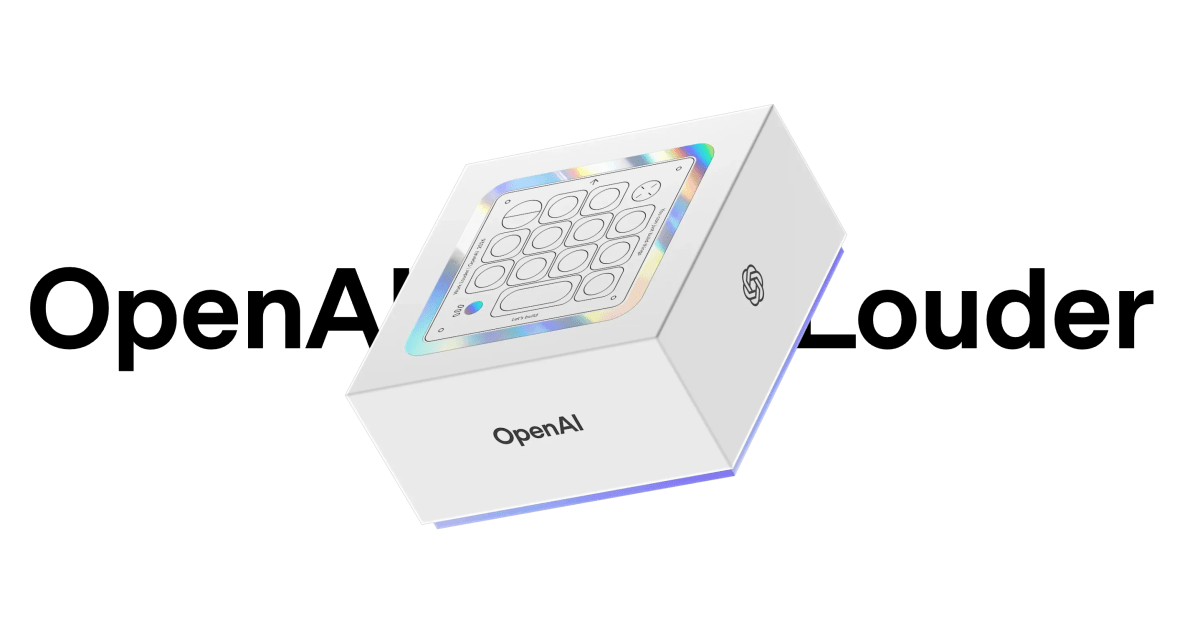
OpenAI introduced Codex Micro, a $230 keyboard designed to work with its Codex coding agent. The company made the limited-edition product with keyboard maker Work Louder.
The keyboard has Agent Keys that display agent status, Command Keys that run Codex actions, and a joystick that starts workflows. A dial lets you adjust how much reasoning the agent uses to solve a problem. Users configure the keys and manage the device through the ChatGPT desktop app.
Unlike OpenAI's still-unannounced smart speaker, Codex Micro is a real product you can buy. The limited run makes it less of a mainstream work tool and more of an early look at how people might control AI agents from their desks.
2️⃣ A 975B-parameter open model just dropped
Thinking Machines released Inkling, an open-weights model with 975 billion total parameters and 41 billion active parameters per token. It uses a Mixture of Experts architecture and accepts text, images, and audio as input.
The company describes Inkling as a general-purpose model that handles knowledge, math, science, coding, tool use, image understanding, and audio, rather than focusing on one narrow task. Its default context window reaches 1 million tokens. Tinker also supports 64K and 256K context settings.
The main draw is direct access to the weights, which lets teams fine-tune the model for their own domains. Inkling is available through Thinking Machines' Tinker platform, its model card, and Hugging Face.
3️⃣ xAI open-sourced a terminal coding agent
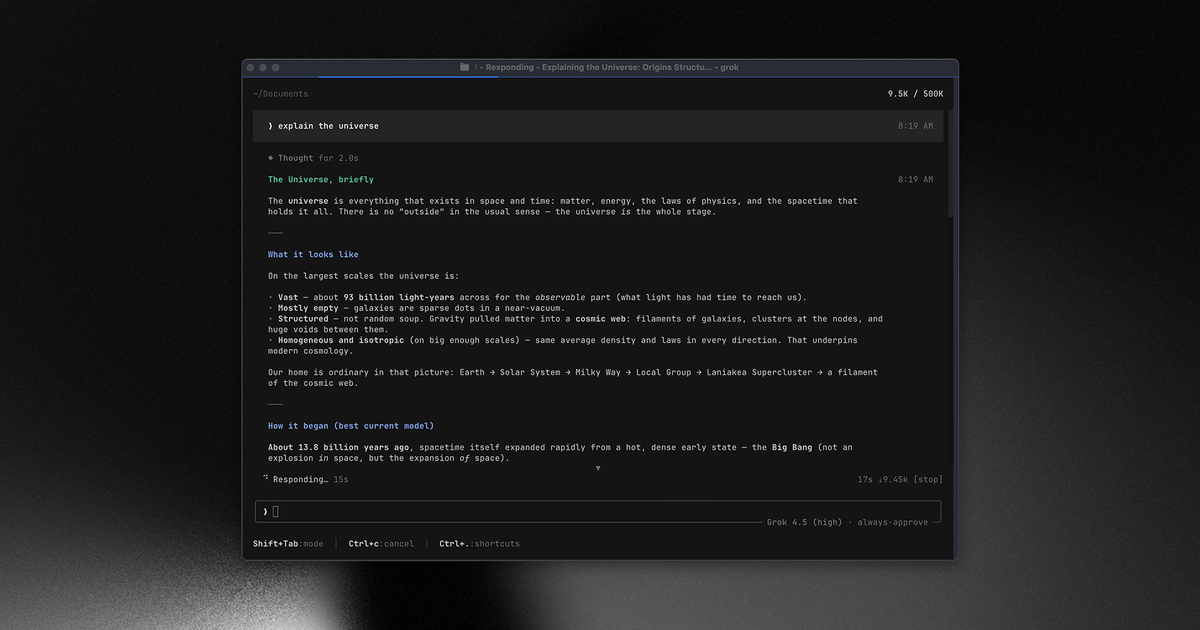
xAI released the source code for Grok Build, its terminal-based coding agent. From a full-screen terminal interface, it can understand a codebase, edit files, run shell commands, search the web, and manage long-running tasks.
Grok Build runs interactively in a terminal, headlessly in scripts and CI, or inside editors through the Agent Client Protocol. xAI offers prebuilt binaries for macOS, Linux, and Windows, and developers can also build it from source with Rust.
The project moves beyond a chatbot that only suggests code. It lets an agent work directly with files and commands inside a development environment. Users still need to authenticate through a browser after installation, and the official repository says it does not accept outside contributions.
That's it for today. From an AI that attacks models to improve their defenses to new hardware and developer tools for controlling agents, AI is taking on a much more hands-on role. We'll be back tomorrow with more. 😄