

The image arena just got a new #1
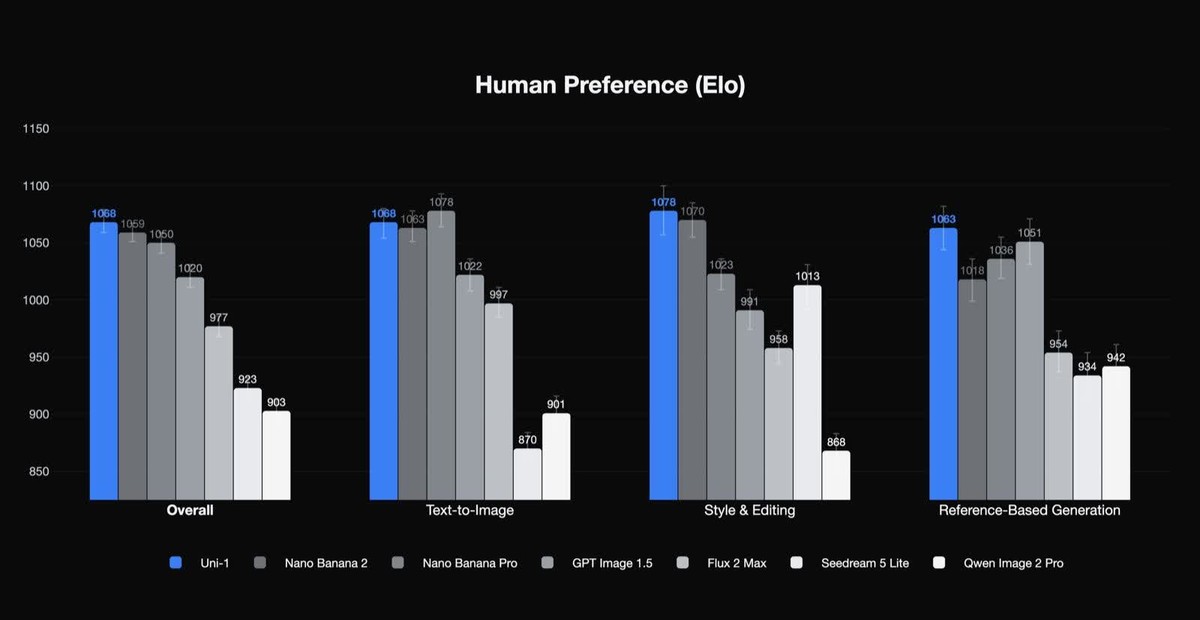
The AI image generation leaderboard just flipped. Luma's new image model Uni-1 claimed the #1 spot in the human preference arena, overtaking Nano Banana 2 in overall ranking, style editing, and reference-based generation.
What's up — Carat crew here. 😊 The image arena has a new champion, an AI agent ran 700 experiments on its own, and a "non-viral image" prompt blew up. Let's get into it.
🔥 The image arena just got a new #1
The AI image generation leaderboard just flipped. Luma's new image model Uni-1 claimed the #1 spot in the human preference arena.
It overtook Nano Banana 2, which had been holding the top position, and also ranked first in style editing and reference-based generation. It came in second for text-to-image.
What makes this model different is its architecture. Most image models separate understanding from generation. Uni-1 does both in a single forward pass — it analyzes the prompt and creates the image simultaneously within one model. Nano Banana Pro also uses reasoning, but it's built on top of Gemini, a general-purpose LLM. Uni-1 was designed from the ground up as an image-native model.
📌 3 stories for today
1️⃣ An AI agent ran 700 experiments and found the answers itself
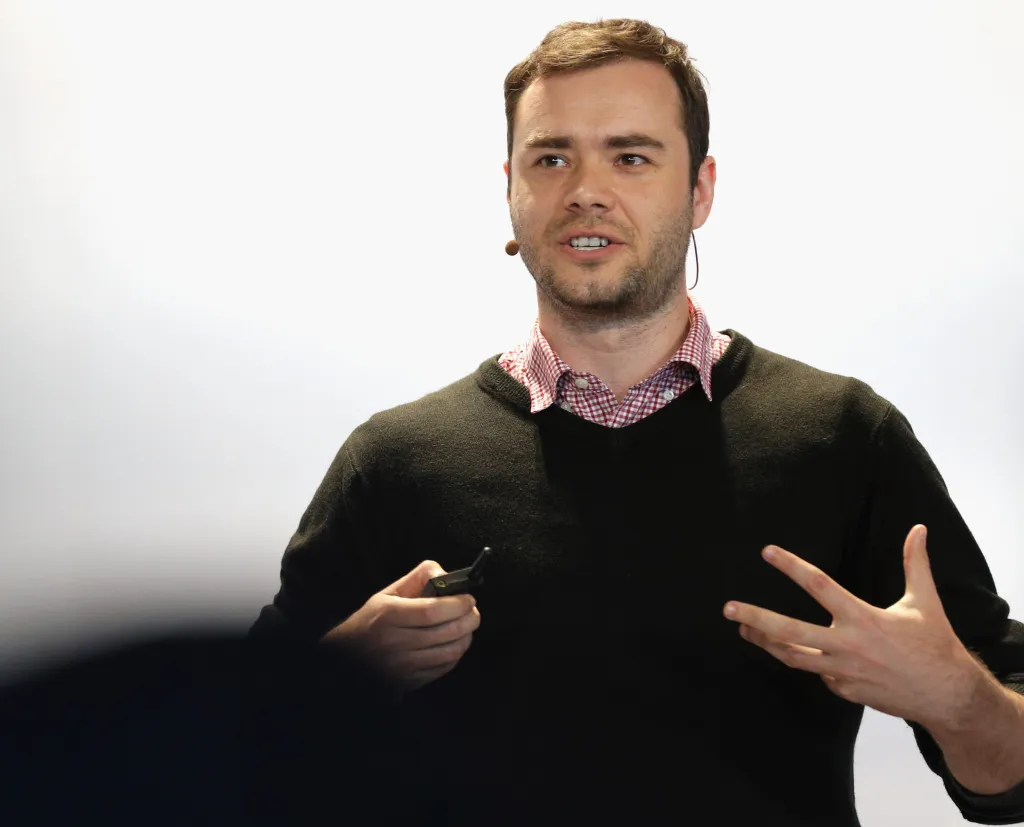
Former Tesla AI lead Andrej Karpathy released an "autoresearch" system.
Built with just 630 lines of Python, this agent autonomously ran 700 experiments over two days without any human intervention. It discovered 20 optimization methods on its own, and applying them sped up AI training by 11%.
Shopify CEO Tobias Lütke tried it too. Overnight, it ran 37 experiments and achieved a 19% performance boost. Karpathy says "any metric you care about can be autoresearched by an agent," and he plans to scale this into hundreds of agents running experiments in parallel.
2️⃣ The big four AI video models, compared side by side
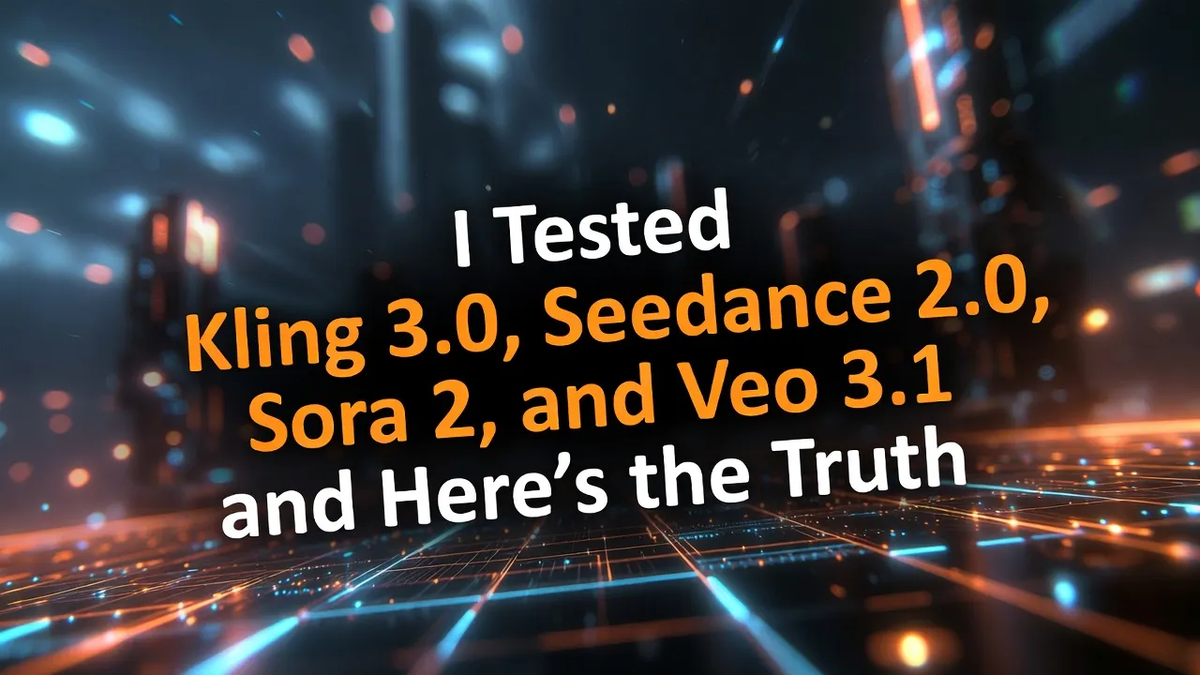
Medium blogger Kevin Gabeci put four models to the test in real production work: Kling 3.0, Sora 2, Seedance 2.0, and Veo 3.1.
Kling 3.0 was the strongest for human motion. Complex movements like kung fu, dancing, and running had almost no limb distortion or body morphing. Best pick for quick prototyping.
Sora 2 dominated physics simulation. When prompted with "a glass crashing on the floor," it accurately calculated the shatter pattern, liquid physics, and reflections.
Seedance 2.0 stood alone in input flexibility. It's the only model that can reference up to 9 images, 3 videos, and 3 audio files simultaneously. Its global launch is still pending, though.
Veo 3.1 won on cinematic quality. It outputs at true 24fps cinema standard with professional color grading and depth of field out of the box. The trade-off: 8-second max duration and premium pricing.
3️⃣ The hottest thing in AI communities right now? Cats.
There's one subject dominating the top of AI video communities right now: cats. Yesterday's most popular clip was a "Master Feline" video where a human and a cat have an intense martial arts showdown, only for the cat to end it with the classic feline finishing move: knocking a cup off the table. The serious-to-absurd twist is what makes it land.
🧪 Prompt tip of the day
"Make me an image that will never go viral"
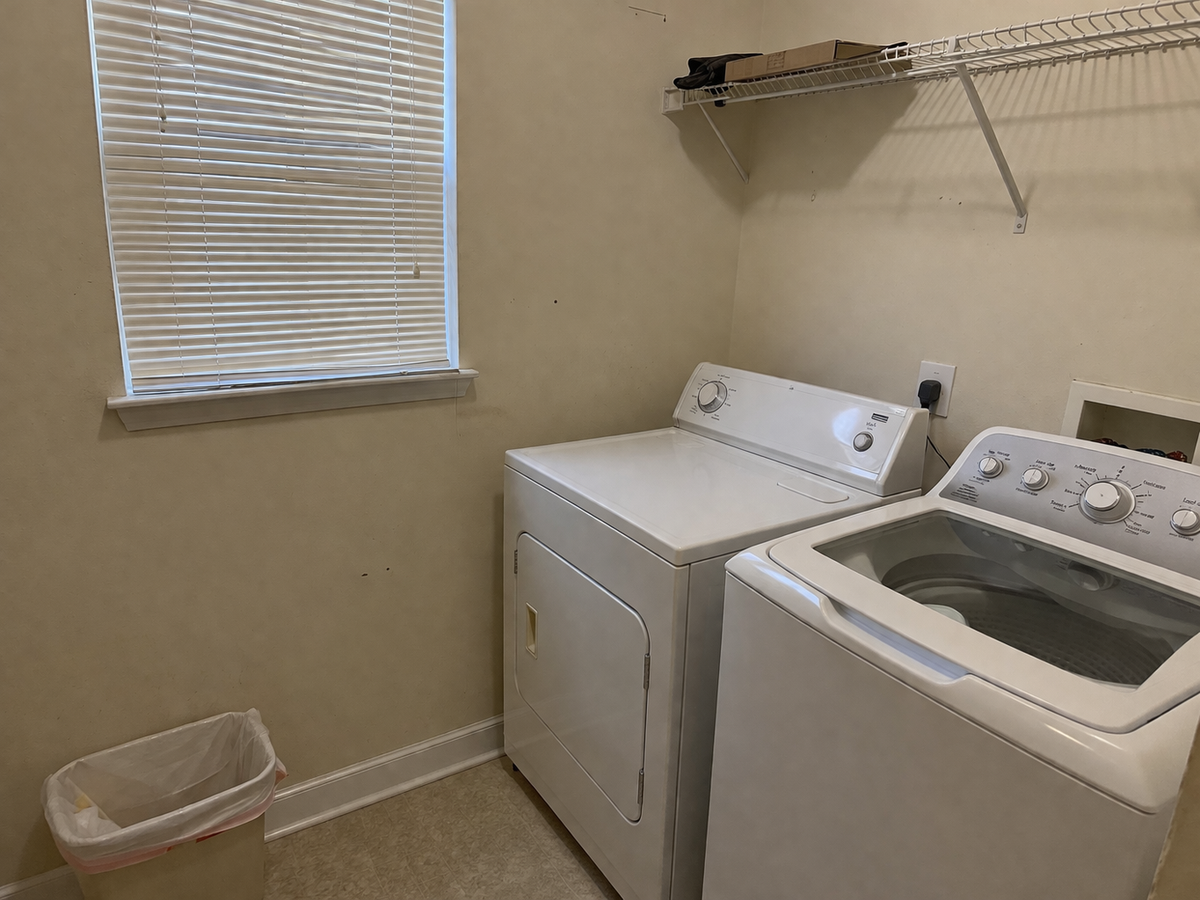
Someone asked ChatGPT to "make an image that will absolutely never go viral." What happened? That image got over 10,000 likes and completely blew up. The paradox became the hook. The way AI interprets "an image that won't go viral" is inherently amusing. It tries so hard to be boring that the result becomes oddly fascinating.
Prompt:
Make an image that will absolutely never go viral.
Something so perfectly boring and mundane that no one on the internet would ever care about it.
Here's what we got when we ran the same prompt on Carat ↓

The key here is the "negative condition." When you tell AI "don't do this," it actually fixates on those elements, producing awkwardly in-between results. That's what makes the output unintentionally funny. Try it yourself with ChatGPT Image on Carat. The results change every time, so it's fun to run it multiple times.
Give today's prompt tip a try. You'll get a good laugh seeing how AI interprets "boring" ☺️
More articles
 GPT 6 Astra Prompt Guide | Official Traits, Task-Type Skeletons, and How to Prompt It Without StallsCarat Editor · 2026.09.18
 AI BL Drama Explained: Where to Watch and How to Make OneCarat Editor · 2026.09.17
 GPT 6 Astra Video Production and Editing: The Complete Guide | How to Use It, Render Models, CostCarat Editor · 2026.09.15