carat

Prompt Gallery

/

Face Reading

Login
Sign Up

Face Reading

Explore the art of physiognomy with AI. Generate detailed portraits based on traditional Korean face reading principles.

2026.07.08

·
GPT 이미지 2로 생성한 face reading

face reading

GPT Image 2· Image
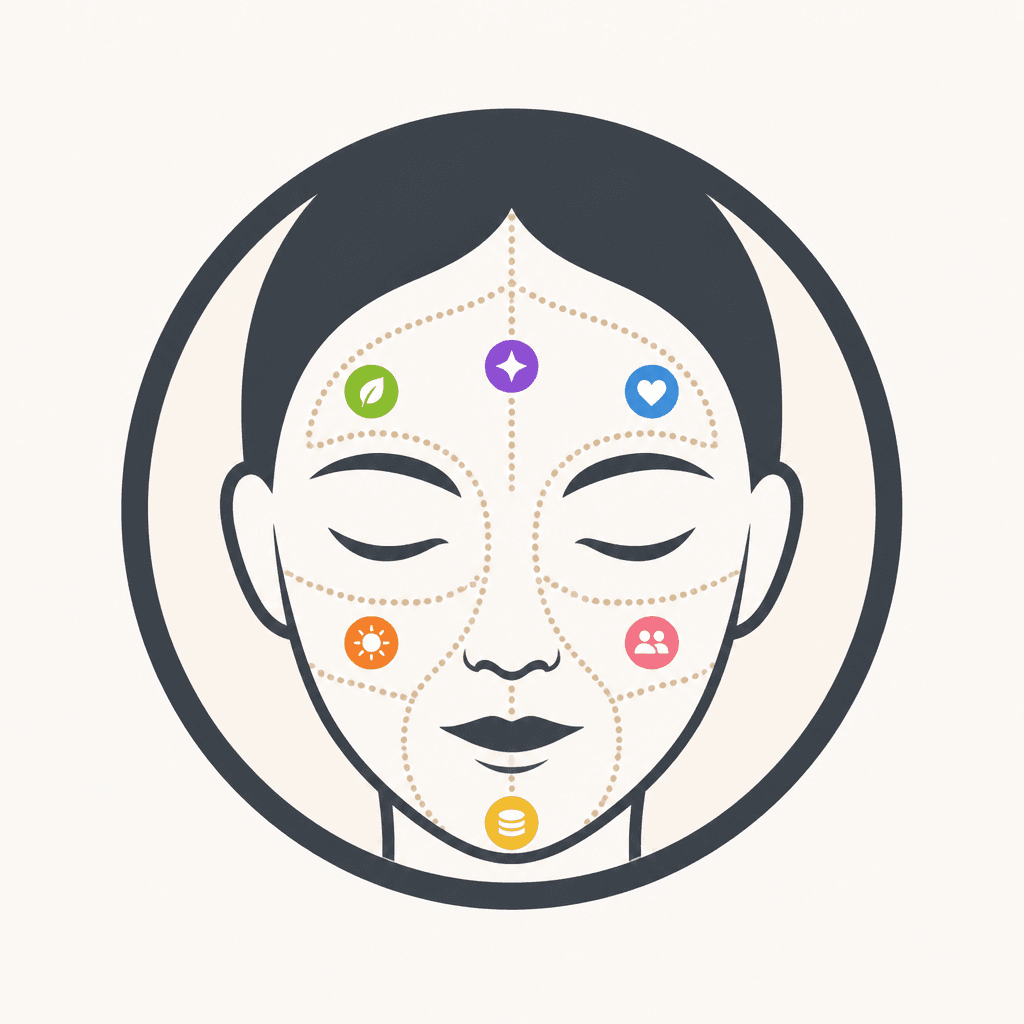
Minimalist icon design for a face reading app, clean face silhouette symbol with fortune zone markers. minimal geometric icon design, crisp vector edges, balanced negative space, scalable UI mark. symmetrical layout with calm negative space. muted neutral palette with a vivid focal color. Make the subject immediately recognizable at thumbnail size. Use clean composition, purposeful details, and no watermark. Keep the result crisp, scalable, and easy to recognize; avoid busy scenes and unreadable micro details.
GPT 이미지 2로 생성한 face reading

face reading

GPT Image 2· Image
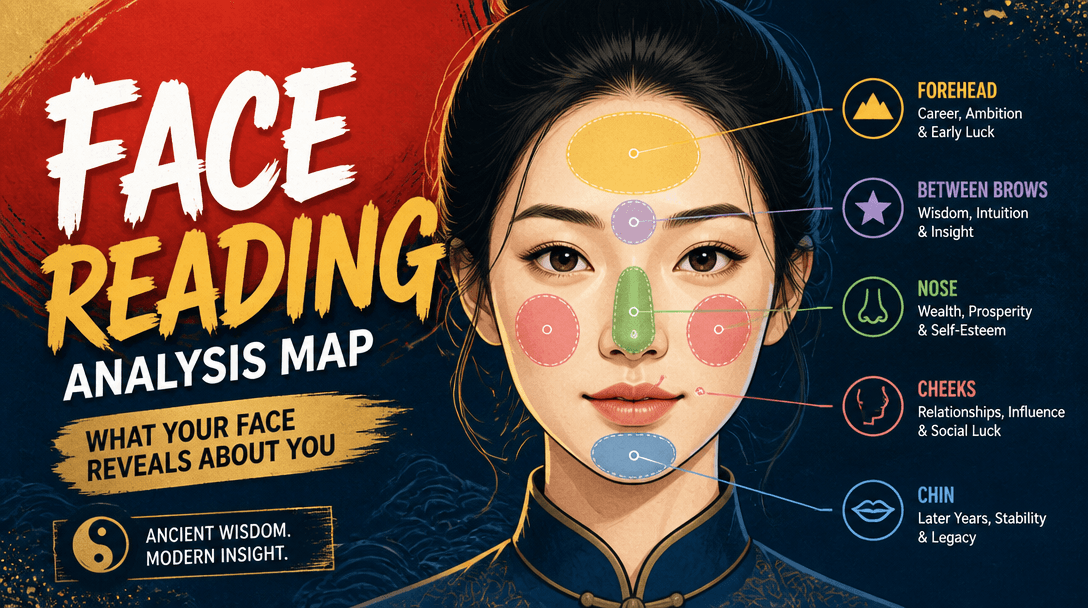
Editorial illustration of a face reading analysis diagram, front-facing Korean face silhouette with pointer lines indicating fortune zones. textured digital illustration, tasteful grain, balanced composition, distinctive shape language. diagonal composition with one strong focal point. high-contrast saturated palette for small-screen readability. Make the subject immediately recognizable at thumbnail size. Use clean composition, purposeful details, and no watermark. Choose the medium intentionally; do not default to any single decorative style.
AI-generated Face Reading Report made with GPT Image 2

Face Reading Report

GPT Image 2· Image
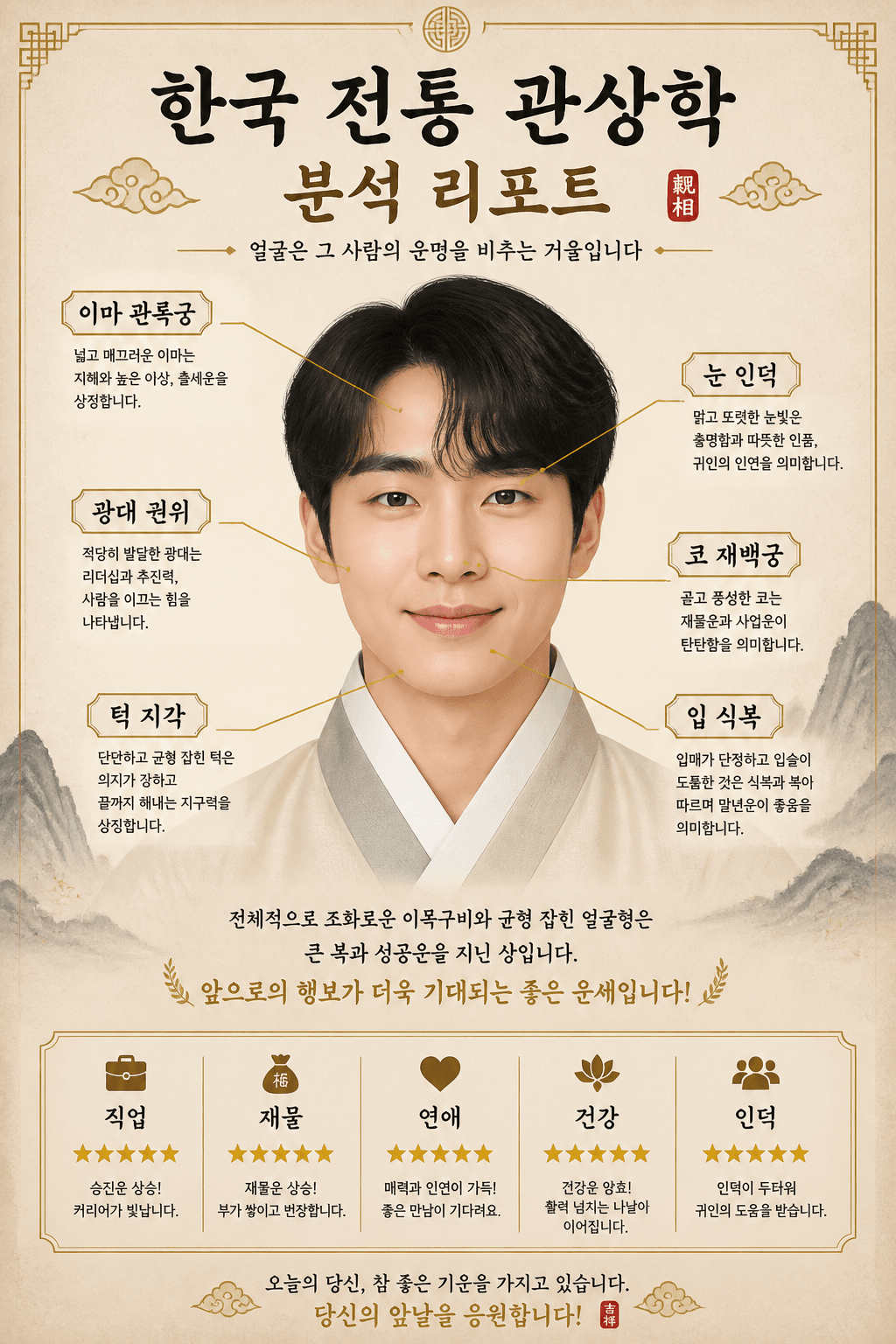
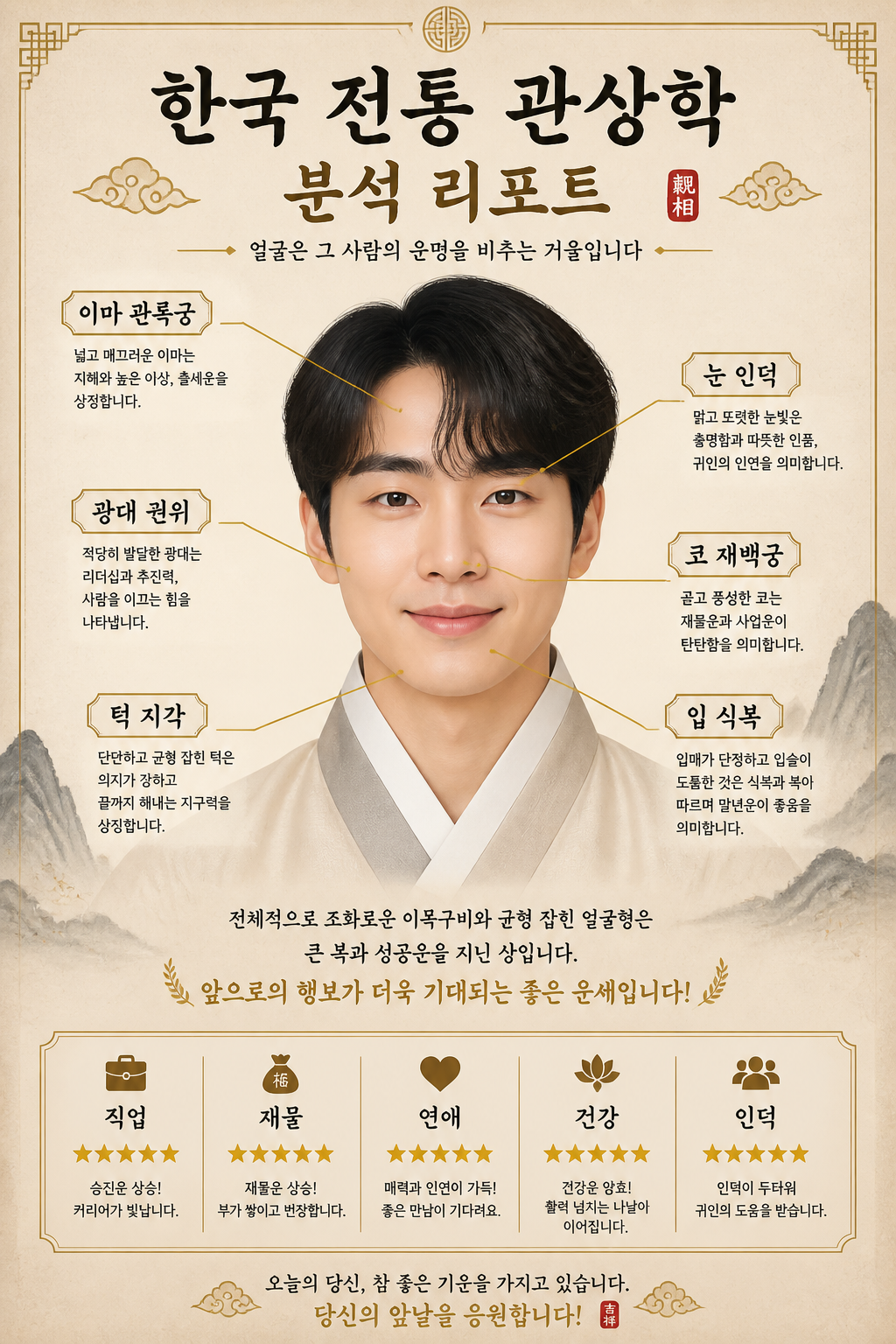
첨부된 인물 사진을 참고해서 한국 전통 관상 분석 리포트형 인포그래픽으로 만들어줘. 얼굴 사진을 중앙에 배치하고, 따뜻한 한지 베이지 배경, 먹색과 골드 포인트, 얼굴 부위별 얇은 화살표와 라벨을 사용해줘. 문구는 '한국 전통 관상학 분석 리포트', '이마', '관록궁', '눈', '인덕', '코', '재백궁', '입', '식복', '턱', '지각', '광대', '권위', '직업', '재물', '연애', '건강', '인덕'이 읽히게 넣어줘. 모든 해석은 재미용의 부드럽고 긍정적인 톤으로 구성해줘.

The Ancient Science of Physiognomy

Face reading, or physiognomy, is a venerable practice rooted in East Asian traditions, particularly in Korea where it is known as 'Gwansang'. It suggests that an individual's facial features-their shape, size, and positioning-can reveal their destiny, wealth, and personality traits. In the era of artificial intelligence, this ancient wisdom provides a fascinating framework for character design. By integrating specific physiognomic markers into AI prompts, creators can generate portraits that carry an inherent narrative weight. Whether you are looking to depict a 'noble leader' with a high forehead or a 'cunning strategist' with sharp eyes, understanding the language of face reading allows for a more intentional and culturally rich creative process. This approach moves beyond mere aesthetics, tapping into deep-seated psychological and cultural archetypes that have been studied for centuries.

Defining Key Facial Features in Prompts

To achieve a portrait that adheres to face reading principles, one must be meticulous with descriptive keywords. For instance, the 'T-zone' is often associated with career and ambition; prompting for a 'strong, straight nasal bridge' and 'well-defined brow ridges' can communicate authority. The eyes, often called the 'windows to the soul', require descriptions like 'clear irises with a calm gaze' or 'sharp, phoenix-shaped eyes' to denote intelligence or luck. Don't forget the 'philtrum' and lips, which in Gwansang represent one's health and communication style. Using phrases like 'deep and long philtrum' or 'well-defined vermilion border' can add layers of authenticity to your AI characters. By breaking down the face into these specific segments, you provide the AI model with the necessary constraints to produce a specialized and meaningful human portrait rather than a generic face.

Lighting and Composition for Character Depth

The way a face is lit and framed significantly impacts how its 'reading' is perceived. For a traditional Gwansang aesthetic, 'Chiaroscuro lighting' or 'strong side lighting' is highly effective as it emphasizes the contours and depth of facial features, making the bone structure more apparent. A 'close-up portrait' or 'bust shot' is standard, ensuring the viewer's focus remains entirely on the subject's countenance. Consider the color palette as well; earthy tones and warm, amber lighting can evoke a sense of history and wisdom, while a cold, high-contrast look might suggest a more modern, analytical interpretation of face reading. Compositionally, maintaining 'perfect facial symmetry' is often key in physiognomy to represent a balanced and harmonious life, so including 'perfectly symmetrical facial features' in your prompt is a wise choice for creating a high-status character.

Cultural Context and Stylistic Variations

While face reading is a traditional concept, its visual representation can range from hyper-realistic photography to stylized art forms. For a historical feel, you might combine physiognomy prompts with 'Joseon dynasty Hanbok' and 'vintage film grain' to create an image that looks like a still from a classic Korean drama. Alternatively, applying these principles to 'digital oil painting' or 'ink and wash' styles can result in a more poetic and interpretive piece. The choice of background-such as a misty mountain landscape or a library filled with ancient scrolls-can further reinforce the subject's persona. Even in contemporary settings, applying Gwansang to a modern businessman or a celebrity can offer a unique take on 'the look of success', blending modern fashion with age-old facial symbolism to create a compelling visual story.

Advanced Tips for Photorealistic Results

Achieving professional-grade realism in face reading portraits requires attention to micro-details. Use prompts that specify 'detailed skin pores', 'fine facial hair', and 'subtle skin discolorations' to ground the image in reality. In physiognomy, even a small mole or a faint wrinkle can have meaning, so don't shy away from adding 'a single beauty mark on the cheek' or 'faint smile lines around the eyes'. To ensure the AI doesn't overly smoothen the features, include terms like 'raw photo', '8k resolution', and 'unfiltered skin'. Using negative prompts for 'plastic skin', 'overly photoshopped', and 'blurry features' is essential to maintain the rugged and authentic look necessary for a serious study of a person's face. By mastering these advanced prompting techniques, you can create AI portraits that feel so real and full of character that they seem to tell an entire life story through a single look.

Frequently Asked Questions

Related Prompts

Fortune Telling

Fortune Telling

3 prompts

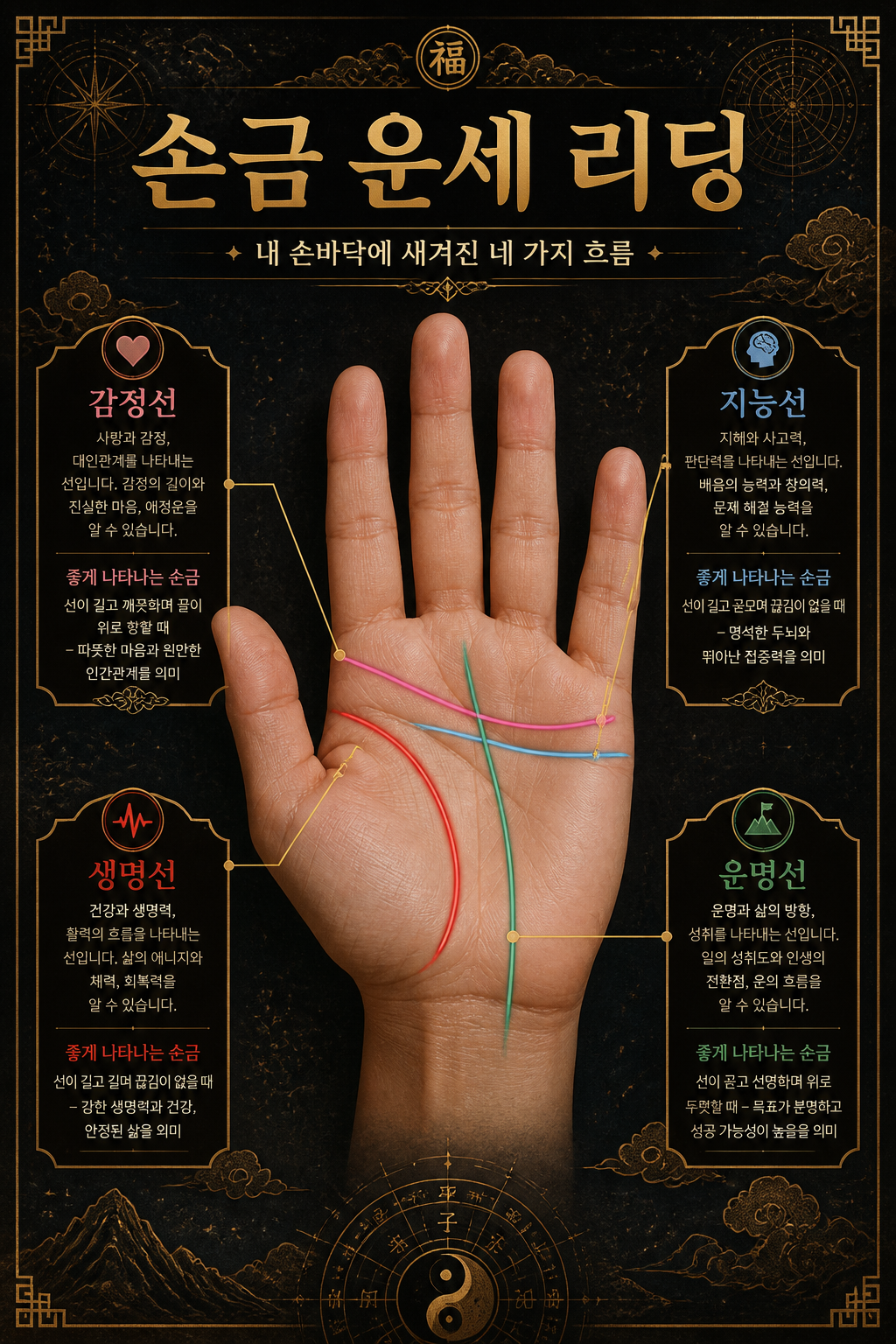
Palm Reading

Palm Reading

3 prompts

Teapot Illustration

Teapot Illustration

6 prompts

Fortune

Fortune

8 prompts

Carat Prompt Gallery

Create trending AI prompts instantly

Prompts

  • Logo
  • PPT Design
  • Thumbnail
  • Poster
  • Web Novel Cover
  • ID Photo
  • Caricature
  • Product Detail Page
  • Banner

Models

  • GPT Image 2
  • Seedance 2.0
  • NanoBanana Pro
  • NanoBanana 2

Carat

  • Get started
  • About
  • Blog
  • Careers
  • Contact
  • Partnership
  • Terms
  • Privacy

© 2026 Paradot.Inc All rights reserved.