AI prompts for retro game console designs. Create 8-bit 16-bit pixel art, retro consoles, vaporwave aesthetics, and arcade game visuals with nostalgic gaming imagery.
2026.07.09


Retro game consoles represent a design aesthetic that reinterprets the gaming culture of the 1980s and 1990s for modern audiences. The visual language of classic consoles like the NES, Super Nintendo, Sega Genesis, and Game Boy continues to influence modern game design, indie games, merchandise design, fashion, and music album art. With AI image generation prompts, you can quickly visualize the pixel art sensibility and vintage hardware design that define retro gaming aesthetics.
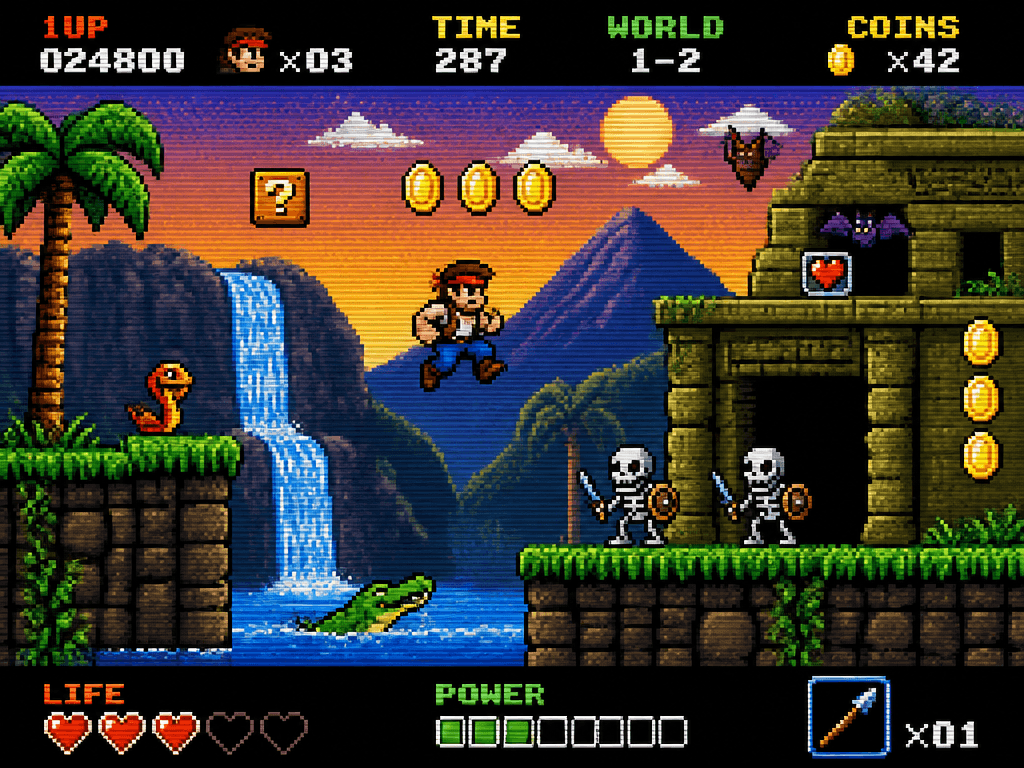
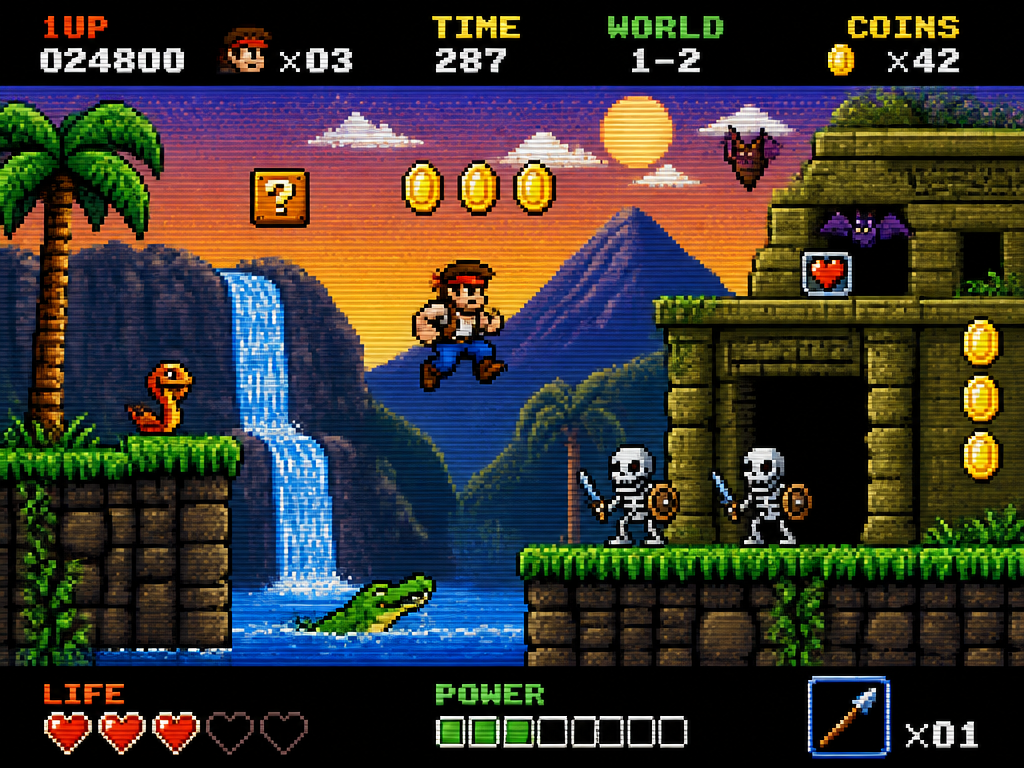
Retro game console prompts use a keyword system that controls pixel resolution (8-bit, 16-bit, 32-bit), color palette (NES 4-color, SNES 16-color, full color), console form factor (handheld, home console, arcade cabinet), game genre (platformer, RPG, shooter, fighting), and era (1980s, 1990s, 2000s). For example, an 8-bit platformer level consists of simple tilesets and limited colors, while a 16-bit RPG map uses more detailed sprites and richer color palettes.
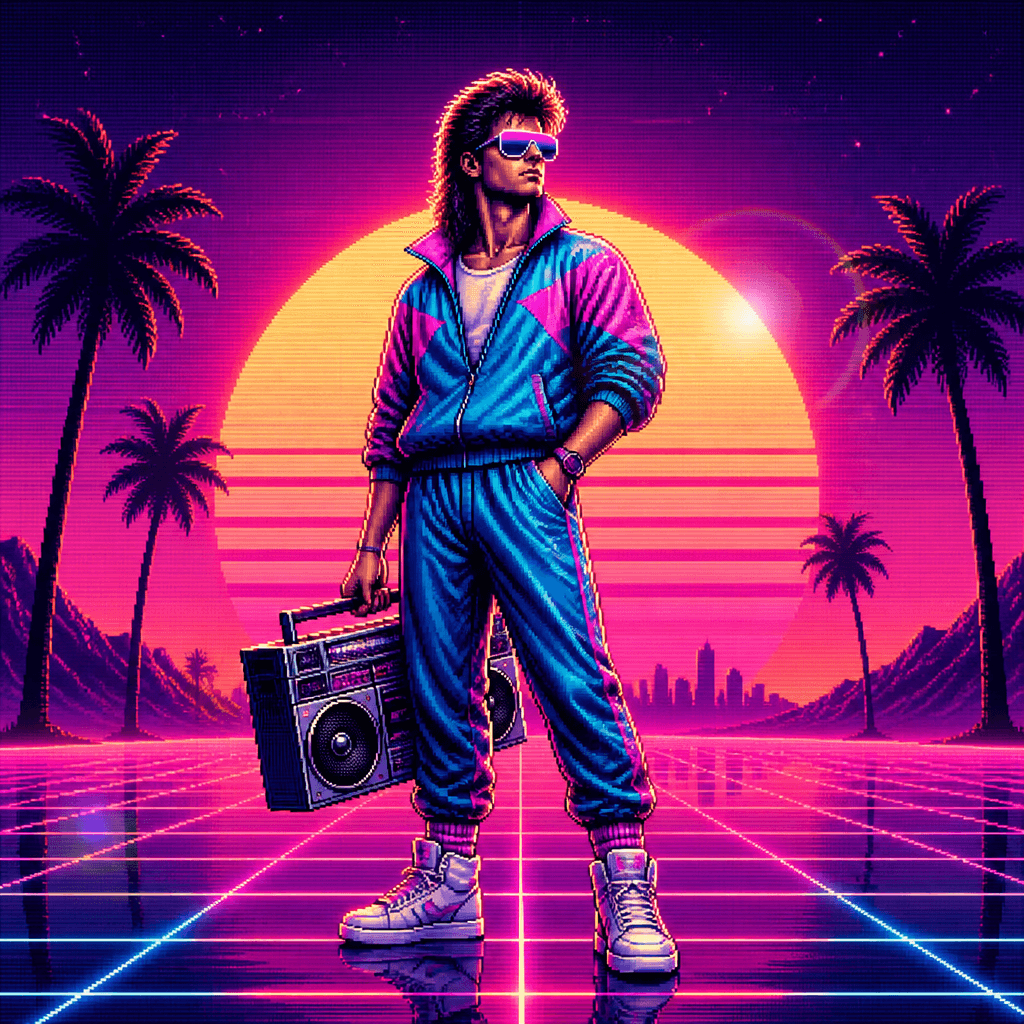
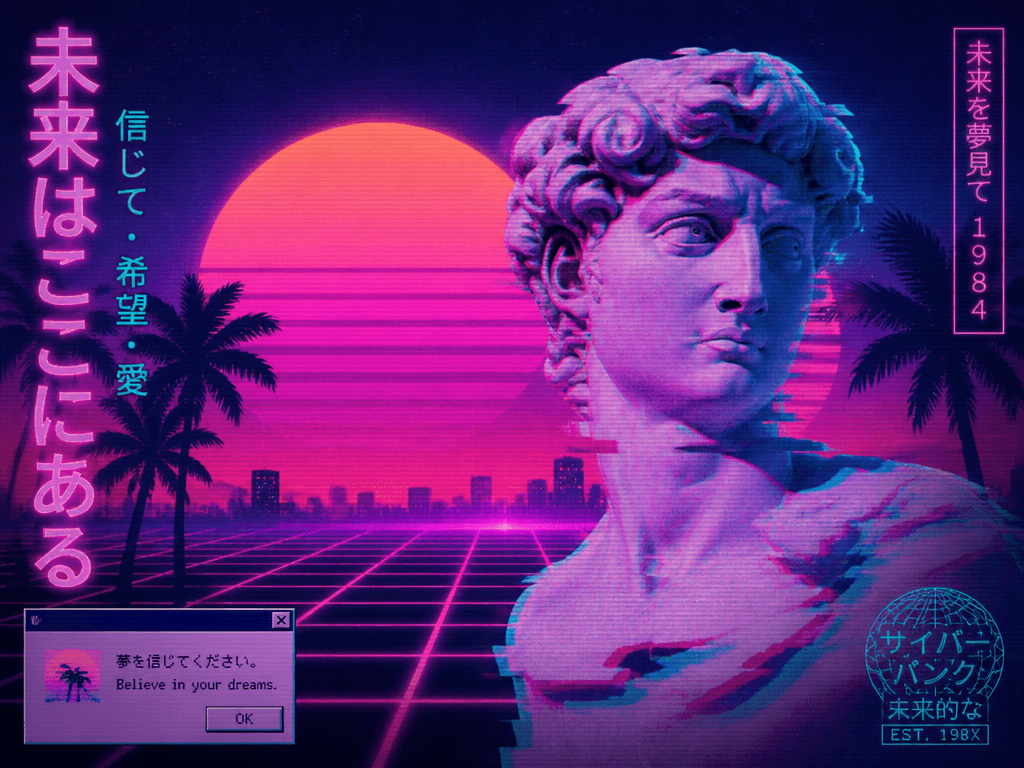
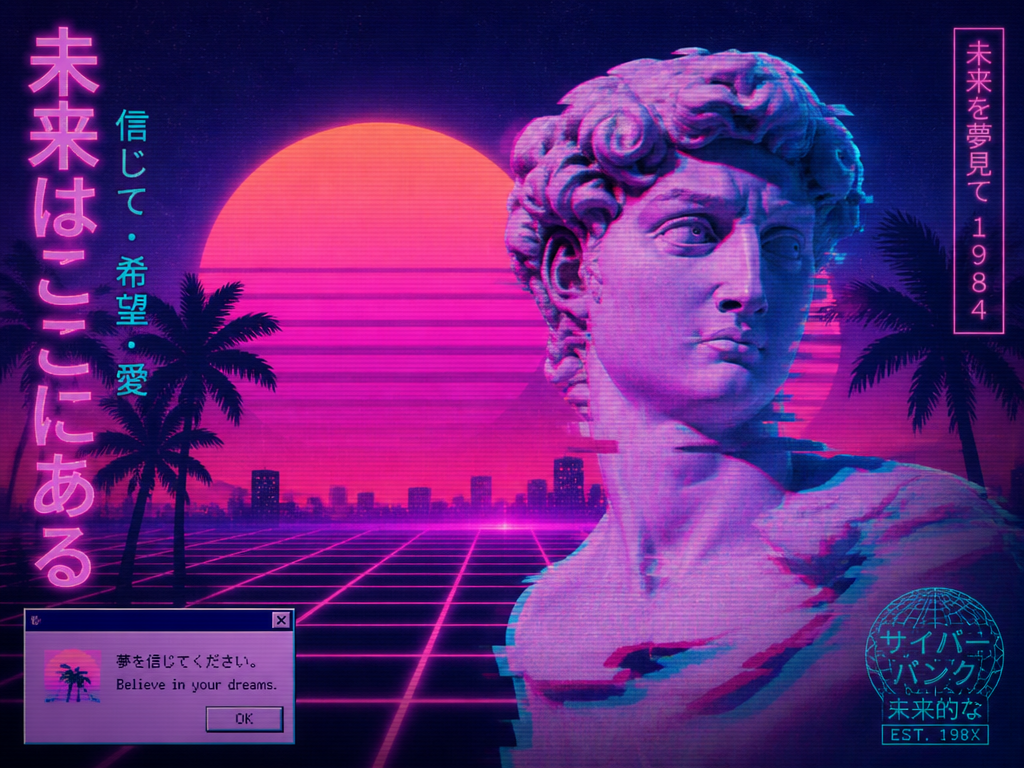
The key advantage of AI retro game console prompts is the ability to accurately reproduce nostalgic aesthetics. CRT monitor scanlines, pixel staircase effects, limited color palettes, and other visual characteristics unique to retro games can be controlled through prompt keywords. Vaporwave, synthwave, and outrun retro-futurism aesthetics can also be incorporated, making these prompts versatile for a wide range of creative projects.
Indie game developers can use retro game console prompts for concept art, title screens, and promotional image creation. The prompts are also useful for game merchandise design including keycaps, stickers, and posters, as well as interior design concepts for retro gaming cafes and VR arcades. Musicians can create retro game-inspired album covers, and fashion brands can design pixel art print patterns.
To get the best results from retro game console prompts, clearly specify the target era (1980s vs 1990s), pixel resolution, color limitations, and genre keywords. By starting with Carat's retro game console prompts and combining your own color palette and character style, you can create original retro game visuals that stand out.
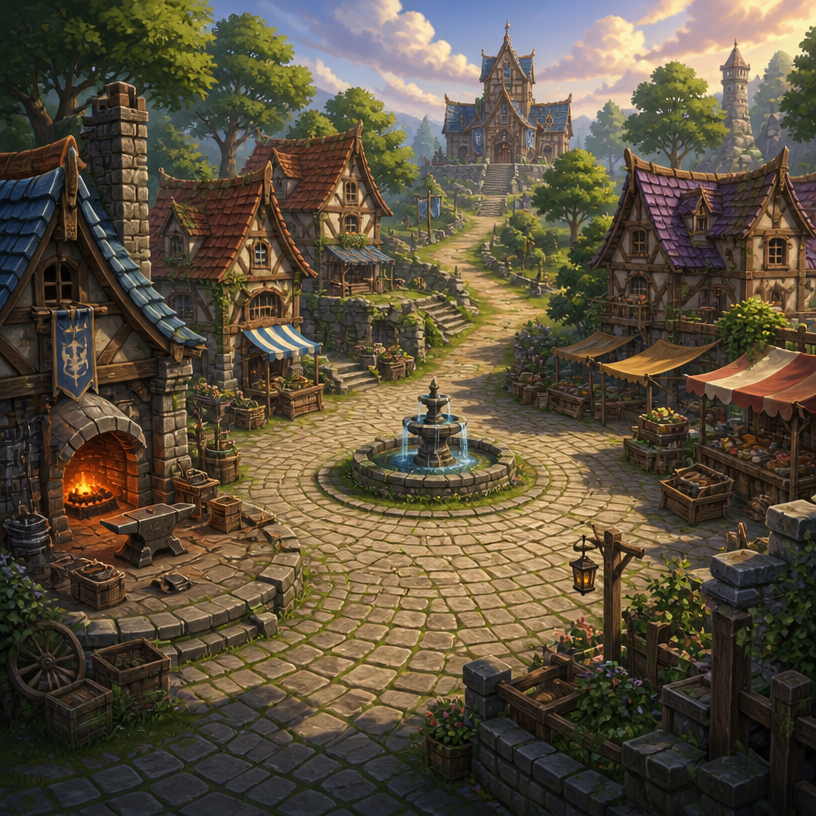
For game developers working on retro-style projects, these prompts can generate consistent visual assets that maintain a cohesive aesthetic across different elements of the game. From character sprites and item icons to environmental tiles and background landscapes, the prompts ensure that all visual components share the same pixel density, color depth, and stylistic approach, which is critical for creating an authentic retro gaming experience.
Beyond game development, retro game console aesthetics have found their way into broader pop culture applications. Event organizers use retro gaming visuals for themed parties and conventions. Graphic designers incorporate pixel art and retro console imagery into marketing campaigns targeting millennial and Gen Z audiences who feel nostalgia for the golden age of gaming. Content creators on YouTube and Twitch use retro game graphics as channel branding, thumbnails, and overlay designs. The versatility of AI-generated retro game console visuals makes them a valuable resource for any creative professional working at the intersection of gaming, nostalgia, and modern design.
Whether you are developing an indie game, designing merchandise, creating marketing materials, or simply exploring the rich visual language of retro gaming culture, AI prompts provide an efficient and flexible way to generate high-quality retro game console imagery that captures the spirit of classic gaming while offering room for creative innovation.