Clothing Design Draft
Explore practical prompts for clothing design draft references and styling studies.
2026.08.14
把「Clothing Design Draft」做成你想要的样子做一个你自己的「Clothing Design Draft」
用大白话说出来就行——Carat 会为你生成合适的图片和视频。

每天 100 免费积分,现在就开始
暂无提示词
What Is a Clothing Design Draft Prompt?
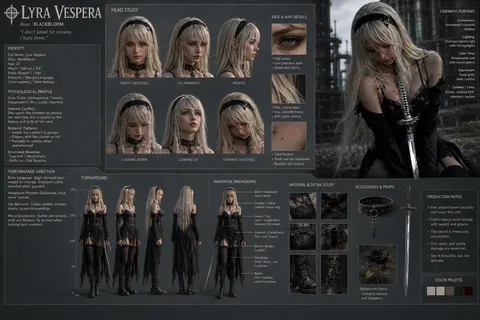
A clothing design draft prompt presents a new garment’s shape and production direction in a readable visual board. Combining a worn look, front and back flats, fabric texture, color swatches, seams, and closures makes an idea easier to discuss. It can support brand planning, capsule collections, stage costumes, character wardrobes, and portfolio development from the first concept through review.
Useful Applications
- Comparing seasonal garment silhouettes
- Explaining a design with front and back flats
- Showing fabric, color, and trim combinations
- Planning a character or performance wardrobe
- Preparing a review board before production
Details That Add Information
Describe the length, ease, neckline, sleeve, pocket, seam, and pleat rather than naming a garment alone. Set the order of the worn view and technical flats, and ask for the same design to remain consistent from front to back. Specify surface and weight for materials such as canvas, wool, or denim, then separate base and accent colors. Enlarged detail panels can make small construction decisions easier to review and annotate.
Prompt Construction Tips
- Define the garment subject and overall silhouette first.
- Request front and back flats, a worn pose, and detail enlargements.
- Describe fabric, color, seams, buttons, and zipper placement.
- Set a clear board order and enough spacing between panels.
- Keep measurements and final patterns in a separate production document.
Creative Directions
Compare the same concept in basic, oversized, and cropped proportions. A second board can change only the material to explore seasonal or price-point variations. For a collection, repeat a shared palette and a few recognizable details to maintain visual continuity across looks. Treat the generated image as a concept and communication aid, then verify construction information separately before manufacturing.
常见问题
Start with silhouette, length, material, and color, then set the order of flats, worn views, and detail panels.
Use it as a concept and review aid. Measurements, patterns, and construction specifications should be checked in a separate production document.
It visualizes clothing design draft as a reference for styling boards, consultations, or concept planning.
Yes. Copy the wording and change the subject, color, angle, or material conditions to fit the brief. Actual generation follows the service terms.
Yes. Describe structure, material, lighting, background, and framing in words. A reference image can help preserve a specific feature when available.
Keep the panel count, background, and lighting fixed, then assign one clear change to each panel so the differences remain readable.
Ask the model to exclude brand names, logos, and random lettering, and request a clean background without decorative text.