Food Plating
Prompts for arranging food to highlight shape, color, texture, and menu photography composition.
2026.07.17
把「Food Plating」做成你想要的样子做一个你自己的「Food Plating」
用大白话说出来就行——Carat 会为你生成合适的图片和视频。

每天 100 免费积分,现在就开始
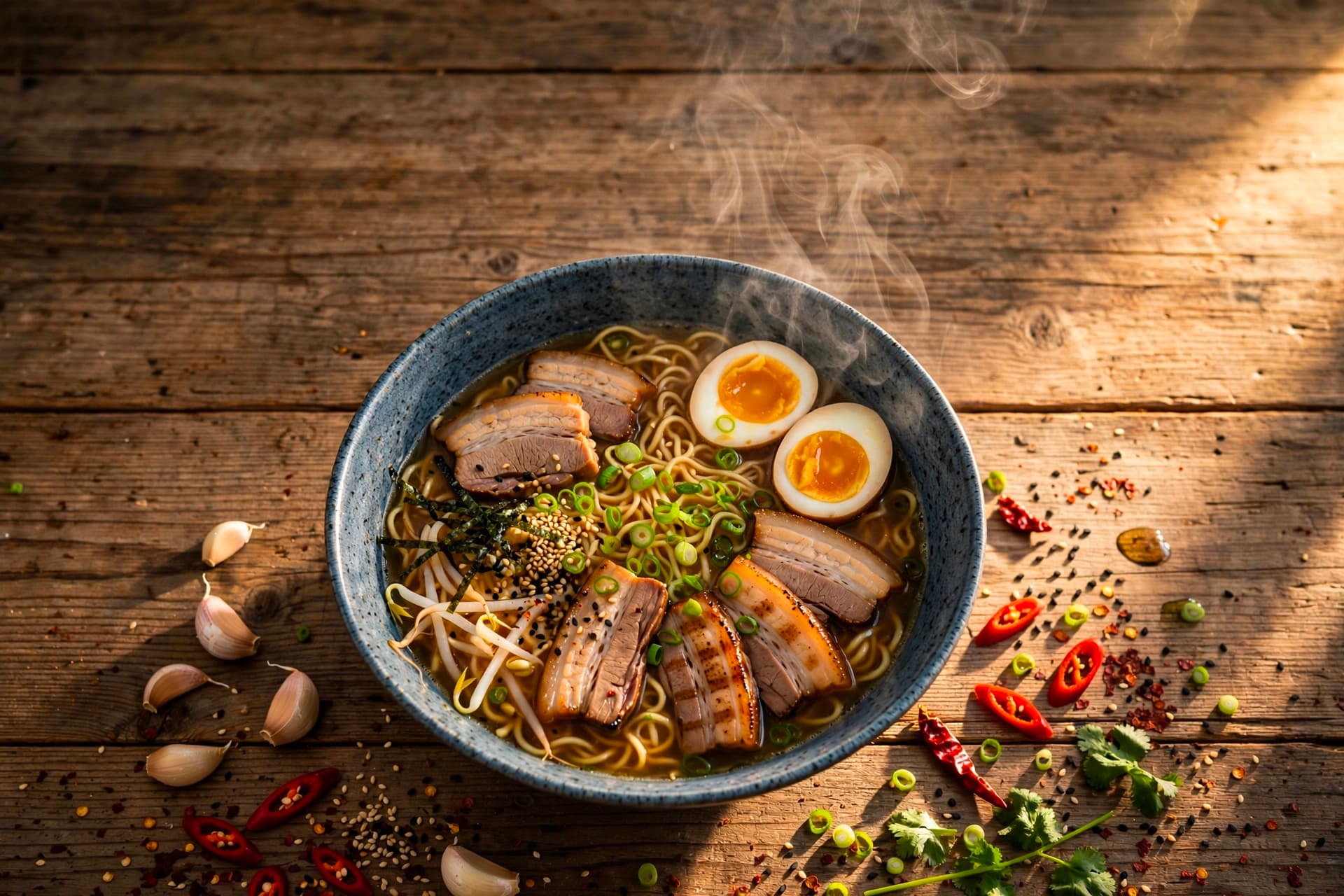
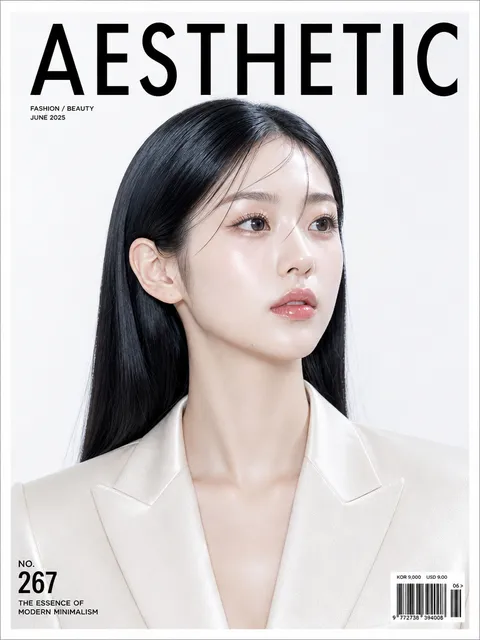
Premium Food Magazine Cover
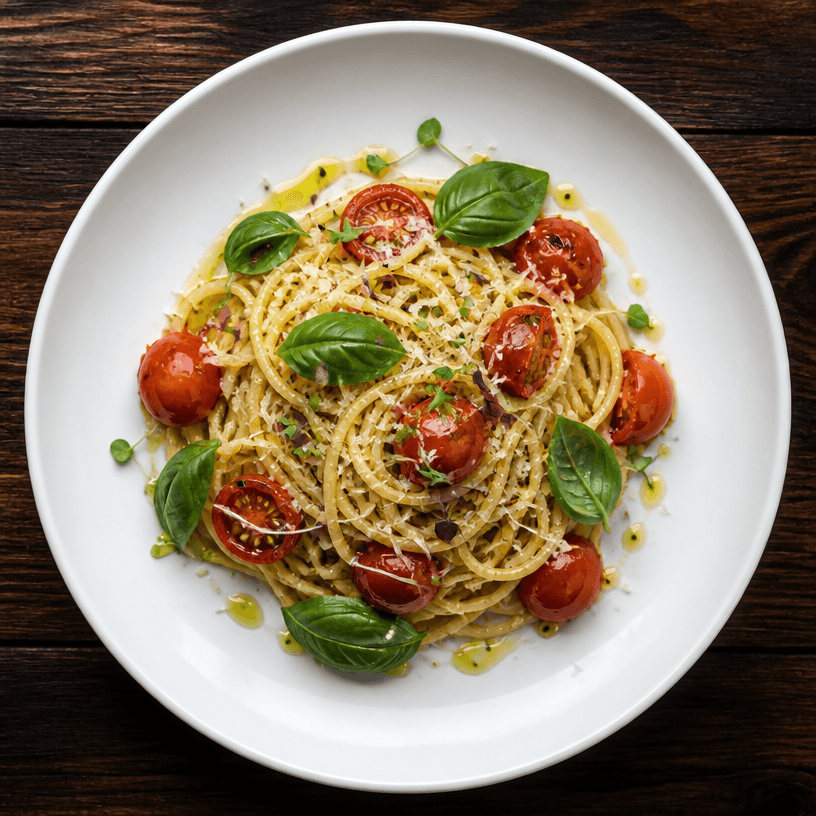
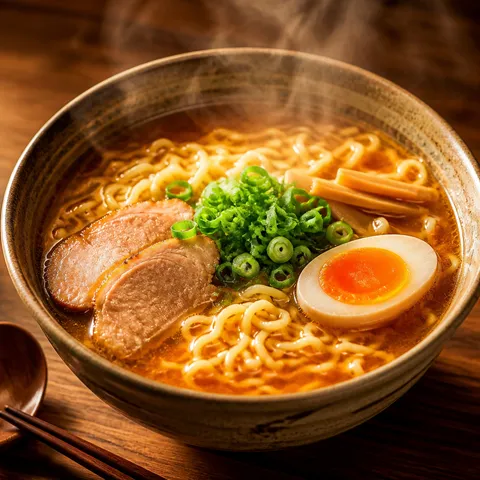
Pasta Plating
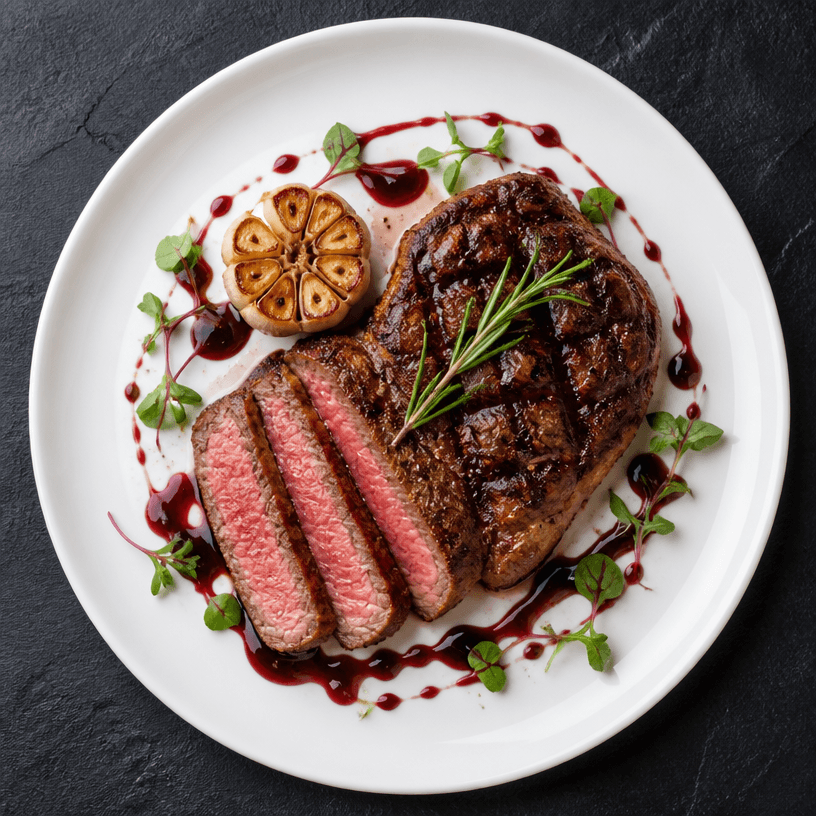
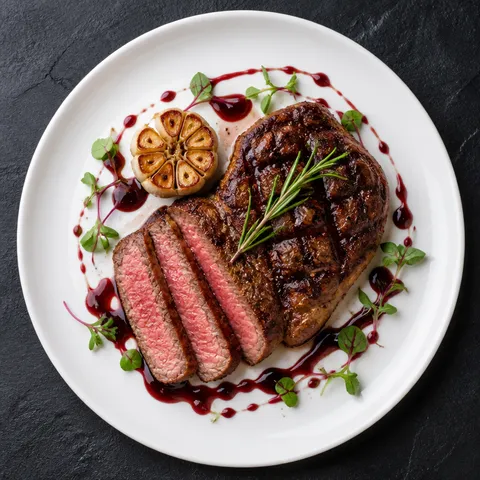
Steak Plating
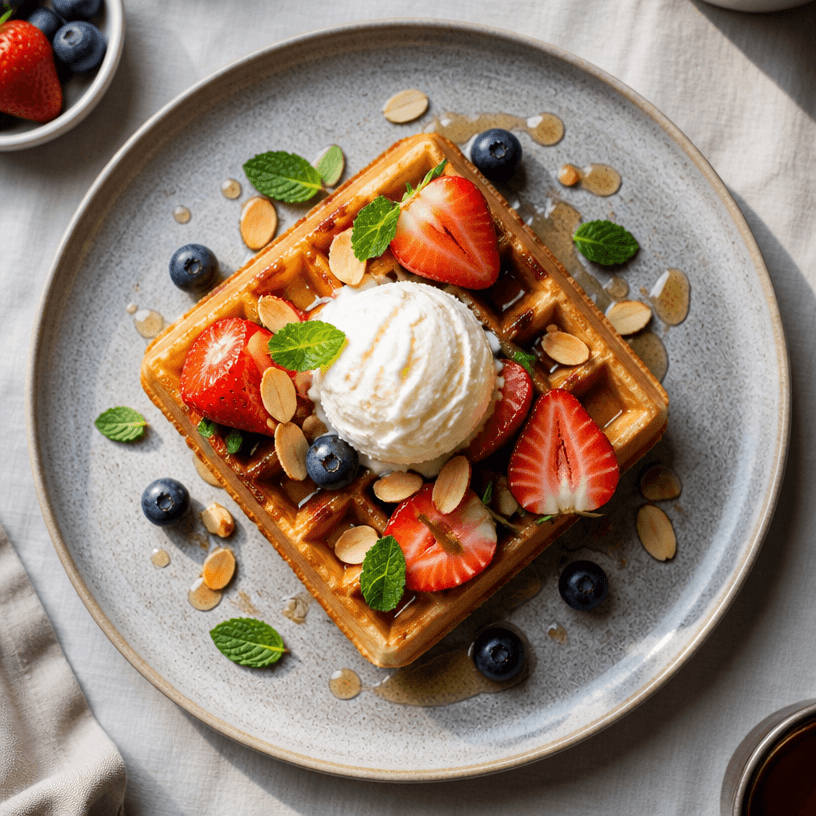
Waffle Plating
What are food plating AI prompts?
Food plating AI prompts describe how ingredients should be arranged and photographed on a plate. Defining the position of the main element, sauce movement, garnish spacing, plate material, table color, camera angle, and light direction produces a more intentional menu visual than simply naming a dish. These prompts are useful for restaurant menus, delivery app images, launch campaigns, recipe cards, and food brand concept boards.
Common use cases
- Hero images for cafe and restaurant menus
- Social assets for a new dish launch
- Food visuals for delivery and online ordering pages
- Finished plates for recipe content
- Concept images for food packaging and campaigns
Elements that shape the plate
Decide what the viewer should notice first. A crisp crust, glossy sauce, fresh herb, or layered interior can become the focal texture. Specify plate shape, negative space, height variation, odd-number grouping, and whether the sauce forms a line, pool, or dots. Choose one camera view, such as straight-on, 45 degrees, or overhead, and describe the light as soft window light or directional studio light. Specific visual constraints help the composition remain deliberate.
Prompt tips
Describe the dish together with its cooking state, ingredient scale, plate material, and background mood. A fine-dining concept may use dark stone and restrained colors, while a cafe menu may use bright daylight and casual props. If copy will be added later, leave clean space around the dish and add brand names or packaging marks in an editor rather than generating them into the image. For a consistent series, lock the camera, background, and color treatment while changing only the dish and accent ingredient.
Final checks
Generated food may differ from the real recipe, serving size, cooking state, or ingredients. Verify allergy, origin, and nutrition information from official sources instead of relying on image text. Compare promotional visuals with the actual menu so customers are not misled. Check that herbs, sauces, cutlery, and plate edges are not repeated or distorted before using the result in public-facing materials.
常见问题
They can create menu hero images, launch assets, delivery visuals, recipe finishes, and concept images for food brands.
It can work, but adding cooking state, plate, sauce, garnish, camera angle, and lighting usually produces a more controlled result.
Use 45 degrees to show height and form, overhead for ingredient arrangement, and a low angle for layers or cross-sections.
Use it for concepts and drafts, then compare it with the actual serving and replace it when the visual could misrepresent the dish.
Leave space for text and add the final wording in an editor because small generated lettering may contain errors.
Keep the lens, background, lighting, plate style, and color grade fixed while changing the dish and accent ingredients.
No. Verify allergy and origin details from official sources and add accurate copy separately during editing.