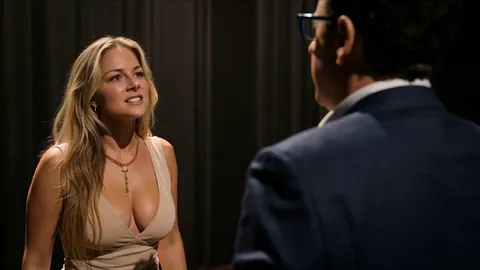
Interview Video
Plan documentary-style interview frames with speaker placement, eye-lines, lighting, and background depth.
2026.07.21
把「Interview Video」做成你想要的样子做一个你自己的「Interview Video」
用大白话说出来就行——Carat 会为你生成合适的图片和视频。

每天 100 免费积分,现在就开始
1960s Radio Debate Dialogue Video
What are interview video prompts?
Interview video prompts describe the camera language and atmosphere needed to present a speaker's words and expertise with clarity. They can specify the speaker's position, the direction of the eye-line, the amount of looking room, whether an interviewer shoulder appears in the foreground, and how much the background should fall out of focus. AI-generated keyframes are useful before a shoot, for YouTube thumbnail planning, brand documentary treatments, and educational video direction.
Choosing a dependable composition
A medium close-up placed on a third is a reliable starting point because it shows expression while leaving room for a conversational eye-line. If the speaker looks toward the left, leave space in that direction so the unseen interviewer feels present. A softly blurred shoulder, notebook, or microphone in the foreground can make the shot feel like a real exchange rather than a static portrait. For direct educational delivery, an eye-level centered frame may communicate more authority and intimacy.
Lighting and background direction
A soft key from a window or large light source keeps facial expression natural. A subtle rim light can separate the head and shoulders from the background without looking staged. Add one or two context objects, such as books, tools, or product samples, to suggest the speaker's field. Avoid a crowded set that competes with the face. A 50mm shallow-depth look focuses attention, while a 35mm frame can reveal more of the working environment when context matters.
Information to include in the prompt
List the speaker's role, interview purpose, camera height, shot size, eye-line, light direction, background objects, color grade, and space reserved for captions. A specialist explaining a process may benefit from a medium shot with visible gestures; a personal testimony may need a closer frame that prioritizes the eyes. Treat generated names and lettering as placeholders and add accurate identity information during editing.
Expanding a keyframe into an edit
Once a reference frame is chosen, create matching front-facing, over-the-shoulder, hand-and-notes insert, and wide-room shots using the same lighting and grade. Keep music low enough for speech, and protect the face and mouth area from unnecessary graphics. Before publishing, confirm appearance consent, quotation permission, and any documents or brand marks visible in the setting. A consistent visual bible makes a short interview feel deliberate even when it is assembled from a small number of shots.
常见问题
A medium close-up usually works well because it captures expression and some gestures while keeping the speaker connected to the conversation.
Leave looking room in the direction of the speaker's gaze for a conversational feel. Use a centered eye-level frame when direct address is the priority.
No. A blurred shoulder, hand, notebook, or microphone can imply the interviewer without taking attention away from the speaker.
One or two field-related objects can establish context. Keep the rest simple and soft so the background supports rather than competes with the face.
Specify a soft side key, a subtle separation light, and natural skin tones for a controlled but believable documentary look.
Yes. Request a closer expression, strong contrast, and clear negative space where a short headline can be added later.
Confirm appearance consent, permission for quoted statements, and the rights or privacy implications of documents and brands visible in the background.