Jewelry Design
Explore high-end AI prompts for jewelry design and visualize luxury accessories with stunning detail.
2026.07.03
把「Jewelry Design」做成你想要的样子做一个你自己的「Jewelry Design」
用大白话说出来就行——Carat 会为你生成合适的图片和视频。

每天 100 免费积分,现在就开始
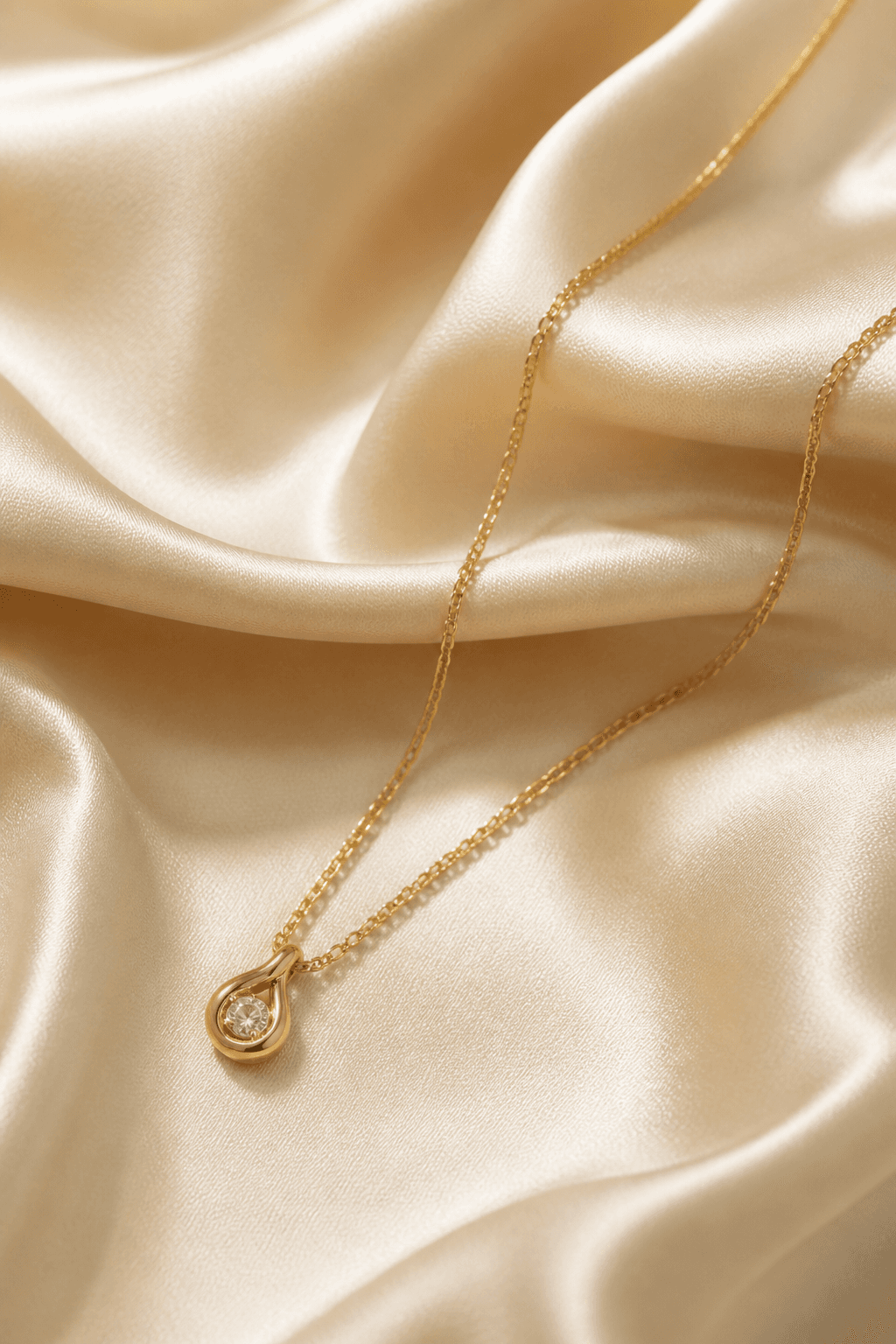
Necklace Flatlay Photo
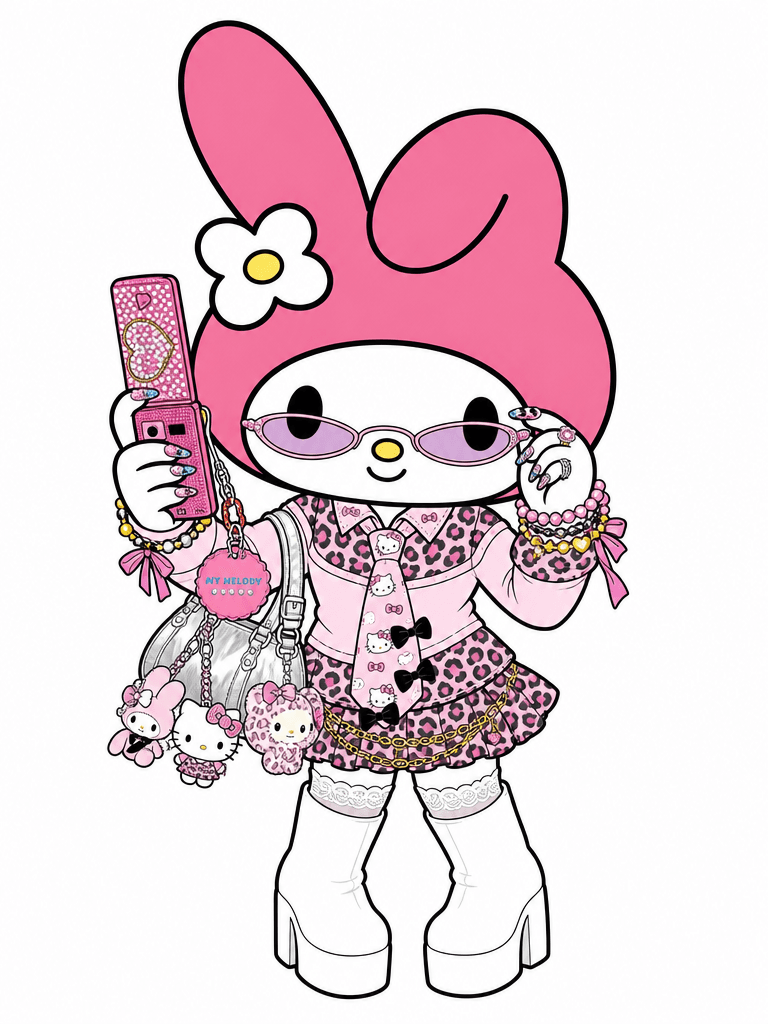
My Melody Gyaru Cosplay Illustration
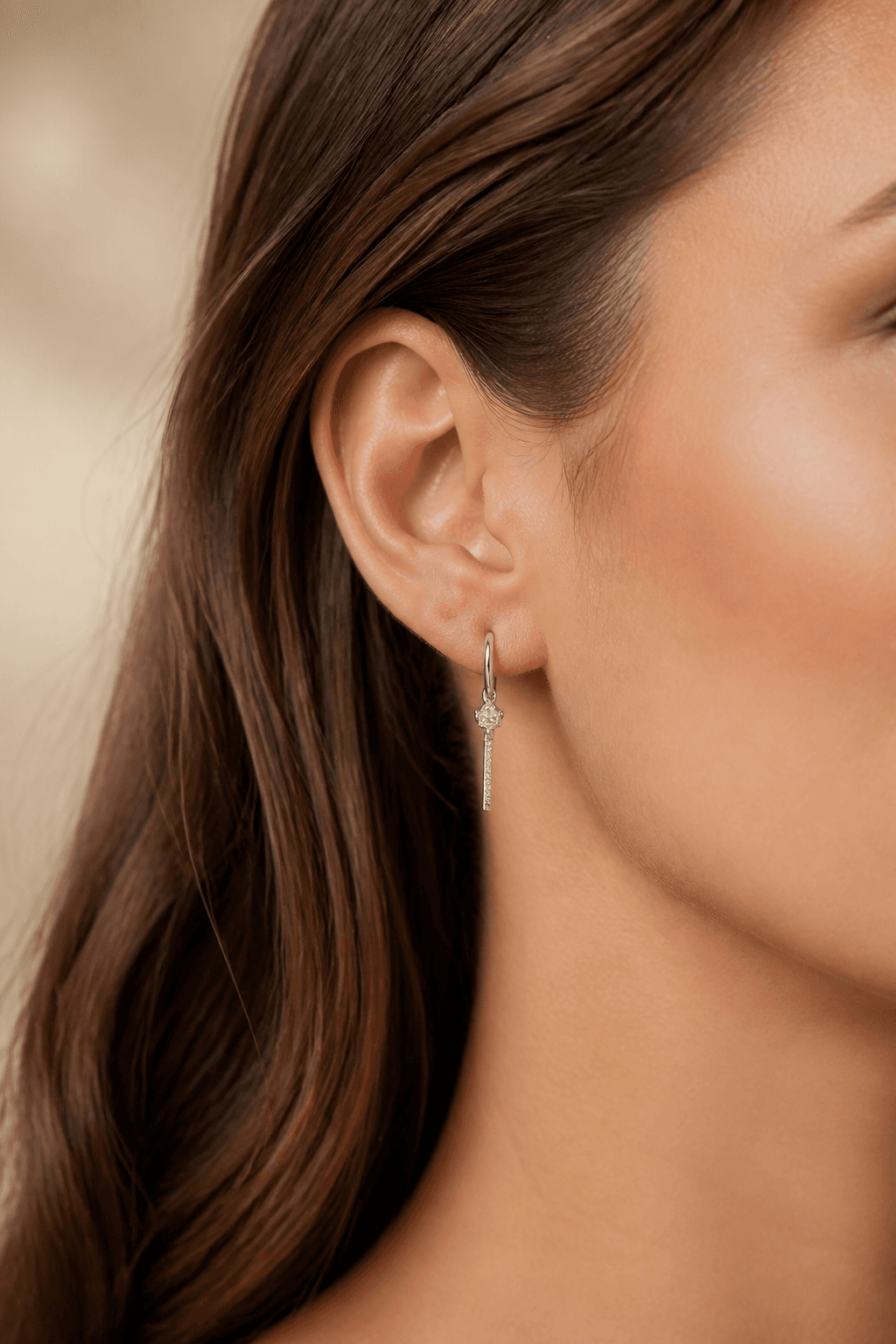
Earrings Model Product Photo
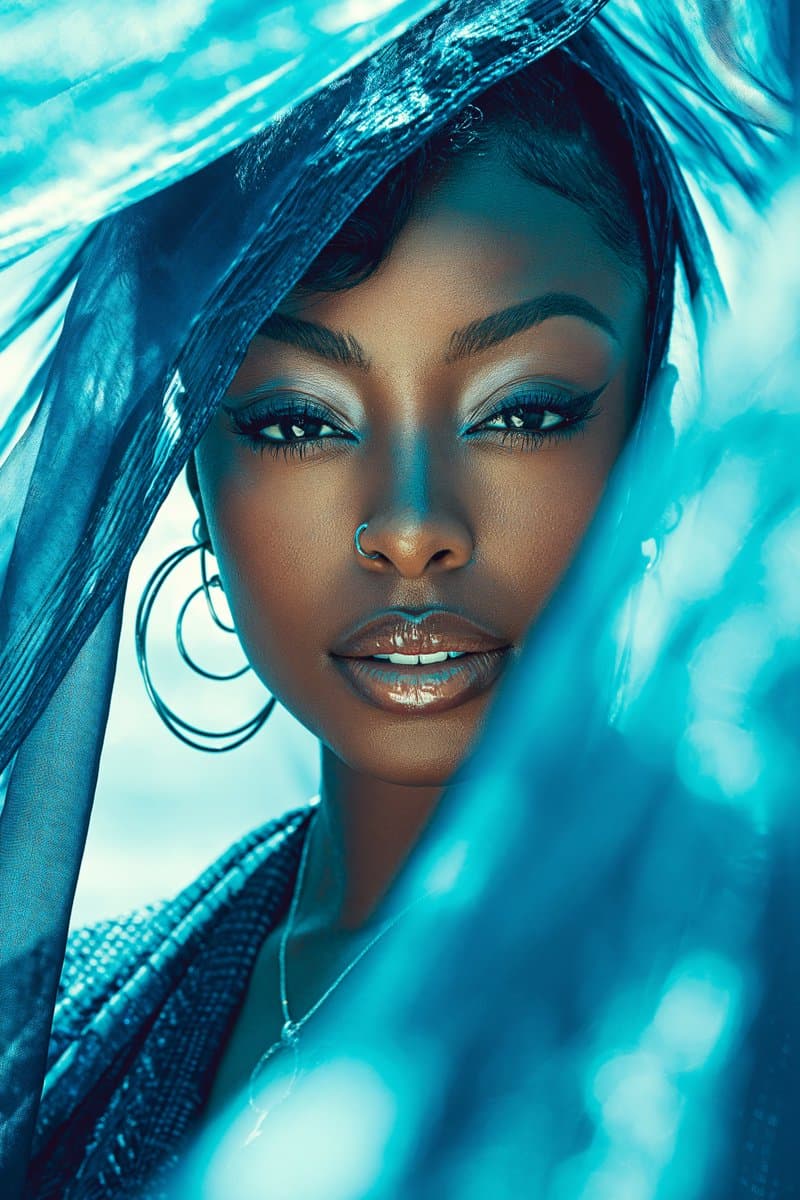
Luxury Glam Beauty Portrait:
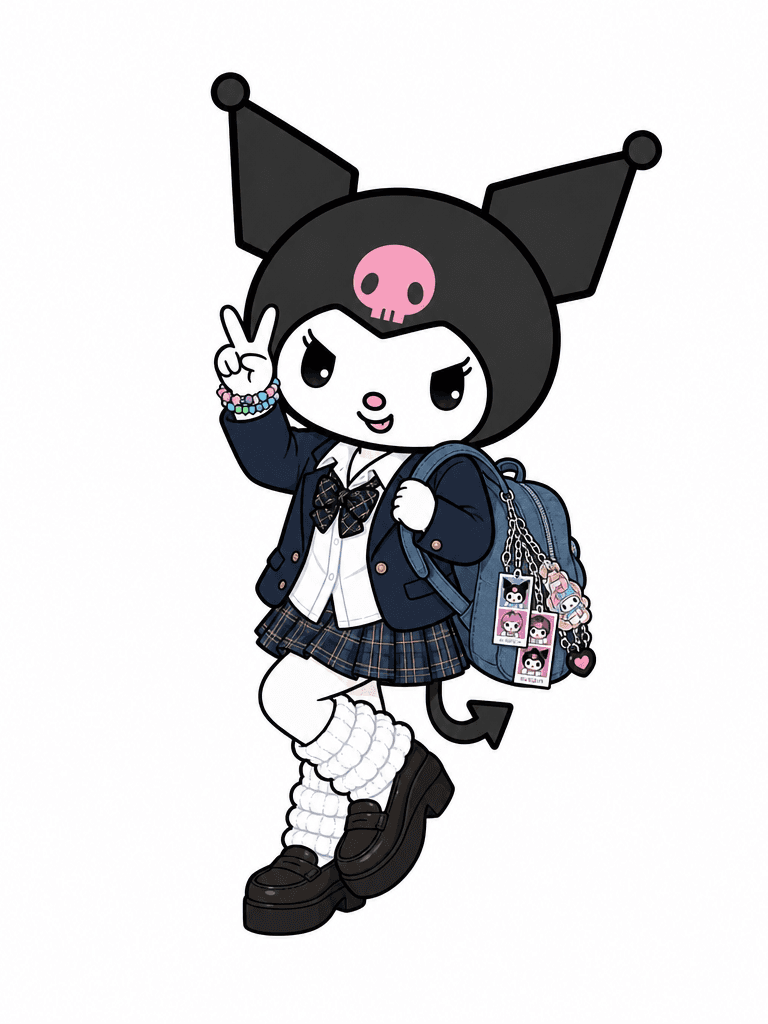
Kuromi Gyaru Cosplay Illustration
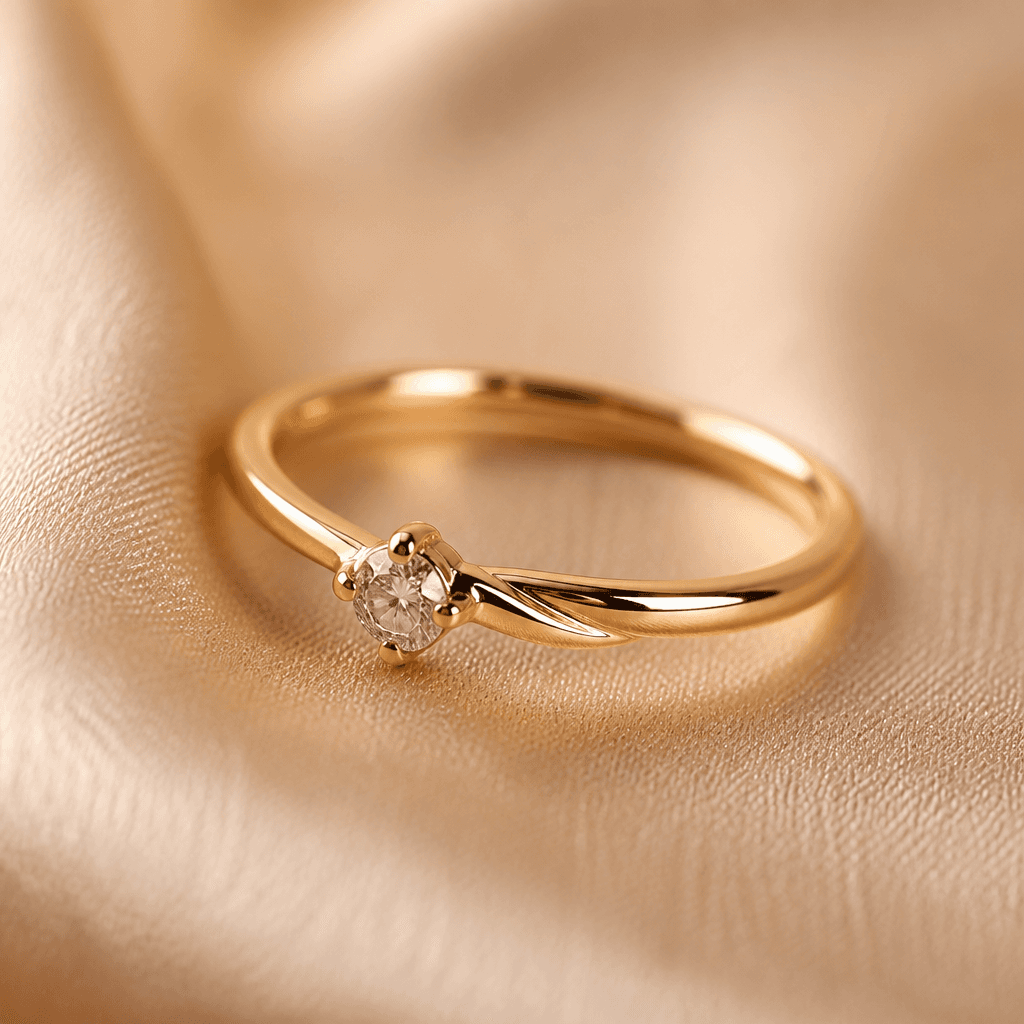
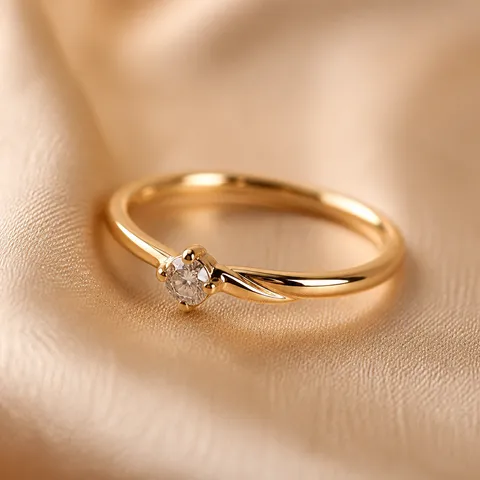
Ring Macro Product Photo
What are Jewelry Design AI Prompts?
Jewelry Design AI prompts are sophisticated sets of instructions that allow designers and enthusiasts to translate abstract concepts into high-fidelity visual representations using generative artificial intelligence. These prompts define every intricate aspect of a piece, from the specific cut of a gemstone to the metallic luster of the setting and the way light interacts with various surfaces. In the competitive world of luxury fashion, these AI-driven tools serve as a bridge between creative imagination and physical prototype. By leveraging advanced language models and image synthesis engines, jewelry designers can experiment with avant-garde forms, traditional craftsmanship, and rare material combinations in seconds, a process that would otherwise take days of manual sketching or expensive CAD rendering. The ability to simulate high-end materials such as platinum, 24k gold, and internally flawless diamonds allows for a level of creative freedom that was previously inaccessible without significant capital investment.
Key Usage Scenarios
- Developing high-fidelity concept boards for luxury brand season launches to align internal teams on creative direction.
- Creating visual mockups for bespoke client consultations, allowing customers to visualize custom pieces before production starts.
- Generating high-end editorial and marketing assets for e-commerce platforms and social media campaigns without the need for physical photo shoots.
- Exploring innovative material intersections, such as combining liquid metals with organic crystalline structures or bioluminescent gems.
- Establishing a consistent visual identity for luxury jewelry catalogs and digital Lookbooks, ensuring high-quality aesthetics across all channels.
Why This Tag is Useful
Precision and material authenticity are the cornerstones of successful jewelry design. This tag is essential because it provides curated linguistic patterns that successfully communicate technical jewelry terms to AI models. Whether you are aiming for the specific brilliance of a round-cut diamond or the subtle patina of vintage brushed gold, these prompts are optimized to reduce artifacts and maximize realism. In an industry where the cost of materials like platinum and high-grade gemstones is prohibitive, being able to iterate on hundreds of designs virtually is a game-changer for both independent artisans and large-scale manufacturers. It reduces the waste of raw materials during the prototyping phase and speeds up the time-to-market for new collections.
Furthermore, the jewelry design tag helps bridge the gap between creative vision and technical execution. Many designers find it difficult to express three dimensional volumes and complex stone settings through text alone. Our prompts include specialized terminology such as pavé settings, milgrain edges, and bezel mounts, ensuring that the AI understands the architectural integrity of the piece. This leads to more believable and aesthetically pleasing results that can actually serve as a basis for real-world manufacturing. It also democratizes the design process, allowing those without formal jewelry illustration training to bring their artistic ideas to life with professional-grade quality, fostering a new wave of innovation in the jewelry sector.
Beyond just the product itself, these prompts encompass the entire atmosphere of jewelry presentation. This includes macro lens settings, depth of field adjustments, and studio lighting configurations that highlight the specific refractive index of precious stones. The result is not just a picture of a ring or a necklace, but a complete artistic statement that captures the emotion and luxury inherent in high-end accessories. For marketers, this means instant access to lifestyle photography and hero shots that resonate with a sophisticated audience. The tag also addresses the lighting challenges unique to jewelry, such as managing reflections on polished surfaces and capturing the internal fire of faceted gems, making it an indispensable resource for digital creators.
See More Related Prompts
Tips for Prompt Construction
- Define the Gemstone Cut: Be specific about the geometry. Instead of just saying diamond, use terms like emerald cut, cushion cut, or marquise cut to guide how light bounces off the facets and creates brilliance.
- Detail the Metal and Finish: Describe the alloy and the surface treatment. Terms like 18k rose gold with a sandblasted finish or polished titanium will yield vastly different and more accurate textures than generic metal descriptions.
- Incorporate Optical Effects: Use technical terms like ray tracing, caustics, and subsurface scattering to ensure the AI renders the transparency and light-bending properties of stones like opals or sapphires correctly.
- Set the Scene and Lighting: Use studio-specific commands like softbox lighting, rim lighting, or macro photography to create a professional look. Mentioning the background material, such as black velvet or white marble, helps establish the brand tone.
Constructing a jewelry prompt requires a balance of artistic flair and technical description. Start with the core object, add the specific materials, and finish with the environmental conditions to achieve a truly luxurious and professional result that looks like a high-end photography shoot. Experiment with different camera angles, such as the three-quarter view or top-down flat lay, to showcase the unique architecture of your jewelry designs from every perspective.
常见问题
Yes, copying the prompt text from Carat is free of charge. However, generating actual AI images using those prompts requires credits on our platform.
While AI-generated images provide excellent visual concepts, they need to be converted into technical CAD drawings by a professional jeweler or 3D designer for actual production.
To enhance realism, include terms like 'refraction', 'internal reflections', 'high-end studio lighting', and '8k resolution' in your prompt to capture the complex play of light.
Absolutely. Including style-related keywords such as 'Art Deco geometric patterns' or 'Sleek modern minimalism' will steer the AI toward the desired aesthetic era.
Yes, specify the metal type and color clearly, such as '14k rose gold' or '925 sterling silver', and the AI will apply those material properties to the design.
Yes, you can describe a model wearing the piece, such as 'close up of a woman wearing elegant pearl earrings', to see how the design looks in a lifestyle context.
Use negative prompts for unwanted elements or ensure your prompt is structured clearly, starting from the main subject and moving to the fine details like settings and light.