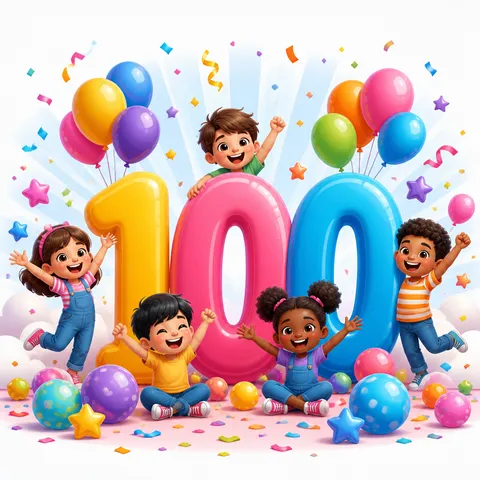
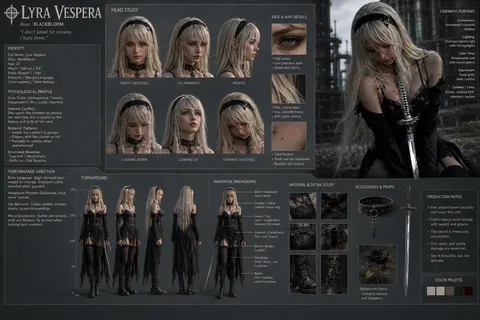
Coding Camp Flyer
A practical guide to designing 코딩 캠프 prompts for clear visual results.
2026.08.15
Mach „Coding Camp Flyer“ genau so, wie du es willstErstell dein eigenes „Coding Camp Flyer“
Sag es einfach in deinen Worten – Carat generiert passende Bilder und Videos für dich.

Starte jetzt mit 100 kostenlosen Credits pro Tag

Coding Camp Flyer
What Is a 코딩 캠프 AI Prompt?
A 코딩 캠프 prompt turns the subject and purpose into observable conditions such as title, key visual, hierarchy, palette, and placement. Instead of asking for something merely dramatic, specify audience, key scene, headline scale, block placement, reading order, spacing, and output ratio. Keep dates, times, names, addresses, contacts, and logos editable because generated copy may be inaccurate.
Practical Uses
- Organizing call times, places, cast, and preparation notes
- Promoting coding camp dates, lessons, and registration
- Introducing folk dance movement and event details
- Advertising improv atmosphere, cast, and performance schedule
- Presenting pet-show schedules, conditions, and guidance
Why This Tag Helps
This tag helps graphics carry narrative and practical information together. Define audience and next action, then order headline, key visual, schedule and place, explanation, and registration or contact path. A call sheet should separate date, time, location, contact, scene, and preparation fields in a quickly scannable table. A camp flyer should clarify age group, lessons, schedule, place, and registration. A performance poster needs one dominant scene and a short headline. A pet event should separate entry conditions, safety notes, and contact information. Replace generated text, figures, and proper names with verified source content, then recheck schedules, addresses, links, sources, and rights. Review animal and participant safety and consent guidance against actual event rules.
Related Prompts
business-card, small-business, process-diagram, health-infographic, wedding-card, social-media-carousel can extend the direction toward business cards, small-business promotion, process diagrams, infographics, invitation cards, and social content. Borrow one palette or spacing rule while preserving the current hierarchy.
Prompt Construction Tips
- State purpose, audience, channel, physical size, and output ratio.
- Set reading order for headline, key visual, essential details, and next action.
- Separate palette, contrast, spacing, type mood, and table or icon rules.
- Reserve fixed copy, schedules, names, logos, and contacts for post-editing.
Check hierarchy and legibility before decoration, then change one variable at a time. Compare the final result with source information and confirm image, font, reference, event, and safety rights before release.
Häufige Fragen
Copying prompts is free, while generating images or videos with AI consumes credits.
Define purpose and audience, then specify headline, key visual, hierarchy, and channel.
Enter schedules, names, and contacts during post-editing and compare them with the source.
Clarify contrast between headline, schedule, place, conditions, and next action.
Check safety, consent, and contact guidance against the actual event rules.
Review service terms and image, font, data, and reference rights.
Check placement and legibility first, then change one variable at a time.