Realistic Photo
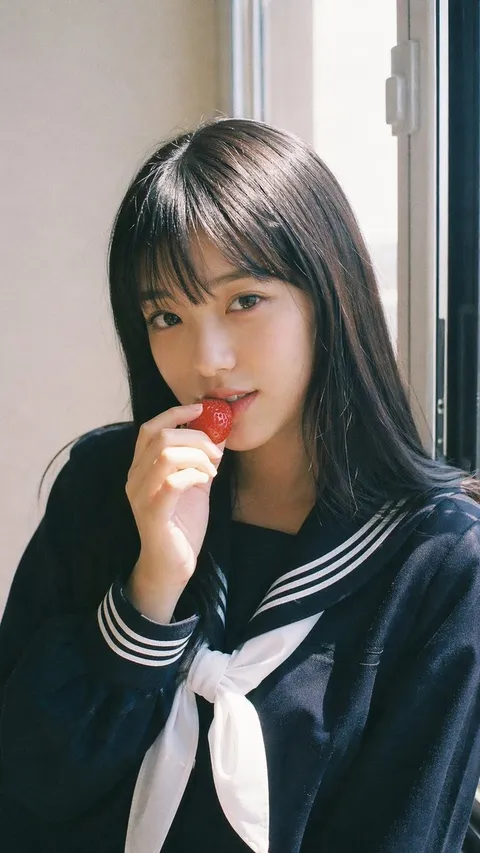
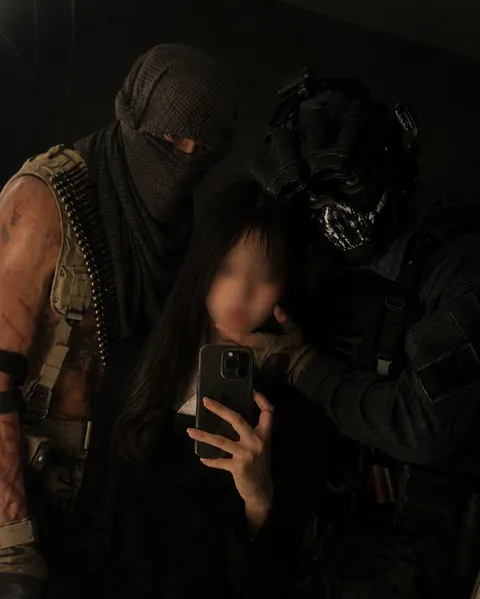
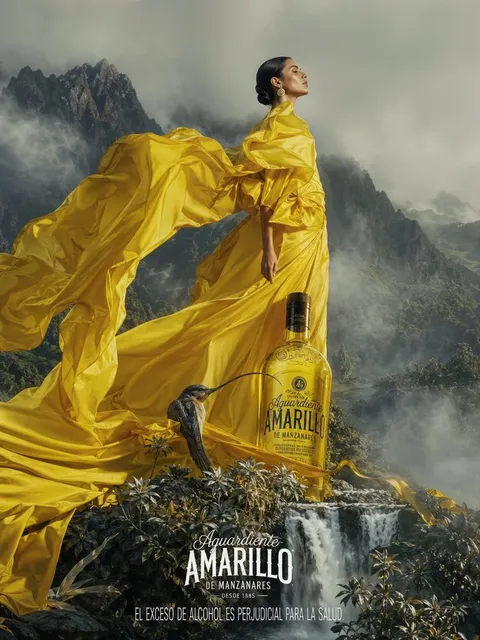
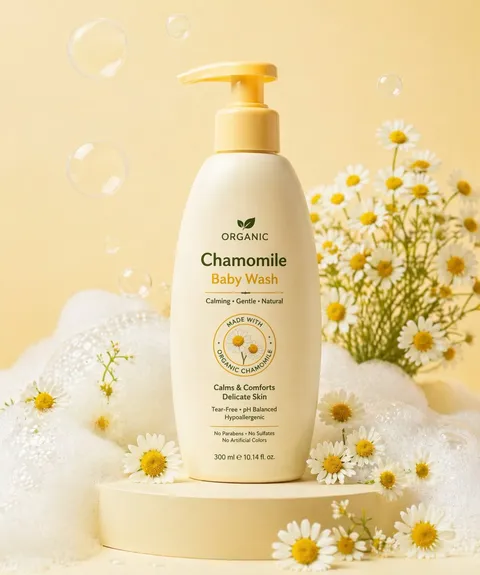
AI prompts for creating realistic photo images that look like believable camera captures rather than overly polished AI renders. Use them for natural portraits with believable skin, light, and background depth, social snapshots that feel taken by a phone or compact camera, and polished visual concepts in Carat.
2026.05.22
Mach „Realistic Photo“ genau so, wie du es willstErstell dein eigenes „Realistic Photo“
Sag es einfach in deinen Worten – Carat generiert passende Bilder und Videos für dich.

Starte jetzt mit 100 kostenlosen Credits pro Tag
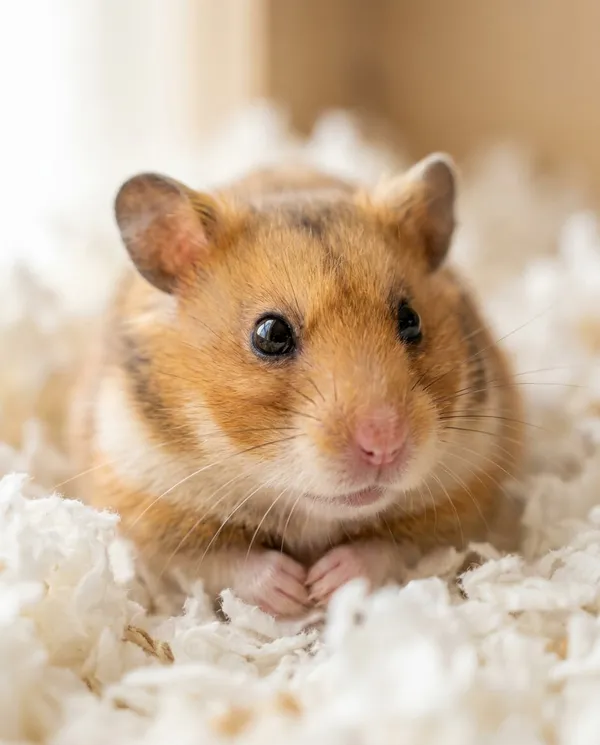
Cozy Bedding Hamster Close-Up
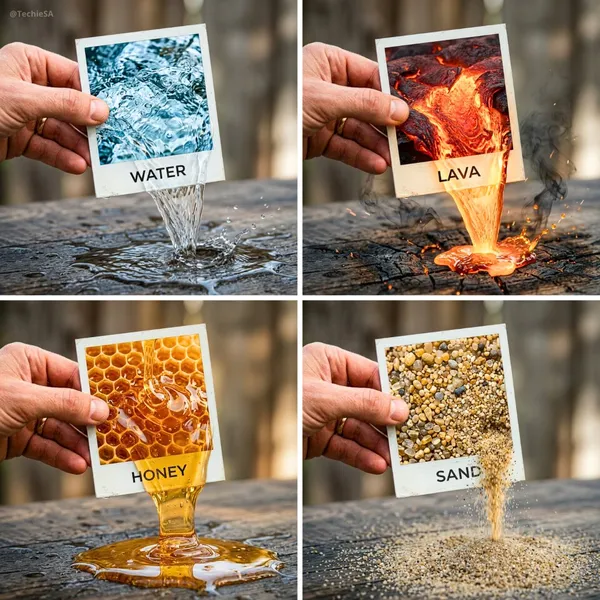
Element Emerging From Polaroid
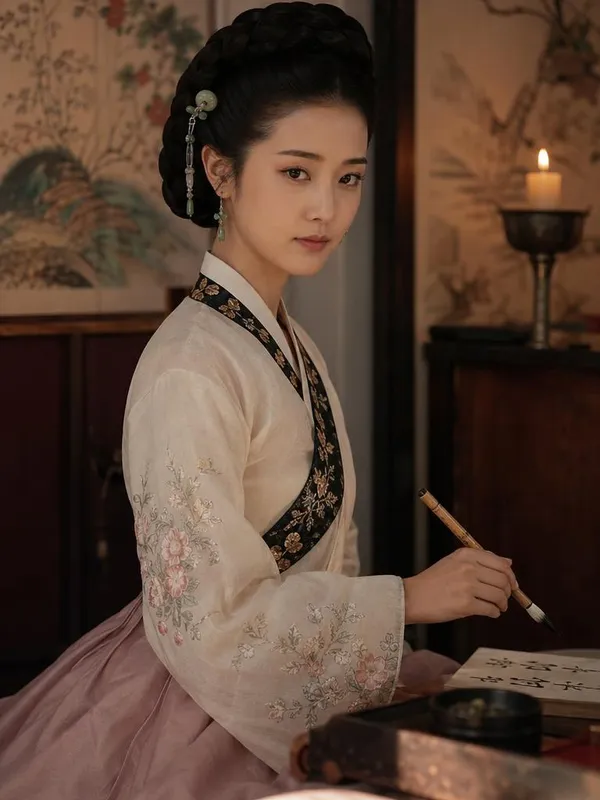
Photorealistic Portrait of Hwang Jini (), the Legendary Joseon-era Korean Gisaeng Poet
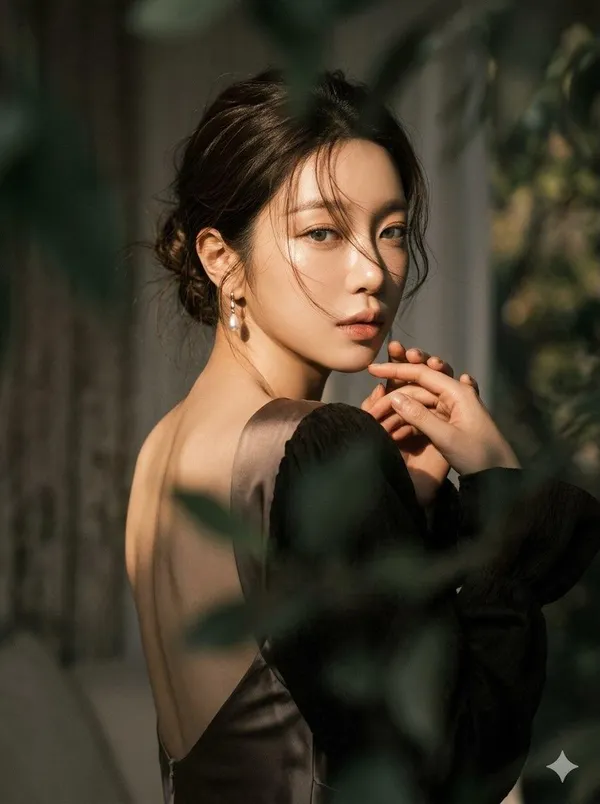
Over-the-Shoulder Moody Portrait
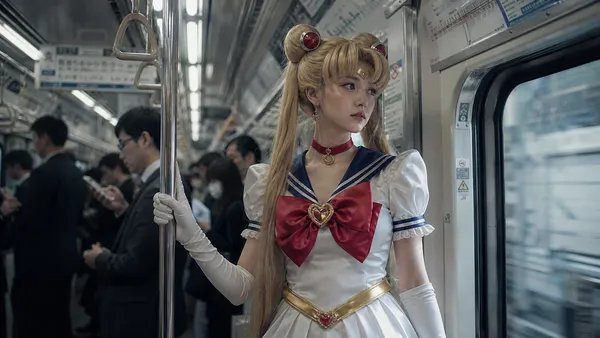
Sailor Moon Subway Cosplay
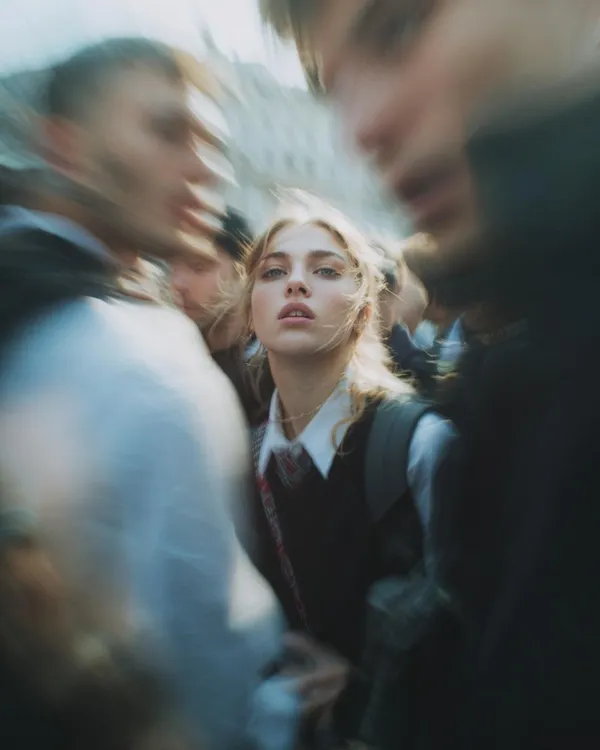
Paparazzi Flash Close-Up
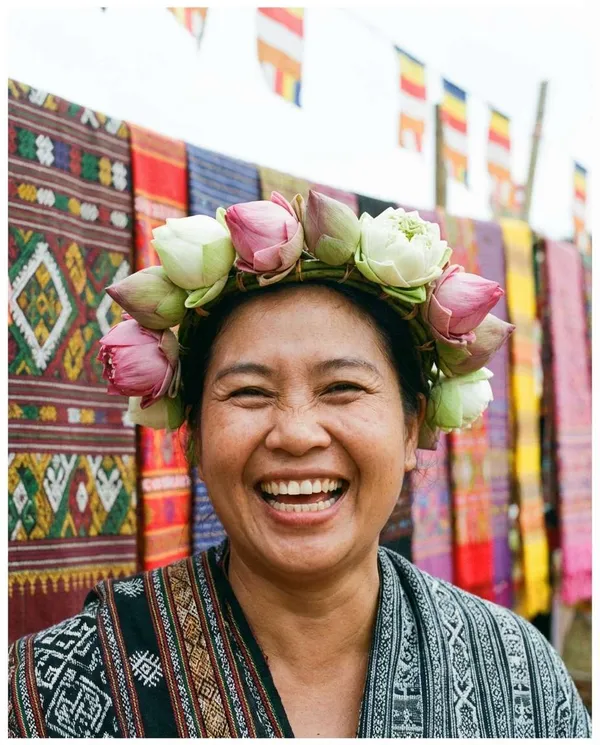
Lotus Crown Festival Portrait
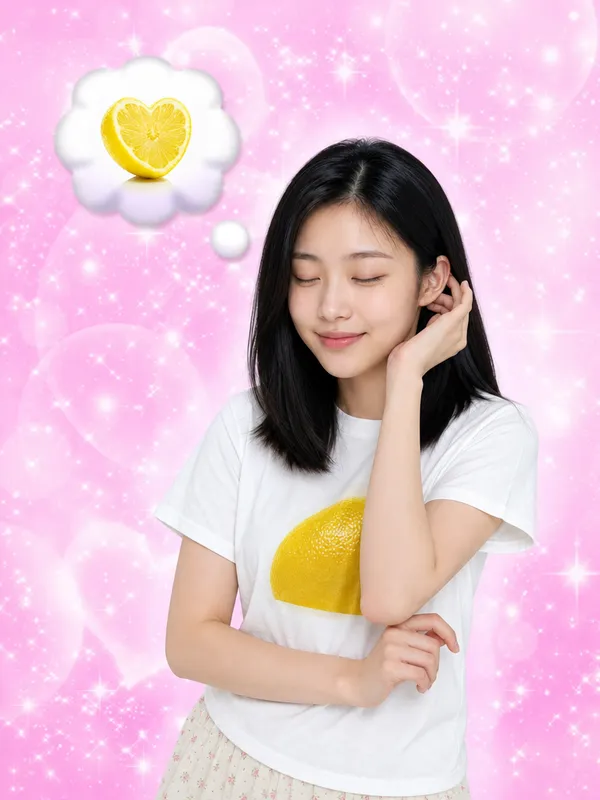
I Keep Thinking of Lemon
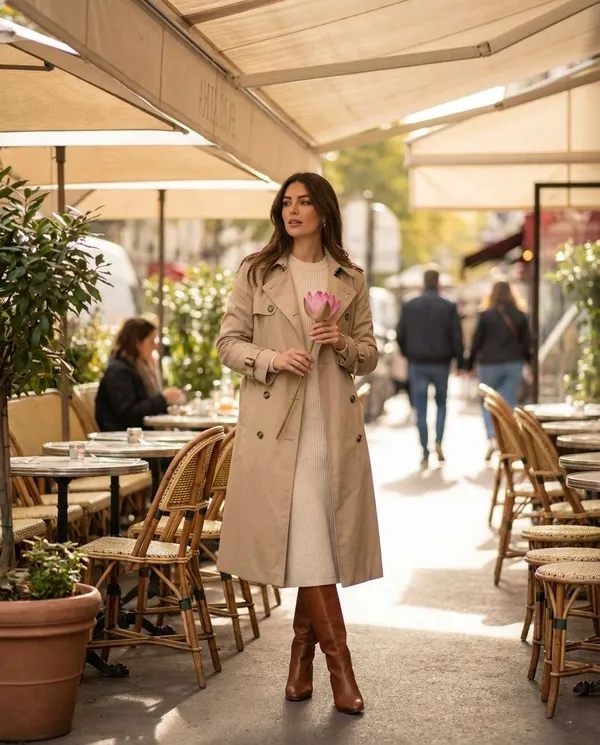
Cafe Lotus Daily Look
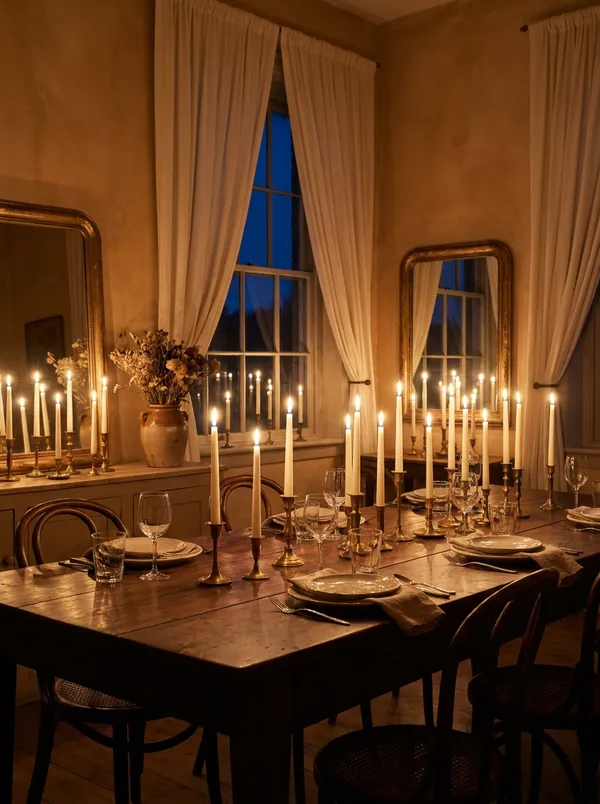
Candlelit Dining Atelier
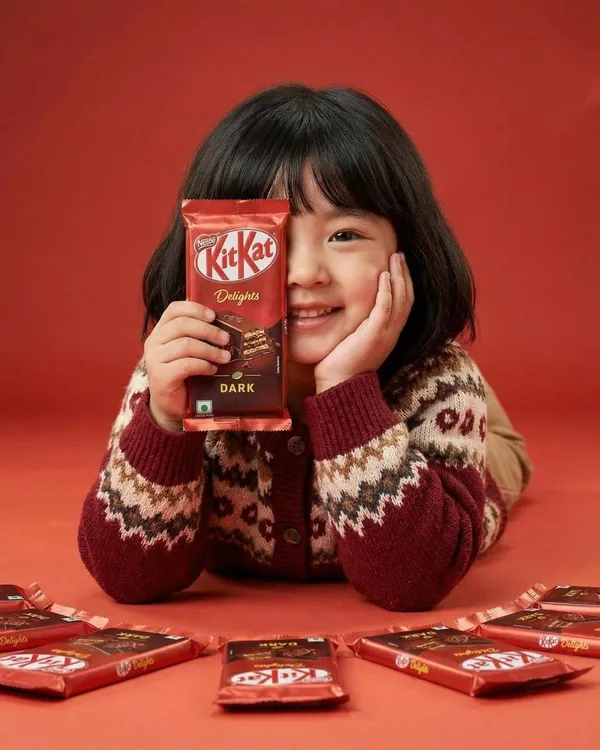
KitKat Food Ad
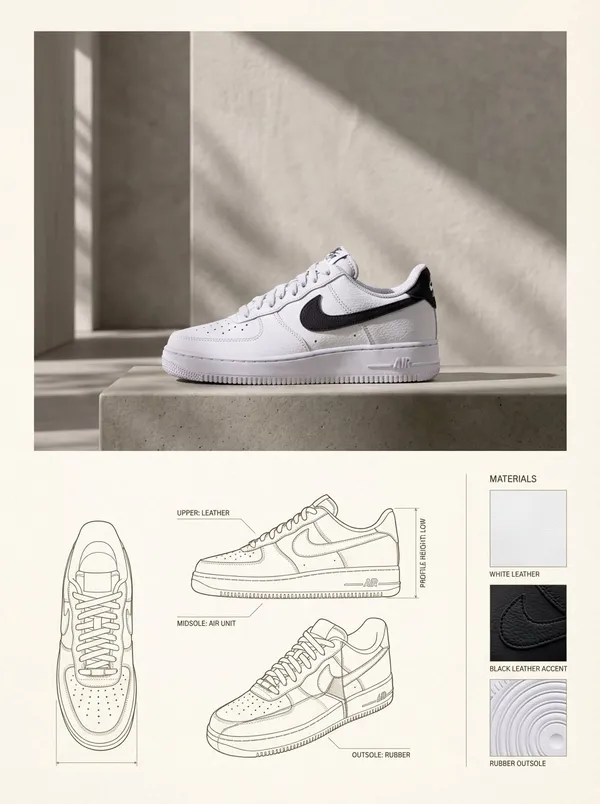
Lifestyle and Spec Product Layout
What Are Realistic Photo AI Prompts?
Realistic Photo prompts are AI image prompts for quickly creating realistic photo images that look like believable camera captures rather than polished AI renders. They set the subject, background, lighting, distance, framing, and mood at once. In Carat, you can generate results with image models such as GPT Image 2, Nano Banana Pro, and Nano Banana 2, then follow up by changing the aspect ratio, cleaning up the background, editing specific areas, or turning the still into a short video.
Where You'll Use It
- natural portraits with believable skin, light, and depth
- social snapshots that feel taken by a phone or compact camera
- product, fashion, and lifestyle concepts that need a real-photo look
- reference images for campaigns, profiles, and moodboards
- detail pages, mockups, and editorial shots that must look trustworthy
Why This Tag Is Useful
A realistic photo look matters most where the image has to pass as an actual camera capture: ads, profiles, detail pages, and social feeds. With AI you can produce the person, location, and mood you want without booking a shoot, and test many versions quickly by fixing only the parts you dislike. The trick is to leave a little imperfection in on purpose, such as natural light and soft shadows, rather than a flawlessly smooth render.
Tips for Crafting Prompts
- Start with the main subject and how it relates to the camera. Who is where, and how they are framed, matters most.
- Add a concrete setting such as an ordinary room, street, cafe, or outdoor spot so the image has a clear place.
- Define lighting and texture with plain cues like natural light, subtle shadows, and imperfect skin instead of broad style words.
- Control the shot with camera cues such as a phone view, candid framing, or documentary composition, and keep one or two moods strong.
After the first result, ask Carat for a targeted revision: soften the lighting, darken the background, crop it vertical, or clean up faces and hands. This way one prompt can grow into several usable image and video variations.
Häufige Fragen
They are used to create realistic photo images that look like believable camera captures rather than overly polished AI renders, such as natural portraits with believable skin, light, and background depth, social snapshots that feel taken by a phone or compact camera, and product, fashion, or lifestyle concepts that need a real-photo look. They help turn a vague visual idea into a specific scene, lighting setup, camera angle, and mood.
Yes. You can start from the prompt in Carat with image models such as GPT Image 2, Nano Banana Pro, and Nano Banana 2, then continue with follow-up edits like changing the aspect ratio, refining the background, improving image quality, or turning the image into a short video.
For still images, GPT Image 2 is a strong default because it handles realistic composition, lighting, and detailed instructions well, and Nano Banana Pro or Nano Banana 2 are good alternatives depending on the shot. If you want motion later, you can use the generated image as a reference for a video model.
It depends on the prompt. Prompts that build a new person and scene from text alone run without any input image. Prompts that need to keep a specific face or product consistent do require a reference image, and each prompt notes whether an input image is expected.
Keep the core idea, then adjust details such as an ordinary room, street, cafe, studio corner, or outdoor location, natural light, subtle shadows, imperfect skin texture, and realistic color balance, plus a phone camera view, candid portrait framing, or documentary-style composition. Small changes to lighting, lens style, pose, or background usually produce a more controlled result than rewriting the whole prompt.
You can use them for concept images, social posts, thumbnails, campaign drafts, moodboards, detail pages, and mockups. For commercial use, review brand rights, recognizable people, copyrighted characters, logos, and platform policies before publishing.
Try regenerating with a clearer subject, fewer competing style references, and more concrete visual details. In Carat, you can also ask for targeted edits, crop or expand the frame, remove distracting elements, or enhance the final image.