Engineer Character Illustration
Practical prompt guidance for Engineer Character Illustration reference images.
2026.08.13
Haz “Engineer Character Illustration” justo como lo quieresCrea tu propio “Engineer Character Illustration”
Pídelo en lenguaje natural: Carat genera imágenes y vídeos optimizados para ti.

Empieza ya con 100 créditos gratis al día
No hay prompts disponibles
Engineer Character Illustration prompt direction
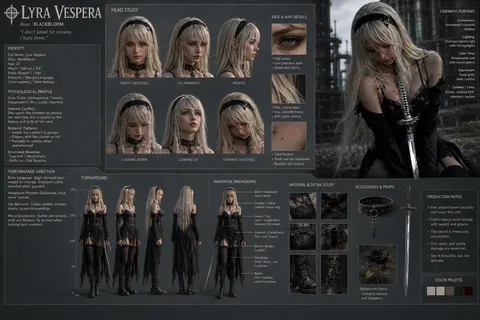
When designing 도구와 작업복으로 기술적 정체성을 보여 주는 오리지널 엔지니어 캐릭터, specify visible structure and material before relying on a vague mood. Fix subject count, viewpoint, and safe margins before adding line, color, and background elements so results remain comparable. This guide provides practical criteria for creating original reference images.
Subject and structure
For an engineer character, separate one adult subject, a utility vest and workwear, tools and a tablet, and a stable three-quarter pose. For an urban sketch, center space-reading elements such as an old city lane, balconies, overhead wires, and a bicycle. For puppy face analysis, use rounded eyes, gentle brows, softly full cheeks, and a relaxed expression in a frontal reference card.
Line and texture
Use crisp contours and restrained cel shading for the character so tools and clothing stay distinct. Specify loose black ink, limited warm watercolor, and paper grain for the urban sketch while excluding readable sign lettering. For the face card, use natural skin and hair texture with even studio lighting so expression and proportions remain the focus.
Color and composition
Use teal, burnt orange, graphite, and cream for the engineer image with a simplified workshop background. Use afternoon side light, an eye-level 4:3 view, and open sky and pavement margins for the city sketch. Use an ivory card with sage and peach accents so explanatory icons do not compete with the face.
Variations and review
For comparison variants, preserve subject count and base layout while changing only pose, palette, or background density. Review tool-to-hand joins, natural architectural perspective, and the markers and contours on the face card. Release only results without watermarks, unrelated text, logos, extra people, severe distortions, or cropping.
Preguntas frecuentes
Define the subject silhouette and structure first, then make clothing, line, and color concrete.
Choose viewpoint and safe margins so the subject is not cropped, and define the visual resting point.
Describe observable choices such as line weight, painting method, and paper texture.
Keep the base layout and change only one factor, such as palette or detail, to keep differences clear.
Specify place, architectural elements, and light direction only as far as they support the subject.
Check subject count, contours, distortions, cropping, unintended text, and logos.
Confirm there are no watermarks or irrelevant elements and that the image matches the search intent.