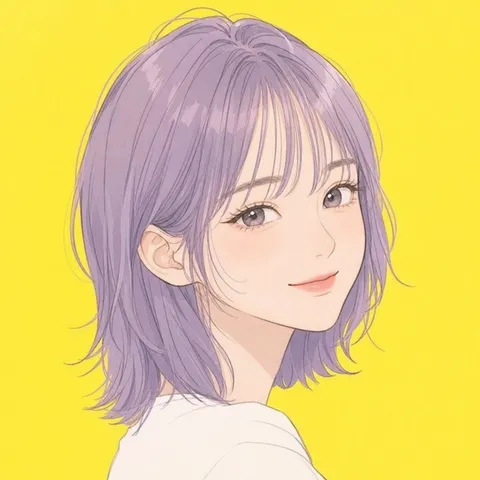
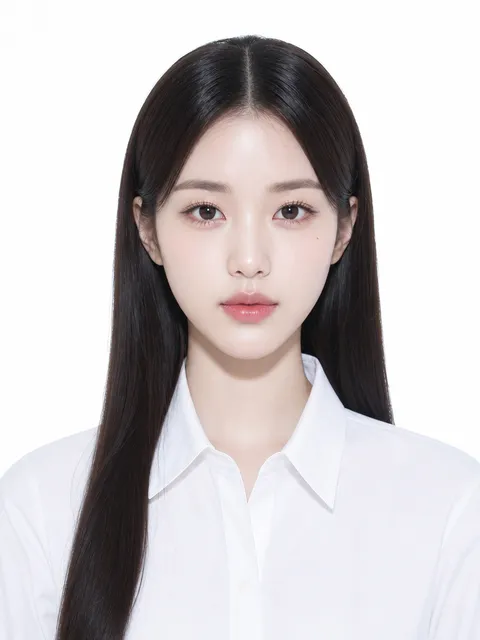
Character Portrait
Create clear character profile portraits by controlling facial design, expression, background simplicity, and lighting.
2026.07.23
Fais « Character Portrait » exactement comme tu veuxCrée ton propre « Character Portrait »
Demande-le simplement — Carat génère pour toi des images et des vidéos optimisées.

Commence maintenant avec 100 crédits gratuits par jour
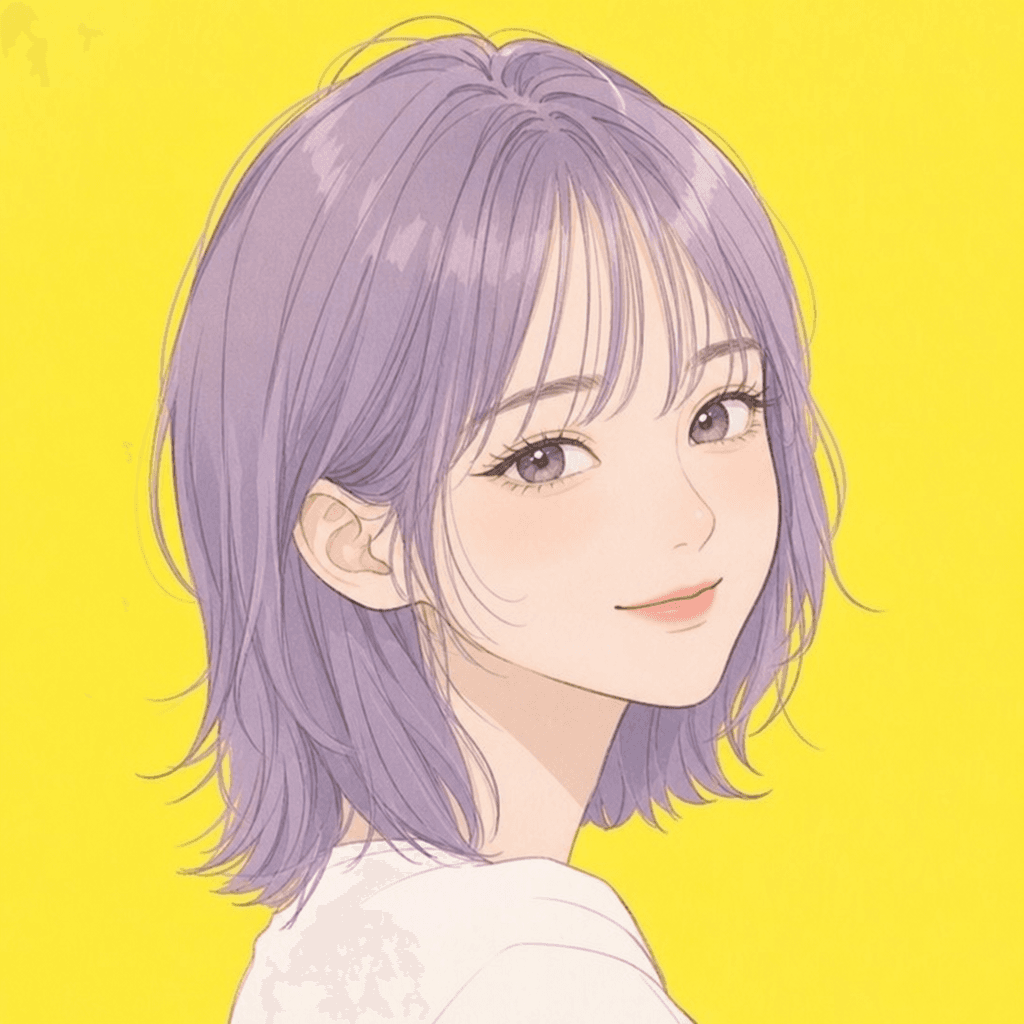
Character Profile Picture
What Are Character Portrait Prompts?
Character portrait prompts organize a face and its mood so the subject remains recognizable at small display sizes. Define face shape, hairstyle, eyes, expression, neckline, background simplicity, and light direction together. Personality is often clearer through gaze, mouth tension, head angle, and shoulders than through a long abstract description.
Profile Image Uses
Use the result for game character introductions, webtoon cards, community icons, novel reference sheets, and project documents. Choose a square face-centered crop for icons, a vertical chest-up composition for introductions, or a half-body frame when a signature prop should be visible.
Face and Expression
Lock the main facial proportions and hair silhouette first. After choosing an emotion such as calm, confident, tense, or amused, describe brow height, gaze direction, mouth shape, and head angle so the expression becomes observable rather than vague.
Background and Lighting
A busy background can weaken a profile portrait, so use a soft studio backdrop, simple gradient, or blurred environment with controlled contrast. Specify a key light on one side, gentle fill, shadow depth, and color temperature to shape the face without hiding its features.
Using the Result
Reduce the image to thumbnail size and check whether the eyes, hair silhouette, and expression still read clearly. Confirm that the face is not cropped awkwardly, that skin and background have enough separation, and that the same identity survives across profile variations. Add labels and exact logos during post-production.
Questions fréquentes
Face silhouette, hairstyle, gaze, expression, and background contrast must remain readable at a small size.
Use square for icons and cards, and vertical framing when the face, shoulders, or character introduction need more room.
Pair an emotion with observable details such as brow position, gaze, mouth shape, head angle, and shoulder tension.
Yes. Request a solid color, low-contrast gradient, or shallow-depth blurred setting so the face remains dominant.
Lock face shape, hair silhouette, eye color, signature clothing, and accessories while changing only expression or setting.
Describe key-light direction and softness, fill strength, color temperature, and shadow depth for predictable facial modeling.
Check thumbnail legibility, face placement, background separation, accessory distortion, and identity consistency across versions.