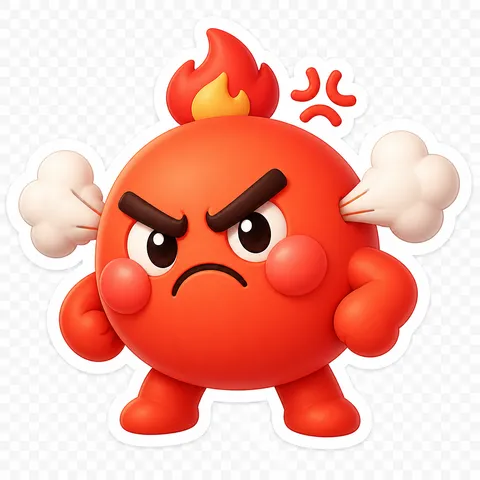
Angry Character
Create angry character visuals with practical AI prompt examples, style tips, and use cases.
2026.07.04
Fai «Angry Character» esattamente come lo vuoiCrea il tuo «Angry Character»
Chiedilo con parole tue: Carat genera per te immagini e video ottimizzati.

Inizia subito con 100 crediti gratis al giorno
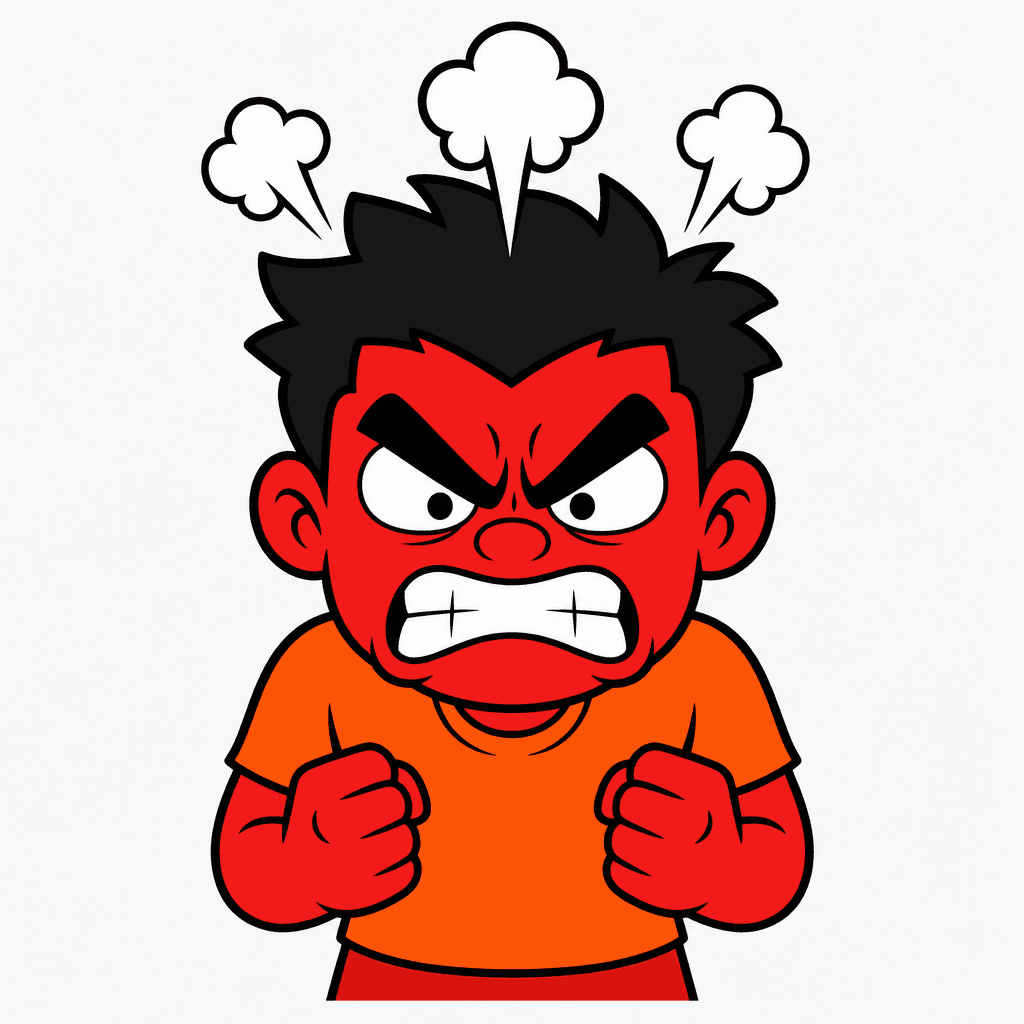
화난 캐릭터
What are Angry Character AI prompts?
Angry Character prompts help you generate a clear visual asset by describing the subject, symbolic details, composition, line style, color palette, texture, background density, and intended use. A strong prompt is more useful than a single keyword because it tells the image model what the final output should become. This makes the result easier to reuse in posters, stickers, worksheets, thumbnails, presentations, classroom materials, social posts, branding drafts, editorial layouts, or product mockups.
Main use cases
- 감정 표현 카드
- SNS 이모티콘
- 만화 콘텐츠 삽화
- 스티커 굿즈
- 카드뉴스 장식
Why this tag is useful
화난 캐릭터는 찌푸린 눈썹, 주먹, 붉은 얼굴, 머리 위 김이 핵심입니다. 감정 표현 아이콘으로 쓸 때는 적색/주황색 팔레트와 굵은 선이 좋습니다. For reusable production results, add constraints such as clean vector illustration, bold outline, flat colors, centered composition, simple light background, no readable text, no logo, and no watermark. These details reduce ambiguity and help the generated image stay editable and safe for design workflows. The tag is especially useful when you need one clear subject that reads immediately without relying on captions.
Related prompts to explore
Useful related tags include illustration, sticker-design, character-illustration, coloring-page, animal-illustration, poster. Combine this tag with sticker-design for cutout assets, character-illustration when the same topic should become a mascot, coloring-page for line-art activities, or poster for public layouts.
Prompt writing tips
- Start with the output format, such as sticker, poster, card news, worksheet, icon, thumbnail, cover, or presentation image.
- Add observable details such as silhouette, pose, symbolic props, outline, palette, texture, and background simplicity.
- Keep production constraints explicit: no readable text, no logo, no watermark, and a clean background.
- Generate variations by changing only the palette, expression, background, or detail level, then choose the most reusable result.