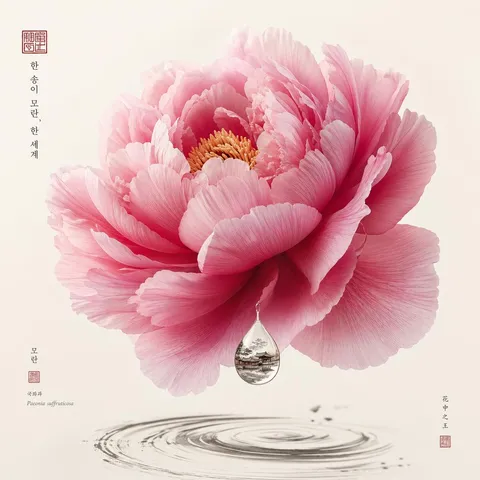
Peony Pattern
Peony Pattern prompts. Copy and use Peony Pattern image generation prompts from Carat right away.
2026.07.17
Fai «Peony Pattern» esattamente come lo vuoiCrea il tuo «Peony Pattern»
Chiedilo con parole tue: Carat genera per te immagini e video ottimizzati.

Inizia subito con 100 crediti gratis al giorno
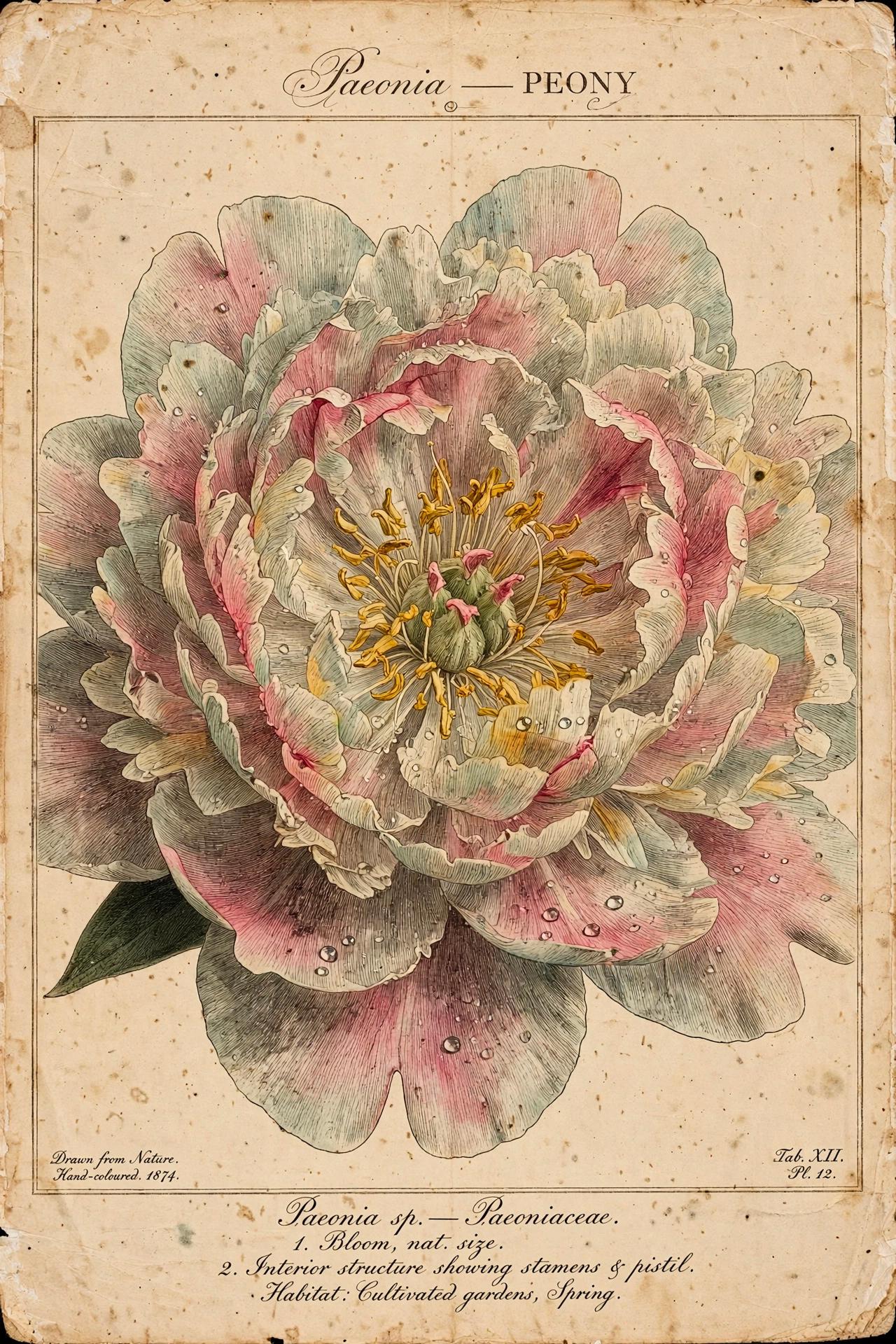
19th-Century Botanical Engraving
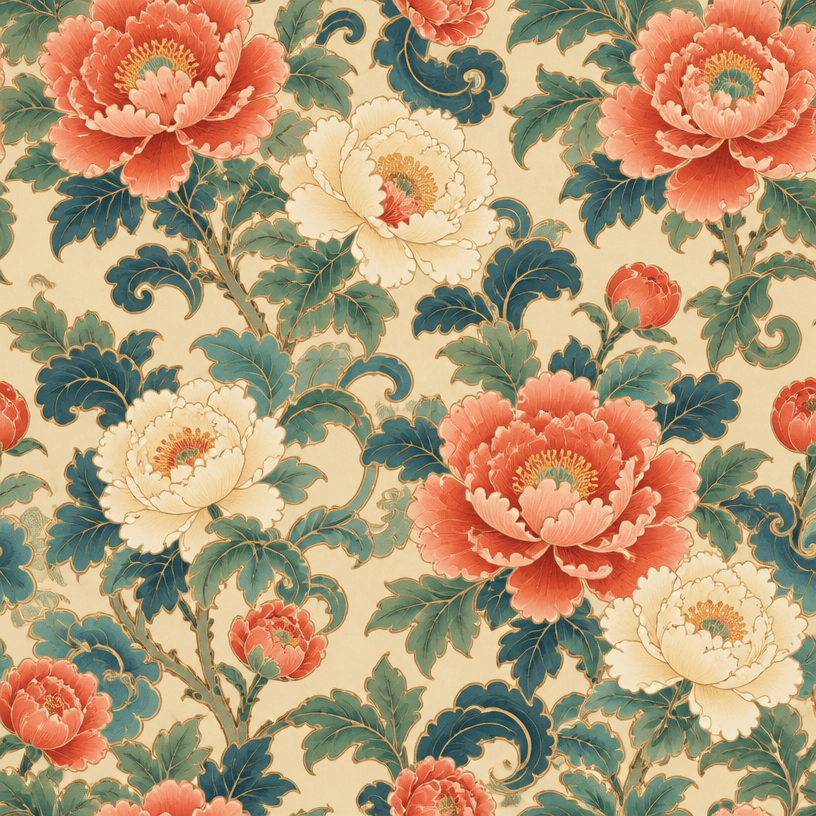
Peony Pattern
What are Peony Pattern Prompts?
A collection of AI prompts for generating peony pattern images. Copy the Peony Pattern prompts provided by Carat and paste them into an AI image generation tool to get professional-grade results.
How to Use Peony Pattern Prompts
- Select and copy your desired prompt.
- Paste it into the Carat agent.
- Modify colors, styles, and composition as needed.
- Download the generated image and use it in your project.
Tips for Writing Peony Pattern Prompts
Specify lighting, texture, composition, and lens information in detail for more precise results. Add "No text, no watermark" to prevent unwanted text overlays.
Peony Pattern Prompt Applications
Peony Pattern prompts are used across content creation, marketing, design, and educational resources. AI-generated images dramatically reduce production time while maintaining professional quality.
Peony Pattern Prompt Optimization Guide
Choose the aspect ratio based on your use case: vertical (9:16) for social media, horizontal (16:9) for web banners, and square (1:1) for product images.