Explosion Meme
An explosion meme prompt for turning an emotional overreaction into a bold, comedic reaction image.
2026.07.17
「Explosion Meme」を思いどおりに作りましょう自分だけの「Explosion Meme」を作る
ふだんの言葉で伝えるだけで、Caratが最適な画像や動画を生成します。

毎日100クレジット無料で今すぐ始められます
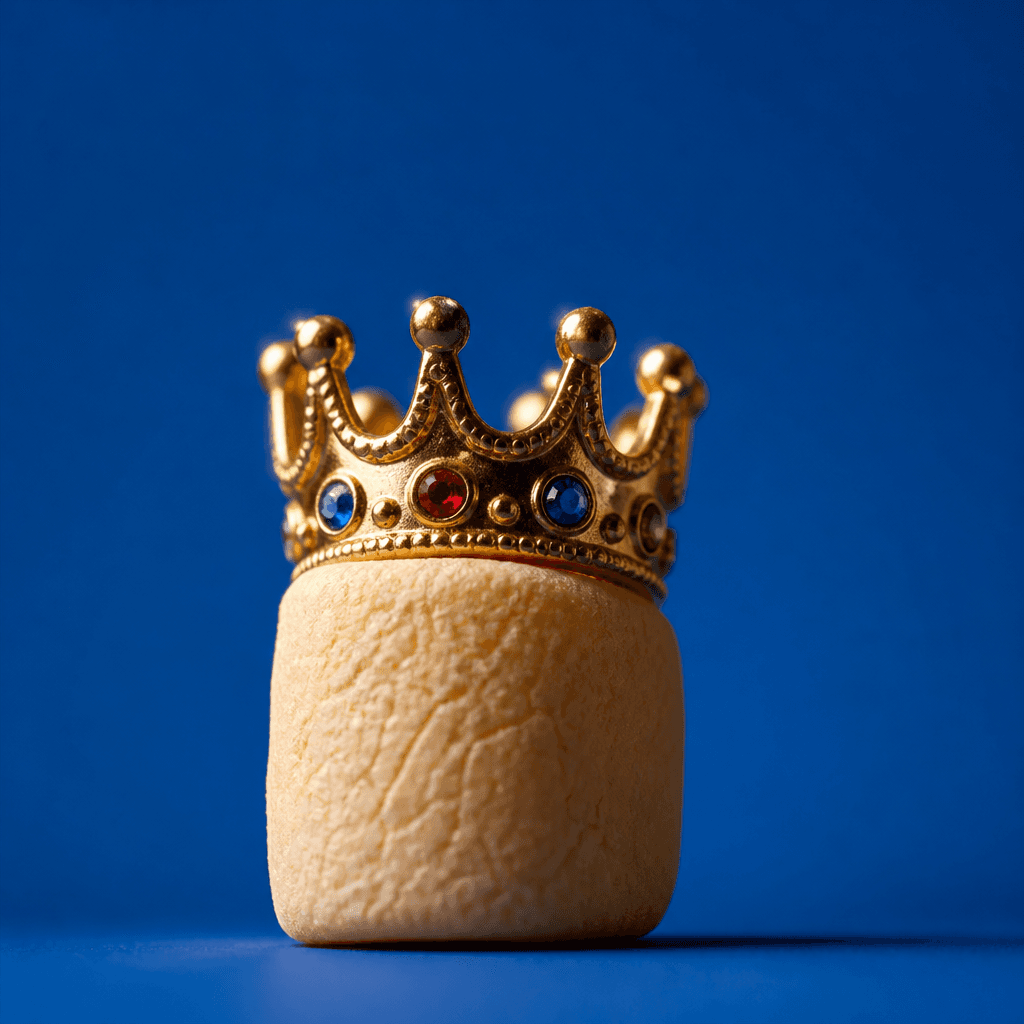
The World's Most Trivial Meme

AI Meme of an Angry Cat
What are explosion meme prompts?
Explosion meme prompts turn a moment of anger, surprise, confusion, joy, or frustration into an exaggerated visual reaction. In this context, explosion describes emotional intensity and comic staging rather than a request to recreate a real accident or dangerous event. Separate the trigger, reacting character, facial expression, pose, surrounding effects, and optional caption area in the instruction. That makes the joke easier to understand and keeps the visual energy focused on the reaction.
Useful situations and formats
The concept works for chat reactions, workplace observations, gaming outcomes, unexpected plot twists, deadline panic, and everyday misunderstandings. Define the situation in one sentence and use one primary reacting subject so the joke reads at a small size. An animal character can communicate surprise through oversized eyes, ears, or posture, while a human character can rely on a sharp expression and a clear hand gesture. Ordinary fictional situations tend to be more reusable than imagery that mocks real victims, disasters, or identifiable people.
Build the comedy through contrast
The humor comes from the gap between a small trigger and an enormous reaction, or from a dramatic-looking setting paired with an unexpectedly calm subject. Fireworks, speed lines, vibrating backgrounds, and comic shockwaves can amplify the feeling, but they should not cover the face or replace the actual context. Avoid injury, realistic danger, or misleading disaster imagery. Ask for a clean caption zone instead of trusting generated lettering, then add the final short phrase in an editor where spelling and timing can be controlled.
A practical prompt structure
Start with the situation and emotional direction. Add the character, expression, pose, camera distance, background simplicity, color contrast, comic effect, and speech-bubble or caption area. For a sticker or messenger reaction, request a bold outline, a clean silhouette, limited background detail, and an expression that remains readable when reduced. Too many characters and lines of dialogue can bury the punchline, so create one strong reaction first and build variations by changing only the trigger or emotion.
Related prompt ideas
Test the finished image at the size it will appear in a messenger or feed. Keep the joke about an exaggerated everyday emotion rather than real violence, disasters, or attacks on a target. This makes the reaction image easier to share and safer to adapt across conversations.
よくあるご質問
Here it refers mainly to a comic emotional eruption. Focus on an exaggerated expression and visual effect instead of depicting a real accident, injury, or dangerous act.
Anger, shock, confusion, joy, and unfairness work well because they have a clear change in intensity. Define the trigger in one sentence before describing the reaction.
Yes. Familiar animals such as cats and dogs can communicate the joke through oversized eyes, ears, mouths, and poses while keeping the image friendly and quickly readable.
You can request a clean caption area, but generated text may be inaccurate. Add the final wording and punctuation in an editor after the visual is created.
No. The contrast between a modest trigger and an excessive response is usually more effective. Limit sparks, shockwaves, and speed lines so they support rather than hide the expression.
Specify a bold outline, clean background, readable silhouette, short caption zone, and an expression that survives a small display. Remove the background afterward if a transparent asset is needed.
Prefer ordinary fictional situations and invented characters over mocking an identifiable person, protected group, real victim, or serious disaster. Keep the joke focused on a general emotional reaction.