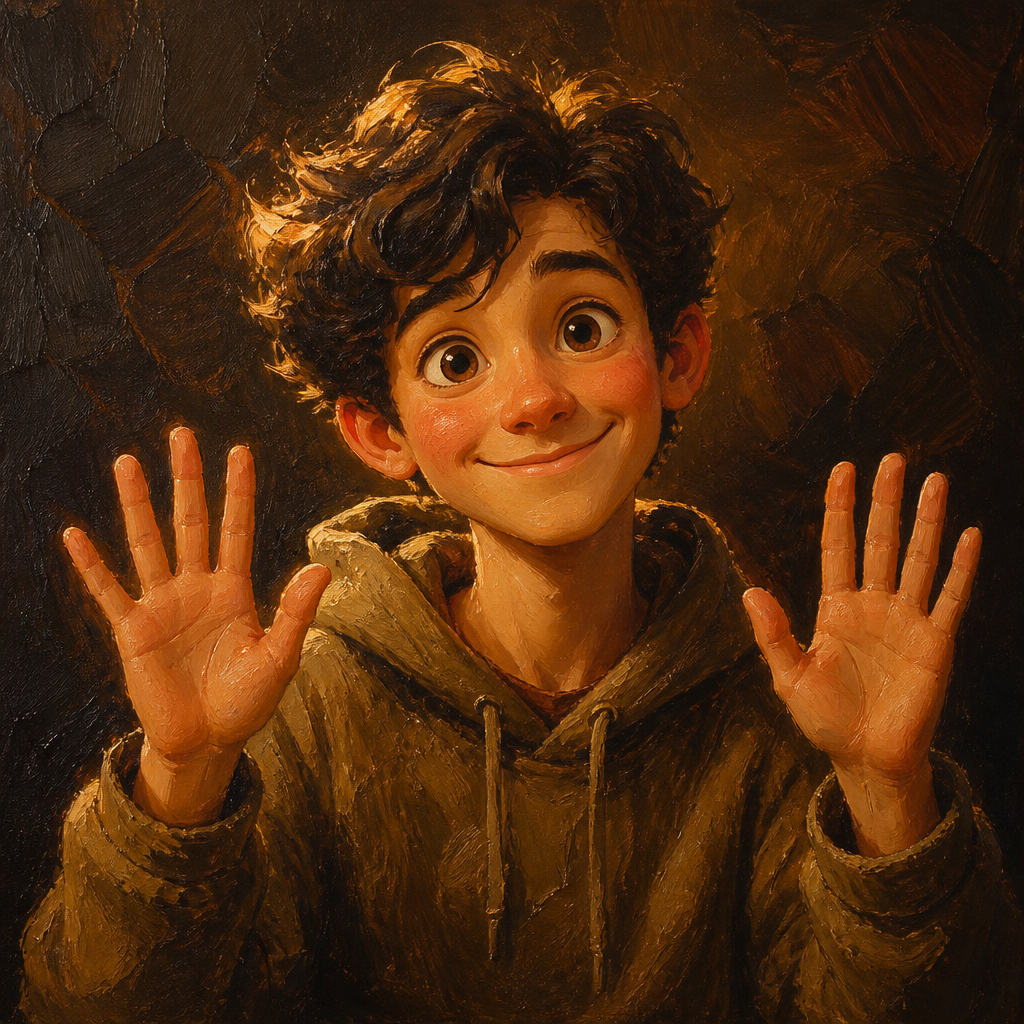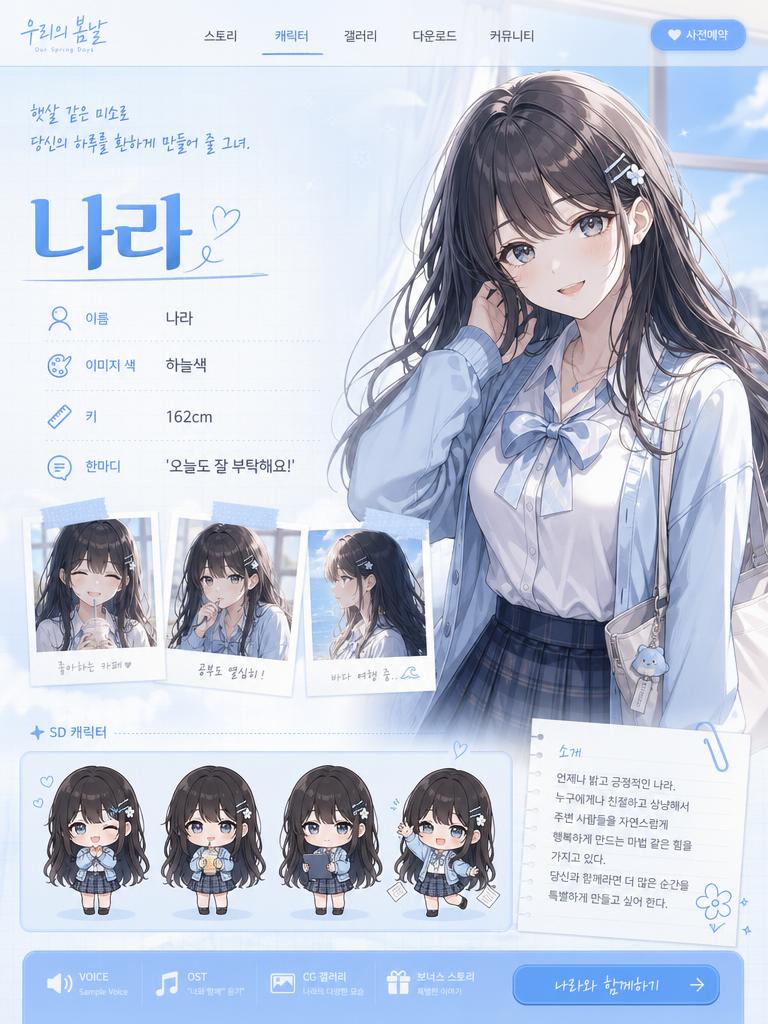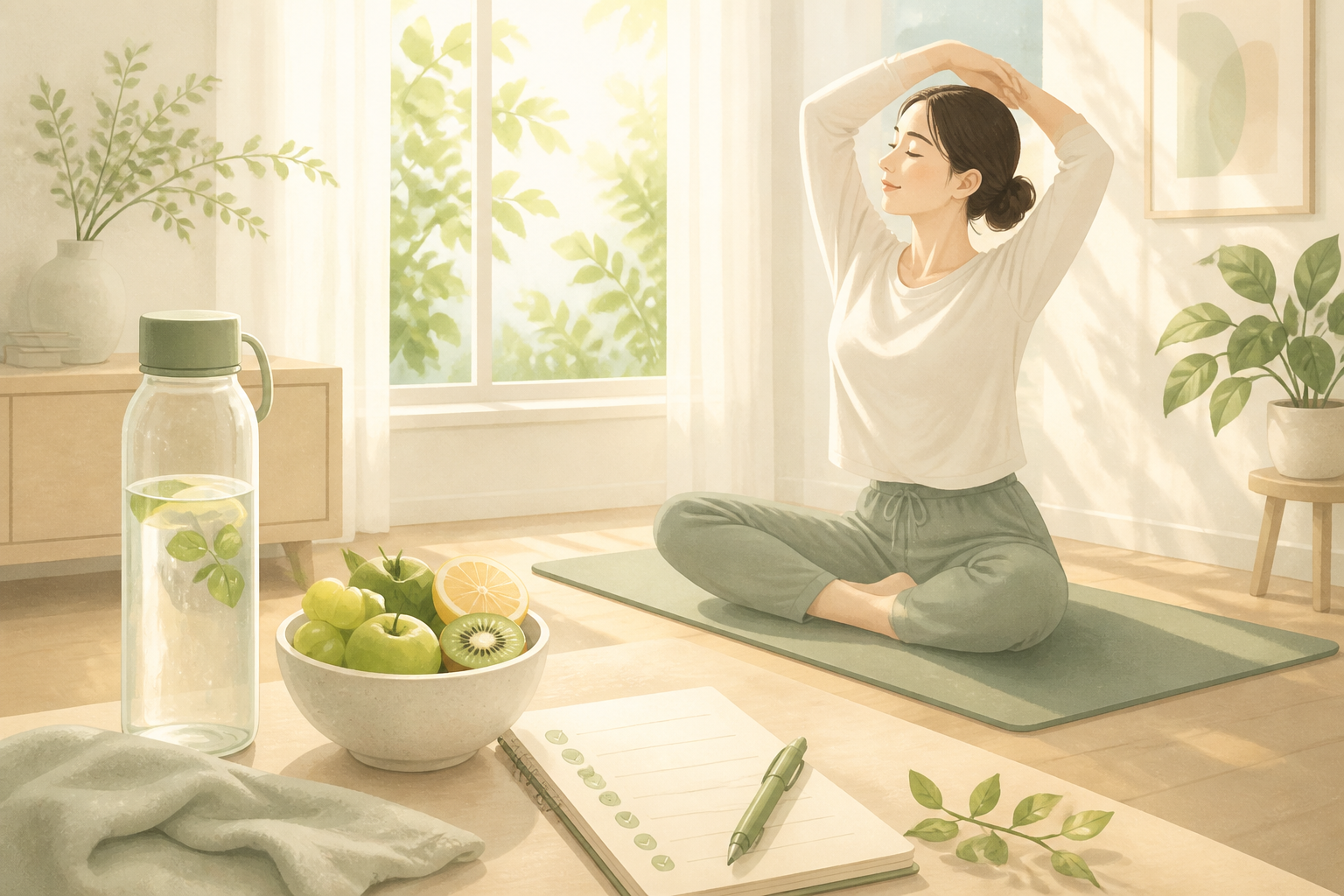
Chibi Style
Discover the best AI prompts for creating stunning Chibi Style visuals on Carat.
2026.07.04
Make “Chibi Style” exactly the way you wantCreate your own “Chibi Style”
Just ask in plain language — Carat generates optimized images and videos for you.

Start now with 100 free credits daily
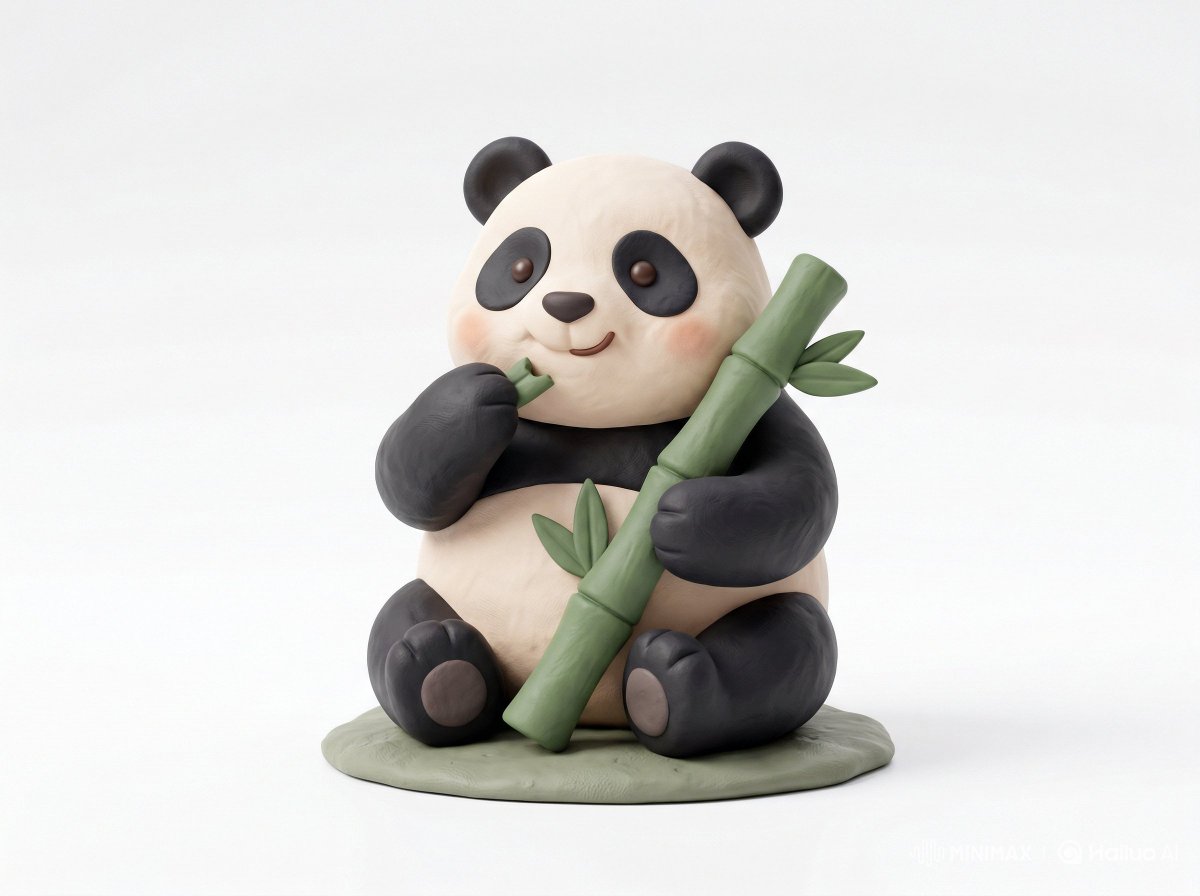
Clay Toy Icon Character
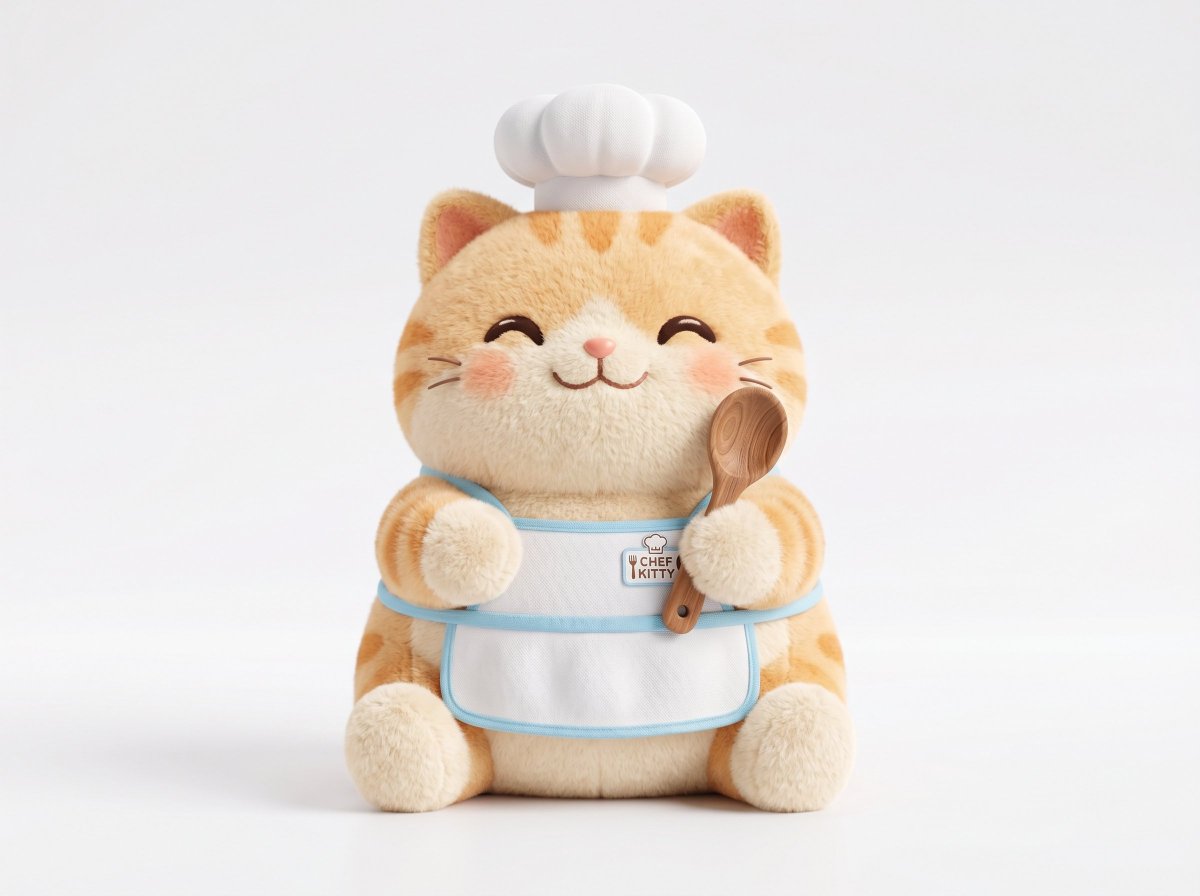
Plush 3D Model
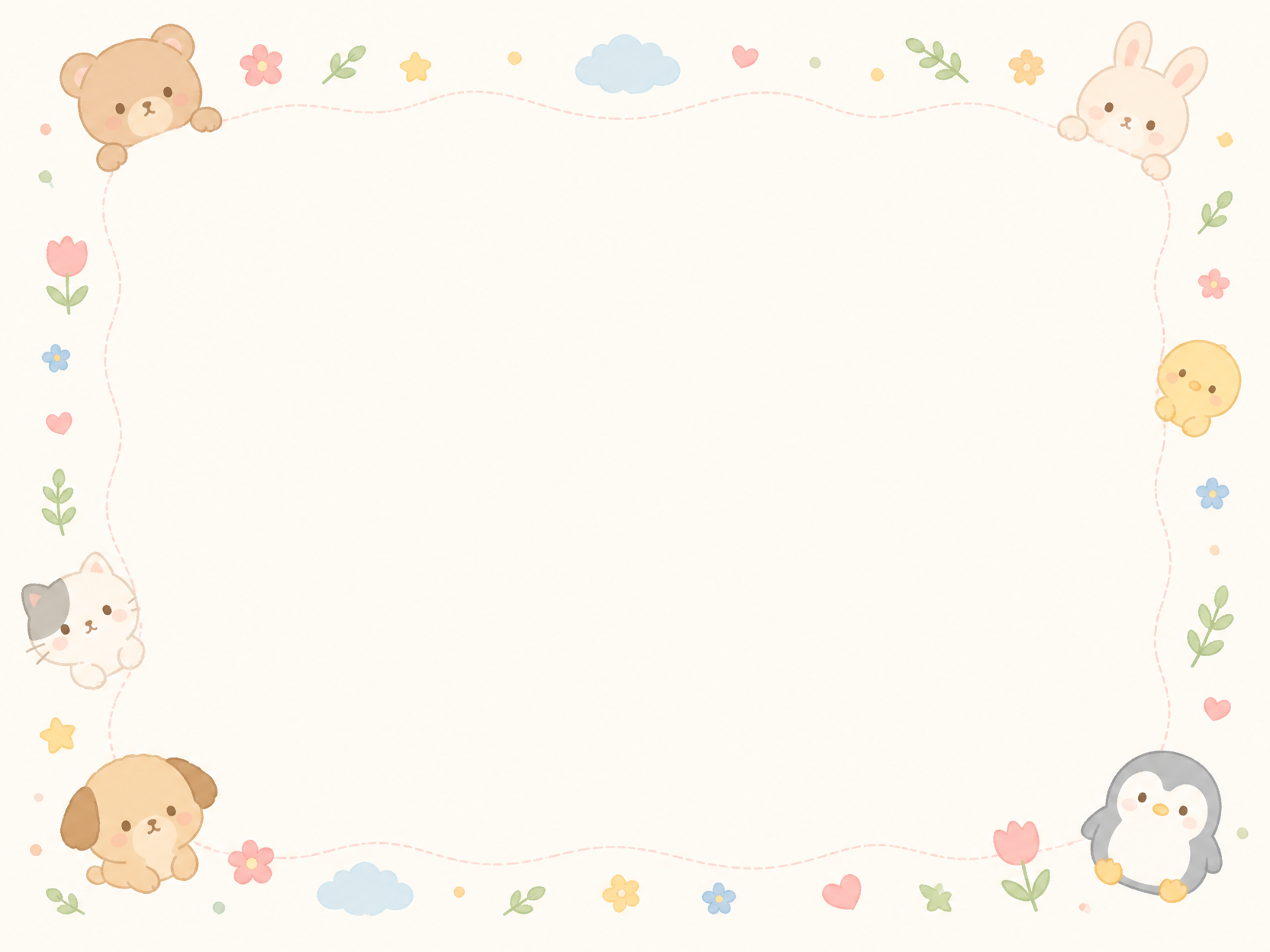
귀여운 동물 편지지

귀여운 강아지 밈
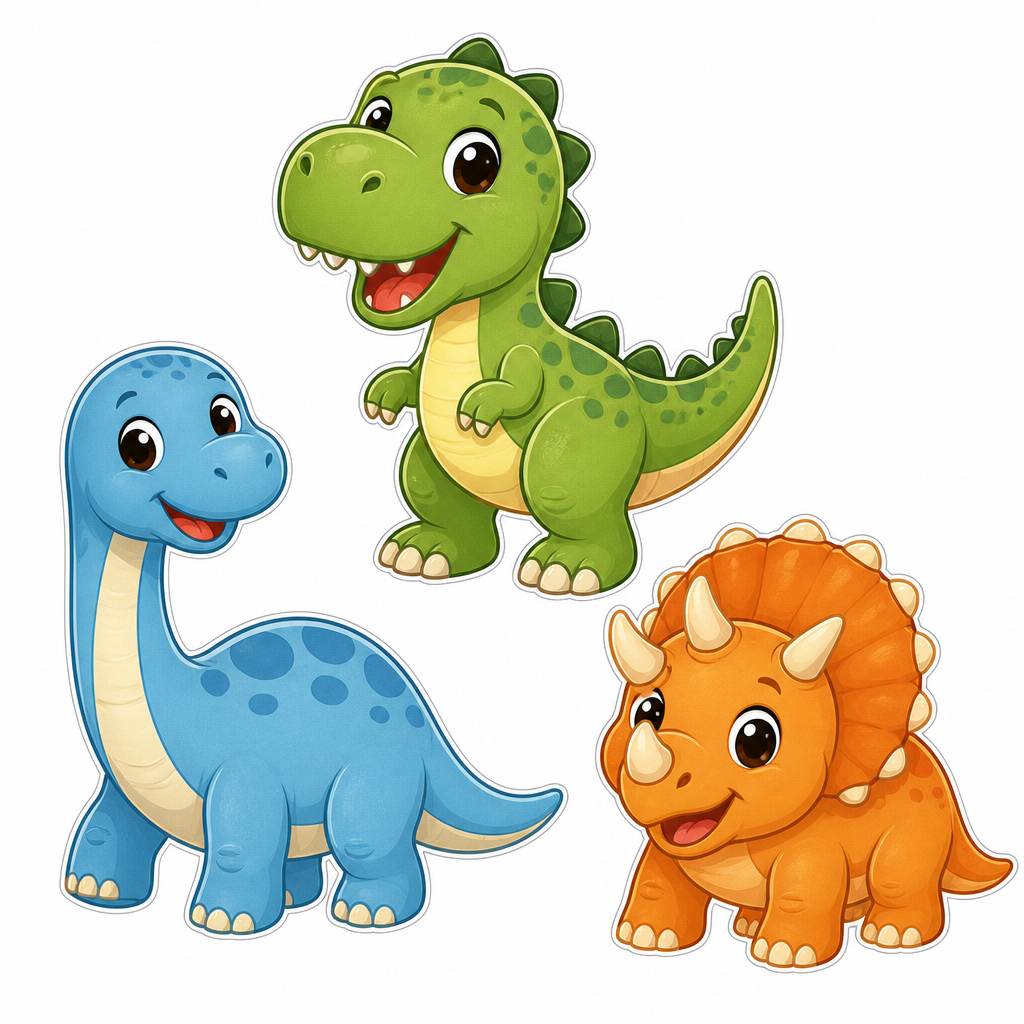
귀여운 공룡 캐릭터 세트
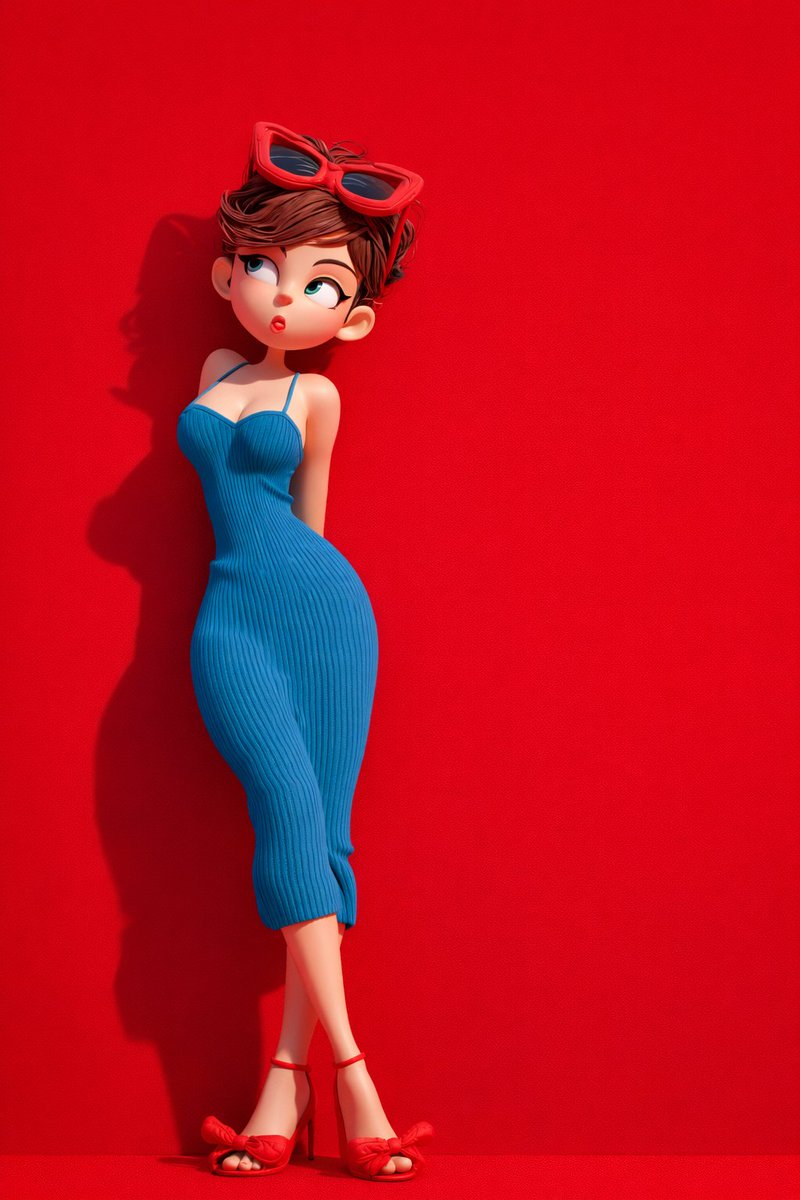
Travel Character 3D Cartoon Set
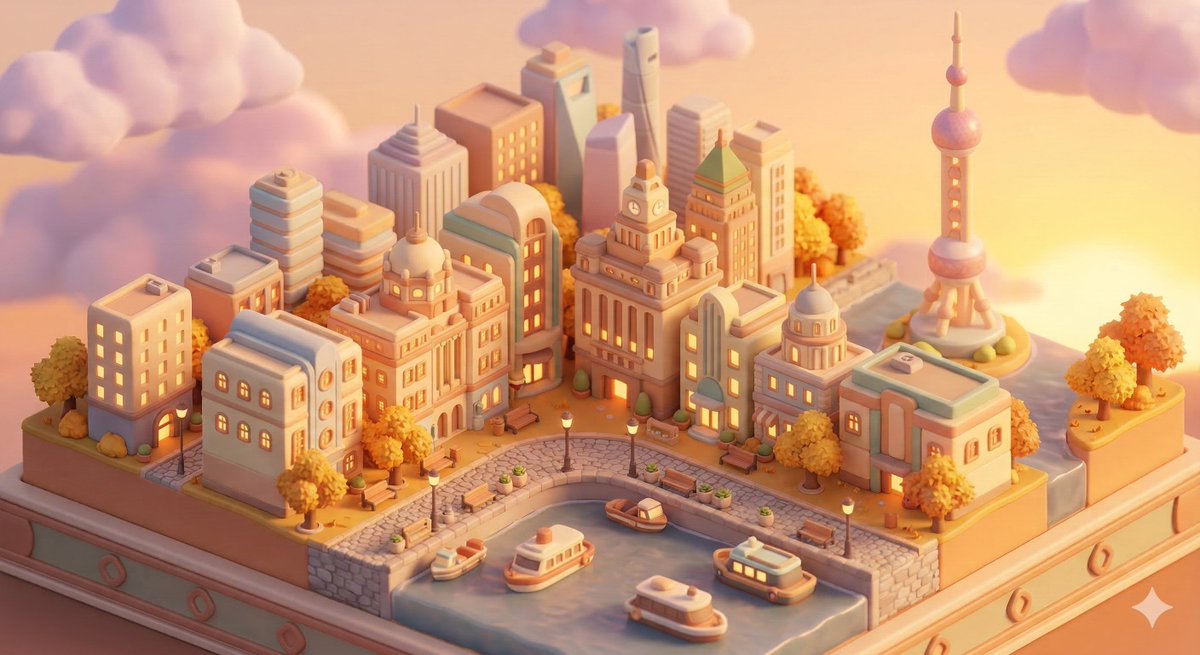
Cute 3D Street Diorama
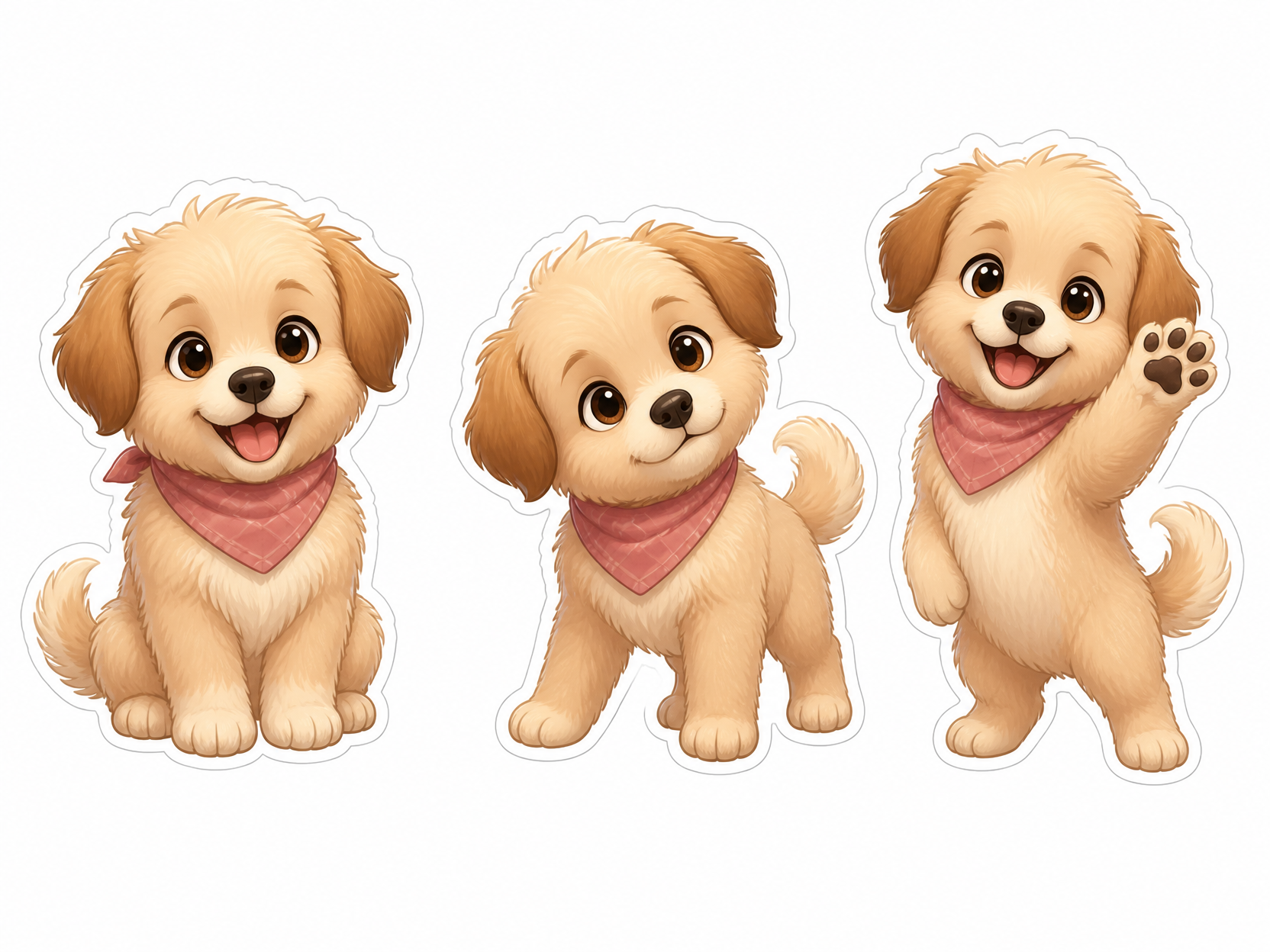
귀여운 강아지 캐릭터 세트
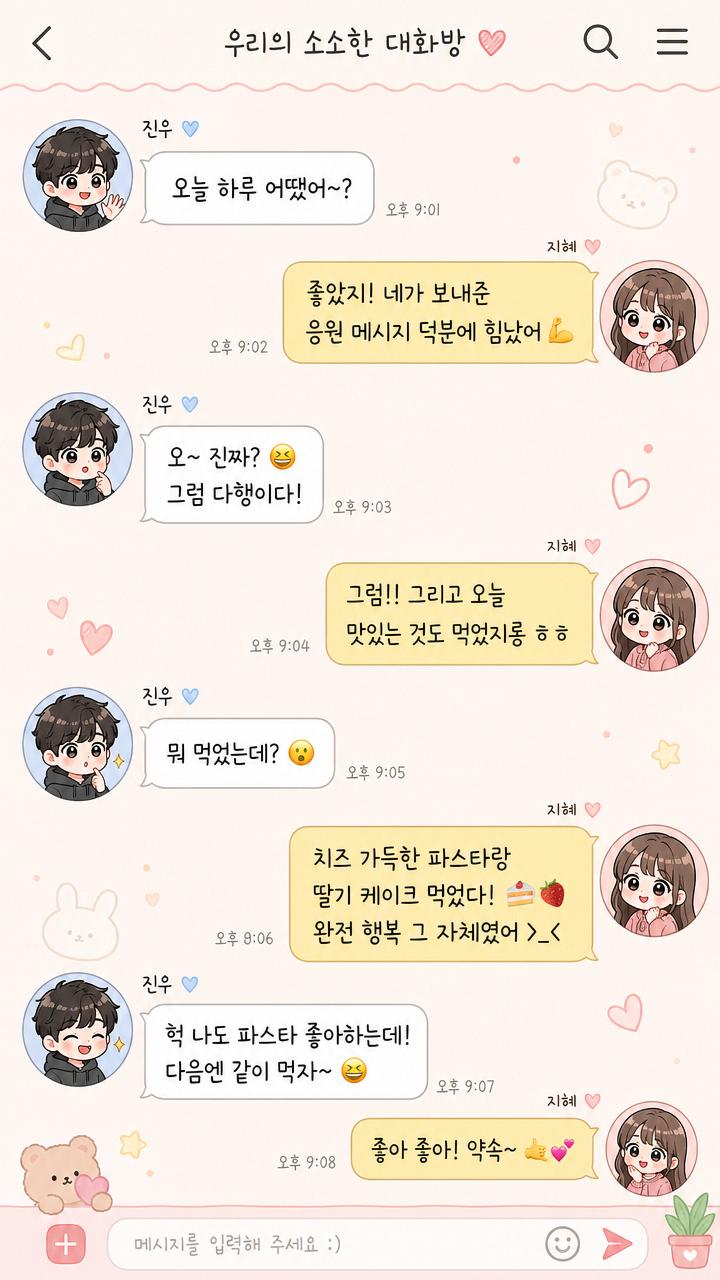
Korean Webtoon-style Vertical Illustration of a Casual Chat Conversation
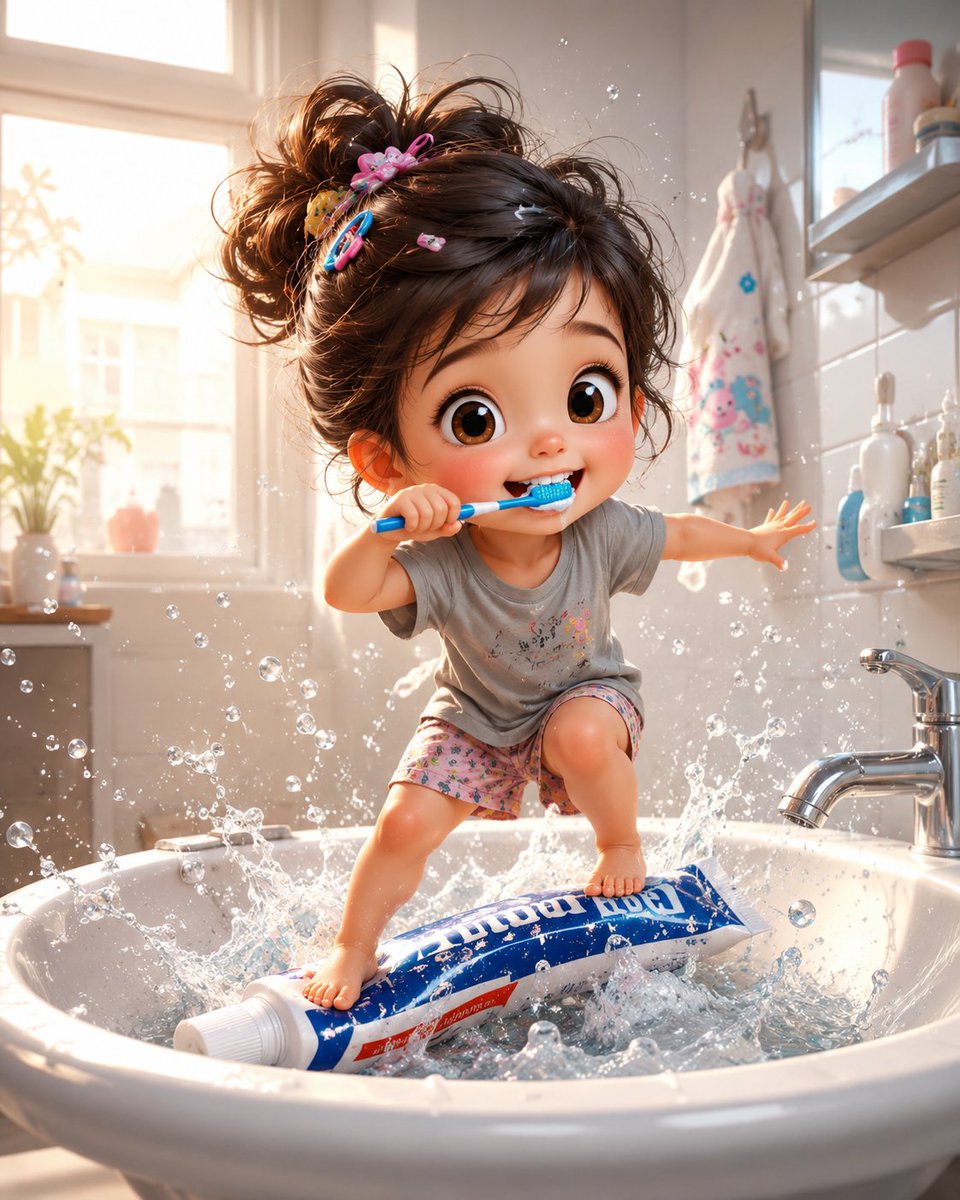
Toddler Brushing Teeth 3D Illustration
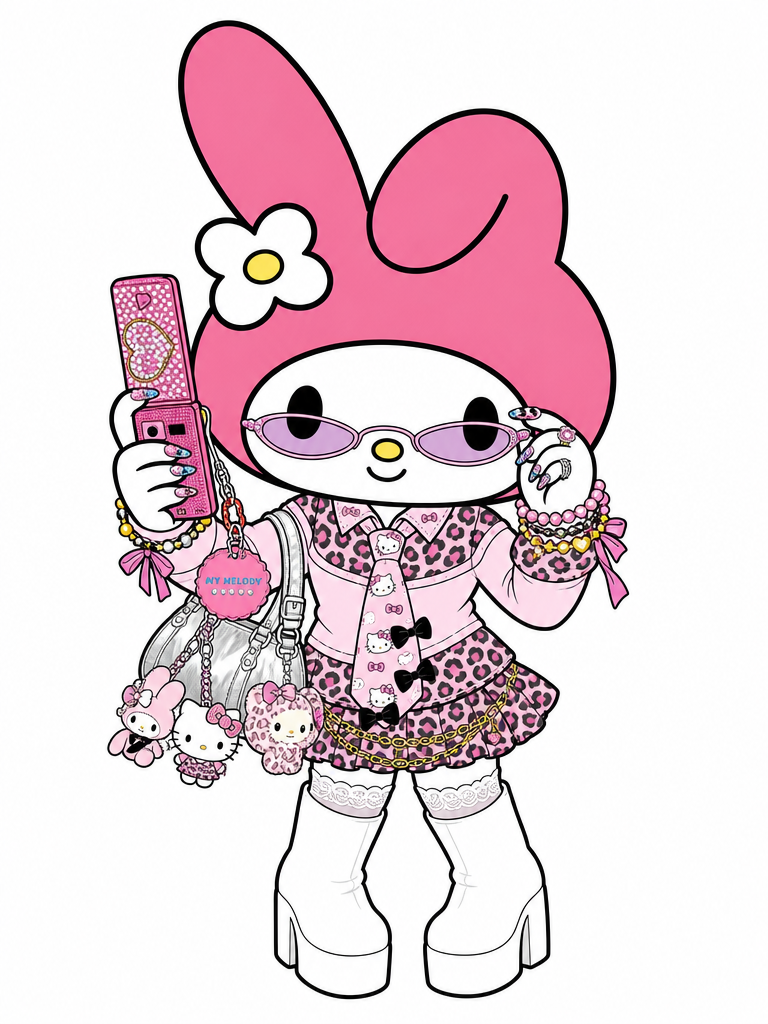
My Melody Gyaru Cosplay Illustration
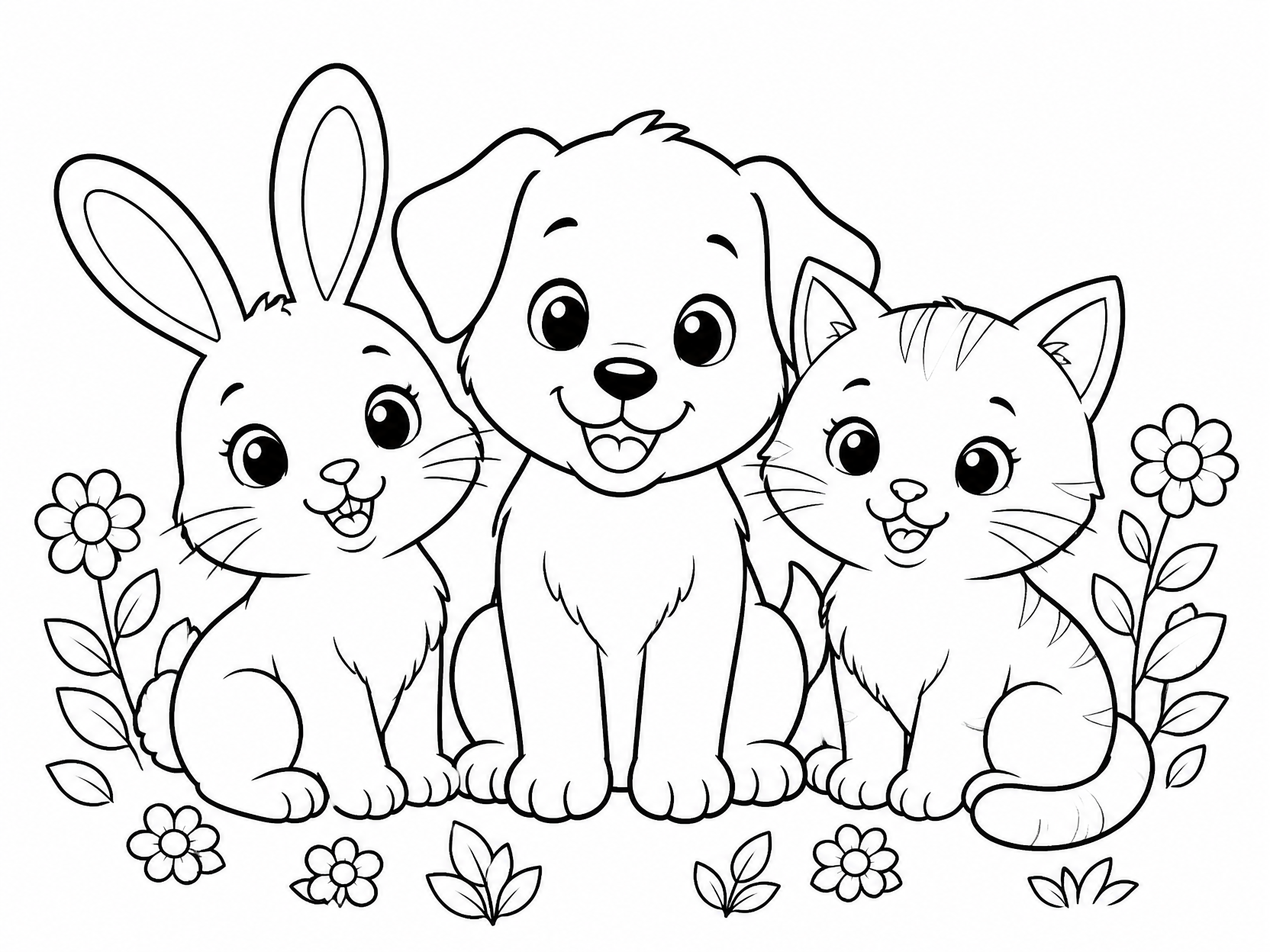
귀여운 동물 색칠도안
What Are Chibi Style AI Prompts?
Chibi Style AI prompts are specialized sets of instructions designed to help artificial intelligence models accurately reproduce the unique visual characteristics of chibi style, SD characters, cute character illustrations. These prompts go beyond simple style descriptors, incorporating nuanced details about line weight, shading techniques, color palettes, and overall aesthetic composition. At Carat, we analyze thousands of successful generations to provide you with prompt structures that ensure high-quality, professional results every time. By using these prompts, you can harness the power of advanced image generation models to create stunning visuals that maintain the soul and technical precision of traditional Chibi Style art. Whether you are looking for classic interpretations or modern variations, our prompt gallery serves as a comprehensive guide for achieving visual excellence.
Best Use Cases
The applications for Chibi Style prompts are vast and varied, spanning both professional and personal creative projects. For businesses, these prompts are invaluable for creating consistent social media graphics, mascot designs, and unique marketing materials that stand out in a crowded digital landscape. Independent creators often use them to storyboard ideas, generate concept art for games or comics, and produce high-quality illustrations for merch and prints. The ability to quickly iterate through different visual concepts makes these prompts ideal for creative brainstorming and rapid prototyping. Furthermore, for educators and content creators, Chibi Style styles provide an engaging way to present information, making complex topics more accessible through appealing and familiar visual languages.
Why This Tag Works
The Chibi Style tag is engineered to act as a powerful visual anchor within our AI ecosystem. It aggregates specific artistic data points that define the genre, ensuring that the AI prioritizes the most relevant stylistic markers. This leads to a higher degree of consistency across multiple generations, which is crucial for projects requiring a unified look. Moreover, our community-driven feedback loop allows us to continuously refine these tags, ensuring they remain compatible with the latest updates in AI technology. Using this tag eliminates much of the trial-and-error process typically associated with prompt engineering, allowing users to focus more on their creative vision rather than technical troubleshooting. It provides a reliable foundation upon which you can layer more complex instructions to achieve truly bespoke results.
Explore Related Prompts
Prompt Building Tips
To master Chibi Style generations, it is essential to understand the balance between subject matter and stylistic modifiers. Start by clearly defining the main subject of your image, then follow with specific keywords that describe the lighting and atmosphere. For instance, using terms like "volumetric lighting," "soft rim light," or "high contrast" can dramatically change the mood of your Chibi Style artwork. Pay close attention to texture descriptions; specifying materials like "inked lines," "painterly strokes," or "matte finish" will help the AI understand the physical quality of the output. Compositional keywords such as "low angle shot," "extreme close-up," or "cinematic perspective" are also vital for adding dynamism to your scenes. Experimenting with color theory-specifying "vibrant pastels," "monochromatic tones," or "neon accents"-can further refine the visual impact. Lastly, remember that the order of words matters; place your most important stylistic requirements at the beginning of the prompt to ensure the AI gives them the highest priority. By combining these techniques, you can unlock the full potential of Chibi Style AI art and create visuals that are both technically impressive and emotionally resonant. Always consider the interaction between your subject and its environment to create a cohesive and immersive image.