Letter Paper
감성 편지지, 동물 일러스트 편지지, 플라워 편지지 등 손편지와 메시지 카드에 어울리는 따뜻한 스타일의 이미지 태그입니다.
2026.07.02
把「Letter Paper」做成你想要的样子做一个你自己的「Letter Paper」
用大白话说出来就行——Carat 会为你生成合适的图片和视频。

每天 100 免费积分,现在就开始
Cute Animal Letter Paper
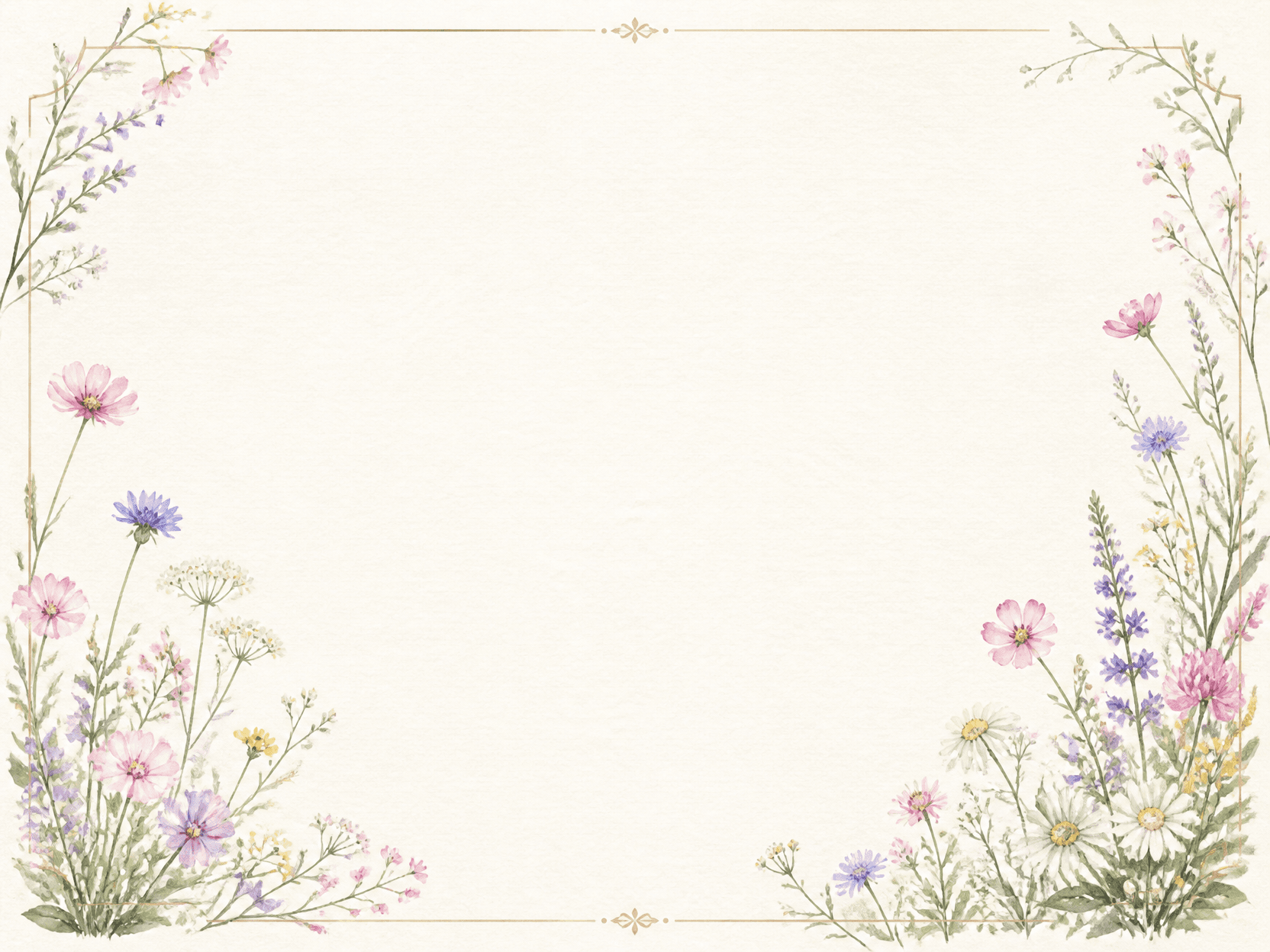
Floral Letter Paper Design
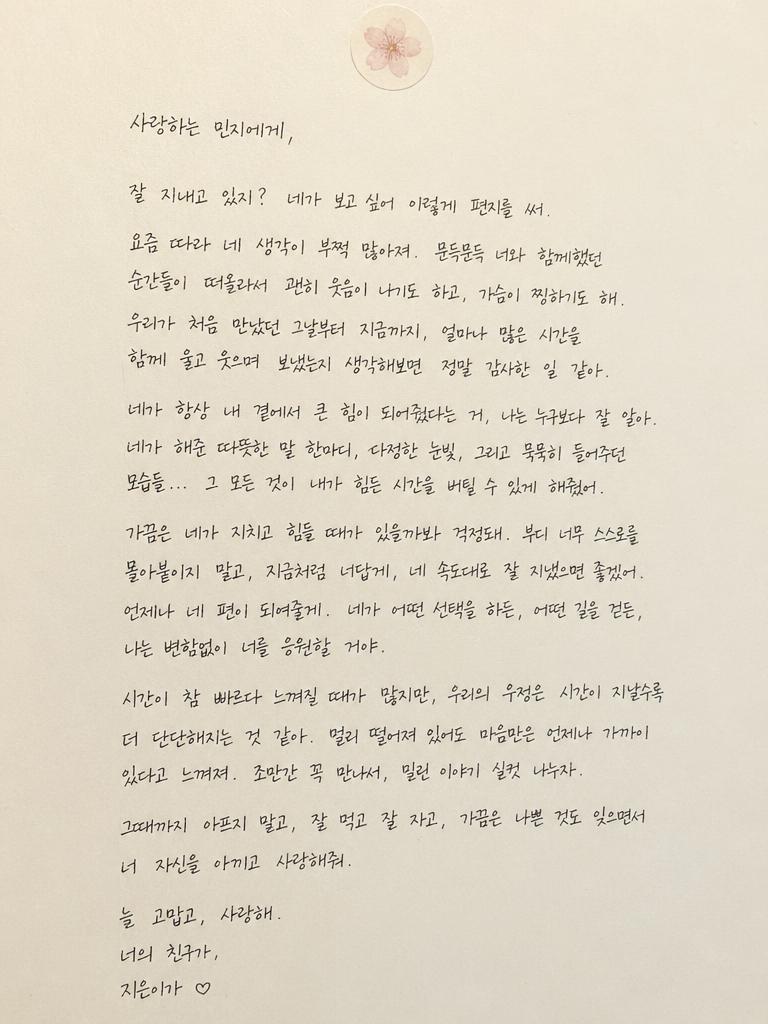
Hyper-realistic Handwritten Korean Letter on Cream Stationery
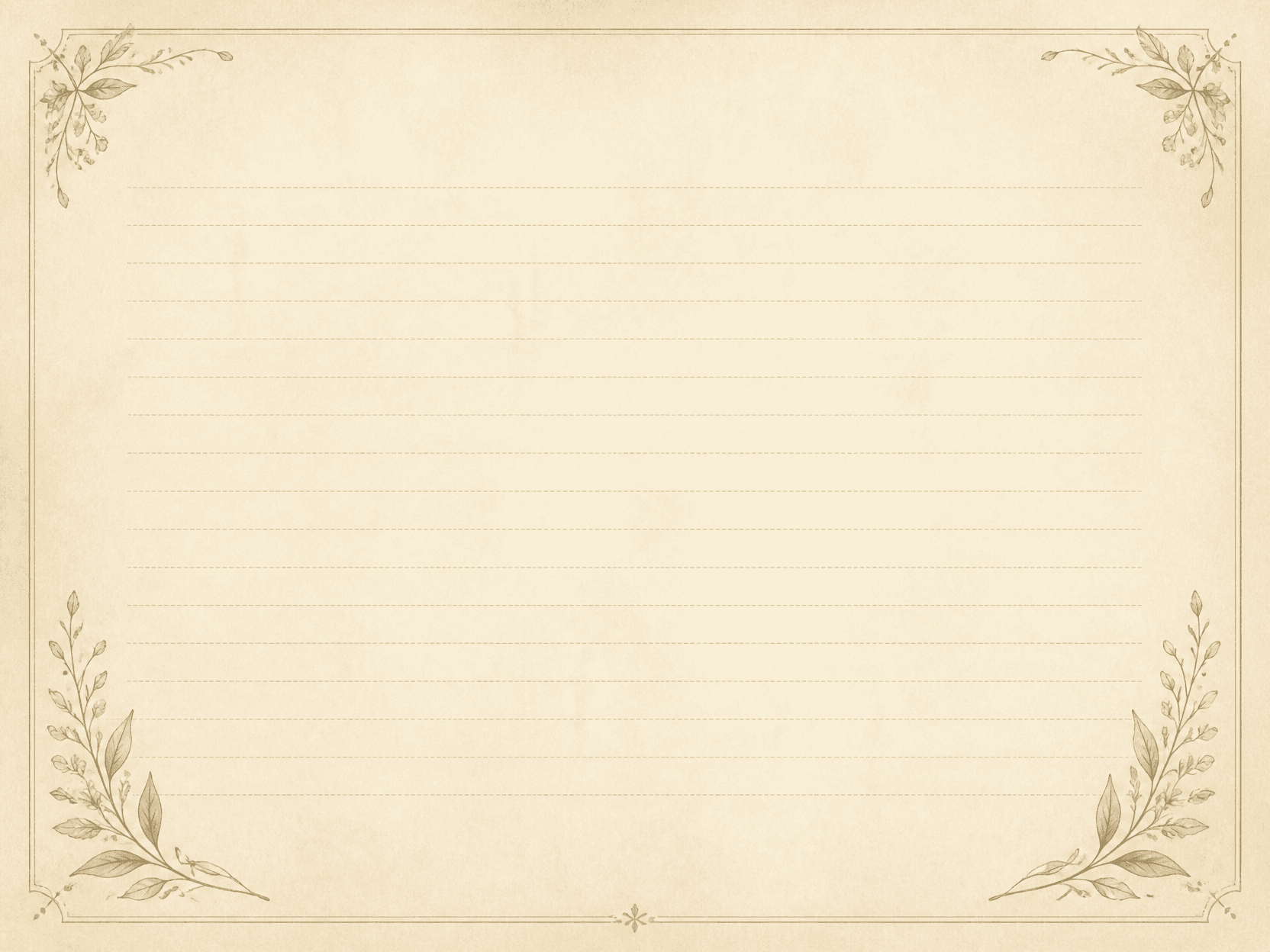
Vintage Letter Paper Design
What are Letter Paper AI prompts?
Letter Paper prompts guide you to produce a precise image framework including specific subject placement, close-focus details, material textures, environment props, lighting dynamics, and direct channel aspect ratio. The main purpose is not just to gather simple style guidelines, but to outline a predictable environment that can be deployed into actual campaigns, product listings, banners, or editing pipelines without unexpected drift. A high-quality prompt defines what the primary focus should be and what must stay in the background margin.
Main use cases
- 빈티지 편지지 디자인
- 귀여운 동물 편지지
- 플라워 편지지 디자인
- 손으로 쓴 한국어 편지
Why this tag is useful
Letter Paper creations often require strict control over framing to be useful. By standardizing the parameters of your prompt (such as background density, camera lenses, finishing colors, and light distribution) you ensure the generated results can actually be formatted for multi-channel usage without awkward visual cropping. It also allows developers and designers to evaluate multiple stylistic variations safely while preserving the core composition. Rather than relying on random adjective combinations, a structured approach helps the generative model make intentional design choices.
When optimizing a prompt, iterate stepwise by updating one specific key-value parameter at a time. This establishes a clean path for evaluating improvements. For motion-based assets, remember to integrate timing, target movement, camera speed, transition hooks, and ending states to make sure the clip fits nicely into modern social channels. Specific cinematic and visual directives remain the most powerful mechanism for getting the perfect Letter Paper output on the first try.
Related prompts to explore
Prompt building tips
- Set the exact layout ratio from the beginning to match the target social channel or printing frame.
- State the central subject with clear details, then build around it with specific environmental objects, key lights, and background colors.
- Add negative parameters to secure your composition and prevent unwanted details such as text distortion, awkward crops, or confusing shapes.
- Keep your base sentence and replace only one specific component per test run. This guarantees a safe path toward production-ready Letter Paper assets.
常见问题
They are used to create structured letter paper design assets for campaigns, social posts, thumbnails, product pages, and concept drafts.
Yes, but you should replace the subject, brand cues, color palette, and aspect ratio to match your project.
Use 1:1 for feeds, 9:16 for shortform video, and 16:9 for banners, thumbnails, or cinematic layouts.
They are useful for drafts and creative direction, but final assets should be reviewed for text, logos, likeness, and detail quality.
Use the prompt type that matches the tag, and add motion, timing, and camera direction when adapting an image idea to video.
You can reference and adapt the prompt text, while generation itself follows the pricing and credit rules of the tool you use.
Change one variable at a time such as lighting, lens, background, texture, or motion so you can see what improves the output.