AI Picture Book
A practical guide for AI picture books that balances scene flow, text-safe composition, and consistent illustration style.
2026.07.29
Make “AI Picture Book” exactly the way you wantCreate your own “AI Picture Book”
Just ask in plain language — Carat generates optimized images and videos for you.

Start now with 100 free credits daily

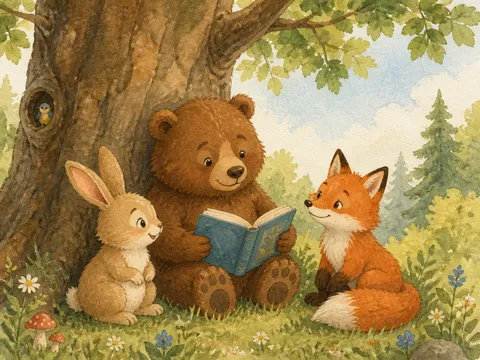
Soft Poetic Children's Book Illustration
Starting Point for AI Picture Books
In picture book projects, scene sequence matters more than a single beautiful frame. Begin with emotional flow, then assign a clear role to each page: intro calm, development rise, and ending resolution. This keeps every image on the same narrative track. Decide where text will sit before final rendering, because composition mistakes are much harder to correct after rendering.
Scene Decomposition and Role Clarity
Separate character, background, and props into distinct functions. Character carries emotion, background sets direction, and props provide memory anchors. Commands such as centered character, simple background, and space for text maintain focus through every page. For close-up pages, reduce secondary objects and allow more room around the main face and hands so the story remains legible.
Visual Tone and Material Balance
A picture book can use a single family style while still varying intensity by scene. Soft low-saturation scenes are suitable for calm moments, while slightly stronger contrast can highlight conflict points. Use texture vocabulary such as watercolor wash, textured paper grain, and clean lineart consistently, but control intensity per chapter. This keeps visual identity stable and prevents tonal fatigue.
Composition and Reading Path
Define the expected reading path in the prompt by setting where attention begins and how it moves next. If the page is crowded, remove minor decorative objects and prioritize main subjects. In tall formats, keep enough whitespace for captions and avoid placing critical details near crop edges.
Final Delivery Checklist
Before final use, verify scene continuity, expression progression, and whether each page leaves room for captions. Confirm character consistency across sections and compare mobile and print preview behavior for color and contrast. Store the base character sheet, tone guide, and composition template as reusable versions for faster future installments.",