Cubism Prompts
Cubism prompts help turn portraits, still life scenes, and city views into geometric compositions with fragmented planes, multiple viewpoints, bold outlines, and painterly texture.
2026.06.02
Make “Cubism Prompts” exactly the way you wantCreate your own “Cubism Prompts”
Just ask in plain language — Carat generates optimized images and videos for you.

Start now with 100 free credits daily
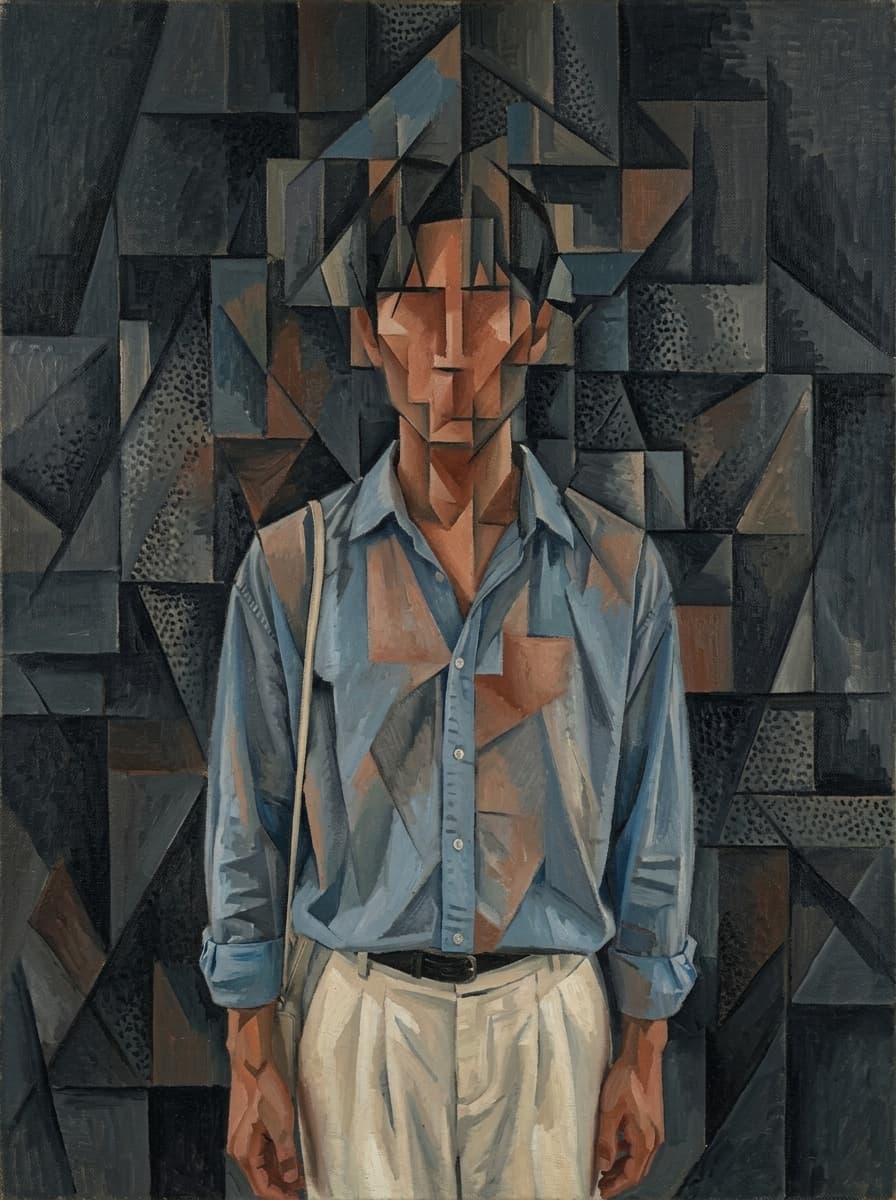
Braque-Inspired Analytical Cubist Figure
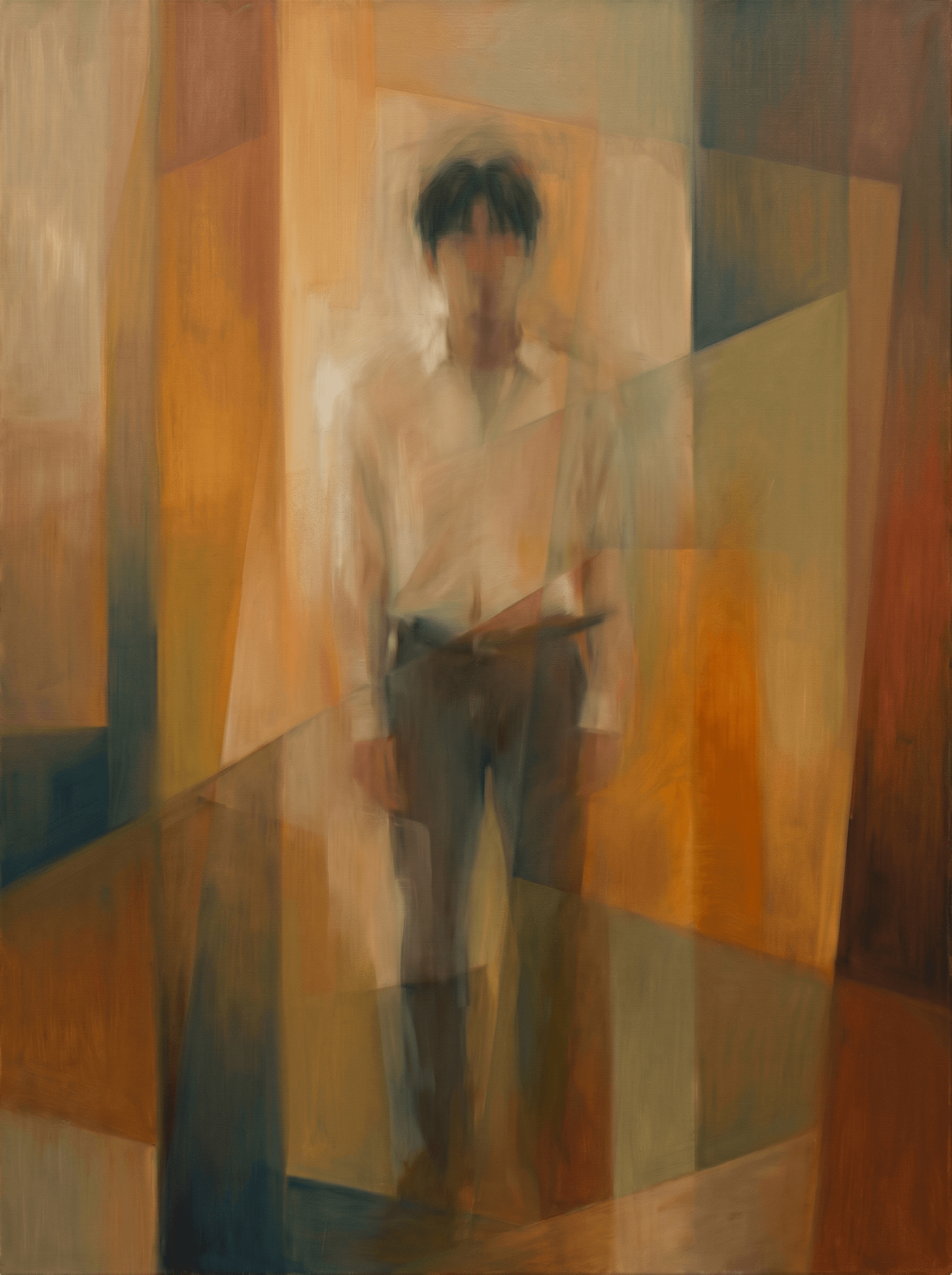
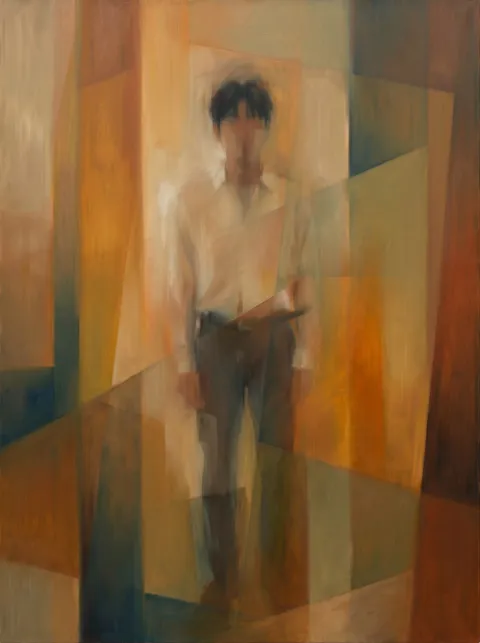
Warm Geometric Cubist Figure
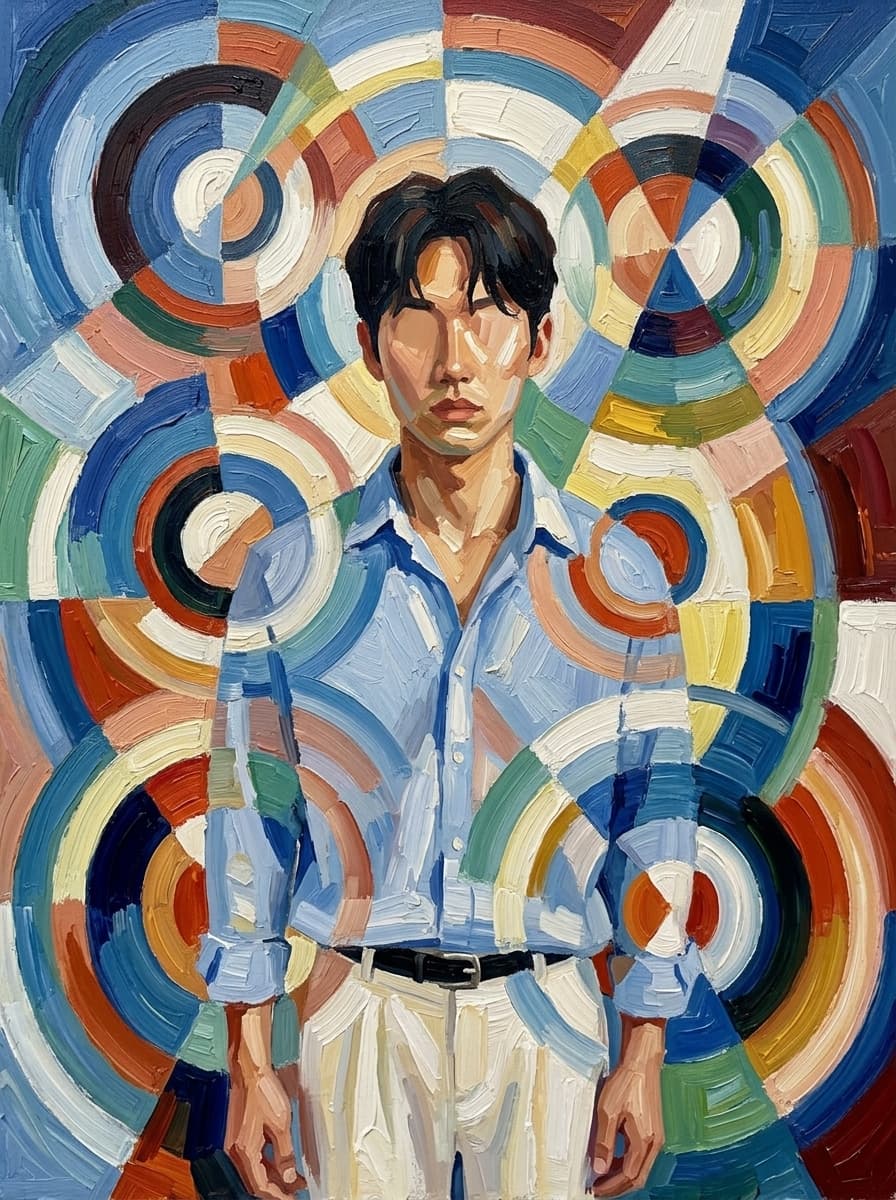
Orphism Circular Color Abstraction
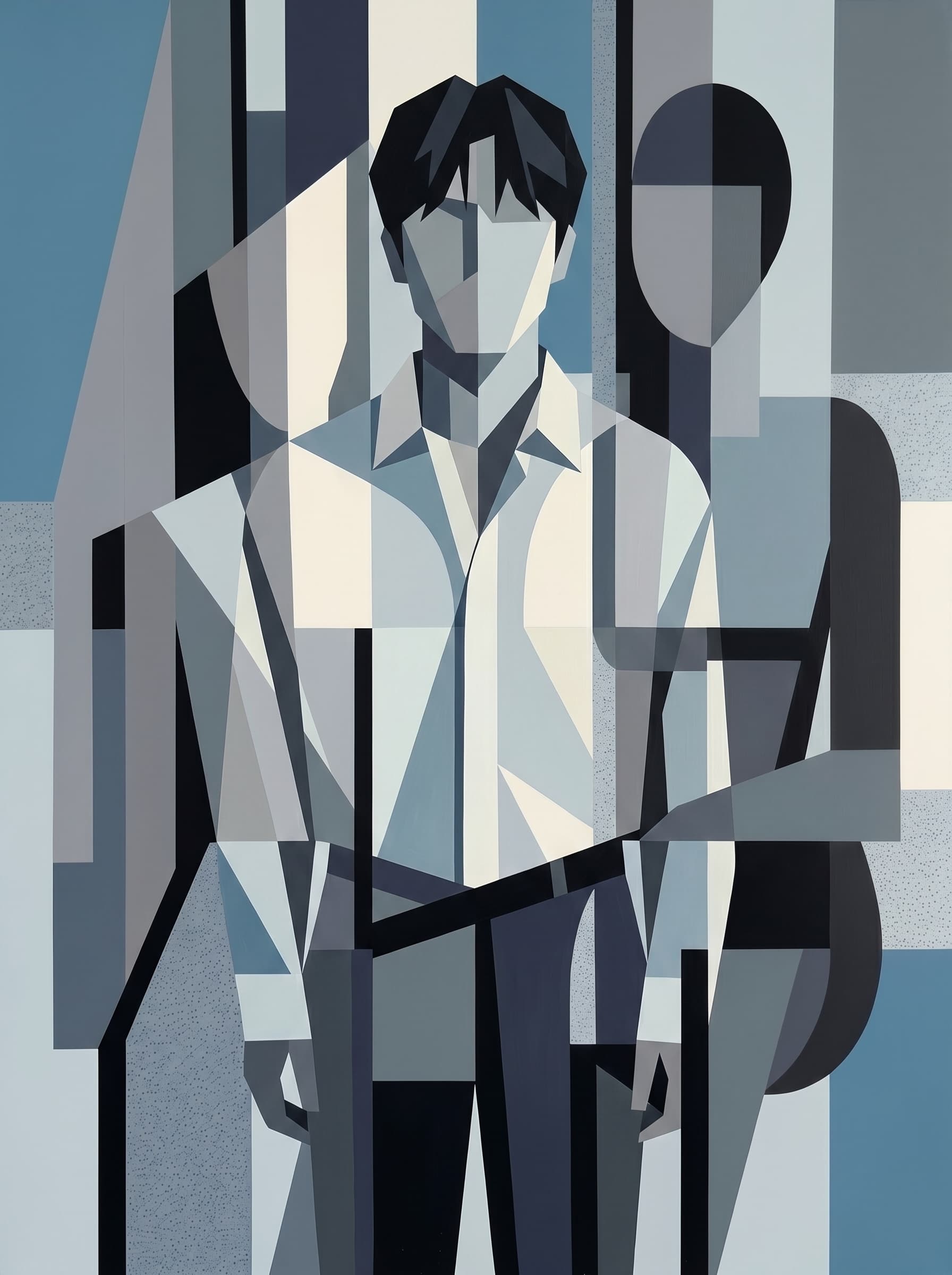
Cool-Toned Graphic Cubist Figure
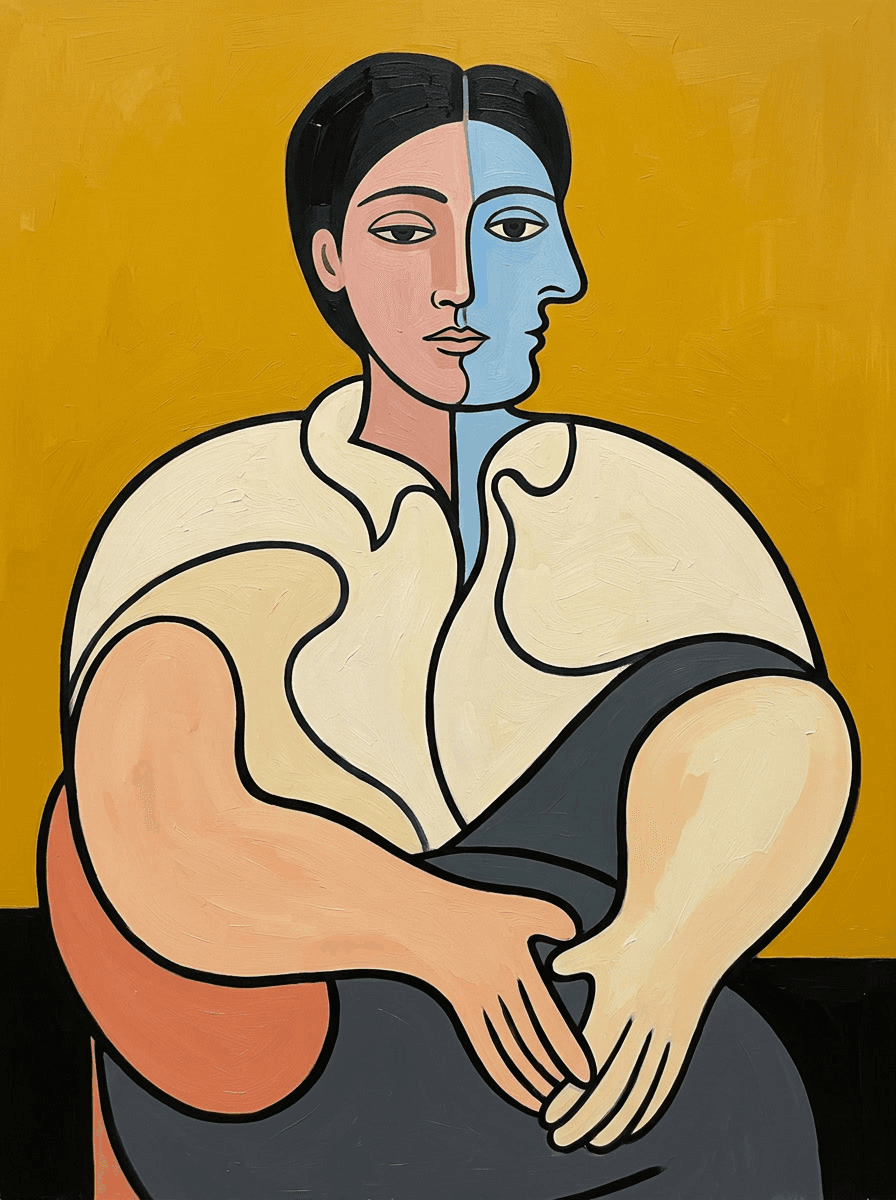
Picasso-Inspired Cubist Portrait
What Are Cubism AI Prompts?
Cubism reconstructs a single subject as if seen from several angles at once, breaking a face, still life, or street scene into angular planes and shifted perspectives. The result has a strong sculptural rhythm that departs sharply from realistic depiction. In Carat, you can use Nano Banana 2 to turn one portrait photo into a cubist painting, then adjust the color blocks or change the aspect ratio to continue it into a poster or an album cover.
Where You'll Use It
- Transforming a portrait photo into a Picasso-style painting
- Key visuals for gallery posters and art prints
- Album covers and record artwork
- Experimental graphic backgrounds for brand goods and packaging
- Geometric reinterpretations of still life, instruments, and cityscapes
Why This Tag Is Useful
Cubism works well for AI image generation because its core instructions are visual and concrete. Instead of writing only cubism style, describe how the subject is fragmented, the color palette, the line weight, and the background density, and the output becomes far more consistent. Muted browns and slate blues lean toward classic analytical cubism, while brighter color blocks and collage texture move it toward synthetic cubism.
Tips for Crafting Prompts
- Narrow the composition to one main subject and decide how far to break it apart.
- For portraits, combine front and side views in one frame with asymmetric eyes and angular cheek planes.
- Name the palette and the contrast between color blocks to lock the style direction.
- For posters leave negative space for typography, and for fine art emphasize canvas grain and brush marks.
Once the subject and color planes are set, generate directly in Carat, pick the version you like, and keep refining it with color edits or aspect ratio changes for posters and covers.