Create respectful AI prompts for Dokdo card news that explain geography, history, and nature through a clear visual sequence.
2026.07.17
Make “Dokdo Card News” exactly the way you wantCreate your own “Dokdo Card News”
Just ask in plain language — Carat generates optimized images and videos for you.

Start now with 100 free credits daily
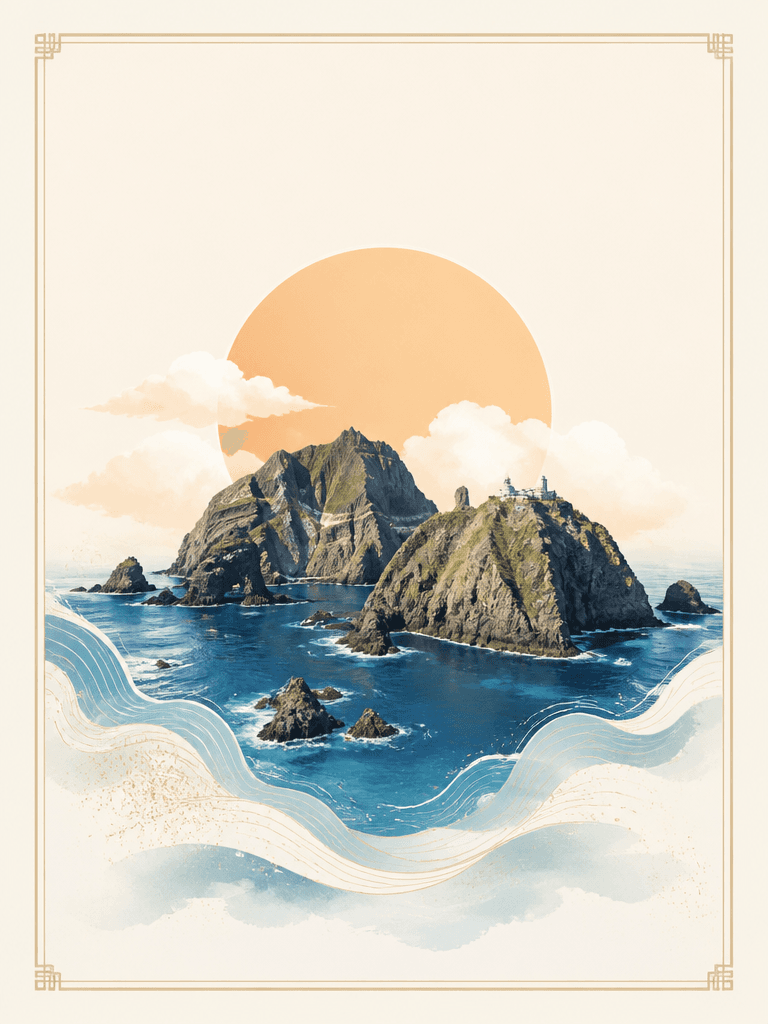
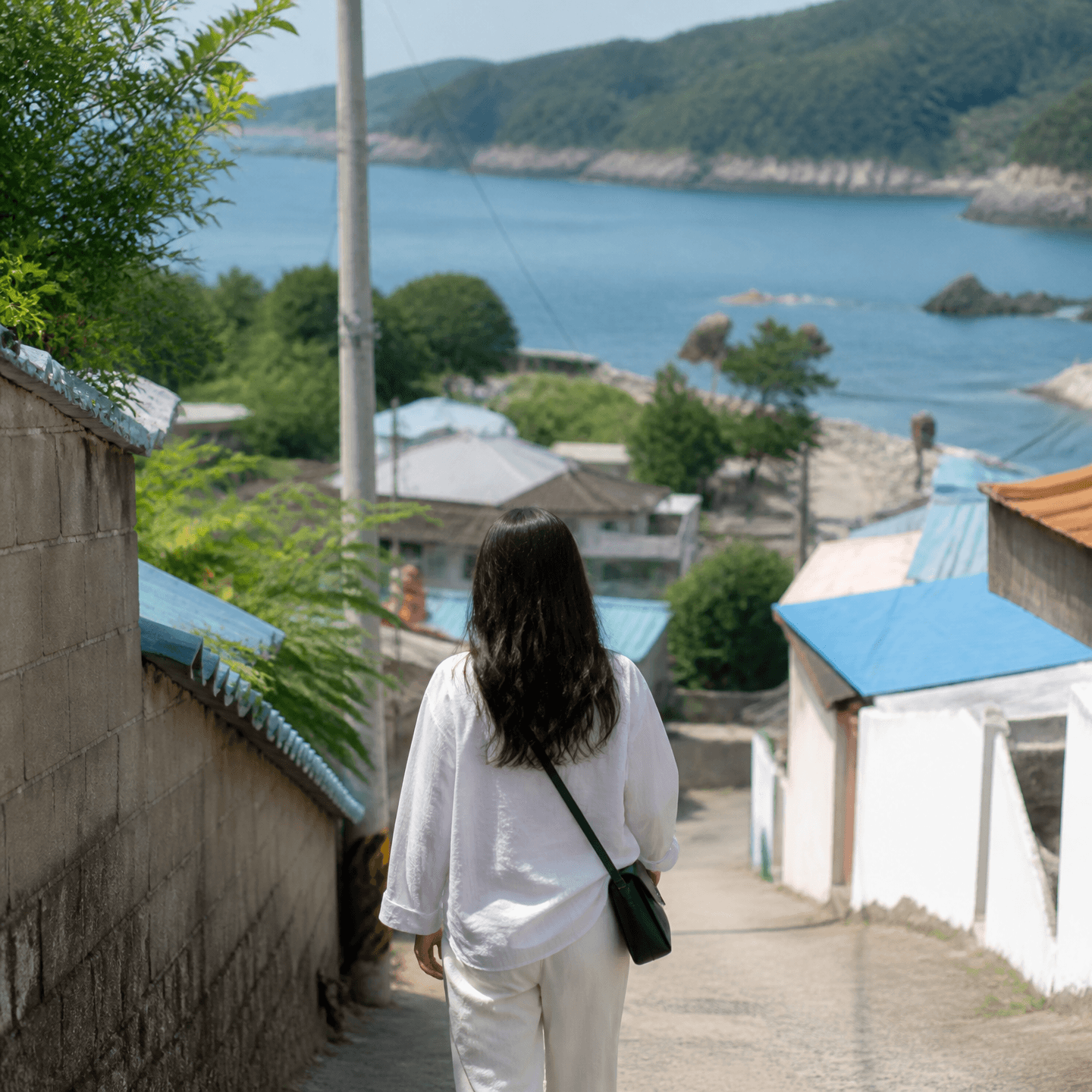
Dokdo card news AI prompts help turn information about Dokdo’s location, landscape, and historical context into a readable visual sequence. Instead of placing every fact on one crowded image, assign a purpose to each card: cover, location map, natural landscape, key facts, and source note. A calm palette inspired by the sea and rocks, generous margins, and a clear hierarchy make the series useful for education, cultural communication, and public information. A respectful tone matters because the subject carries historical and civic significance. The prompt should describe the audience, the level of detail, and the evidence that must be reviewed after generation.
State the number of cards, the role of each card, the audience, the facts to display, the desired ratio, and the visual tone. For a map card, describe the direction, location relationship, and labels that need special attention. For a landscape card, specify the rocky island, sea condition, season, weather, and viewpoint. Ask for short headlines, readable information blocks, and a dedicated source area so the design does not sacrifice accuracy for decoration.
A restrained blue and neutral stone palette can establish a coherent visual identity. Keep the title position, border treatment, icon language, and spacing consistent across the sequence. Let the island or map carry the visual focus, then use concise captions for supporting facts. Design for a phone thumbnail first: the headline and main image should remain legible when the full card is reduced. A consistent grid also makes it easier to replace AI-generated text with verified copy later.
Treat generated maps, dates, measurements, place names, and historical statements as drafts rather than verified sources. Compare every factual element with authoritative references and add a clear citation when appropriate. Review whether the wording is balanced and understandable for the intended audience. If a photograph, icon, or logo is included, check its usage rights. Finally, inspect the cards on a mobile screen for clipped headlines, unreadable captions, and inconsistent alignment before publishing.