A product advertising prompt for showing frame materials, lens reflections, and wearable fashion appeal in eyewear campaigns.
2026.07.17
Make “Eyewear Advertising” exactly the way you wantCreate your own “Eyewear Advertising”
Just ask in plain language — Carat generates optimized images and videos for you.

Start now with 100 free credits daily
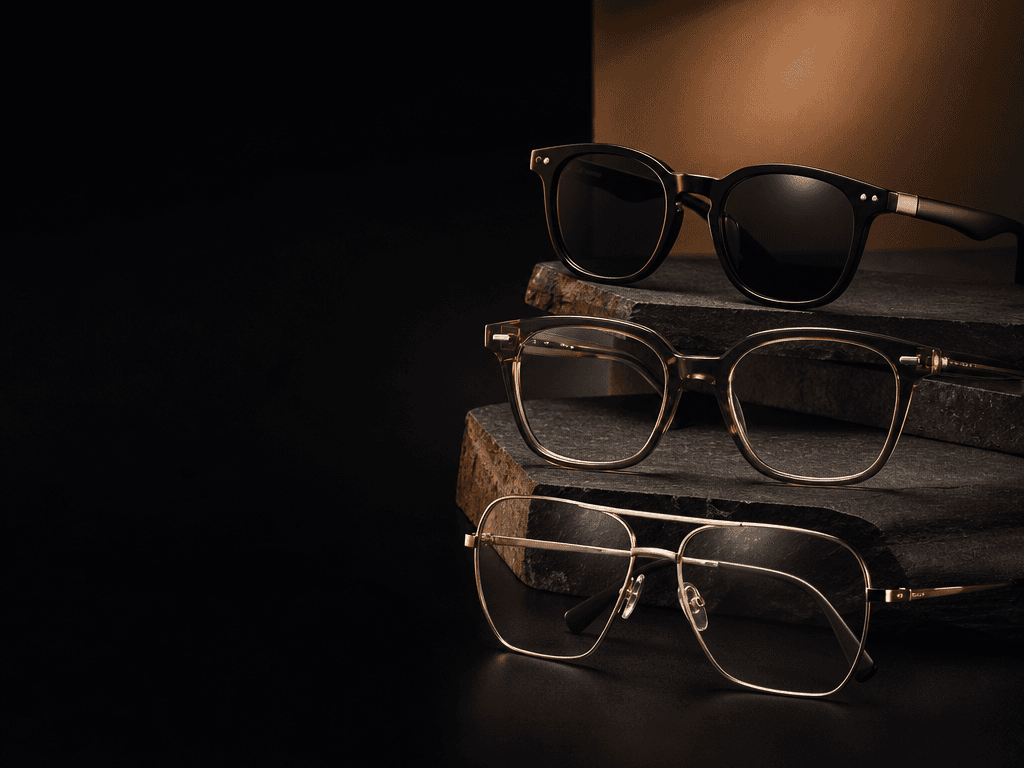
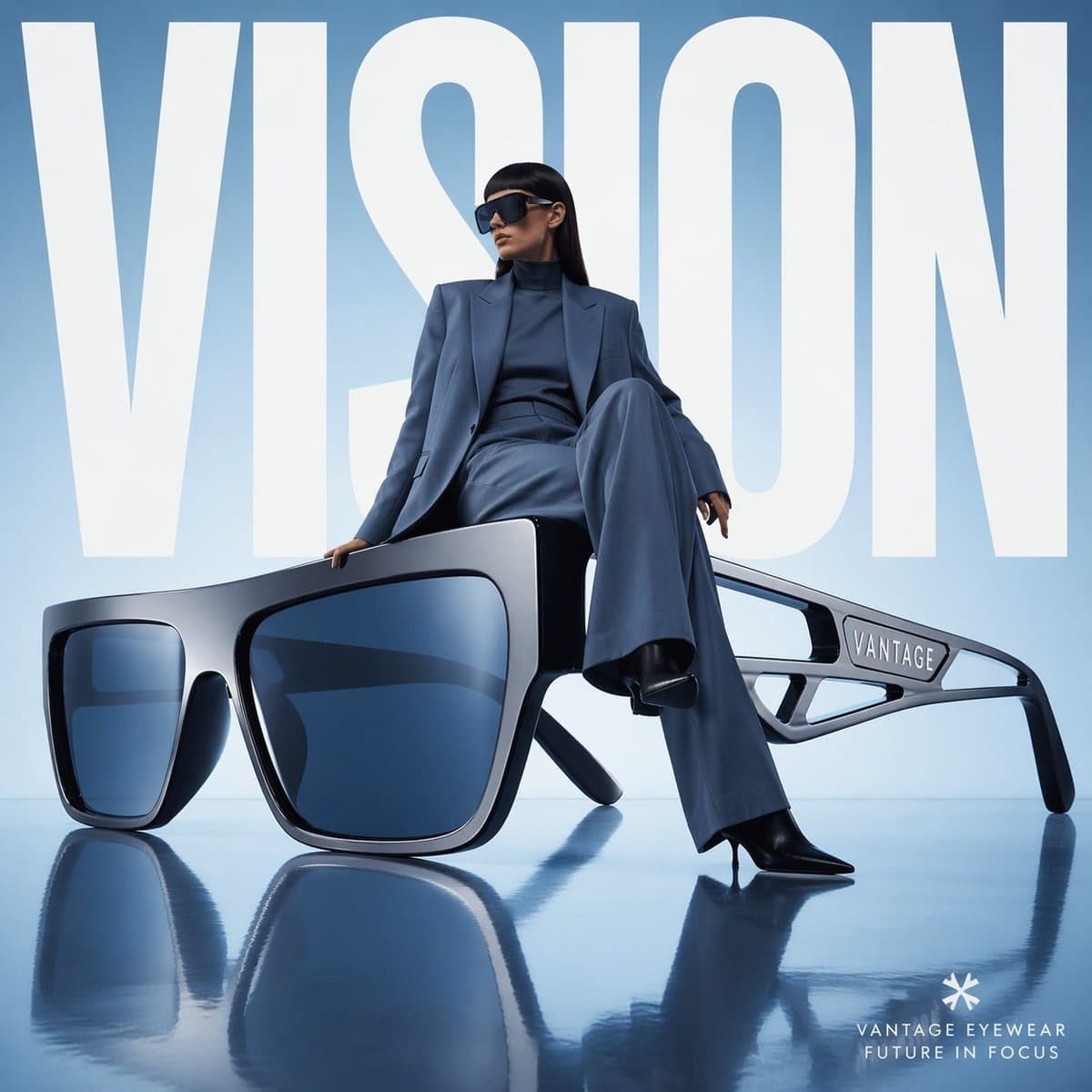
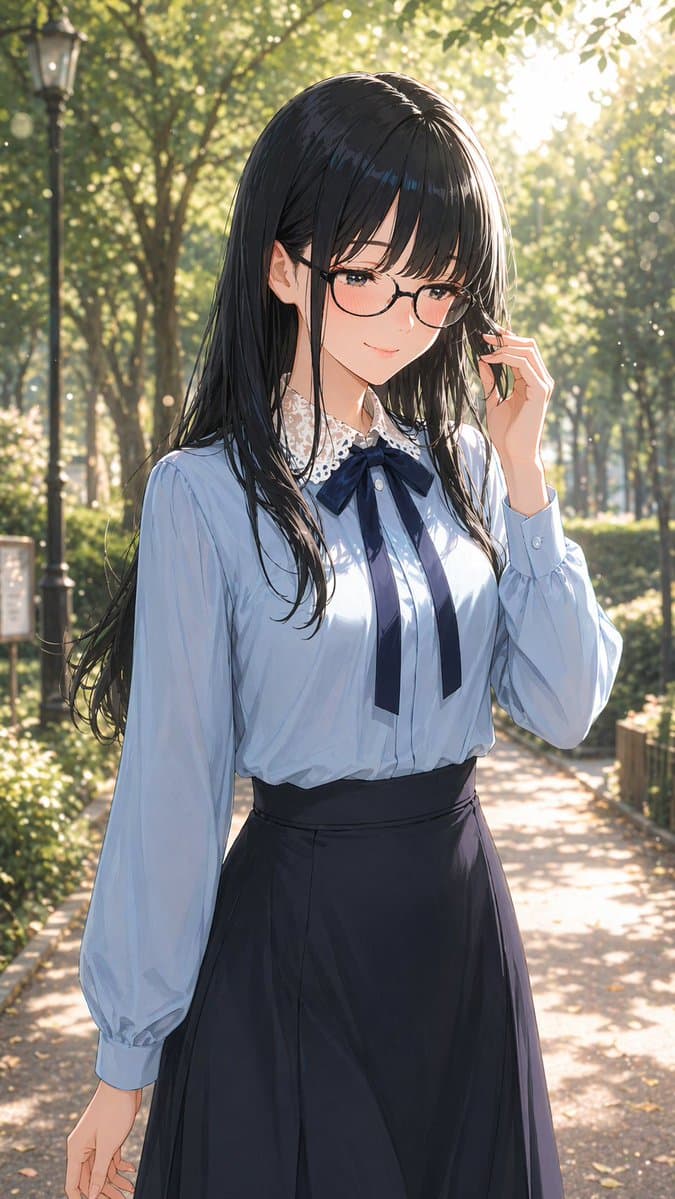
Eyewear advertising prompts direct an image model to balance frame geometry, lens behavior, and the expression of a person wearing the product. The goal is more specific than a generic portrait: the bridge, temples, rim thickness, finish, lens tint, and fit should remain visible while the scene communicates a brand mood. Decide whether the output is a standalone pack shot, a model campaign image, a store hero banner, or a launch announcement before writing the prompt. That choice determines the camera distance, negative space, and amount of styling.
A new frame often benefits from a neutral studio background and a close product view that makes the silhouette easy to inspect. A fashion campaign can use clothing, expression, architectural light, and a controlled editorial palette to show how the frame changes the wearer’s impression. Sunglasses and tinted lenses need an explicit description of transmission, color, and reflection. For a web banner, place the product to one side and preserve a clean area for copy. For a product page, request front, three-quarter, and side views so the construction is not hidden by a single pose.
Symmetry and proportion matter in eyewear because customers judge the fit from the image. Upload a clear reference and specify which angle should preserve the bridge, rim, hinge, or temple. Ask for a controlled reflection so the eyes and frame remain readable. Describe how the nose pads and temples should meet the face instead of allowing an impossible floating pose. If the brand mark is not supplied as an approved asset, do not ask the model to invent one. Generated logos and product names must be replaced with official files before publication.
Describe observable materials first: slim titanium, translucent acetate, brushed metal, warm tortoiseshell, or a soft gray lens. Follow with lens behavior, key light, fill, background surface, model styling, expression, and aspect ratio. A portrait lens and shallow depth of field can focus attention on the wearer, while a product shot should keep the entire frame sharp. Mention the intended placement of advertising copy and the maximum amount of visual clutter. Specific constraints produce a more usable campaign board than broad adjectives alone.
Before release, compare the rendered frame with the physical product, verify lens color and dimensions, confirm logo permissions, and review the model-image usage scope. Use generated images to explore campaign direction, then finalize commercial claims and identity assets with controlled source files.