Prompts for arranging food to highlight shape, color, texture, and menu photography composition.
2026.07.17
Make “Food Plating” exactly the way you wantCreate your own “Food Plating”
Just ask in plain language — Carat generates optimized images and videos for you.

Start now with 100 free credits daily
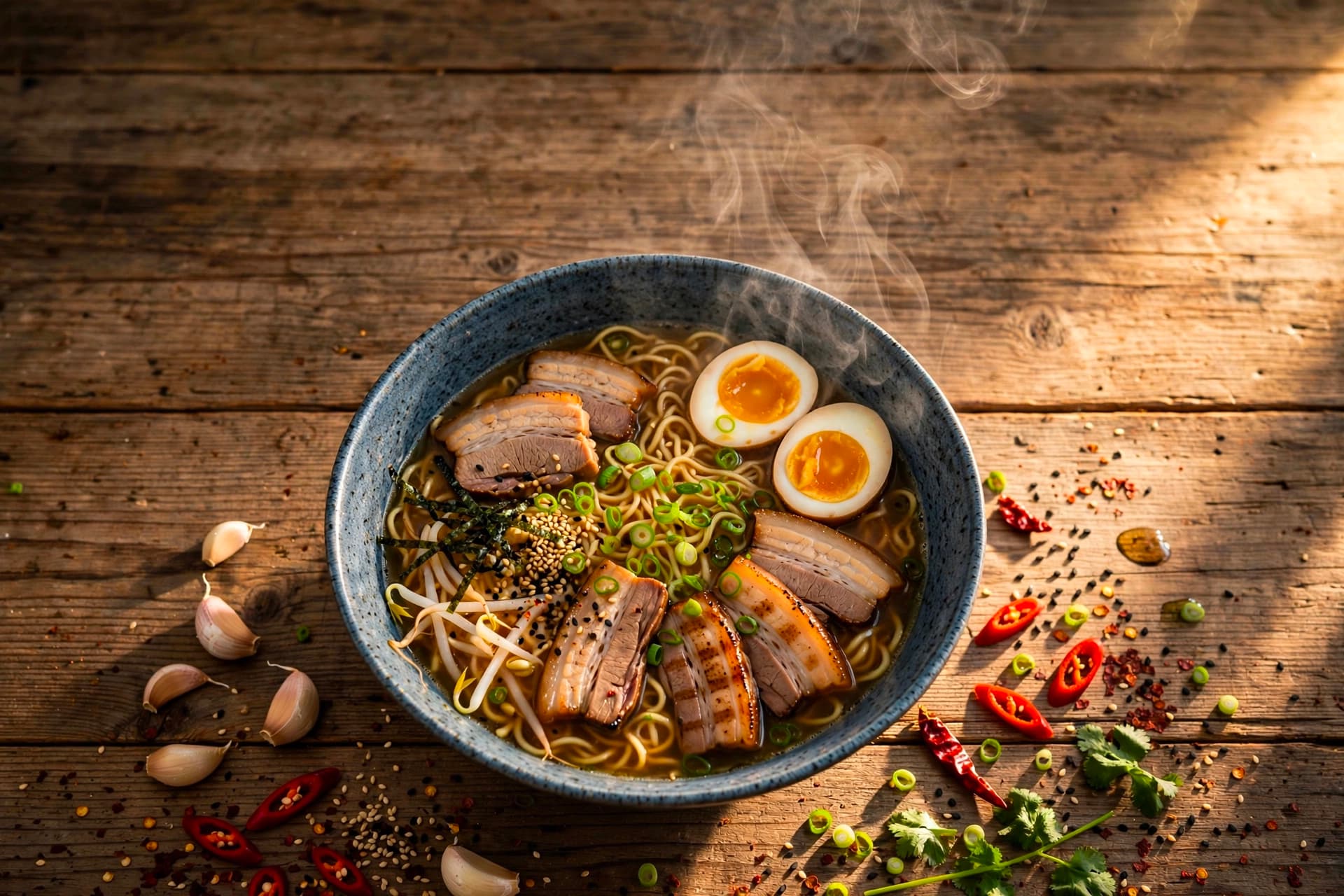
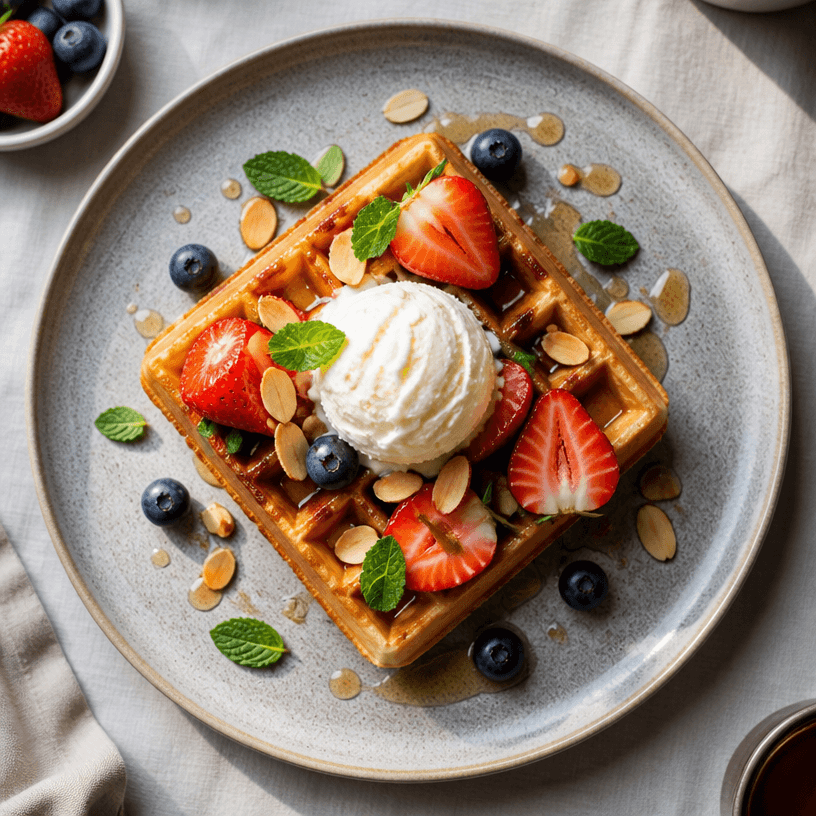
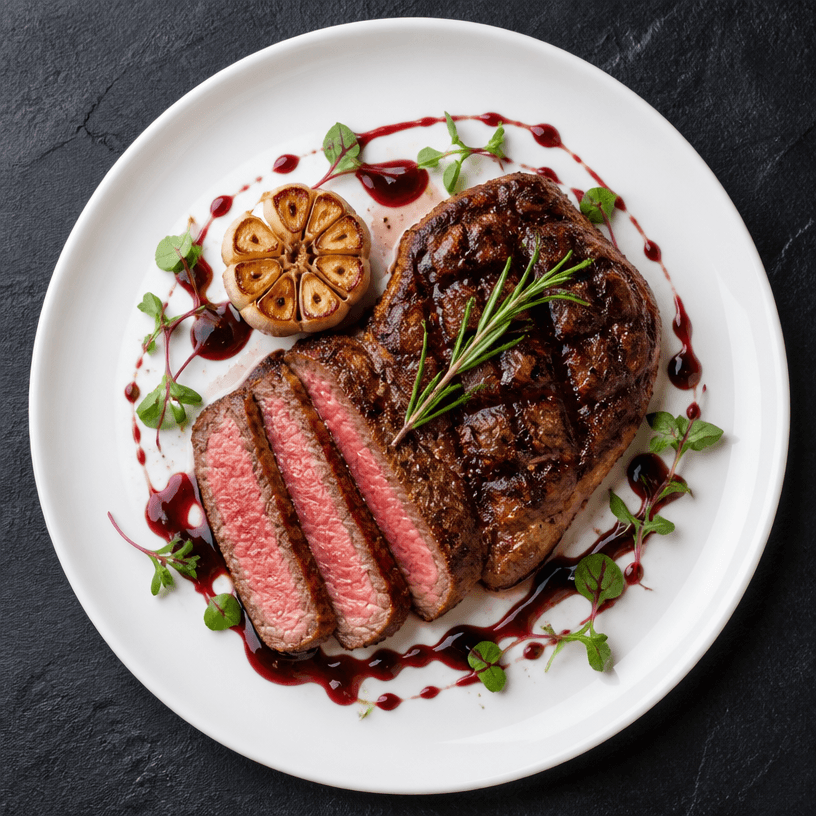
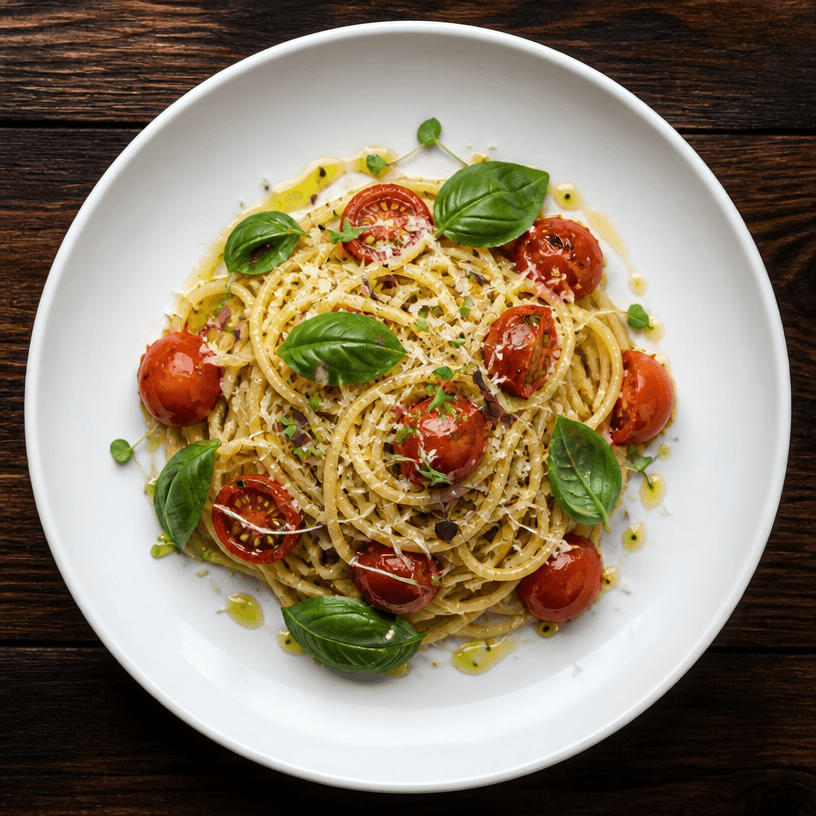
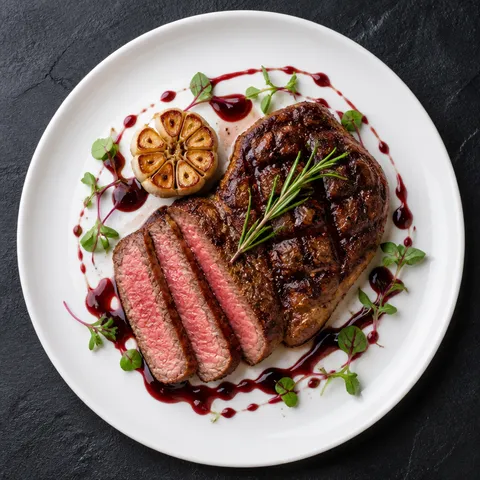
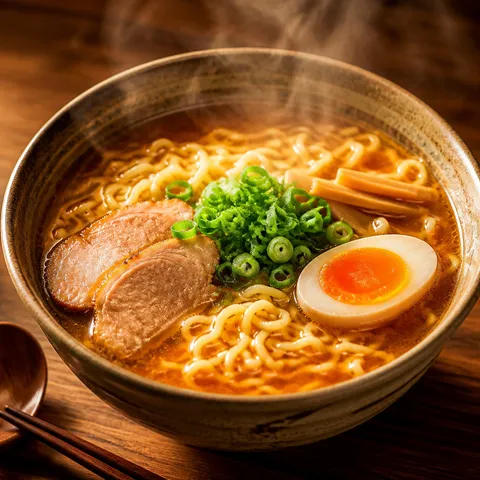
Food plating AI prompts describe how ingredients should be arranged and photographed on a plate. Defining the position of the main element, sauce movement, garnish spacing, plate material, table color, camera angle, and light direction produces a more intentional menu visual than simply naming a dish. These prompts are useful for restaurant menus, delivery app images, launch campaigns, recipe cards, and food brand concept boards.
Decide what the viewer should notice first. A crisp crust, glossy sauce, fresh herb, or layered interior can become the focal texture. Specify plate shape, negative space, height variation, odd-number grouping, and whether the sauce forms a line, pool, or dots. Choose one camera view, such as straight-on, 45 degrees, or overhead, and describe the light as soft window light or directional studio light. Specific visual constraints help the composition remain deliberate.
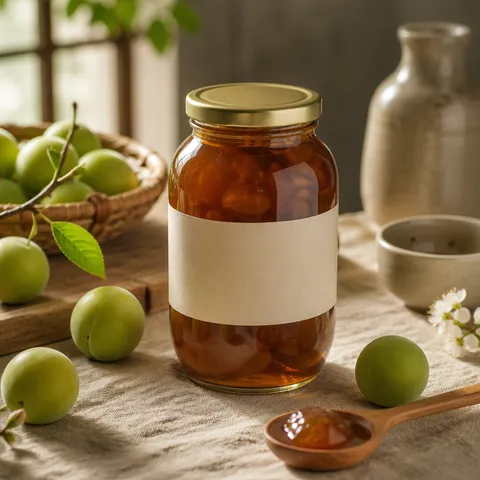
Describe the dish together with its cooking state, ingredient scale, plate material, and background mood. A fine-dining concept may use dark stone and restrained colors, while a cafe menu may use bright daylight and casual props. If copy will be added later, leave clean space around the dish and add brand names or packaging marks in an editor rather than generating them into the image. For a consistent series, lock the camera, background, and color treatment while changing only the dish and accent ingredient.
Generated food may differ from the real recipe, serving size, cooking state, or ingredients. Verify allergy, origin, and nutrition information from official sources instead of relying on image text. Compare promotional visuals with the actual menu so customers are not misled. Check that herbs, sauces, cutlery, and plate edges are not repeated or distorted before using the result in public-facing materials.