Furry Character Illustration
Practical Furry Character Illustration prompt guidance for composition and styling.
2026.08.12
Make “Furry Character Illustration” exactly the way you wantCreate your own “Furry Character Illustration”
Just ask in plain language — Carat generates optimized images and videos for you.

Start now with 100 free credits daily
No prompts available
Furry Character Illustration prompt guide
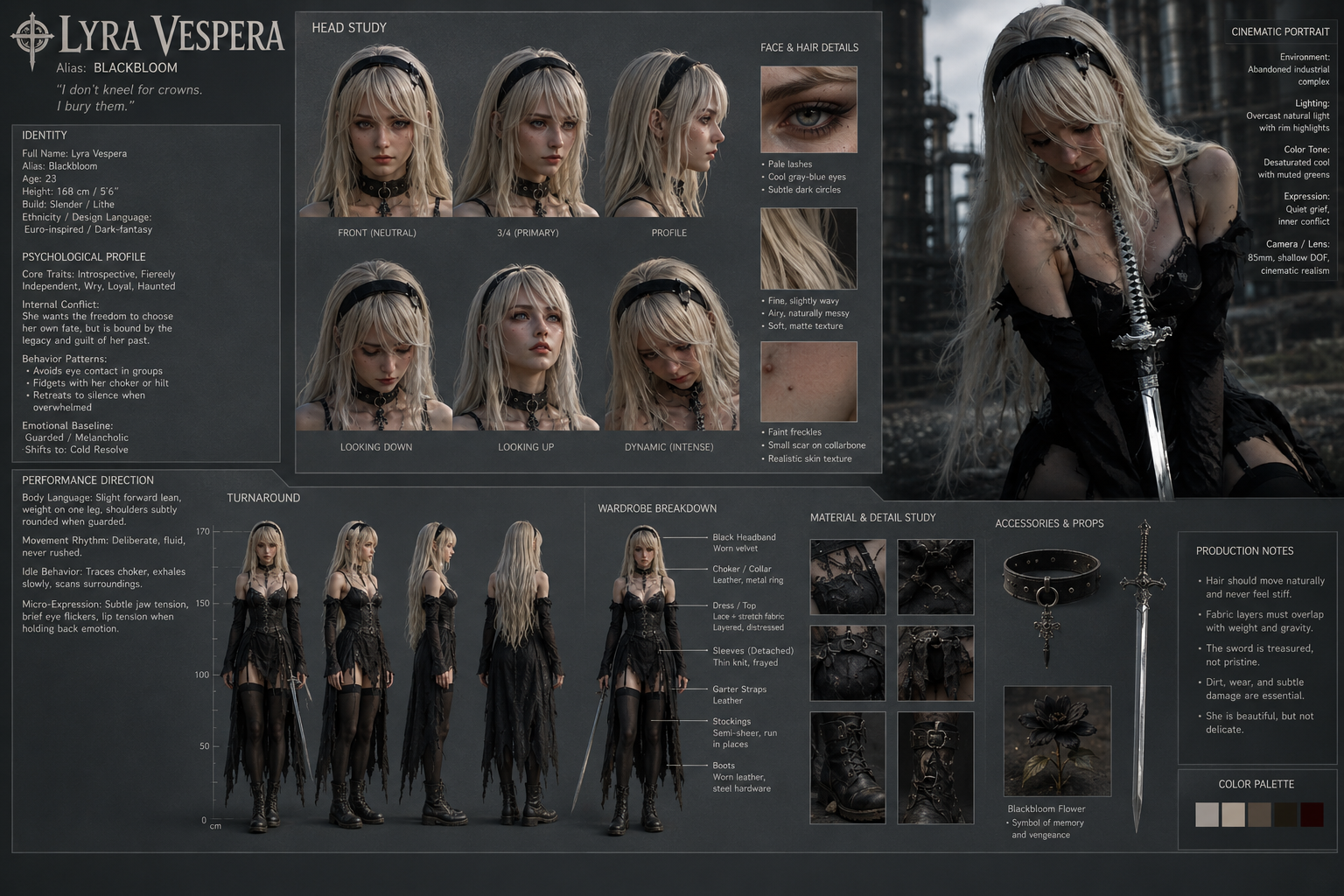
Furry Character Illustration imagery becomes more consistent when the subject, silhouette, material, camera distance, lighting direction, and setting are described together. This page uses a original anthropomorphic character design direction so the central idea remains readable at a glance. Instead of relying on a broad style label, define visible structure, expression, texture, framing, and exclusions such as logos or meaningless lettering. The result is a repeatable base for controlled variations and faster review.
Composition essentials
Choose one visual anchor that identifies the topic immediately. Set camera height and framing before adding minor details, then describe pose and gaze. For hairstyles, separate fringe, layers, volume, taper, and curl intensity into observable instructions. For characters, lock the relationship between face, clothing, props, and silhouette. Specify both light direction and softness, while keeping the background quiet enough to support the subject.
Useful applications
This prompt can support 캐릭터·웹툰·애니 concept boards, profile imagery, styling references, social posts, and early character development. Keep composition and instruction order stable while changing palette, clothing, or setting for a coherent series. Hairstyle references can support salon consultations, while character images can help establish an original project direction. Before public use, check that the result does not reproduce a protected character or identifiable person without permission.
Refinement method
Move the defining feature earlier if the subject loses clarity. Reduce props and palette variation when the background competes with the subject. Simplify the pose to improve faces and hands. For hair, adjust length, layers, fringe direction, curl strength, and volume separately. If fur or fabric becomes muddy, add one surface-texture instruction and one lighting cue at a time. Comparing versions with a single changed variable makes the improvement easier to identify.
Review checklist
Confirm that the Furry Character Illustration concept remains clear at thumbnail size. Inspect face and hand anatomy, hair or fur structure, duplicate props, extra people, and cropped edge elements. Check for watermarks and meaningless text, then review aspect ratio and breathing room for the intended use. Character work should remain original, while hairstyle references should make the requested layers and volume plainly visible.