Design original horror movie posters with AI prompts that control suspense, cinematic composition, symbolic clues, and theatrical title space.
2026.07.16
Make “Horror Movie Poster” exactly the way you wantCreate your own “Horror Movie Poster”
Just ask in plain language — Carat generates optimized images and videos for you.

Start now with 100 free credits daily
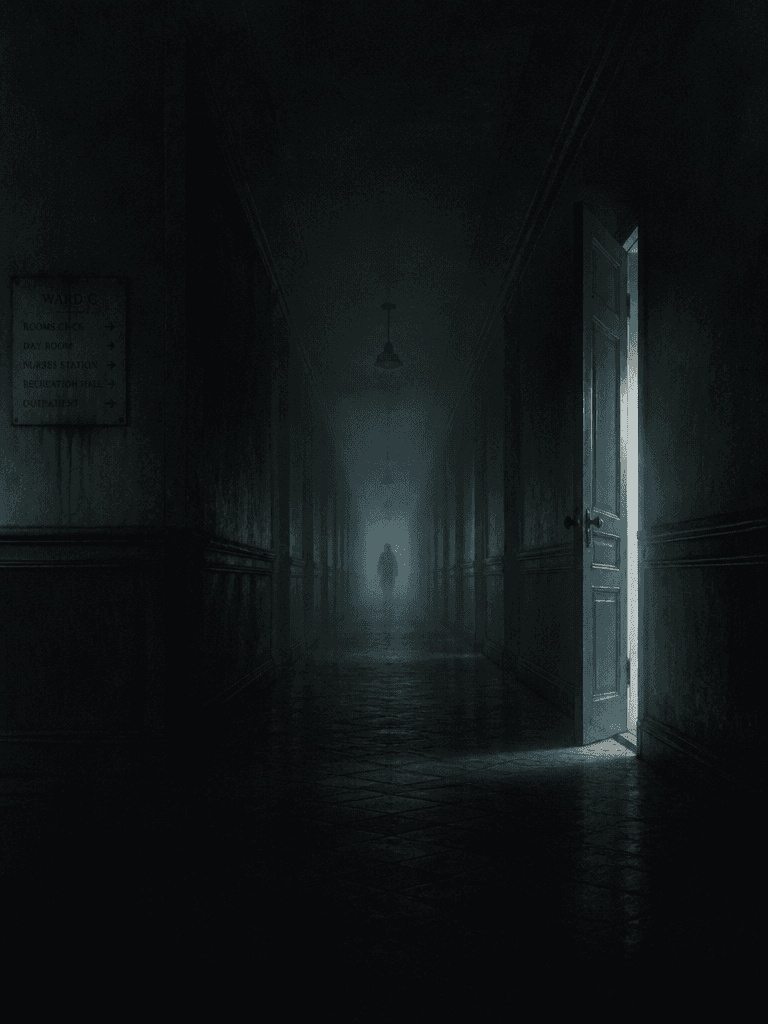
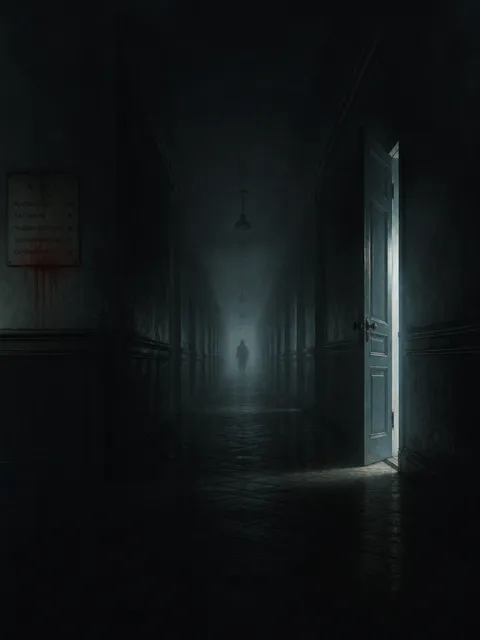
A horror movie poster AI prompt compresses a threat, setting, and story question into one memorable visual clue. Darkness and blood alone rarely communicate a distinctive film. A half-open door, an impossible reflection, an abandoned chair, or a distant silhouette can suggest danger while preserving mystery. Define one primary symbol and connect it to the fictional premise. Partially hiding a face or creature often creates more tension than showing every detail because the viewer completes the threat mentally.
Psychological horror works well with cold color, repeated architecture, wide negative space, and subtle asymmetry. Occult stories may use aged paper, candle residue, and ritual arrangements, but avoid mixing real sacred symbols without narrative purpose. Creature features can reveal scale through footprints, damaged surroundings, shadows, or a small human figure rather than a full monster portrait. For slashers or intense thrillers, weapon silhouettes, pursuit lines, and restrained red lighting can establish danger without explicit injury. This keeps the artwork usable across more advertising channels.
Reserve intentional space at the top or bottom for the title and credit block. Keep one strong focal point in the center or along a deliberate rule-of-thirds intersection. Typography should fit the setting and period, but excessive scratches or distortion can destroy readability. Test whether the door, face, or silhouette remains recognizable at thumbnail size. When adapting the image for a streaming banner, rebuild the balance instead of cropping the sides of a vertical poster. A single motivated light source can direct attention and make the threat feel spatially coherent.
Do not name an existing movie, actor, franchise character, or signature prop in the prompt. Combine general choices such as era, lens, lighting, architecture, and color into a new concept. Review the output for accidental similarity to known posters, watermarks, invented text, excessive gore, and distorted faces or hands. Add the final title, release date, and credit block with a layout tool so every word is accurate. Prepare separate safe-area versions for theaters, social feeds, and streaming services rather than forcing one crop to serve every channel.