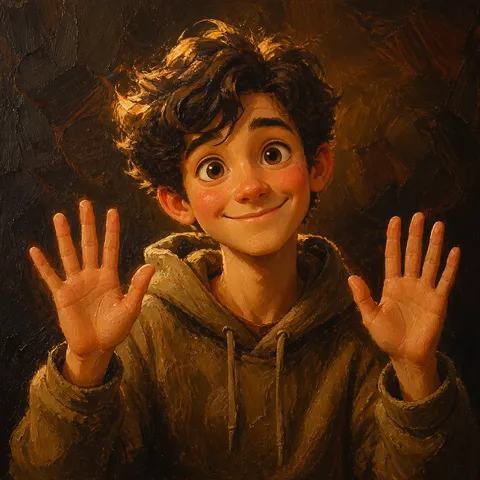
Human Character Prompt
Create consistent human character prompts with stable anatomy, expression, and style control.
2026.07.27
Make “Human Character Prompt” exactly the way you wantCreate your own “Human Character Prompt”
Just ask in plain language — Carat generates optimized images and videos for you.

Start now with 100 free credits daily
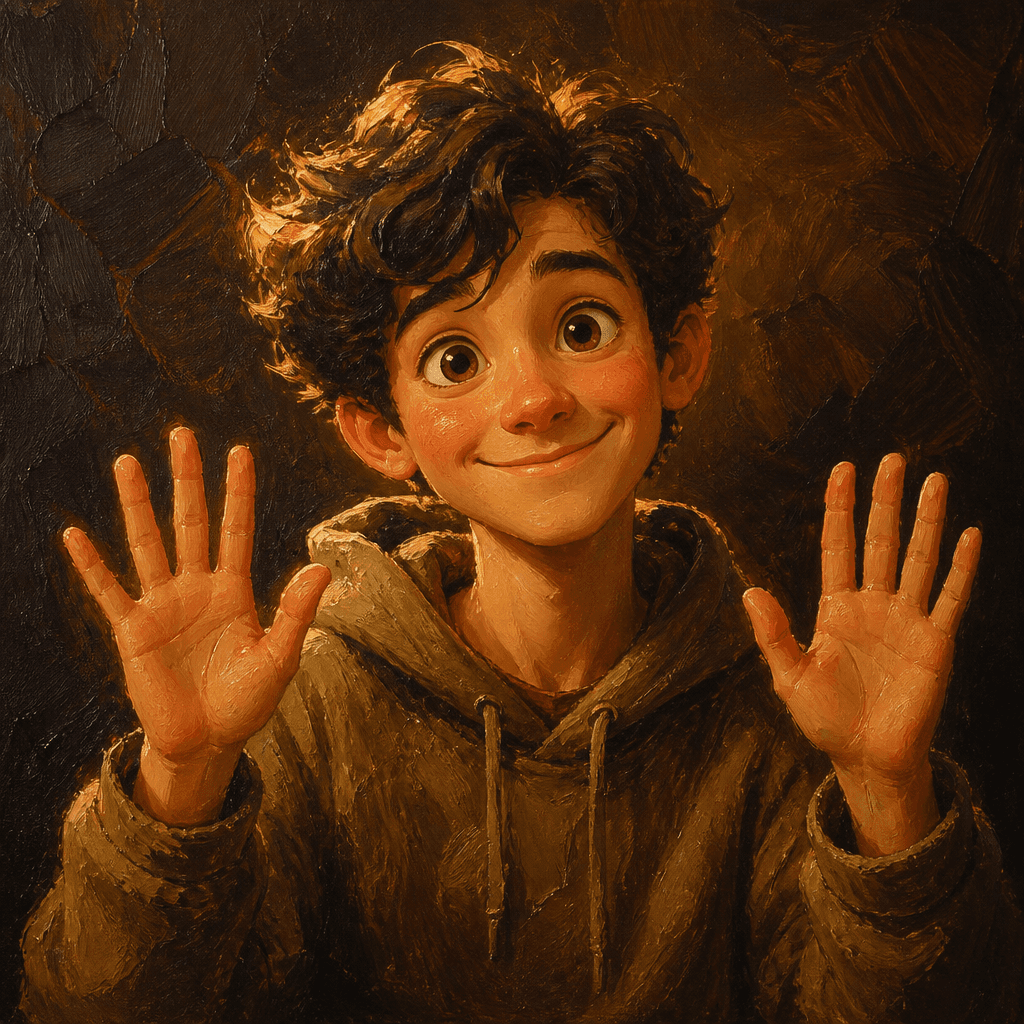
귀여운 사람 캐릭터 일러스트
Core concept
Human character prompts are most useful when identity is locked first. A stable character is not only a better face but also a stable posture, mood, and camera language. This page provides practical blocks that keep person identity readable across different outputs while letting you change scene and style quickly. If you use weak identity statements, every render can drift in a different direction and lose consistency.
Build a stable base identity
Start by fixing age range, body type, skin tone, hair direction, and gaze intent. A base sentence like 'young adult woman, balanced proportions, natural skin texture, neutral eye contact' stabilizes generation. Keep this block at the front of each prompt and move clothing, accessories, and background details to later lines. This improves repeatability when the character is used in many scenes.
Style switching without identity loss
Move from realistic to illustration style by changing only a few style tokens. For example, 'cinematic soft light' and 'editorial realism' can be replaced with 'flat vector look' or 'anime rendering'. As long as face geometry and expression anchor are preserved, identity continuity remains higher. This is helpful for brand lookbooks, social profiles, and campaign assets where viewers should recognize the same person.
Scene and workflow adaptation
The same prompt base can be reused for fashion, portrait branding, and character landing pages. Split your blocks into identity, pose, emotion, style, and lighting sections so editors can adjust one part without editing everything. This cuts production time because each section can be reviewed independently during collaboration.
Copy text and credit model
All prompt text is free to copy for planning, editing, and internal communication. Actual image generation is separate and consumes credits per render. A practical method is to finalize prompt structure first, review multiple short options, and render only selected candidates. This preserves budget and keeps revision cycles focused on final quality.