Korean Traditional Illustration
Explore AI illustration prompts inspired by Korean traditional art, minhwa, hanbok, saju fortune-telling, and cultural heritage.
2026.07.07
Make “Korean Traditional Illustration” exactly the way you wantCreate your own “Korean Traditional Illustration”
Just ask in plain language — Carat generates optimized images and videos for you.

Start now with 100 free credits daily
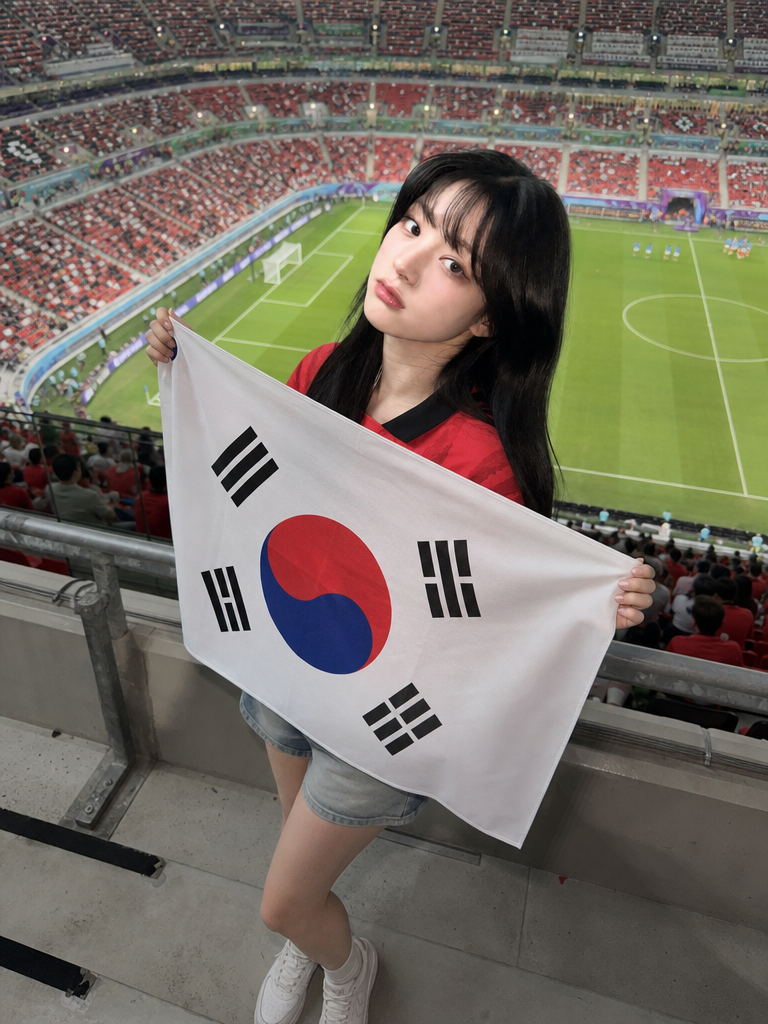
Full-Body Flag Cheering Shot
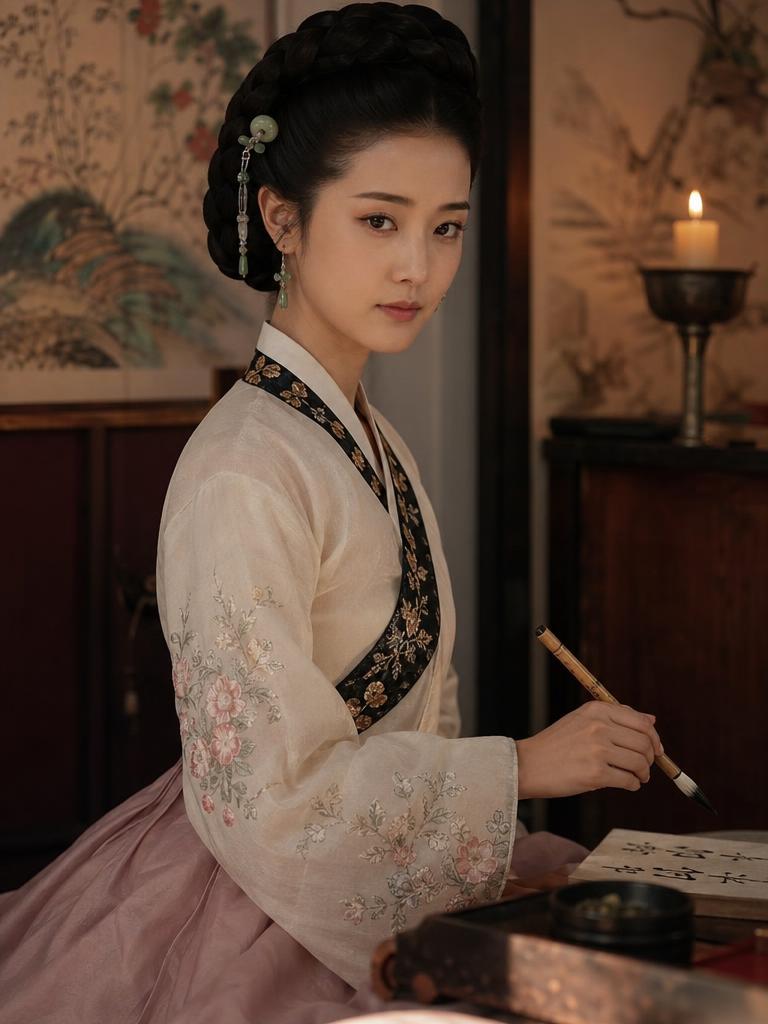
Photorealistic Portrait of Hwang Jini (), the Legendary Joseon-era Korean Gisaeng Poet
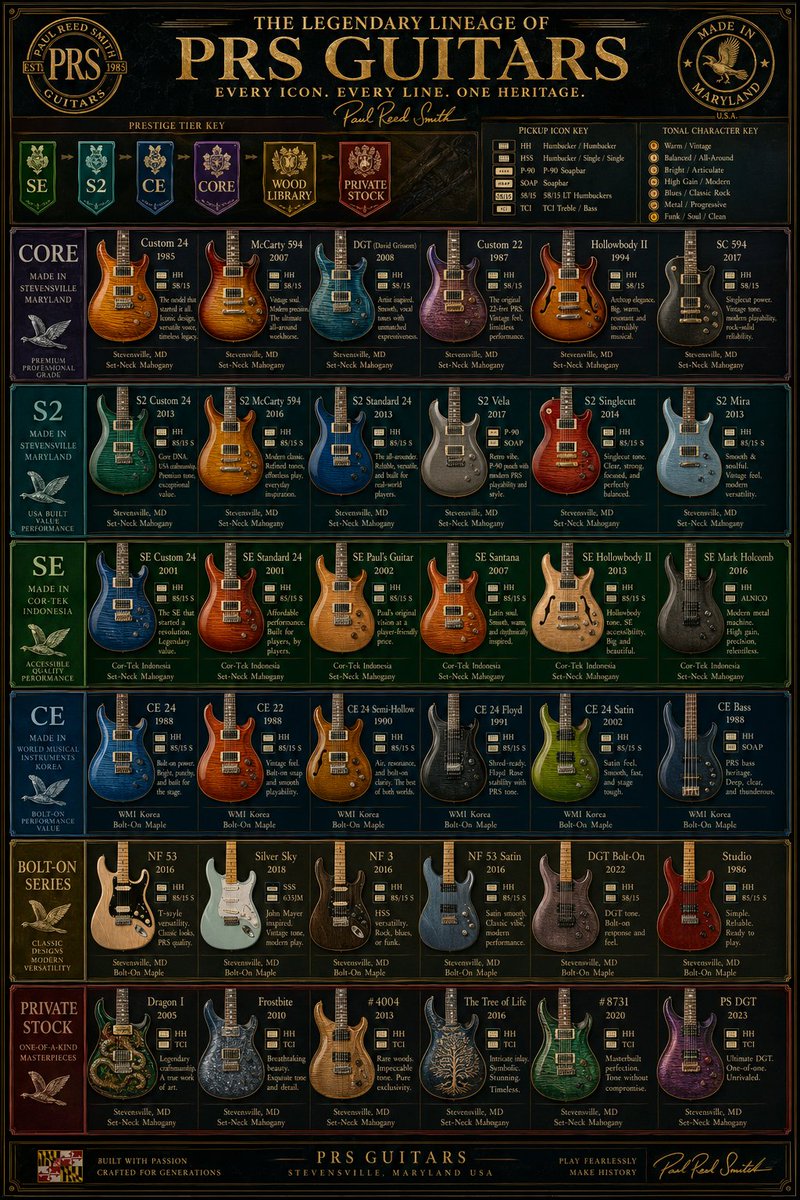
{"type":"luxury Vintage Guitar Comparison Infographic Poster"
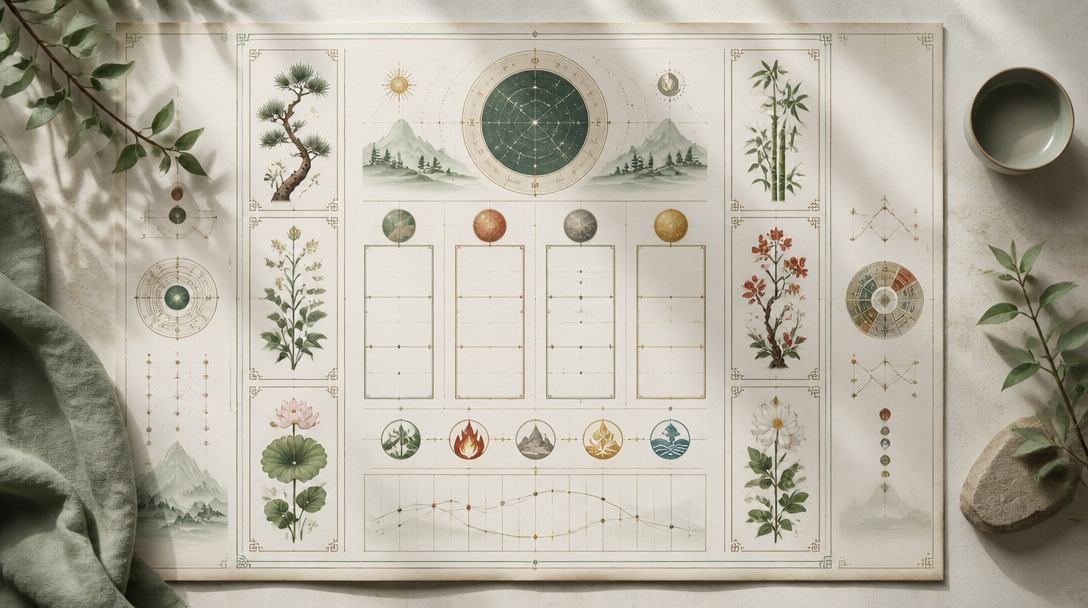
AI 사주
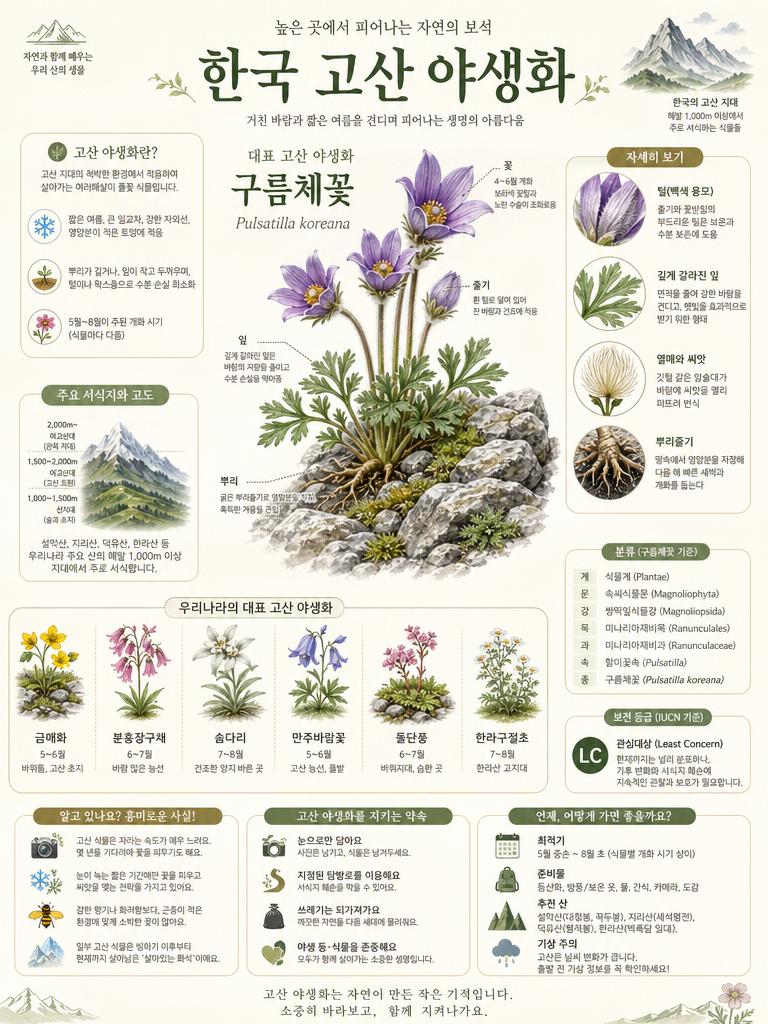
High-quality Vertical Korean Science Encyclopedia Infographic Poster on the Theme of
Crystal Glass Logo
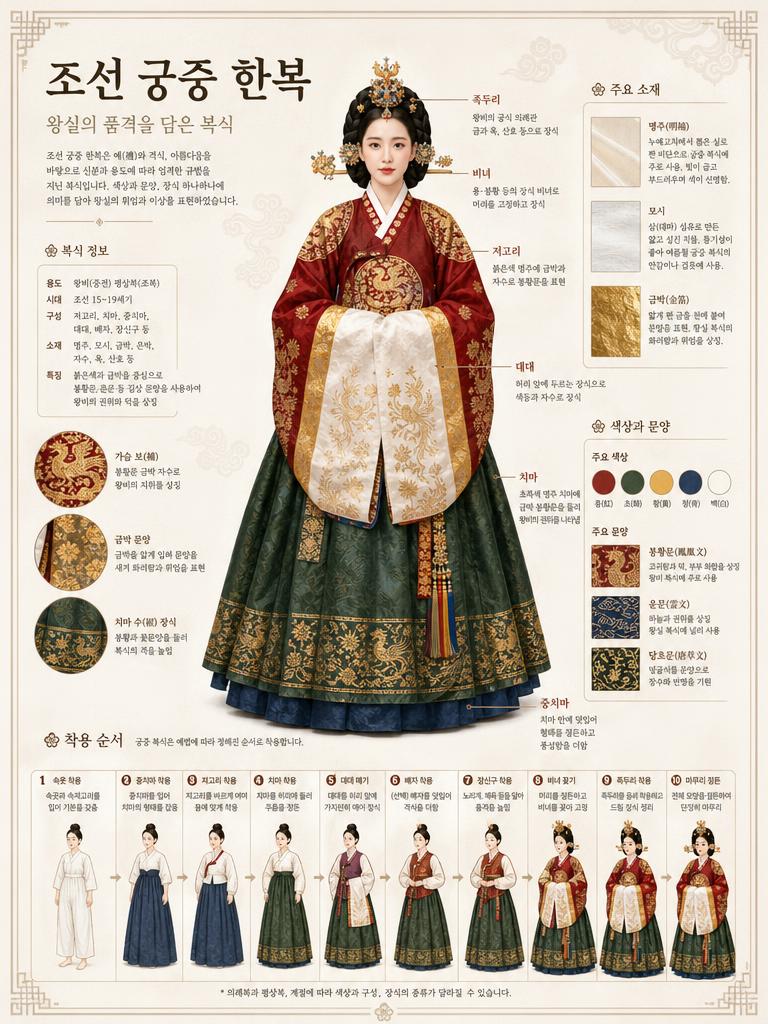
Museum Atlas-style Korean Detailed Infographic About Joseon Court Dress ( )
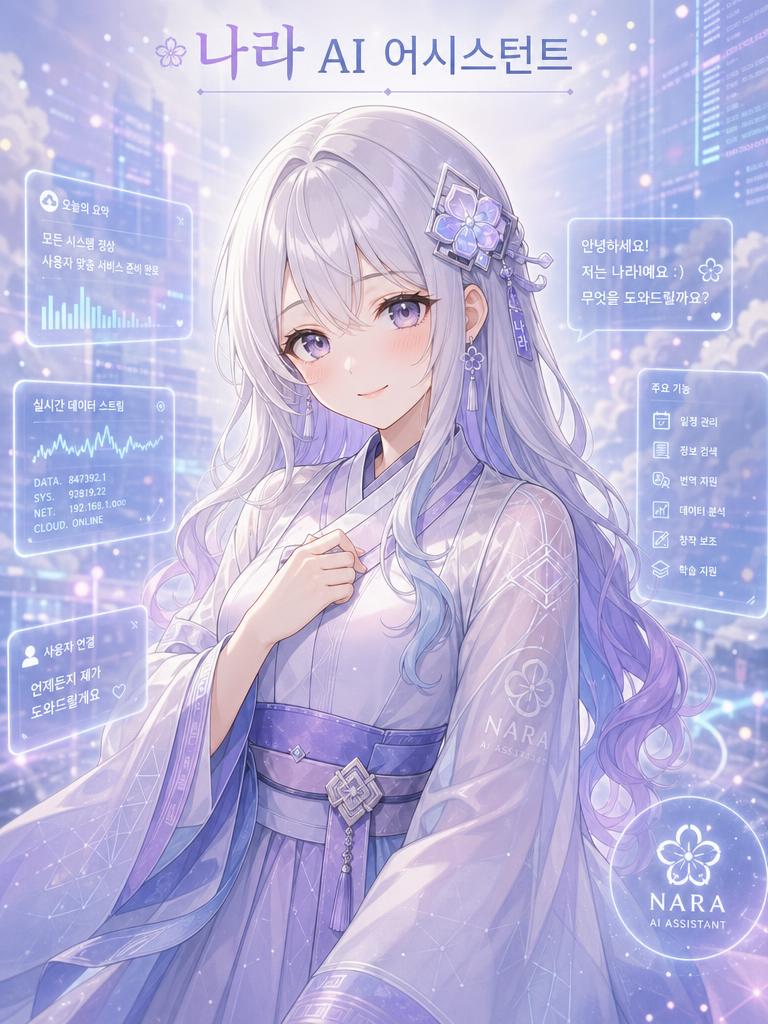
Pastel AI Assistant Anime Portrait
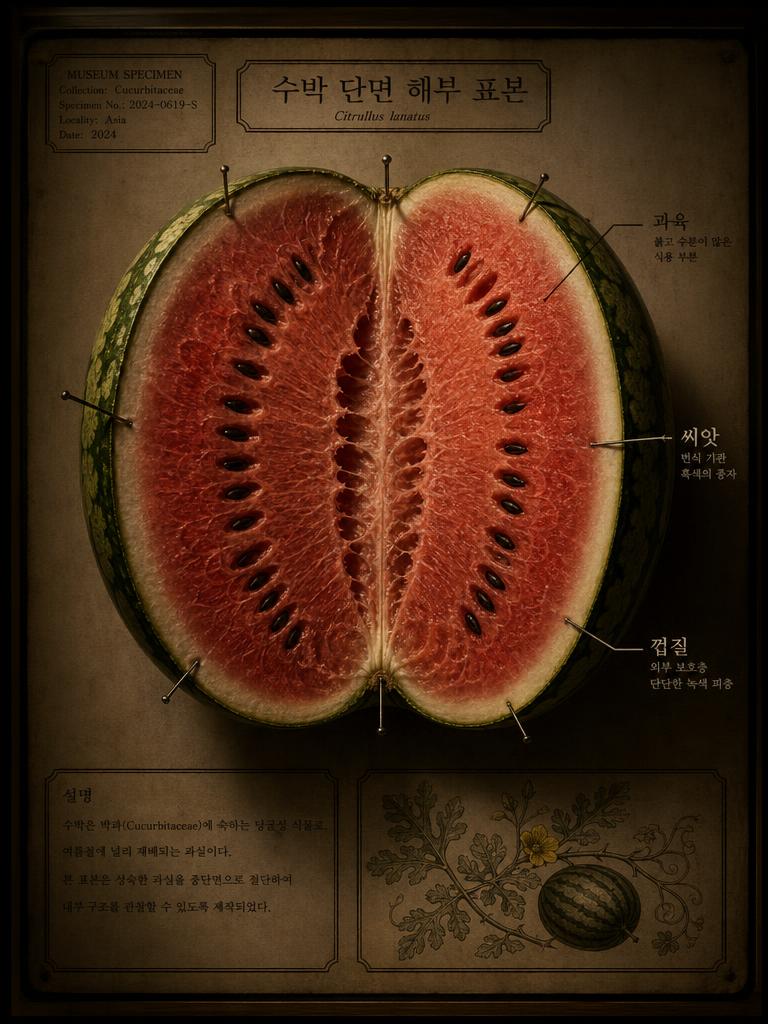
Natural History Museum Specimen Style Illustration of a Cross-sectioned Watermelon

Soft Dreamy Korean Anime Illustration of a Cute Korean Girl Doing ASMR in a Cozy Korean
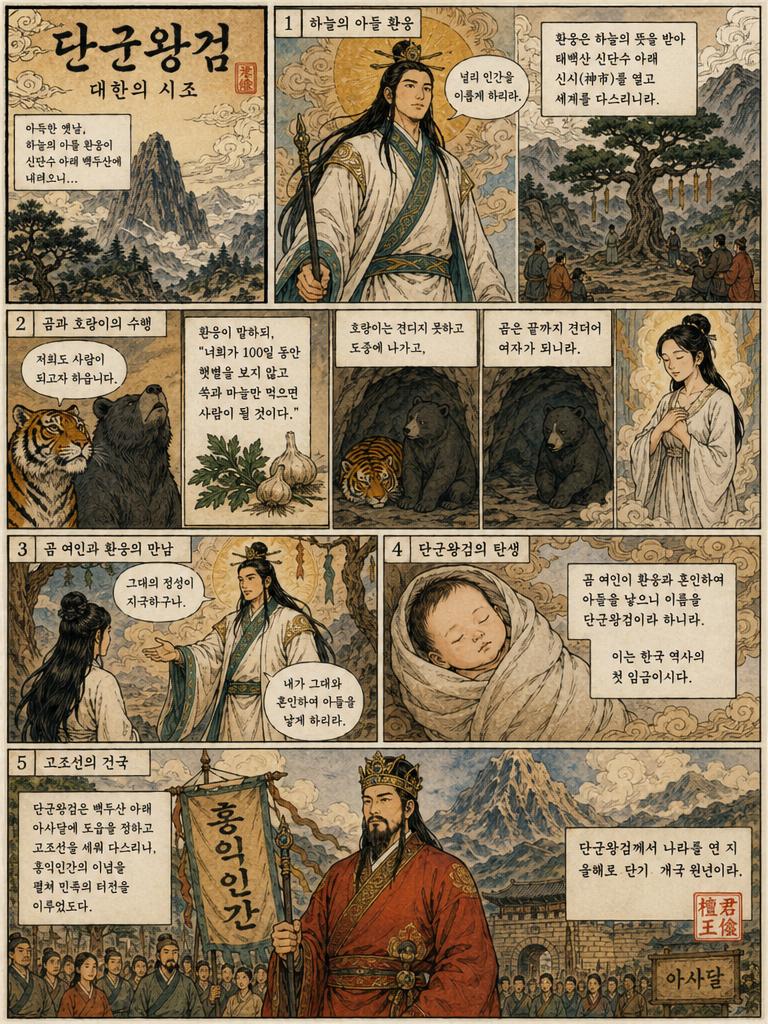
Founding Myth of Korea — Dangun () Story Illustrated in Traditional Korean Manhwa Style
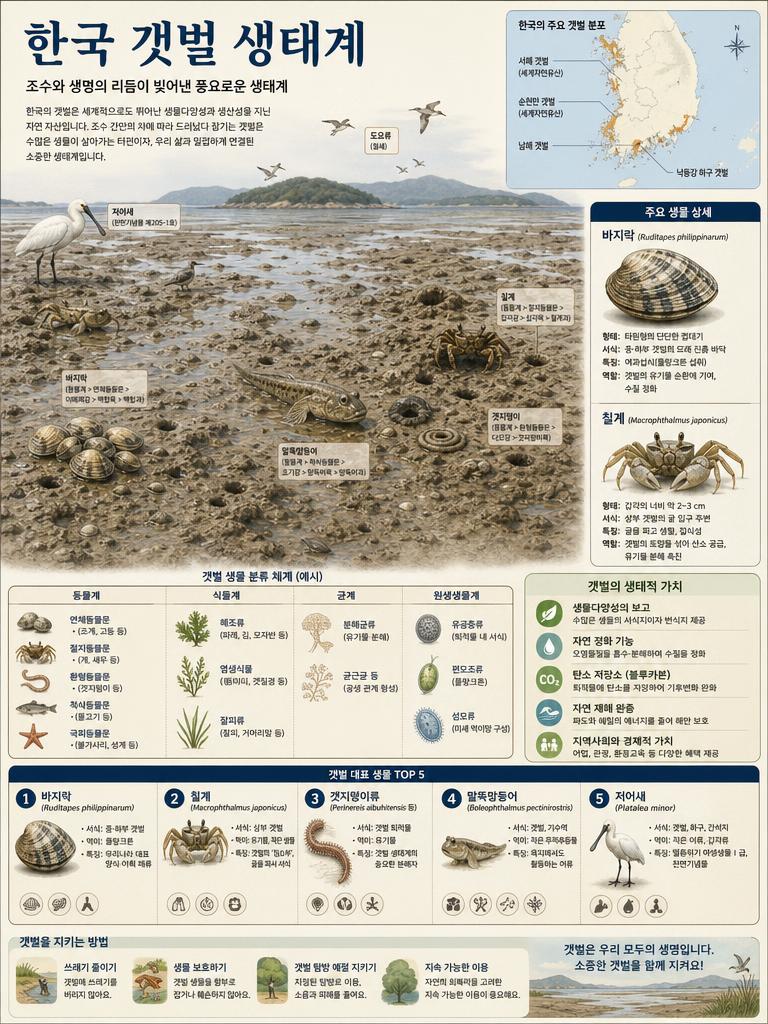
Korean Science Encyclopedia Infographic Poster: (Korean Tidal Flat Ecosystem)
What Is Korean Traditional Illustration?
Korean traditional illustration reinterprets the cultural heritage and aesthetics of Korea - minhwa (folk painting), sumi-e (ink wash painting), hanbok, taegeukgi, and architectural landmarks like Gyeongbokgung Palace - through modern illustration techniques. From seasonal customs like Seollal (Lunar New Year) and Chuseok (harvest festival) to legendary figures like Dangun, the gumiho (nine-tailed fox), and Chunhyang, these prompts capture the visual language of Korean culture. As K-culture gains global recognition, demand for illustrations rooted in Korean traditional aesthetics continues to grow across design, publishing, and marketing.
What Styles Are Available?
Minhwa style features flat, humorous compositions with bold outlines and vivid folk colors. Sumi-e and ink wash styles emphasize negative space and the tonal gradation of ink. Modern approaches include character illustrations in hanbok, graphic designs inspired by the taegeuk (yin-yang) motif, and textile patterns using traditional Korean decorative motifs like dancheong (architectural colorwork). Fortune-telling themes such as saju (Four Pillars of Destiny) and New Year fortune cards are also popular, often incorporating the twelve zodiac animals and ritual objects like bujeok (amulets).
Where Can You Use These Illustrations?
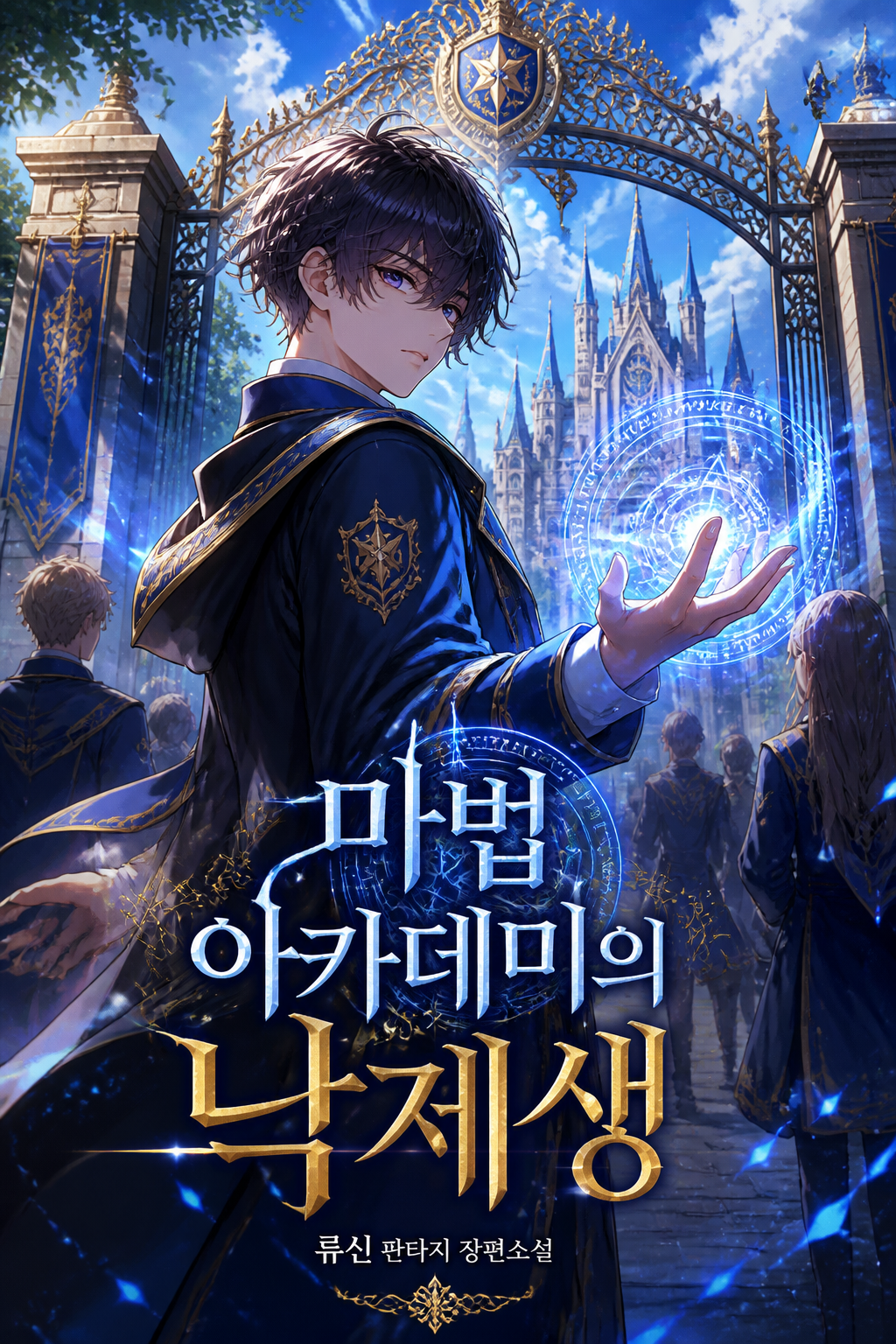
These illustrations are widely used for Lunar New Year and Chuseok campaign visuals, Korean restaurant branding, cultural heritage promotional materials, museum exhibit panels, educational comics, web novel covers (especially historical and martial arts genres), fortune-telling app graphics, and Korea Tourism Organization campaigns. The rise of historical web novels and webtoons set in the Joseon era has particularly increased demand for accurate depictions of traditional clothing, architecture, and daily life. Seasonal greeting cards and cultural education materials also benefit from illustrations that authentically convey Korean aesthetic traditions.
Tips for Writing Effective Prompts
The key is combining style keywords with subject keywords. Specify an art style such as "minhwa," "ink wash painting," or "oriental painting," then add concrete subjects like "hanbok," "taegeukgi," or "Gyeongbokgung Palace." For color, referencing obangsaek - the traditional Korean five-color palette of blue, red, yellow, white, and black - instantly enhances the Korean atmosphere. For character illustrations, adding "Joseon-era clothing" and "palace background" improves historical accuracy. For fortune-telling themes, combine "saju" or "twelve zodiac animals" with ritual objects like talismans or fortune slips to sharpen the thematic focus.
Explore Recommended Prompts
Browse our collection of illustration prompts that celebrate Korean traditional aesthetics. From minhwa-style characters and ink wash landscapes to hanbok portraits and saju fortune cards, these prompts offer a visual journey through Korean cultural heritage and its contemporary reinterpretation.