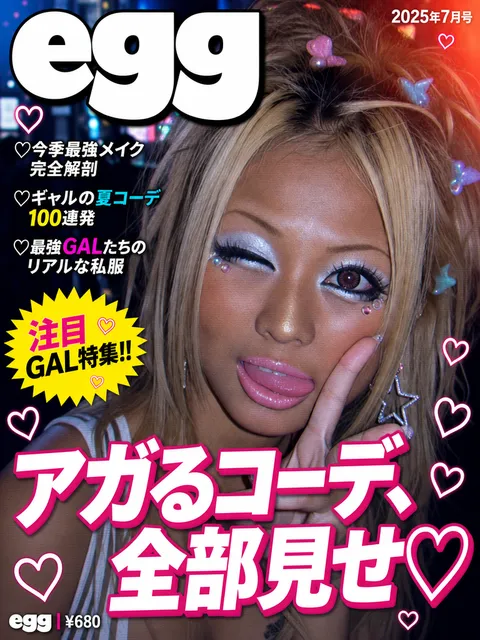
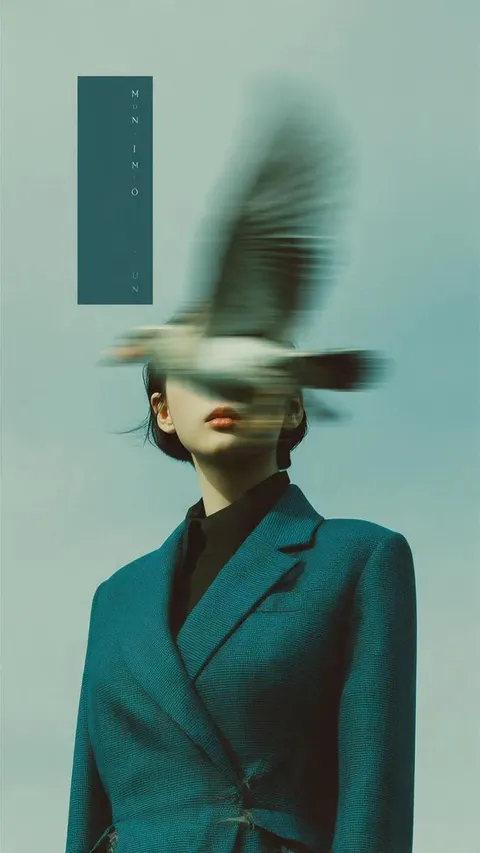
Magazine mockup prompts for presenting cover and editorial layouts as realistic printed publications.
2026.07.17
Make “Magazine Mockup” exactly the way you wantCreate your own “Magazine Mockup”
Just ask in plain language — Carat generates optimized images and videos for you.

Start now with 100 free credits daily
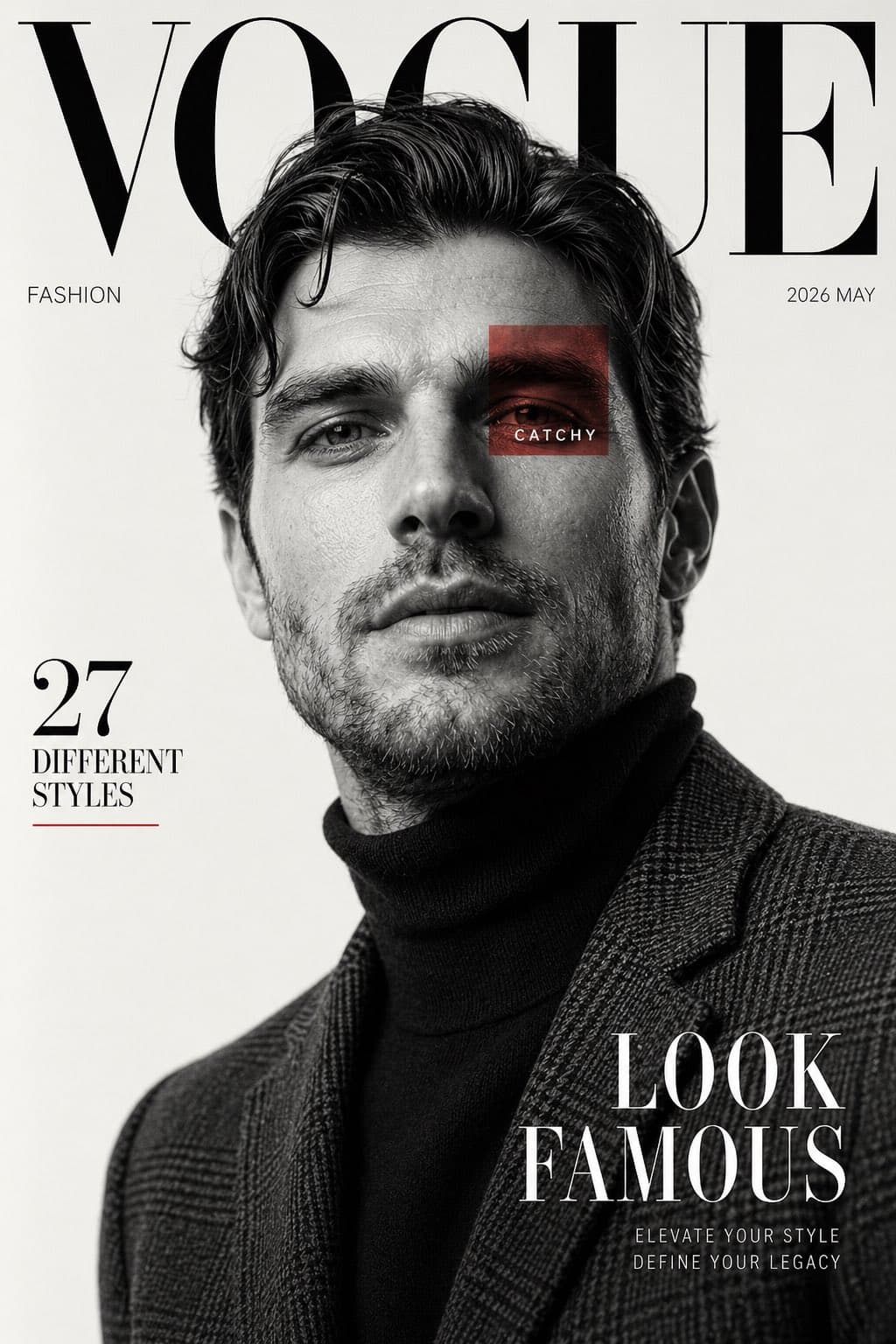
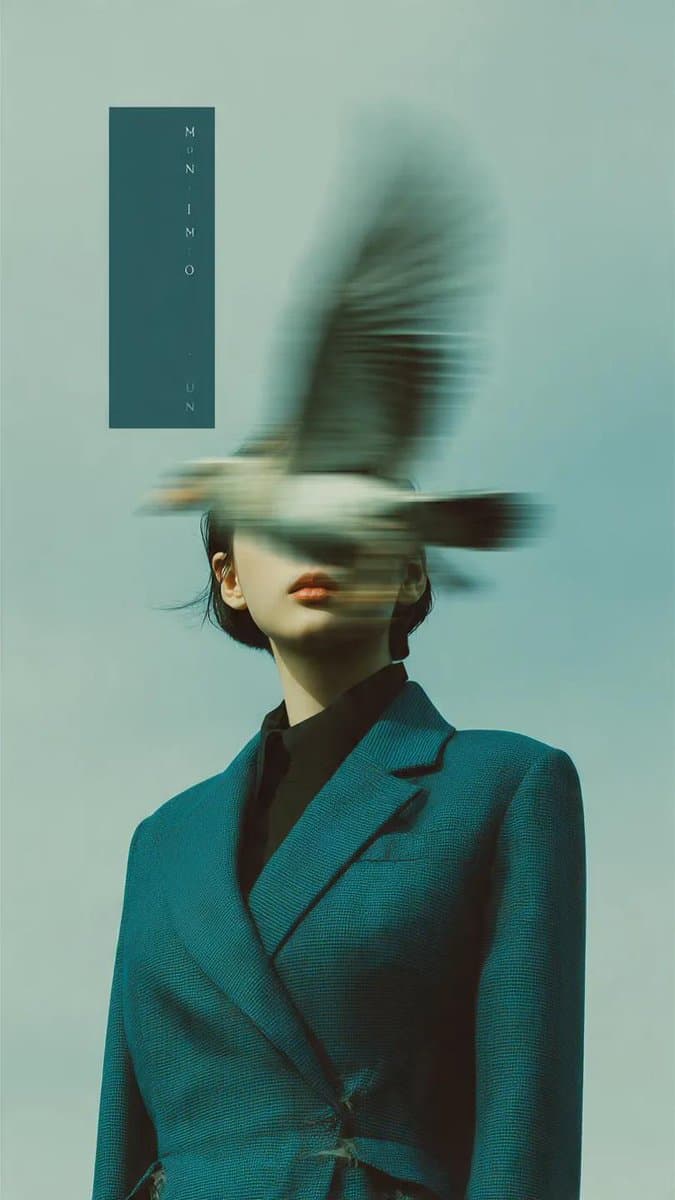
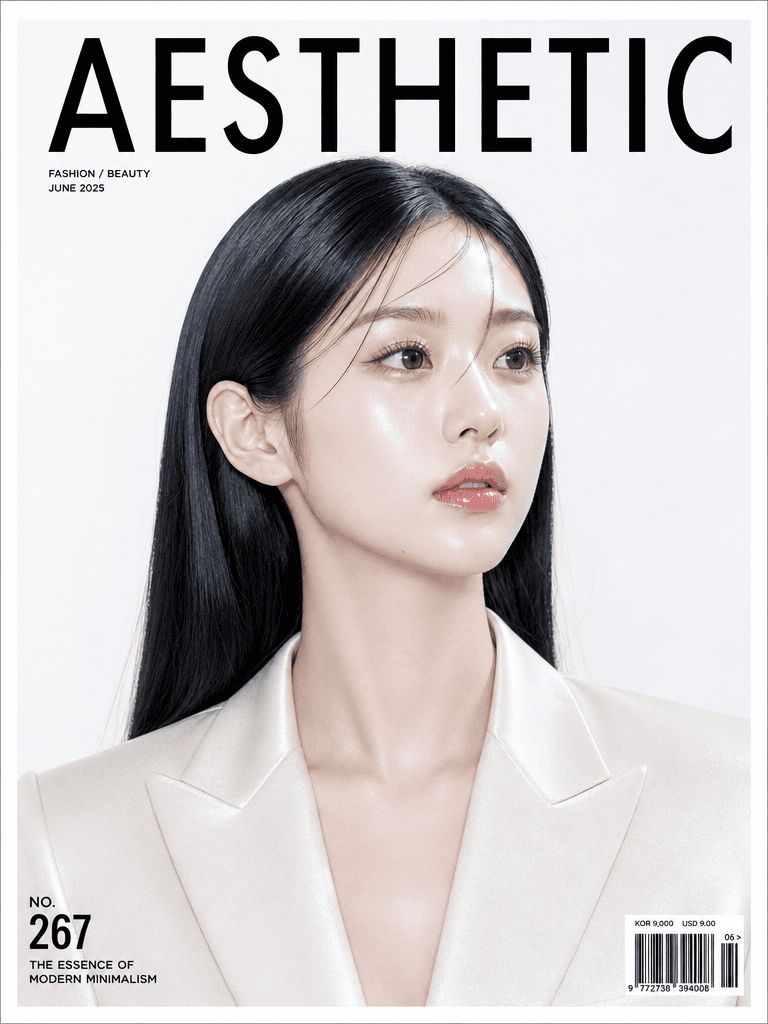
A magazine mockup presents cover or interior artwork as a physical publication so a team can judge scale, depth, paper response, and page movement. It reveals details that a flat cover file cannot show, such as the spine, folded spread, surface reflections, and the relationship between the magazine and its setting. A strong prompt specifies the format, orientation, finish, paper tone, open-page angle, background, and camera position.
Use magazine mockups for publishing proposals, fashion and lifestyle editorials, internal publications, portfolio case studies, and cover redesign reviews. A clean cover view helps compare the title, image, and color system. A stack or tabletop scene communicates a broader editorial identity, while an open spread is better for discussing margins, image crops, and the balance between copy and visuals.
Describe the approximate size, portrait or landscape orientation, matte or gloss finish, spine visibility, page thickness, and the angle of the open spread. Keep cover headlines and issue details short as placeholders because generated typography is not reliable. Choose props that relate to the editorial topic but keep their scale and focus subordinate to the publication.
Soft studio shadows clarify the edges and paper volume. A desk, shelf, or reading table can make the result feel like a real editorial environment. When showing an open spread, keep the center fold away from a face or critical line of copy. For comparing covers, use the same light and camera angle across versions. Replace vague style labels with concrete color, material, type density, and lighting instructions.
Treat all cover headlines and interior copy in the generated image as layout placeholders. Compare the result with the source file for format, spine width, crop, margins, and color expectations. Review image and type licenses when the publication contains third-party material. For web use, confirm that the cover remains intact and that the title is readable at a small display size.