Pose Prompt
Pose prompt examples for natural AI character poses, body direction, and camera framing.
2026.08.08
Make “Pose Prompt” exactly the way you wantCreate your own “Pose Prompt”
Just ask in plain language — Carat generates optimized images and videos for you.

Start now with 100 free credits daily
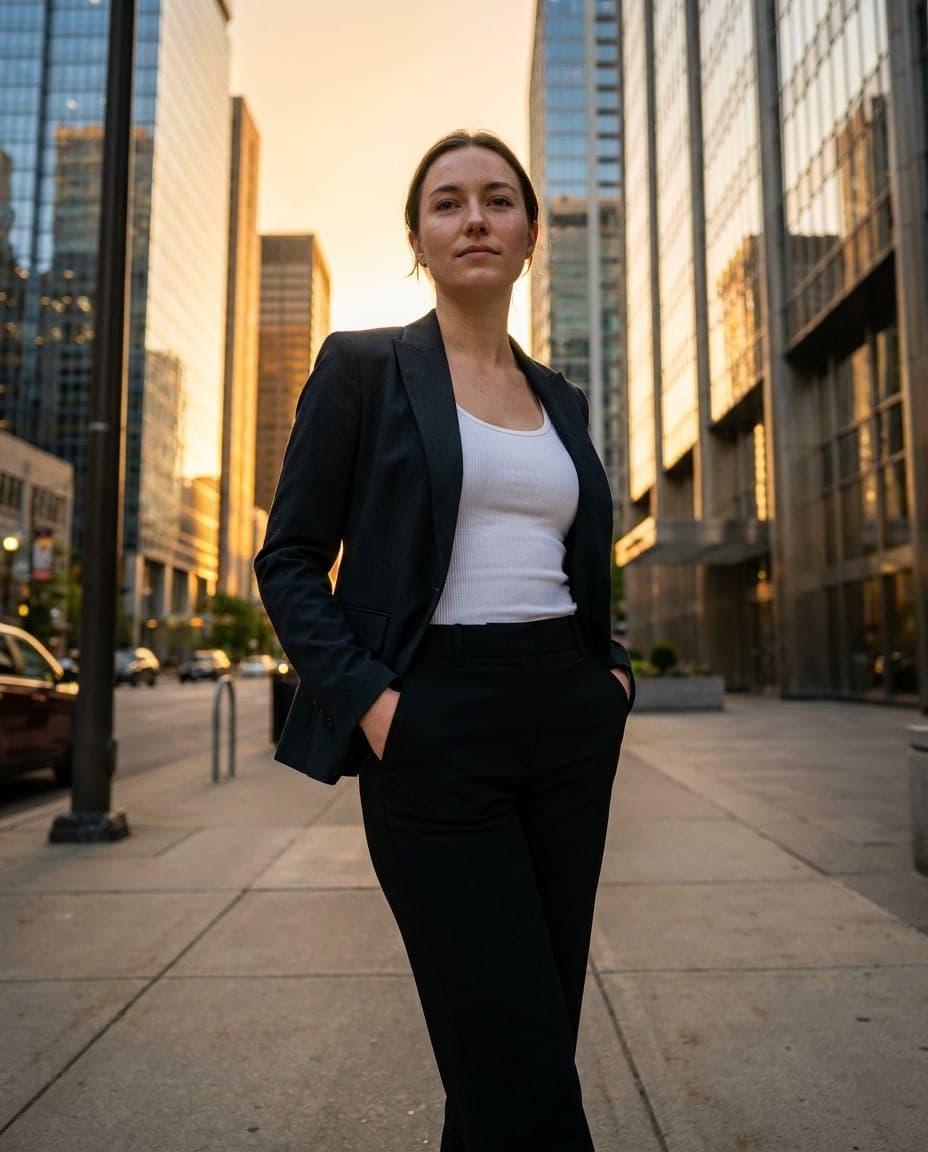
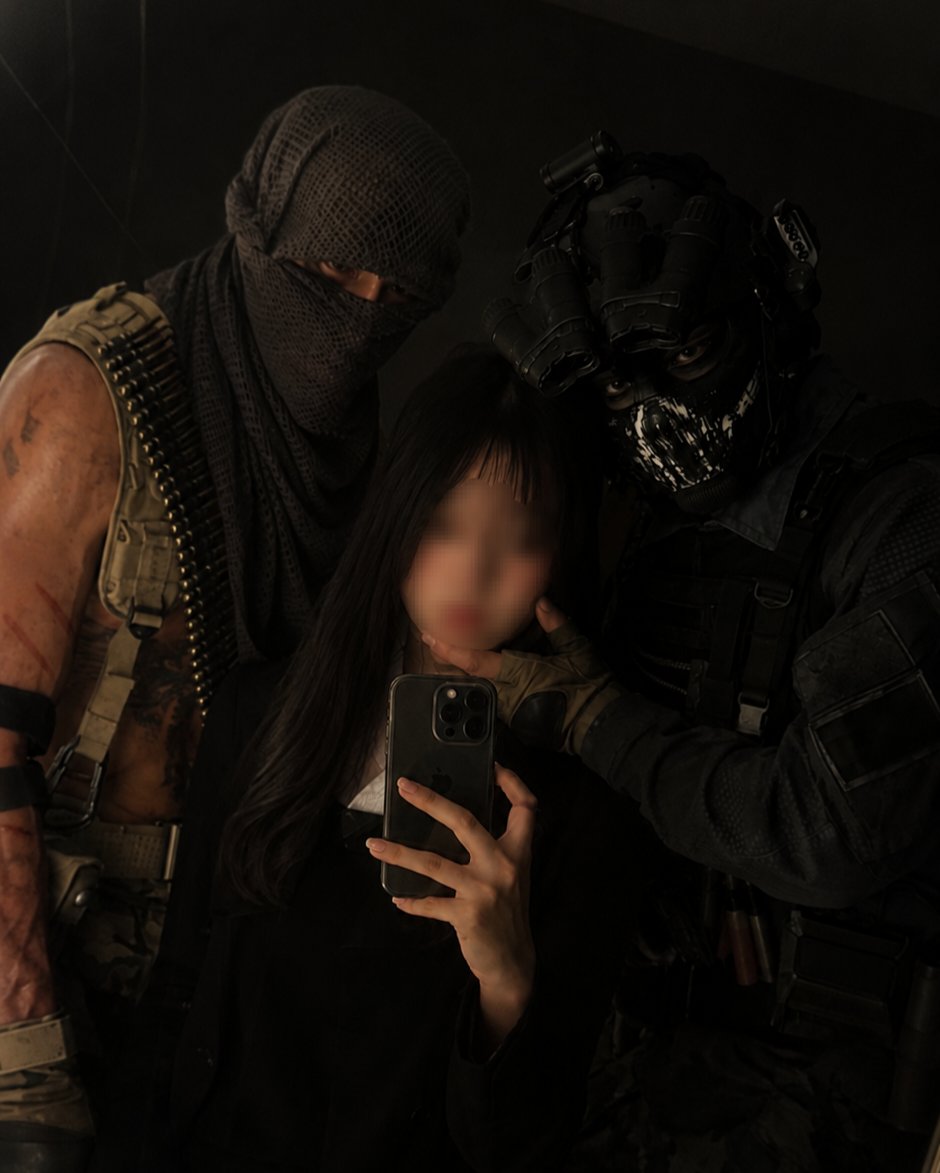
Low-Angle Power Pose
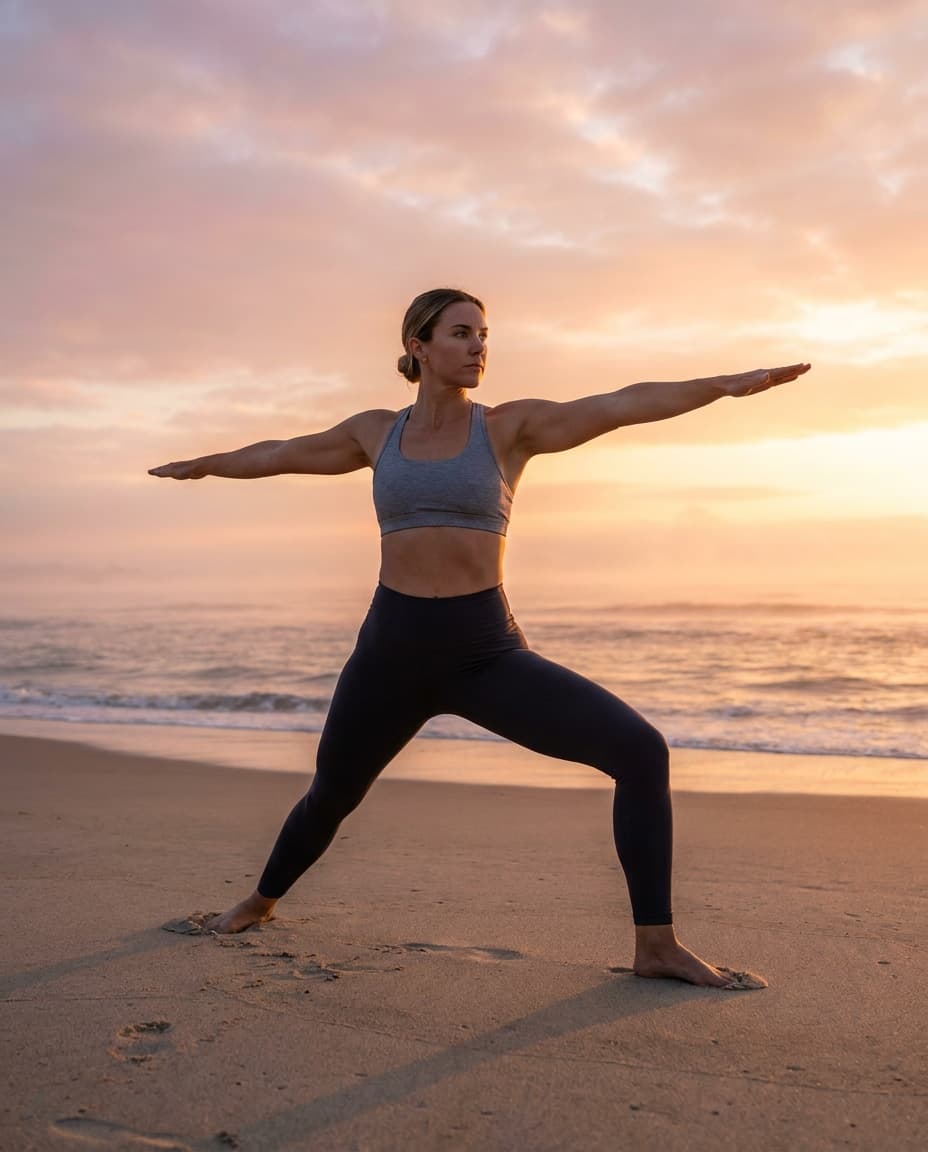
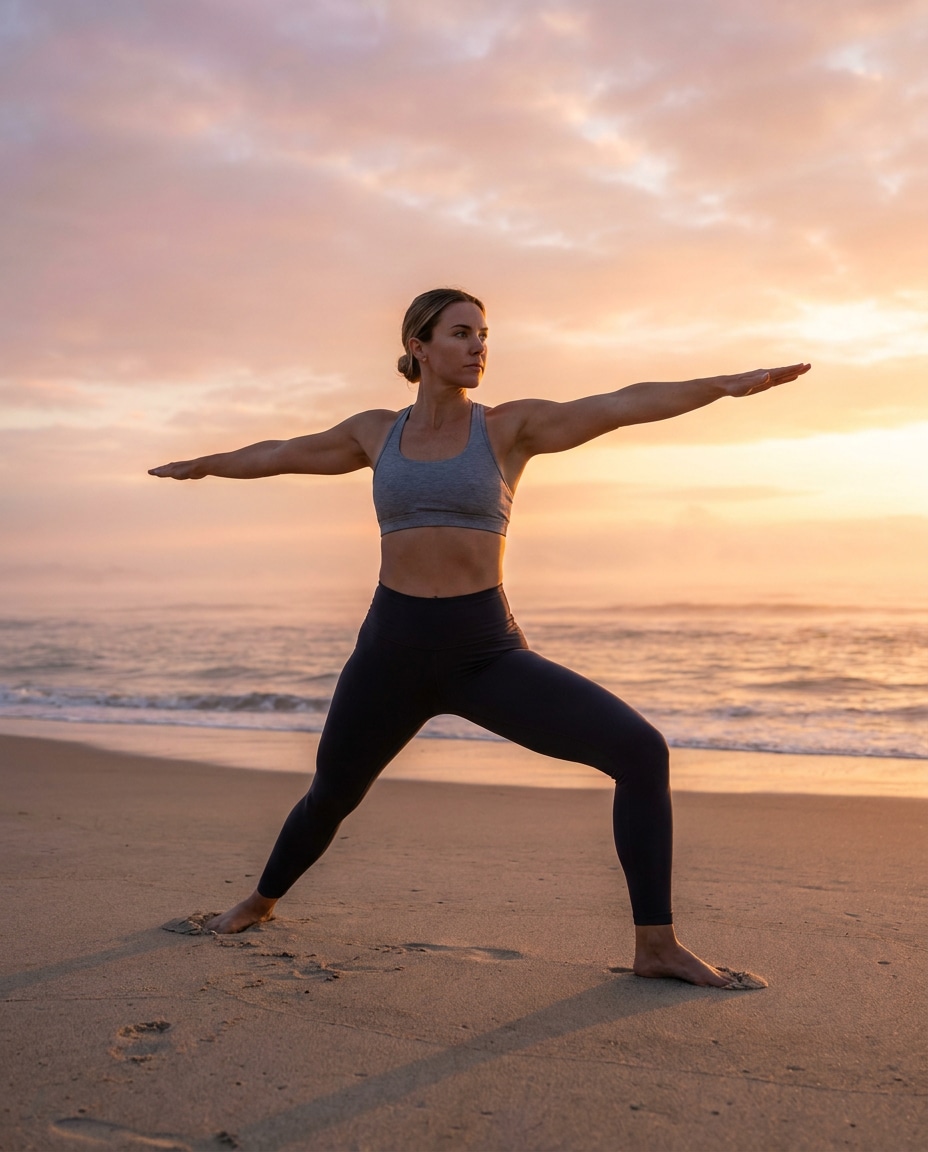
Sunrise Yoga Flow
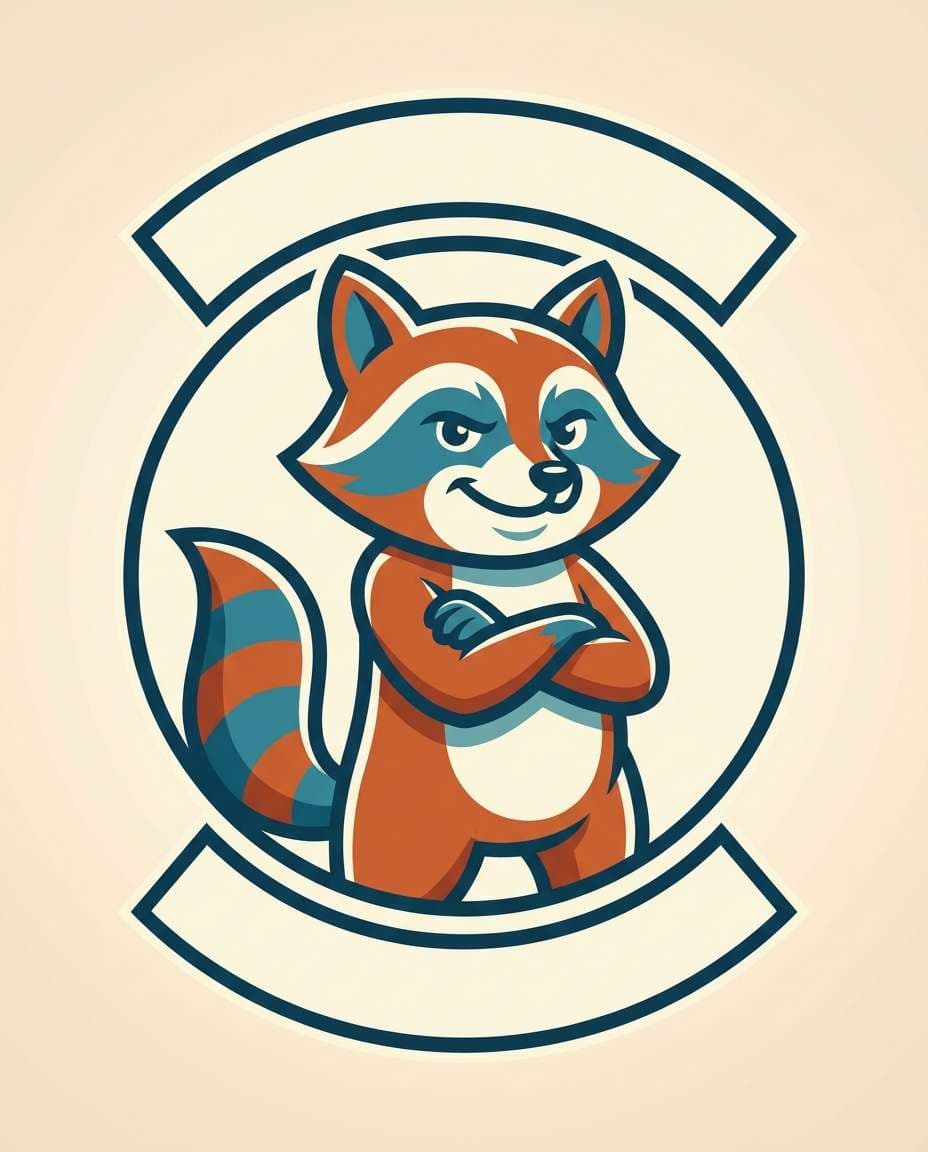
Mascot Raccoon Logo Pose
A pose prompt is a practical way to design the direction of the body, joint flow, gaze, and hand placement in an AI-generated character or portrait. Instead of writing only a cool pose, divide the instruction into visible anchors such as a standing three-quarter pose, one hand near the collar, and relaxed shoulders. Decide whether the image needs a full-body view or a waist-up composition first, then specify camera height and lens character. A low angle can emphasize leg length and a powerful silhouette, while eye-level framing usually feels more natural. Keep pose and facial expression in separate sentences to make both easier to control. Clothing and background motion should support the pose, so mention the direction of wind, the supporting foot, and the approximate bend of the elbows and knees when those details matter. For character sheets or fashion editorials, keep the camera framing consistent and request variations that change only the arms or gaze. If the result looks awkward, add checks such as anatomically coherent hands, natural joint connections, and balanced weight distribution, and avoid packing too many actions into one frame. The examples on this page can be adapted for portrait photography, illustration, character design, advertising visuals, and social media content. Add mood, location, wardrobe, lighting, and aspect ratio at the end to turn a pose prompt into a repeatable production template. Comparing several controlled variations is usually more useful than asking for one perfect pose, because it reveals which body cues are actually working.