Product advertising poster prompts for combining a product hero image, a focused benefit, and a clear promotional layout.
2026.07.17
Make “Product Advertising Poster” exactly the way you wantCreate your own “Product Advertising Poster”
Just ask in plain language — Carat generates optimized images and videos for you.

Start now with 100 free credits daily
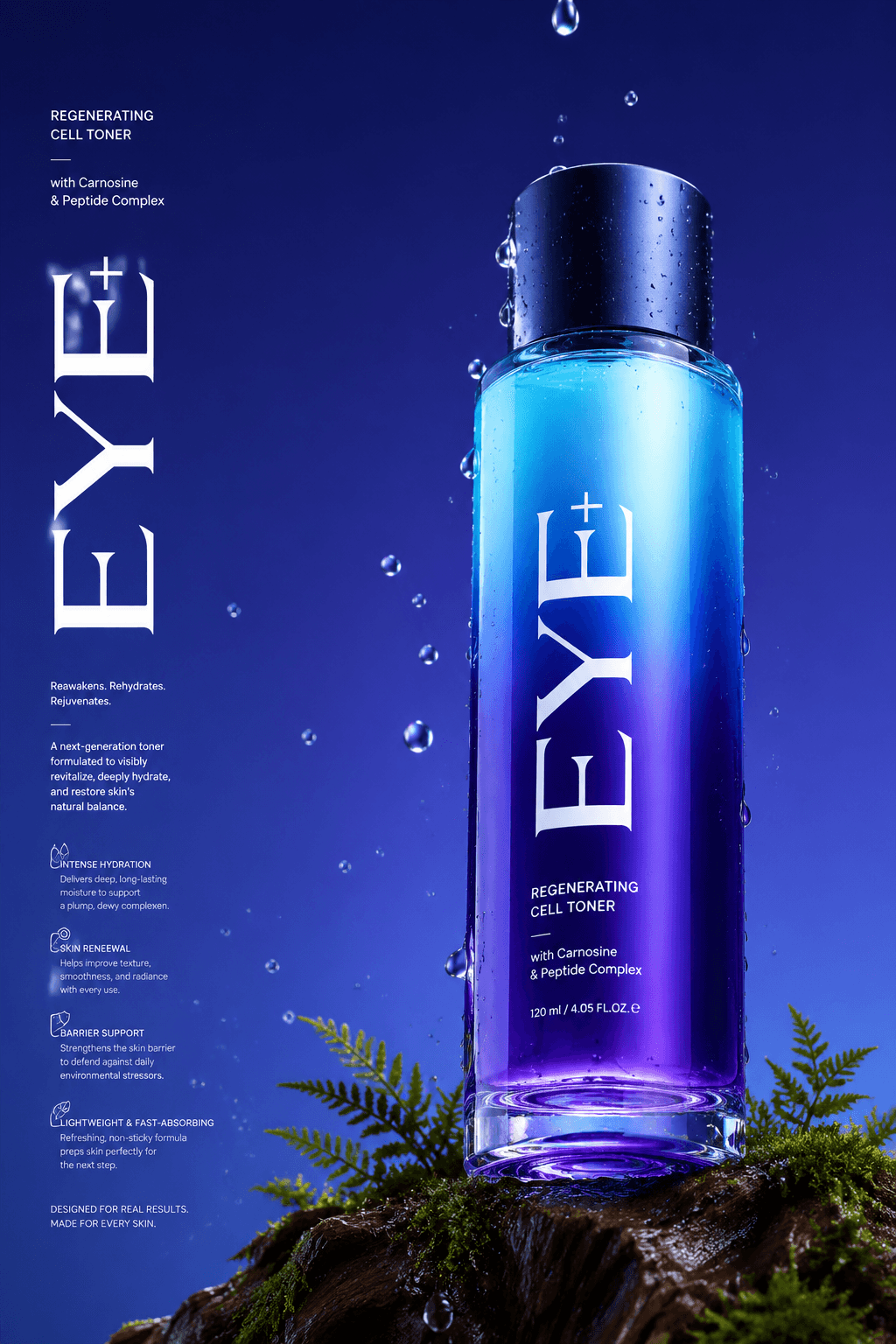
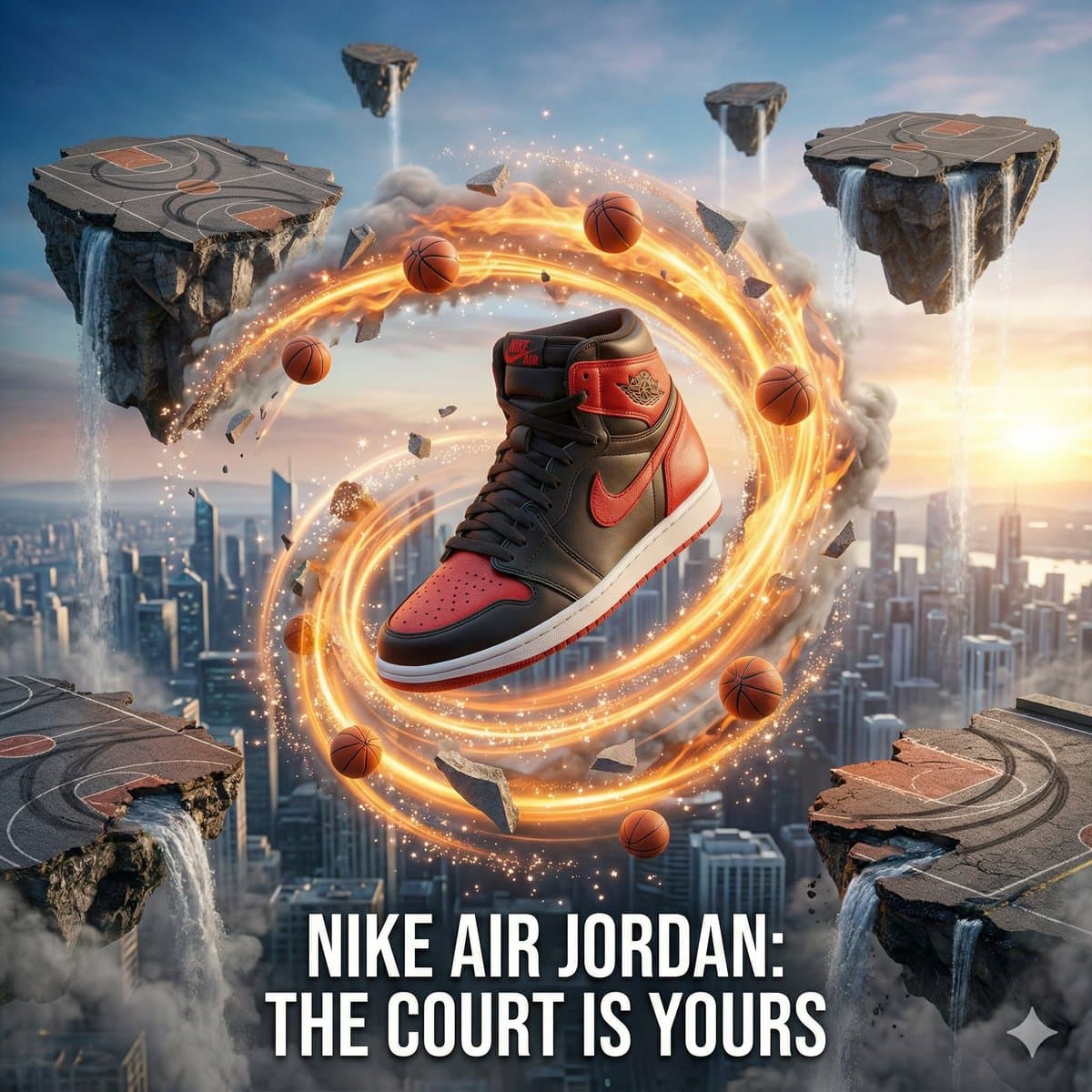

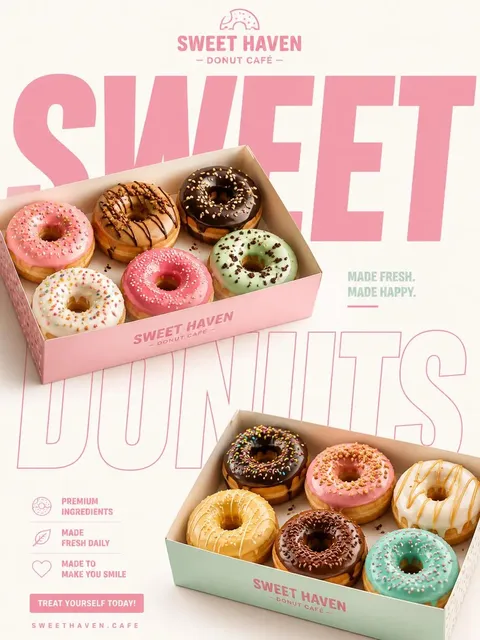
Product advertising poster AI prompts are structured directions for turning a product and one focused selling point into a single promotional graphic. They can define product placement, lighting, color contrast, headline space, supporting detail, and the empty area reserved for a call to action. The goal is not merely to make a product look attractive. A useful poster makes the silhouette recognizable, communicates one benefit quickly, and guides the viewer toward the next action in a banner, store display, social post, or campaign presentation.
The product and its most important benefit should appear before secondary decoration. A centered front view supports recognition, while generous asymmetrical space can create a premium mood. Check the contrast between package and background, then set size and spacing so the eye travels from product to short copy and finally to the CTA area. Food and drink concepts may use texture and a moment of use, while household products can show a visual contrast between a problem and its solution.
Describe the product shape and material first, then state the advertising purpose, audience, one key benefit, and mood. Add lens and light direction when the surface, reflection, or shadow needs control. Instead of asking for a long paragraph of copy, request a short sample headline or a reserved text block and finish the approved wording in an editor. Separate feed, story, horizontal banner, and print outputs so each frame has the right margins and reading order.
Generated claims, prices, discounts, certifications, and performance statements must be checked against approved product information. Use a product reference image when package proportion and brand consistency matter, and compare several outputs for logo, color, and shape drift. Review the poster at the size where it will be seen, confirm that the product and main message register immediately, and remove wording that conflicts with advertising rules or brand guidance. Change one variable at a time when comparing alternatives.