Rival Composition
Create Rival Composition images with practical AI prompts for composition, character direction, color, and refinement.
2026.07.15
Make “Rival Composition” exactly the way you wantCreate your own “Rival Composition”
Just ask in plain language — Carat generates optimized images and videos for you.

Start now with 100 free credits daily
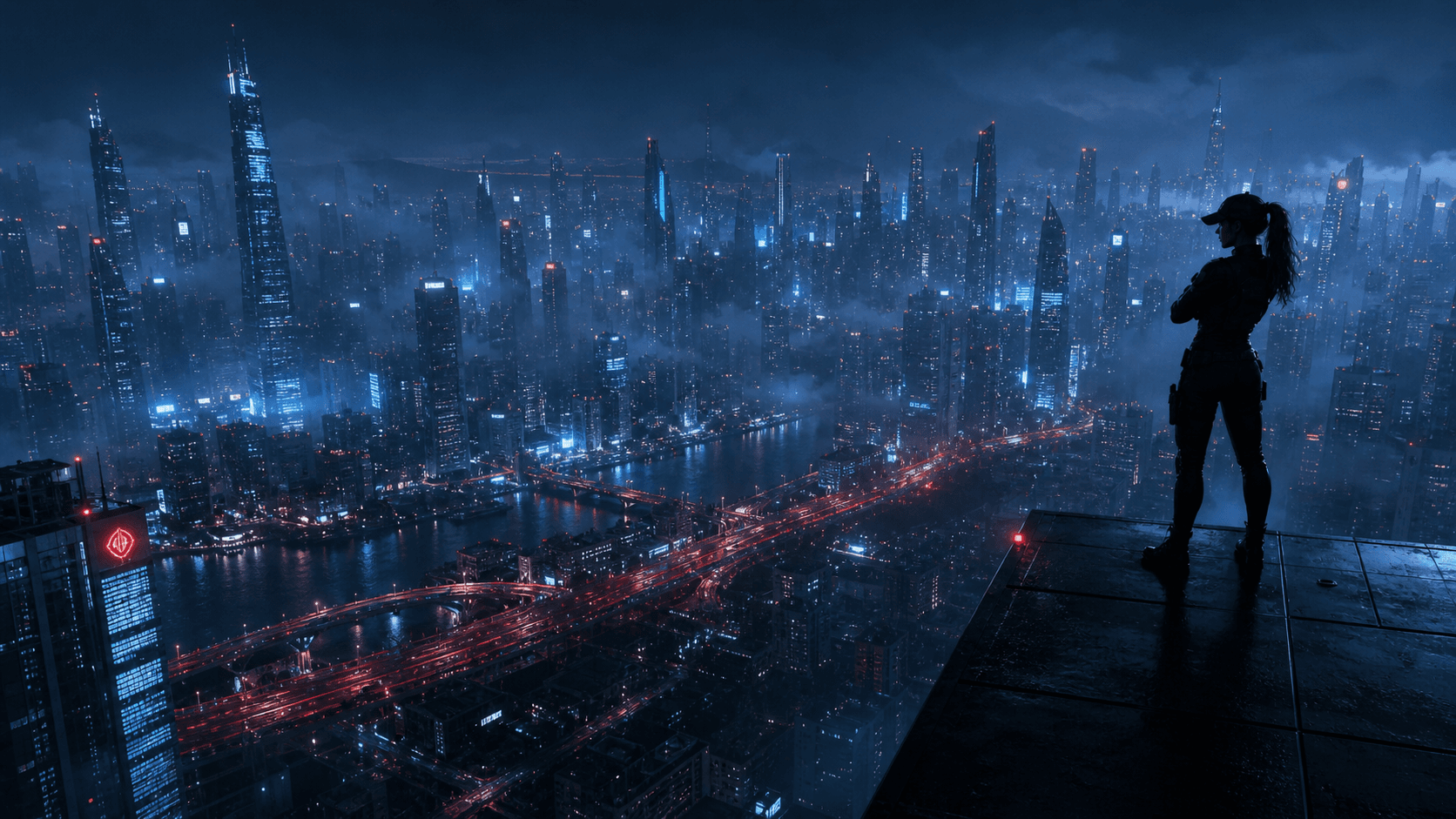
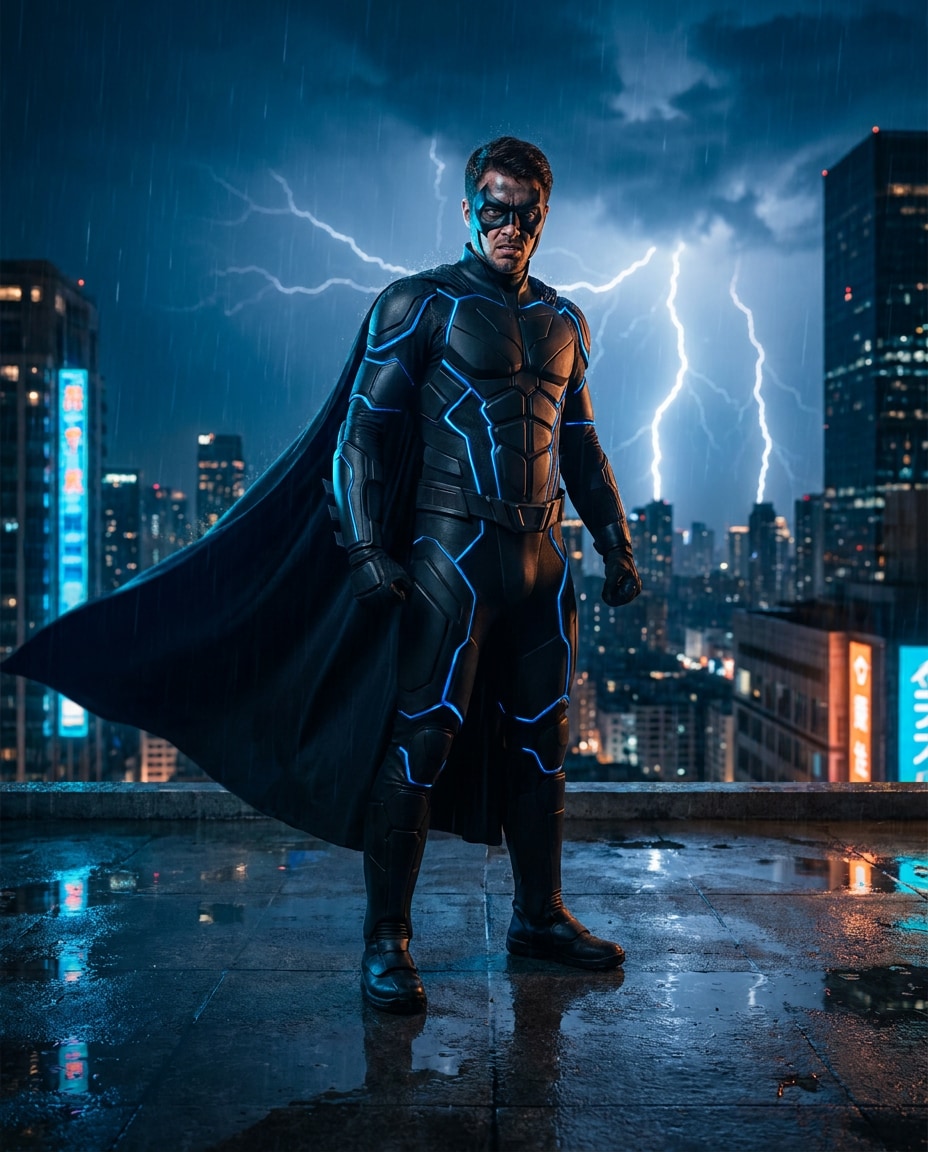
Cyberpunk Night Street CG Scene
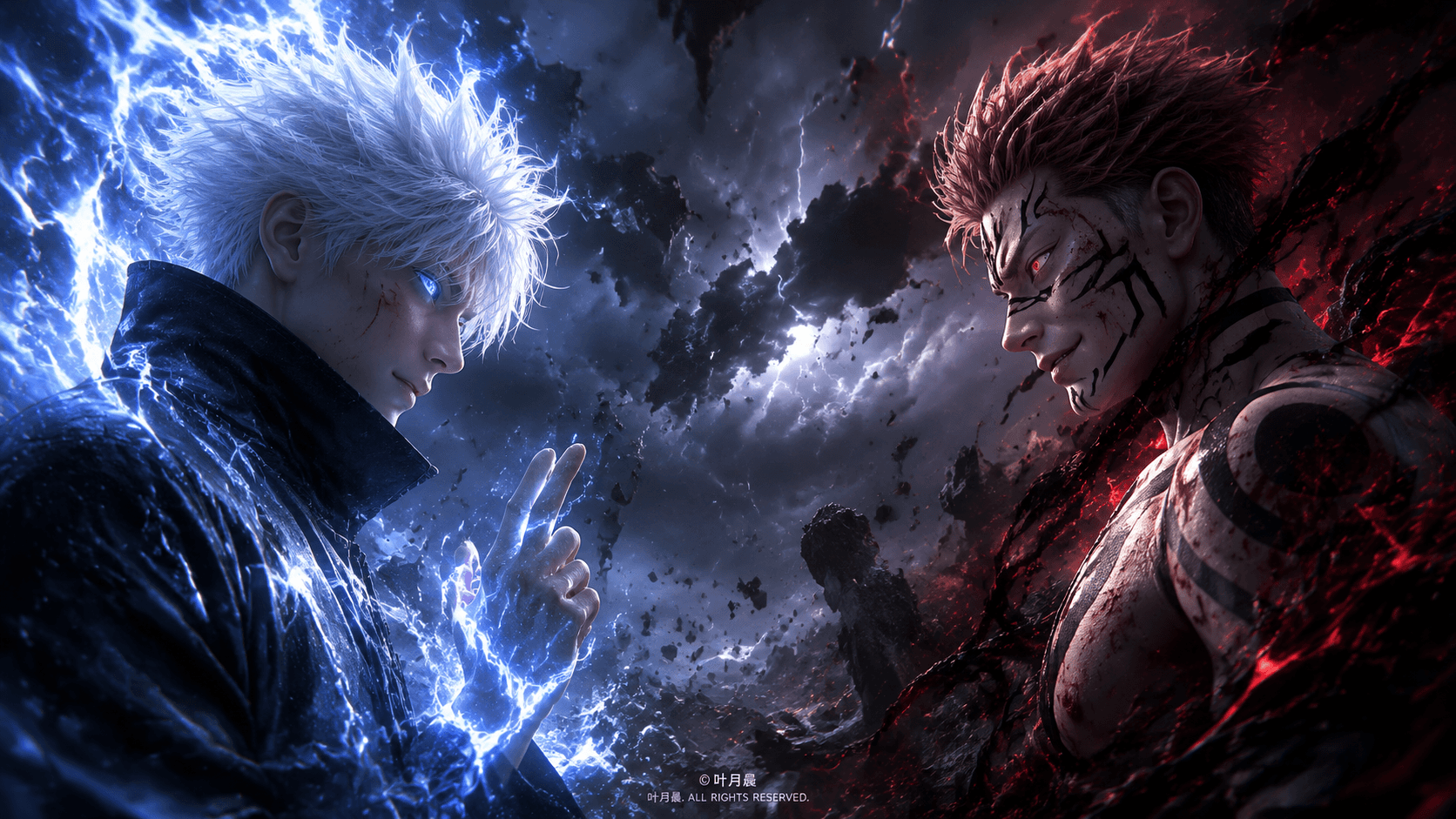
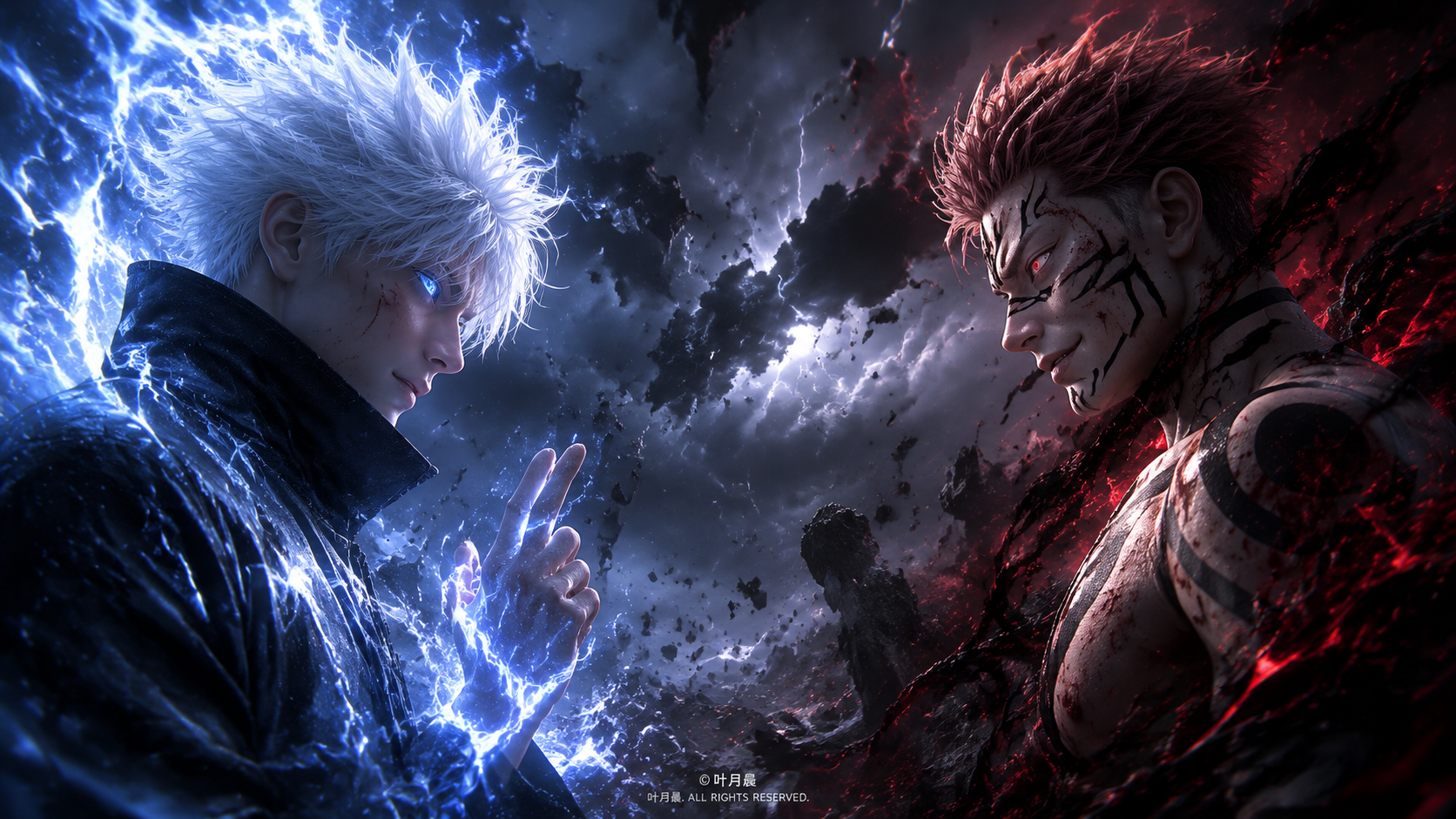
Gojo and Sukuna Final Showdown Poster
What are Rival Composition prompts?
Rival Composition prompts are production instructions that tell an image model who appears, what they feel, where they look, how the frame is organized, and what story the asset must communicate. A keyword alone is rarely sufficient. Describe the action, the intended reading order, and whether the result will be used as a thumbnail, card, poster, or narrative panel. Locking the canvas ratio and subject count first makes comparisons reliable and reduces unnecessary regeneration.
What can you create?
두 인물의 시선이 맞부딪히는 축, 서로 다른 실루엣과 색, 화면 중앙의 긴장 공간을 명확히 잡으세요. 대칭 구도는 동등한 경쟁을, 낮은 시점과 크기 차이는 우위 관계를 보여주며 배경의 사선은 충돌 방향을 강화합니다. Square layouts suit social cards and thumbnails, vertical frames emphasize a character, and horizontal frames clarify relationships between two subjects and their environment. Keep the core premise fixed while changing expression, props, or lighting to develop a connected visual series.
How to write the prompt
Start with the subject and use case, then specify subject count, action, gaze, camera distance, palette, lighting, and background in that order. Replace vague praise with visible constraints such as centered placement, a three-quarter view, deliberate spacing between characters, or soft side light. When text is unnecessary, exclude accidental lettering and logo-like marks. Ask for complete faces and hands, and avoid mixing several contradictory media or rendering styles in one request.
Refinement and practical use
Judge silhouette and composition in the first result, then change expression, props, and environmental density one variable at a time. If the situation disappears at thumbnail size, remove decoration and increase value contrast. When identity drifts, repeat the same eyes, hair, clothing, proportions, and identifying color at the beginning of every prompt. Before publication, inspect anatomy, overlaps, accidental text, repeated patterns, and watermark-like artifacts at full resolution.
Related prompts
Comparing related pages reveals how one idea can expand into character art, a staged scene, or a panel sequence. Change only viewpoint, palette, or lighting in each test. Recording one variable at a time makes successful instructions easier to identify and reuse in later generations.