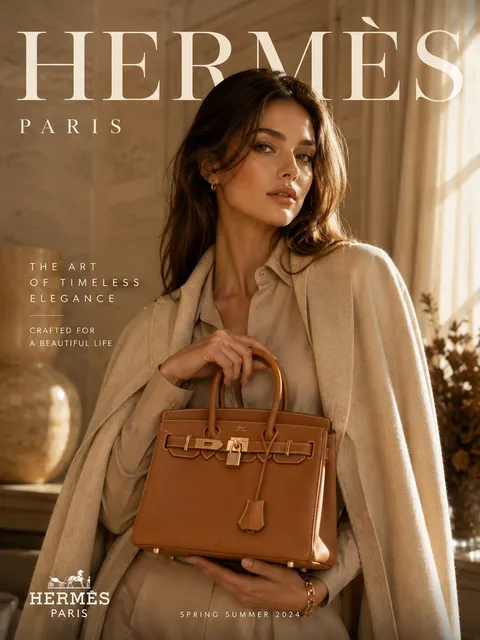
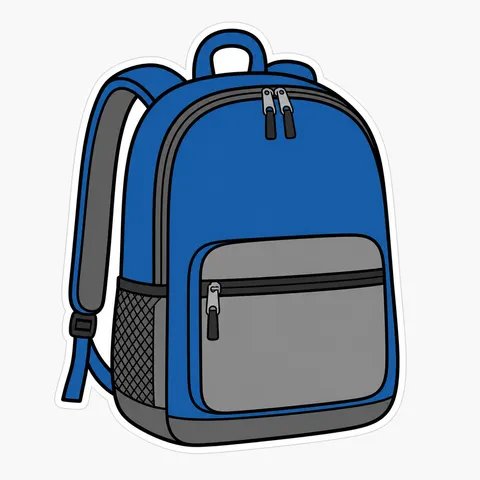
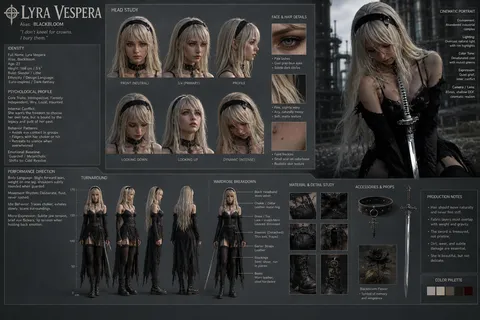
Shopping bag mockup prompts for presenting logos, packaging graphics, and materials in realistic brand scenes.
2026.07.17
Make “Shopping Bag Mockup” exactly the way you wantCreate your own “Shopping Bag Mockup”
Just ask in plain language — Carat generates optimized images and videos for you.

Start now with 100 free credits daily
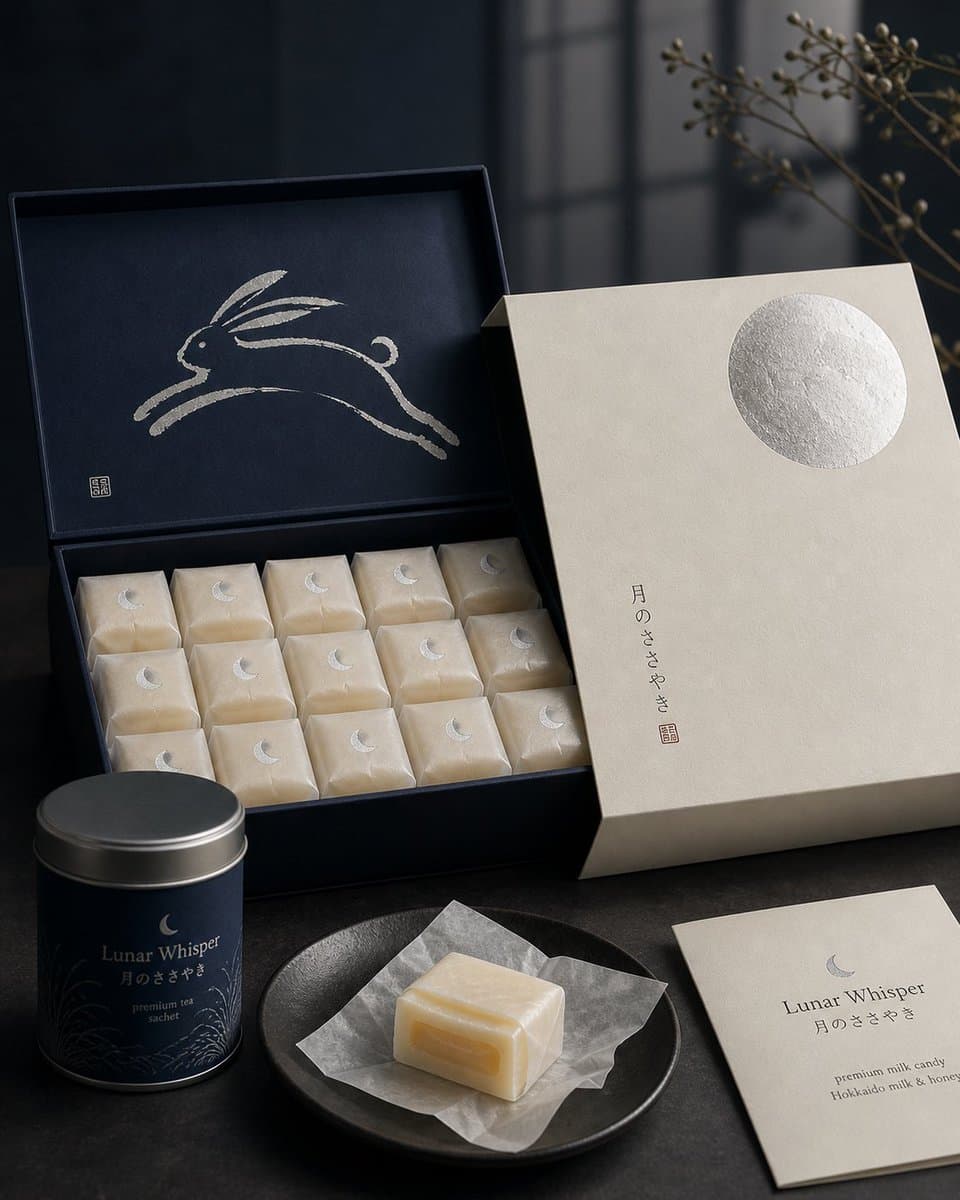

A shopping bag mockup shows how a logo, pattern, color system, or print area may appear on a physical paper bag. It helps teams review details that are difficult to judge in a flat artwork file, including the handle position, folded panels, side graphics, paper texture, and cast shadows. A useful prompt describes the bag shape, dimensions, paper stock, finish, handle material, environment, and camera angle instead of asking for a generic packaging image.
Use the result for a store launch concept, packaging refresh, brand identity presentation, portfolio case study, or product page hero image. A clean front view is useful for checking the logo and color balance. A group of bags on a counter or a bag carried by a shopper can communicate the intended retail context. Keep supporting props relevant and restrained so the bag remains the visual subject.
Mention the bag orientation, approximate proportions, handle type, print coverage, paper texture, gloss level, edge folds, and shadow softness. State whether the front and side panels share the same artwork and where the logo should sit. If the image is for a pitch deck, request a neutral background and an unobstructed product view. Generated typography and brand marks should be treated as placeholders and replaced with approved artwork during editing.
A bright studio setup makes material and color comparison easier, while a retail counter or shelf suggests a real customer environment. Choose one or two props that support the category and avoid clutter around the printed surface. Front, three-quarter, and in-hand views serve different review goals, so separate them into distinct prompts when a project needs both presentation and production references.
Compare the mockup with the dieline before approving print. Check the logo scale, bleed, safe area, folds, trim, color expectations, and handle attachment. Shadows and paper creases can change the apparent color, so final color decisions should use a proof rather than the mockup alone. Also review whether the background exposes third-party marks or claims that are not part of the approved campaign.