Science Illustration
AI prompts for creating educational science diagrams like cell cross-sections.
2026.07.08
Haz “Science Illustration” justo como lo quieresCrea tu propio “Science Illustration”
Pídelo en lenguaje natural: Carat genera imágenes y vídeos optimizados para ti.

Empieza ya con 100 créditos gratis al día
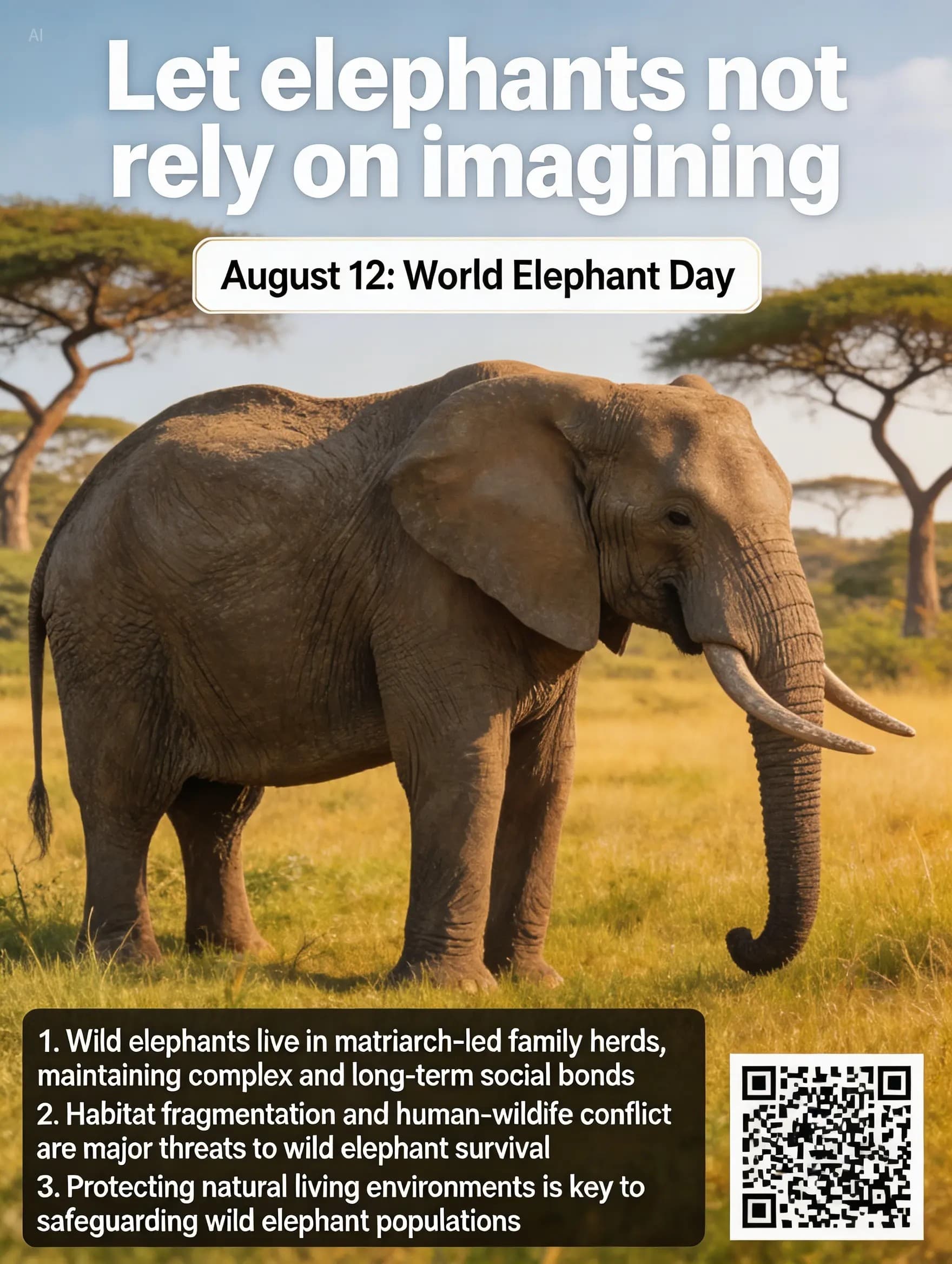
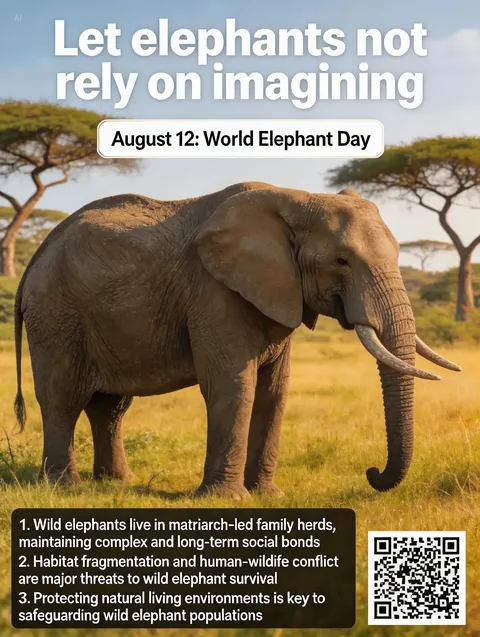
World Elephant Day Campaign Poster
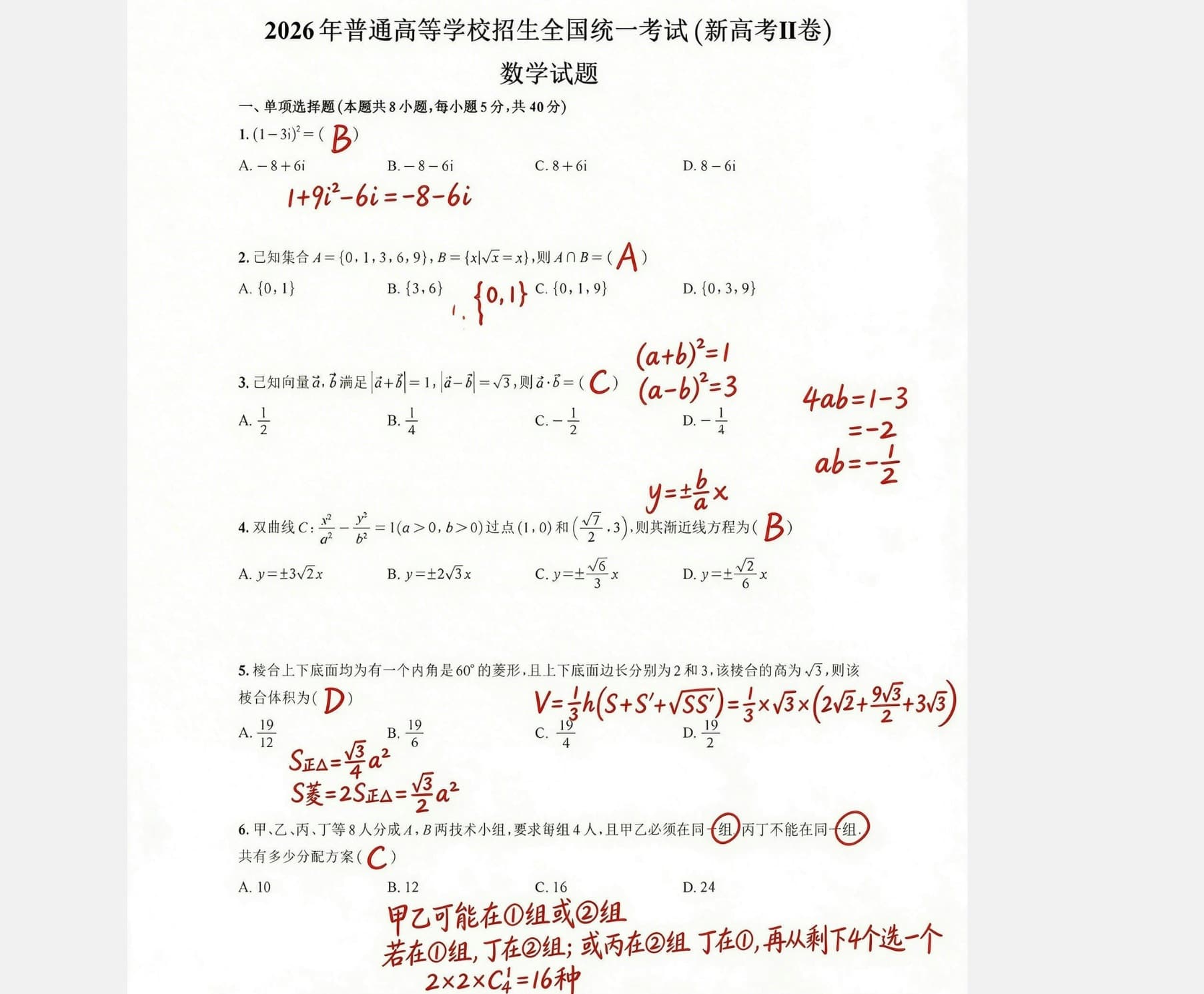
Exam Worksheet Solving Edit
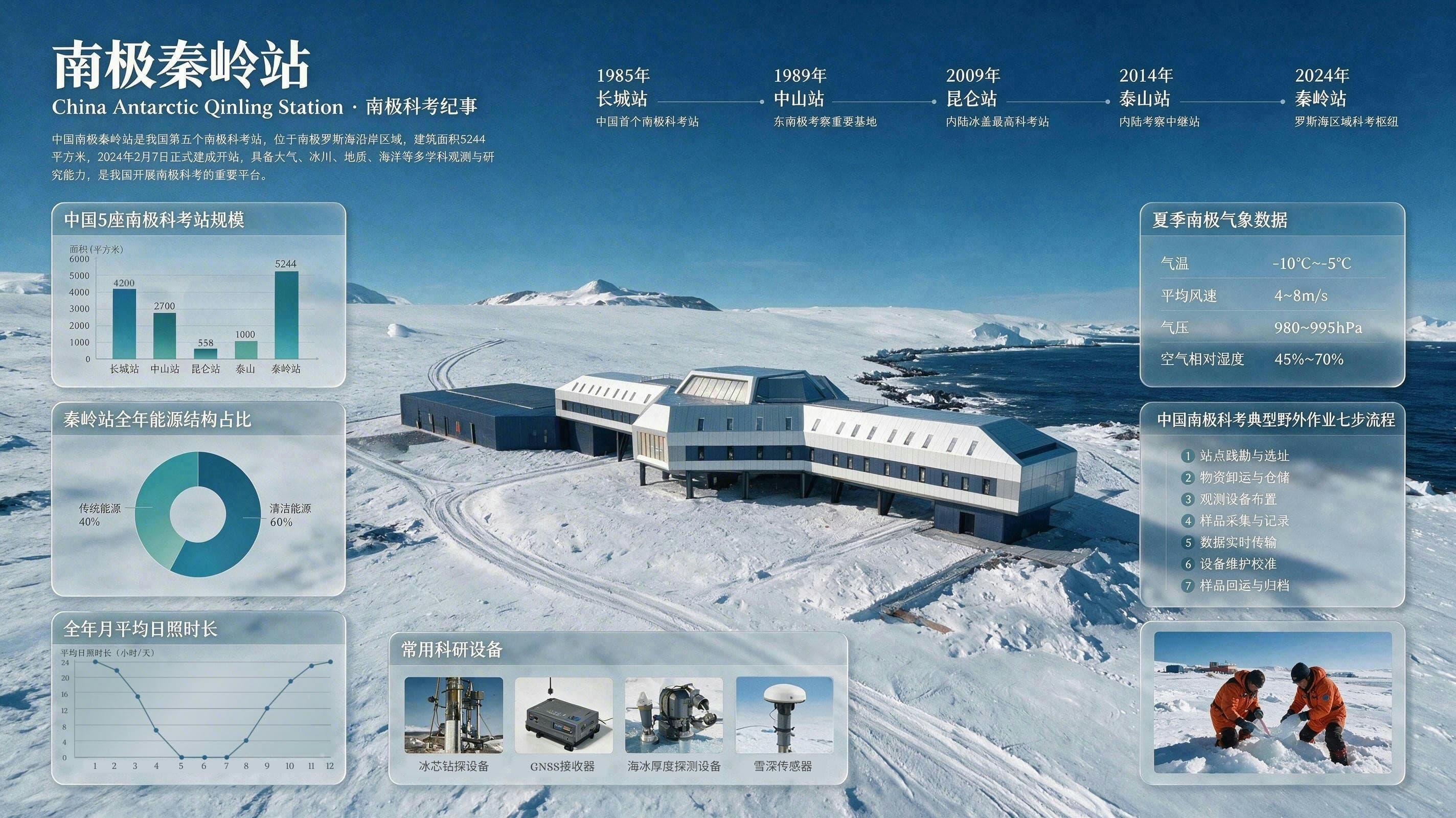
Antarctic Research Station Infographic
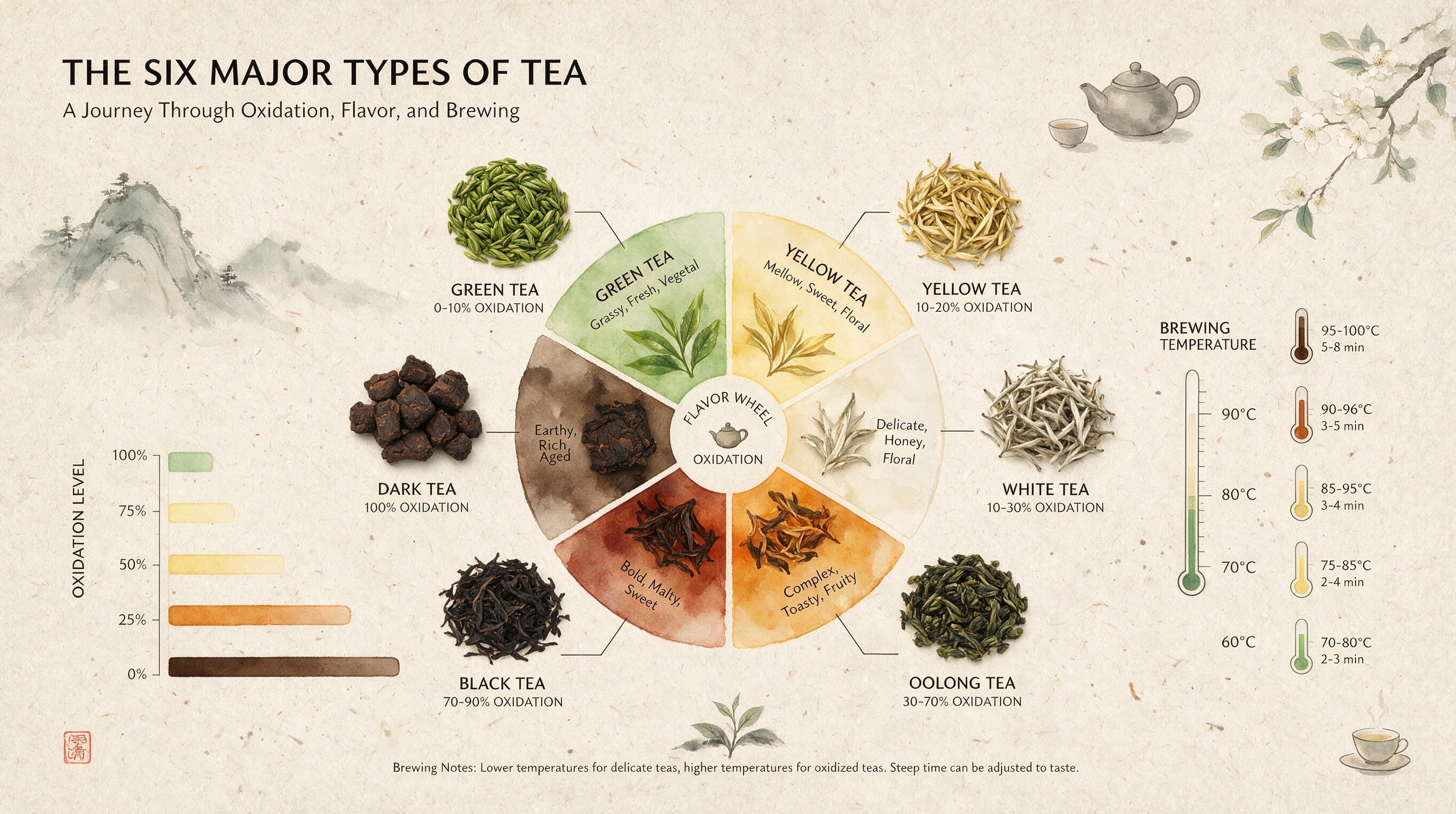
Six Major Types of Tea Infographic
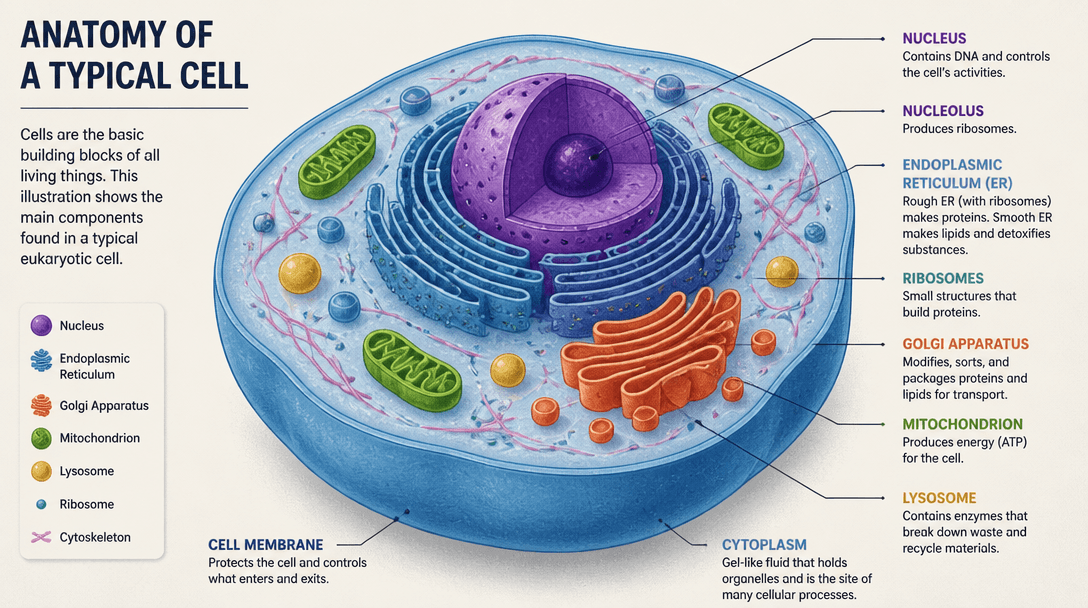
Science Illustration
What Are Science Illustration Prompts?
Science illustration prompts help you create educational science diagrams using AI. By describing cell cross-sections, atomic structures, food chains, or earth layer diagrams in a sentence, GPT Image 2 generates textbook-quality illustrations in seconds. These prompts are ideal for school textbooks, online course materials, science card news, museum exhibit panels, and science social media content, all with accurate labeling and clean colors for easy understanding.
Key Use Cases
- School textbook or worksheet science diagrams
- Online course or e-learning content illustrations
- Science card news or infographic content
- Museum or science center exhibit panel illustrations
- Science social media account or blog thumbnail images
Why This Tag Is Useful
Visual illustrations of science concepts greatly improve learning, but finding or drawing illustrations with accurate structures and labeling is difficult. AI prompts let you specify the topic and style in text: "cell cross-section, nucleus mitochondria ribosome labels, pastel tones, infographic style," "earth interior structure, crust mantle outer core inner core labels, cross-section, clean design" and get polished results instantly. This is especially valuable for teachers, educational content creators, science communicators, and publishing editors who can generate series across multiple science topics.
Related Prompts
- Education Illustration
- Earth Science Illustration
- Infographic Example
- Schema Diagram
- Infographic Design
Prompt Composition Tips
- Specify the science topic: "cell cross-section," "photosynthesis process," "solar system structure" for accurate diagrams.
- Set labeling: "nucleus, mitochondria, ribosome labels included," "layer names annotated" to increase educational value.
- Choose colors and style: "pastel tones," "clean infographic," "textbook style" for better readability.
- Add background and composition: "white background," "cross-section view," "centered layout" for ready-to-use learning materials.
Try creating a series across multiple science topics. This works great for textbook or card news series.