추상화 스타일 그림
색면과 질감, 비정형 구도를 활용해 독창적인 추상 작품을 설계하는 이미지 프롬프트입니다.
2026.08.14
「추상화 스타일 그림」 원하는 대로 직접 만들어보세요「추상화 스타일 그림」 직접 만들어보세요
대화로 요청만 하면 최적화된 이미지·영상을 만들어줘요

매일 무료 100크레딧으로 바로 시작
C4D 3D 일러스트 포스터
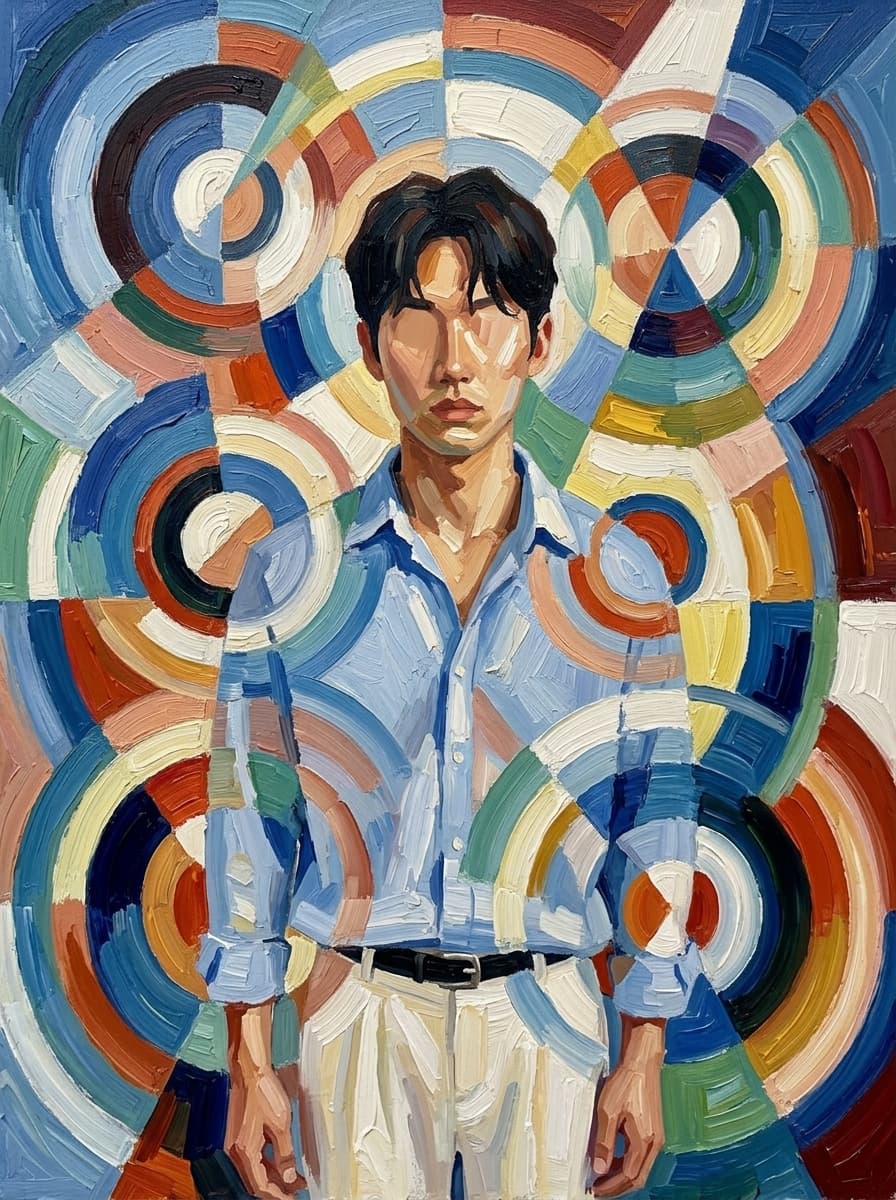
오르피즘 원형 색면 추상화
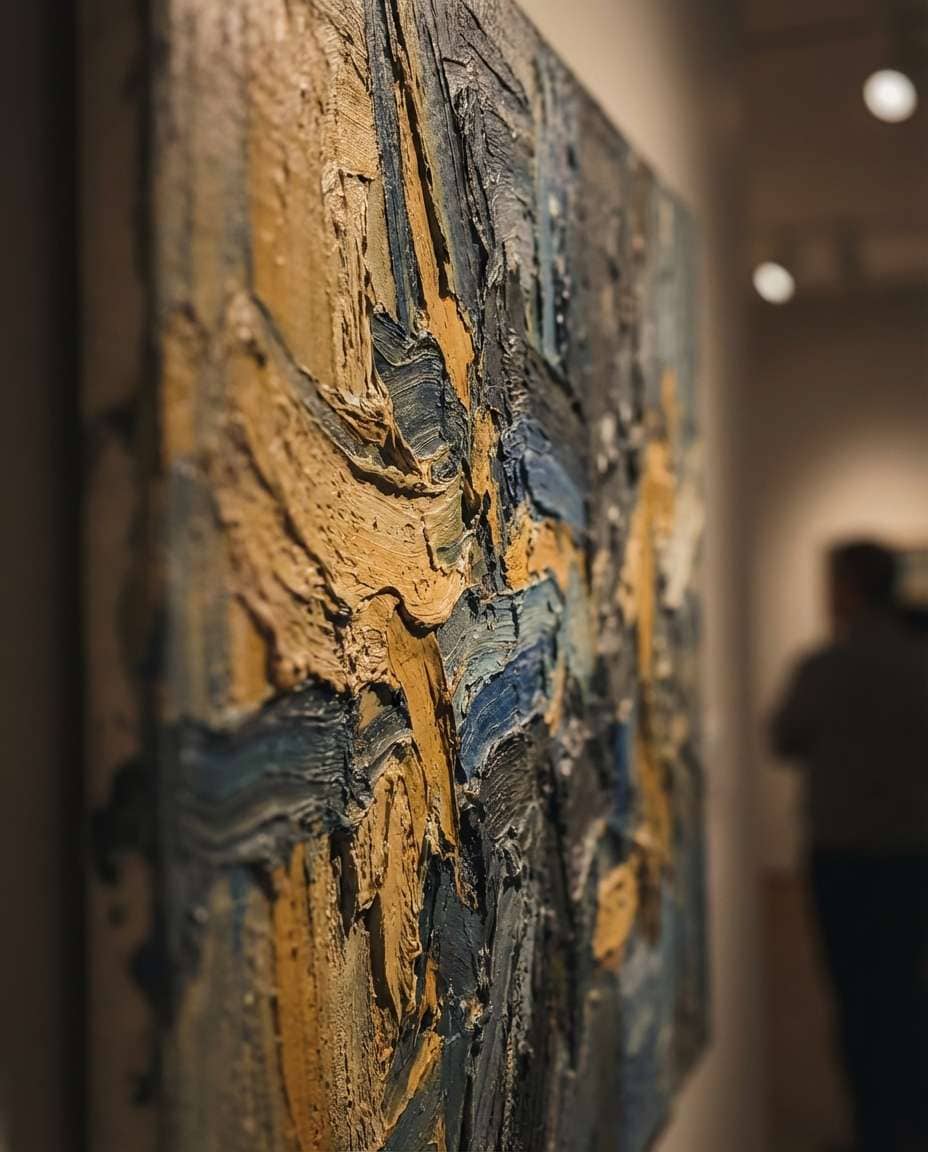
텍스처 임파스토 추상화
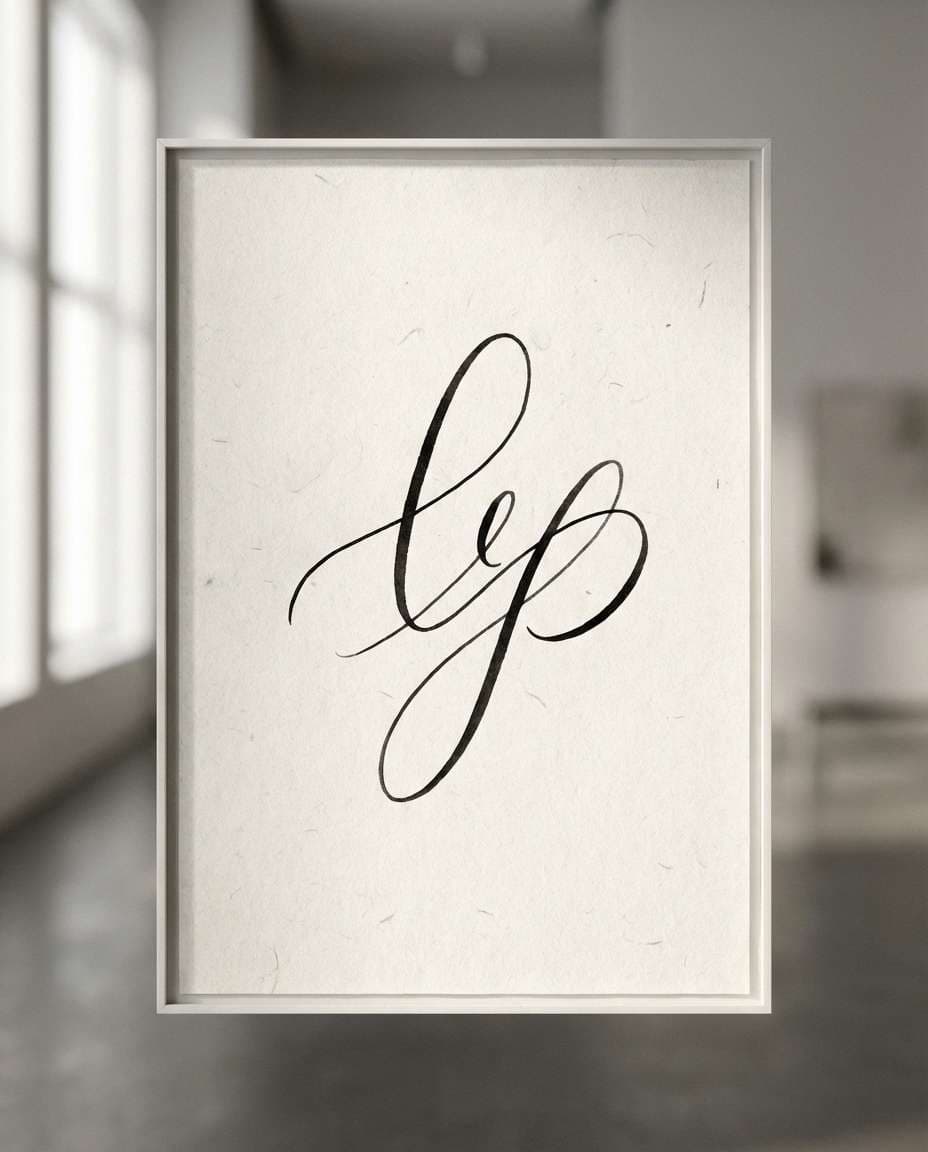
미니멀 라인 포스터 추상화
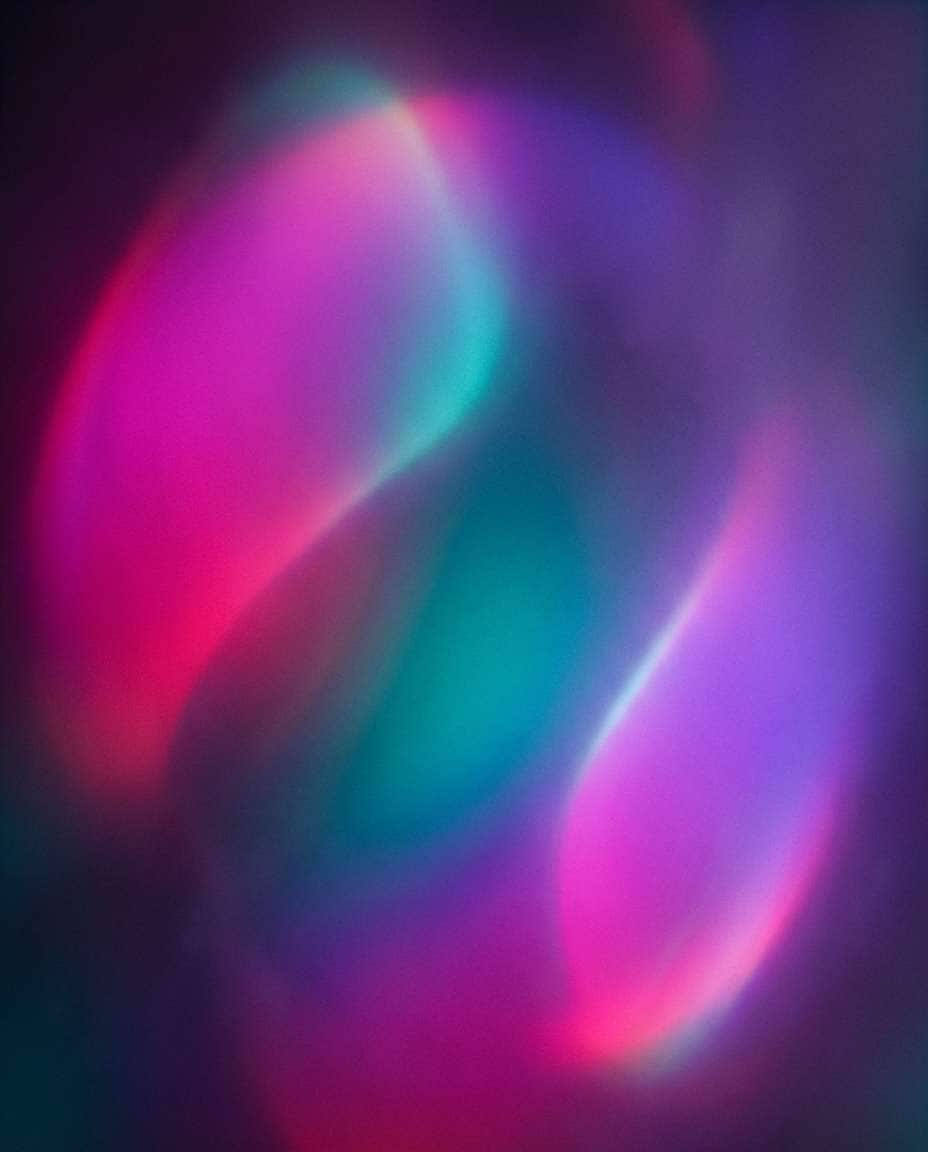
네온 그라데이션 헤이즈 추상화
추상화 스타일 그림이란?
추상화 스타일 그림은 대상을 그대로 묘사하기보다 색, 선, 면, 질감, 리듬으로 감정과 구조를 전달하는 이미지입니다. 구체적인 사물이나 인물을 일부 남겨 둘 수도 있고, 완전히 비구상적인 화면을 만들 수도 있습니다. 프롬프트에서는 단순히 추상적이라고 쓰기보다 색면의 크기, 붓질의 방향, 재료감, 여백, 화면의 중심을 함께 정하면 결과의 의도가 선명해집니다.
화면의 중심과 균형
먼저 시선이 머무를 중심 영역을 정하고 주변 요소의 밀도를 낮춰 보세요. 비대칭 구도, 큰 면과 작은 점의 대비, 반복되는 곡선이나 직선처럼 조형 원리를 지정하면 무작위 얼룩과 구분되는 화면이 됩니다. 가로형 작품이라면 좌우 흐름을, 정사각형이라면 중앙 집중 또는 가장자리 여백을 구체적으로 적는 것이 좋습니다.
색과 표면 질감
코발트 블루, 버밀리언, 크림, 차콜처럼 색상 이름을 제한적으로 제시하면 팔레트가 정돈됩니다. 아크릴의 두꺼운 임파스토, 잉크 번짐, 마른 붓, 캔버스 섬유, 종이의 거친 결 등 재료 단서를 추가하면 평면적인 디지털 결과에 촉각적 깊이가 생깁니다. 포인트 색 하나를 남겨 두면 작은 썸네일에서도 초점이 살아납니다.
활용 장면
추상화 프롬프트는 벽 장식 콘셉트, 앨범 커버, 전시 포스터 배경, 브랜드 무드보드, 휴대폰 배경 이미지에 활용할 수 있습니다. 인쇄를 염두에 둔다면 가장자리까지 이어지는 패턴인지 중앙 작품인지 먼저 정하고, 텍스트가 들어갈 공간이 필요한 경우 빈 여백의 위치를 지정하세요. 기존 작품의 구도나 서명을 복제하지 않고 조형 원리만 참고하면 더 독창적인 결과를 만들 수 있습니다.
프롬프트 작성 순서
대상 또는 비구상 주제, 조형 언어, 팔레트, 재료, 조명, 구도, 출력 비율 순서로 작성해 보세요. 화면이 너무 복잡하면 색 수와 요소 수를 줄이고 중심 면을 크게 요청합니다. 반대로 밋밋하면 겹친 안료, 긁힌 표면, 투명한 레이어, 반복되는 선의 방향을 추가하세요. 마지막에는 로고나 워터마크가 불필요한지 확인하고 용도에 맞는 여백을 점검합니다.