
Clock Illustration
From vintage pocket watches to futuristic timepieces, discover AI prompts to create stunning clock illustrations for any project.
2026.07.04
Fai «Clock Illustration» esattamente come lo vuoiCrea il tuo «Clock Illustration»
Chiedilo con parole tue: Carat genera per te immagini e video ottimizzati.

Inizia subito con 100 crediti gratis al giorno
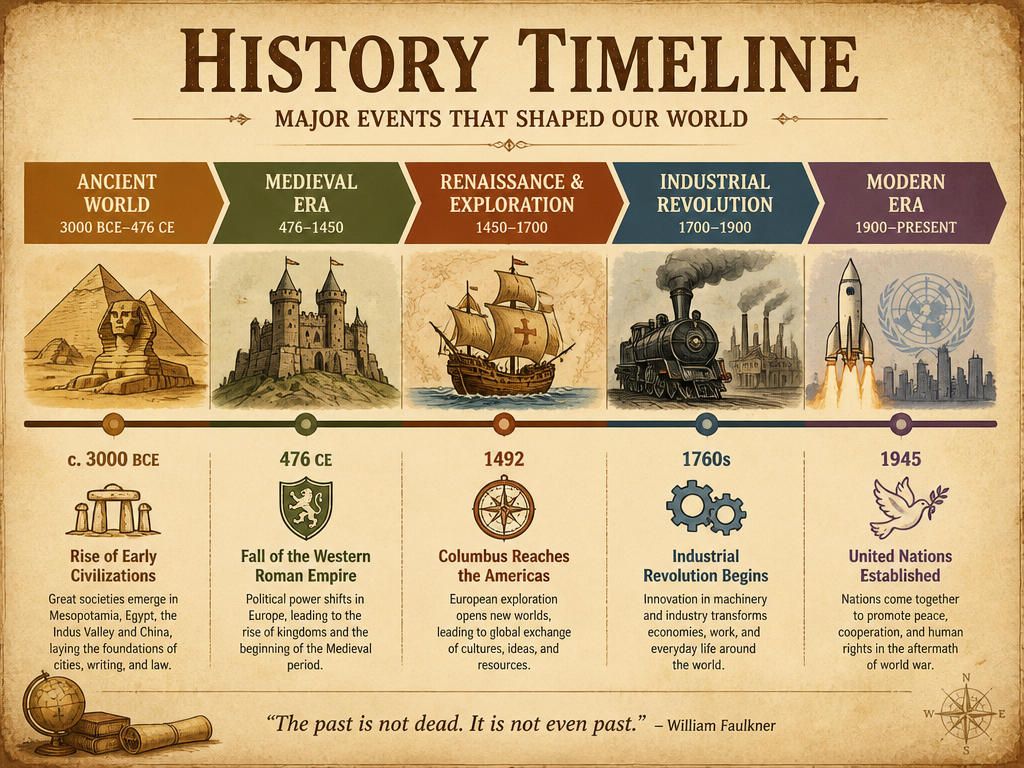
역사 타임라인 인포그래픽
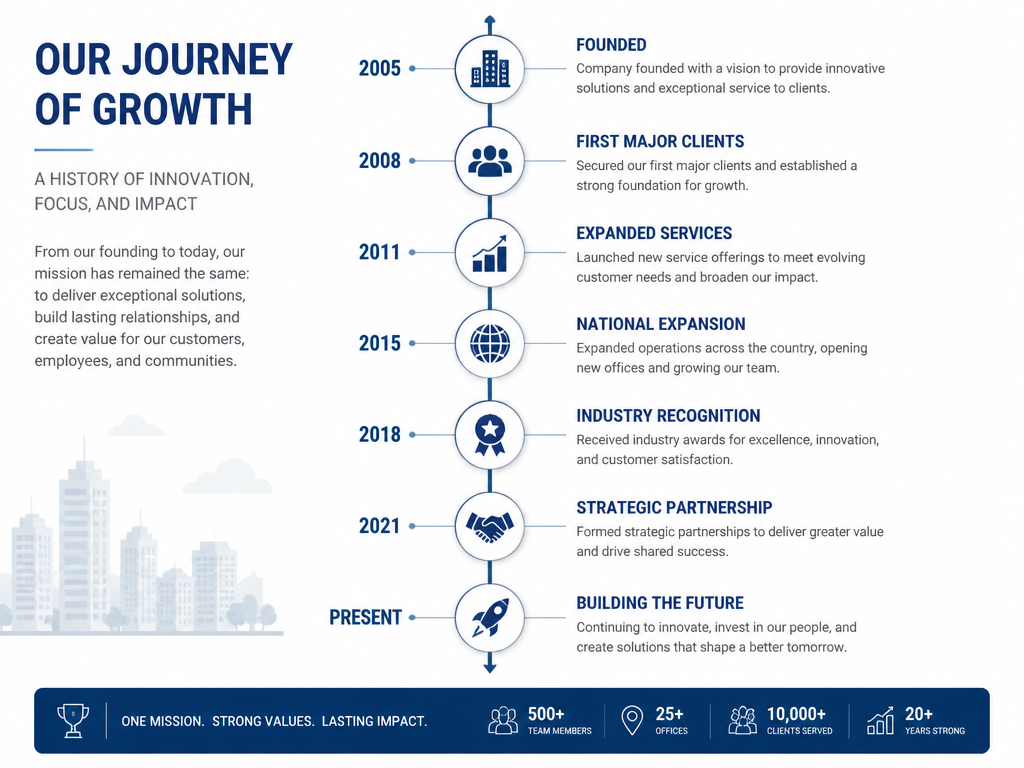
회사 연혁 타임라인
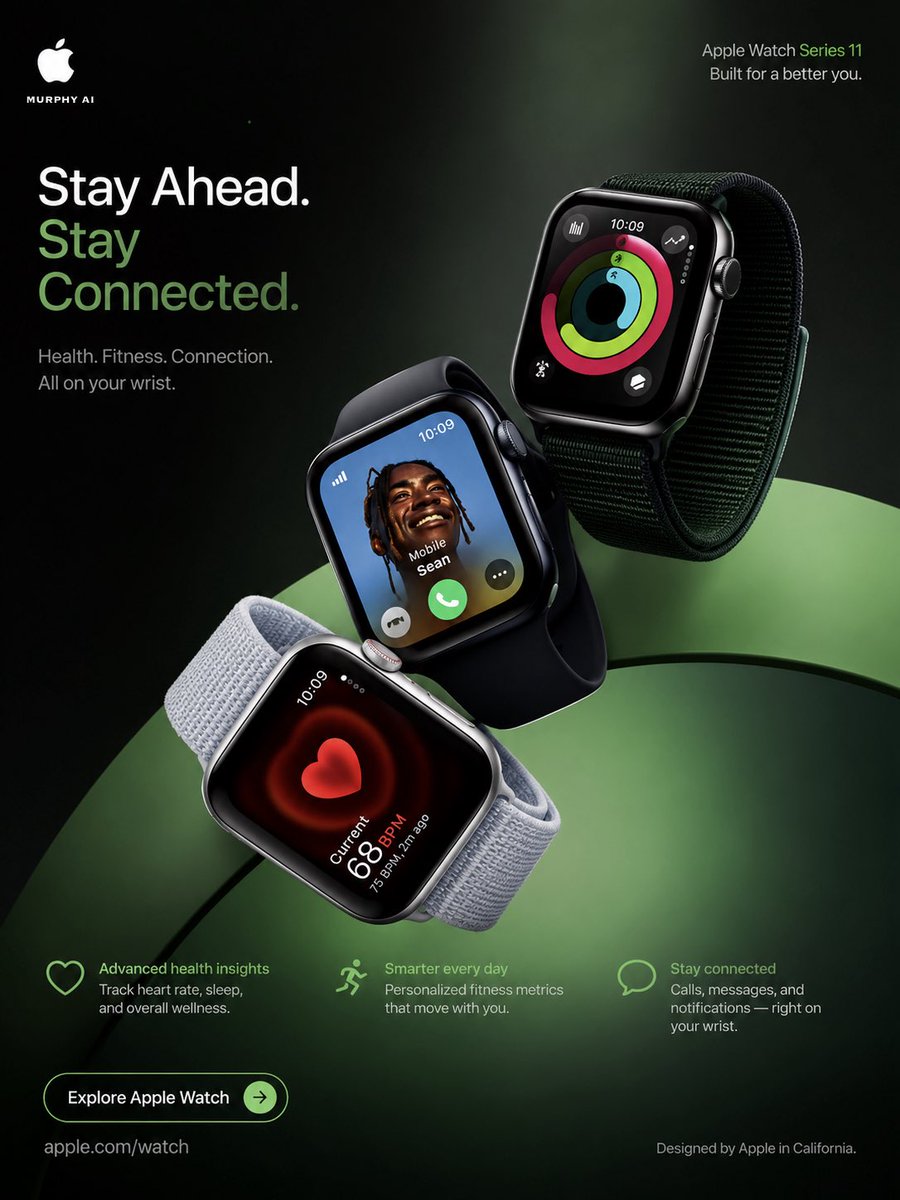
Apple Watch Series 11 Luxury Poster
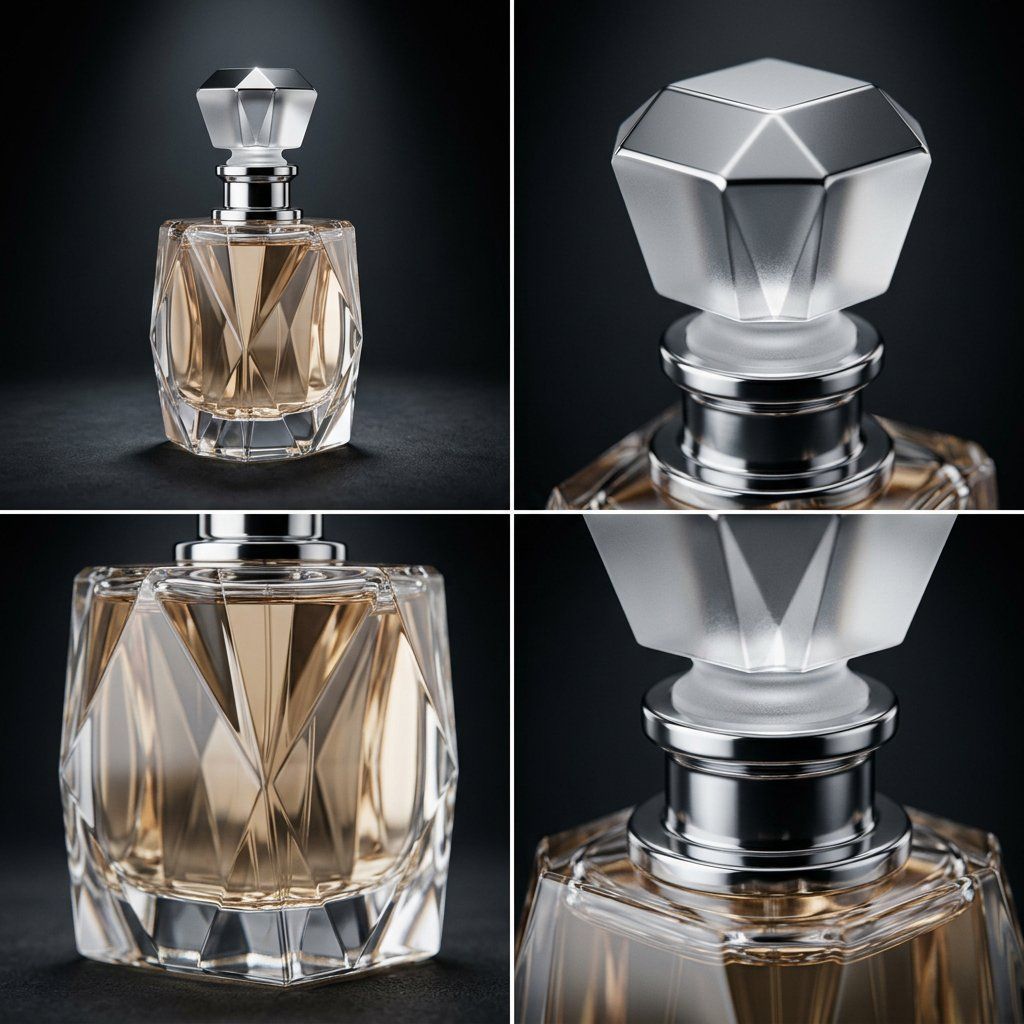
Luxury Chronograph Macro Design
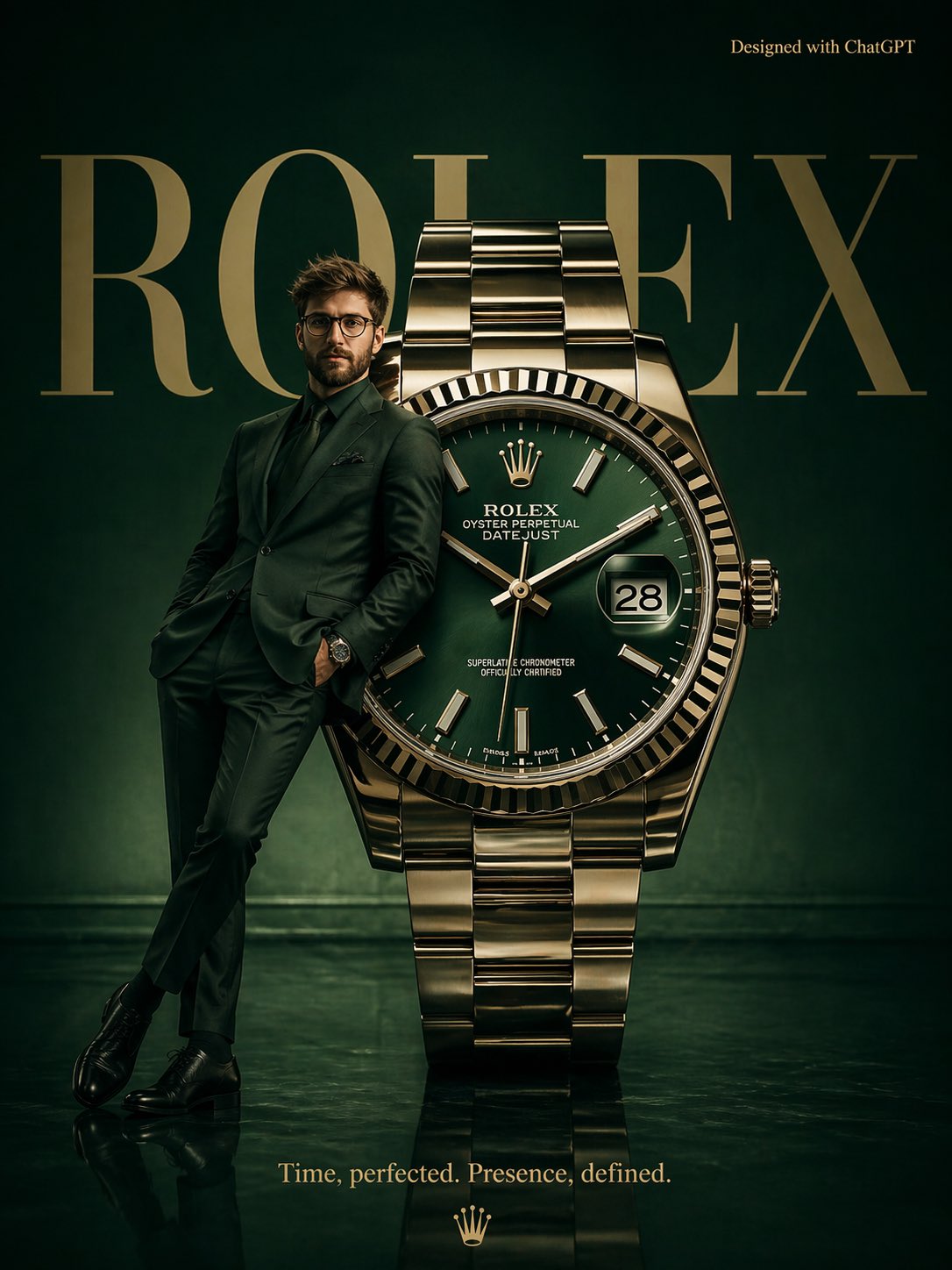
High-fashion Surrealist Poster for Rolex
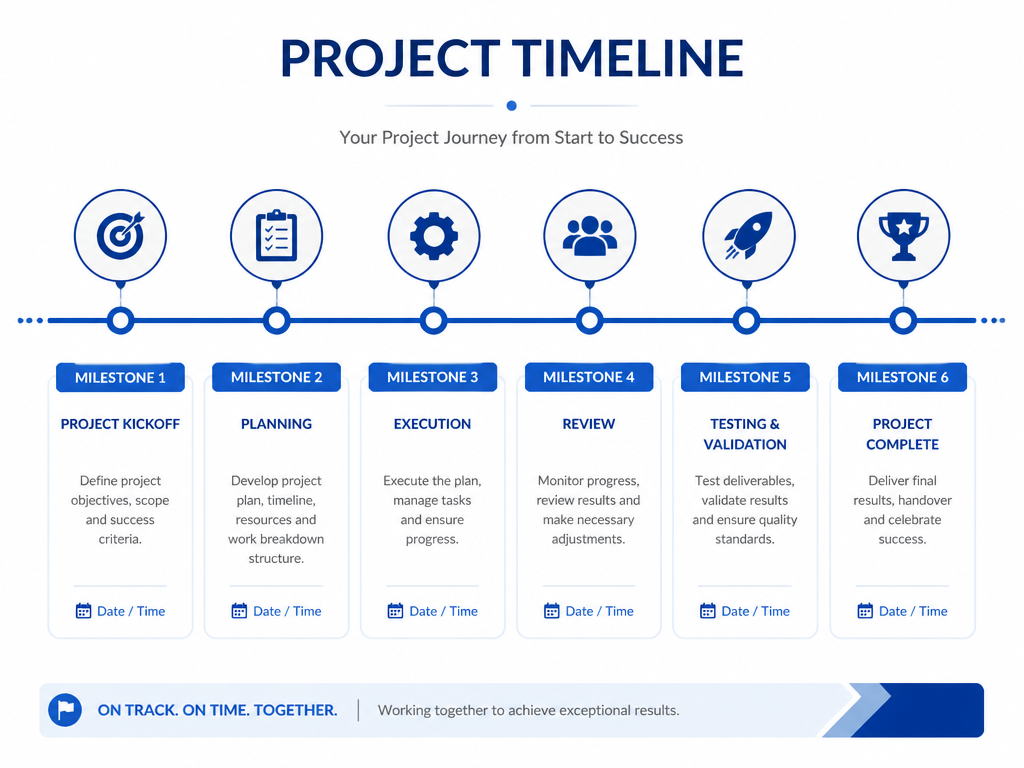
프로젝트 타임라인
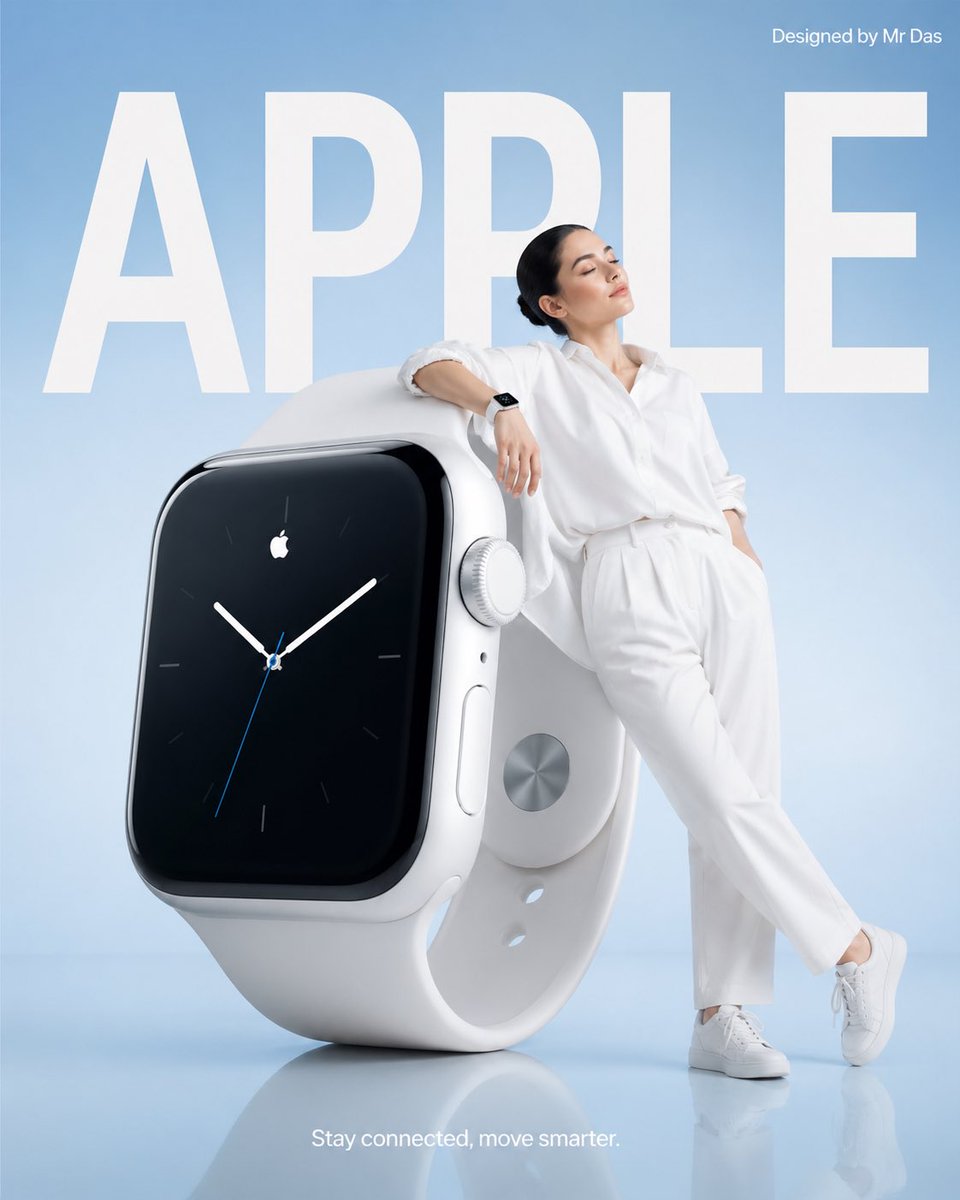
Oversized Apple Watch Minimal Ad
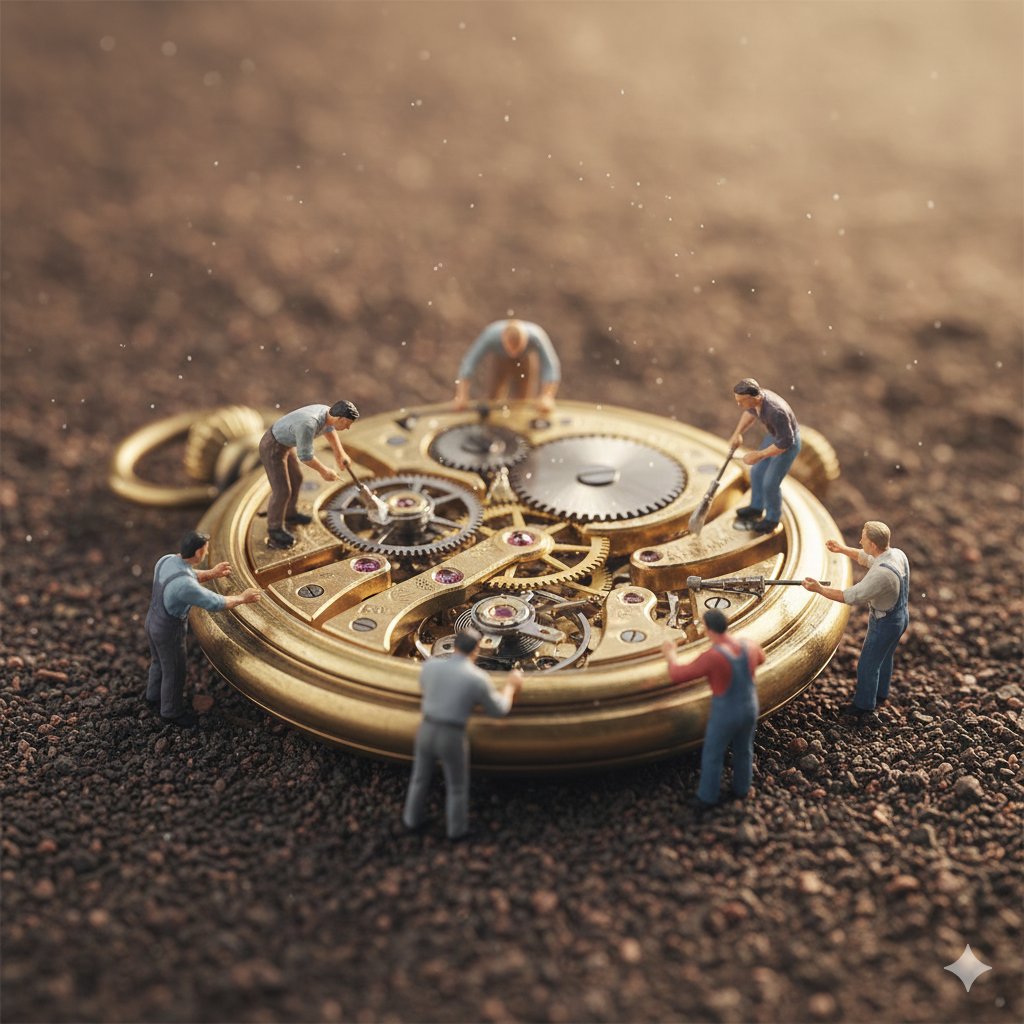
Pocket Watch Miniature Restorers
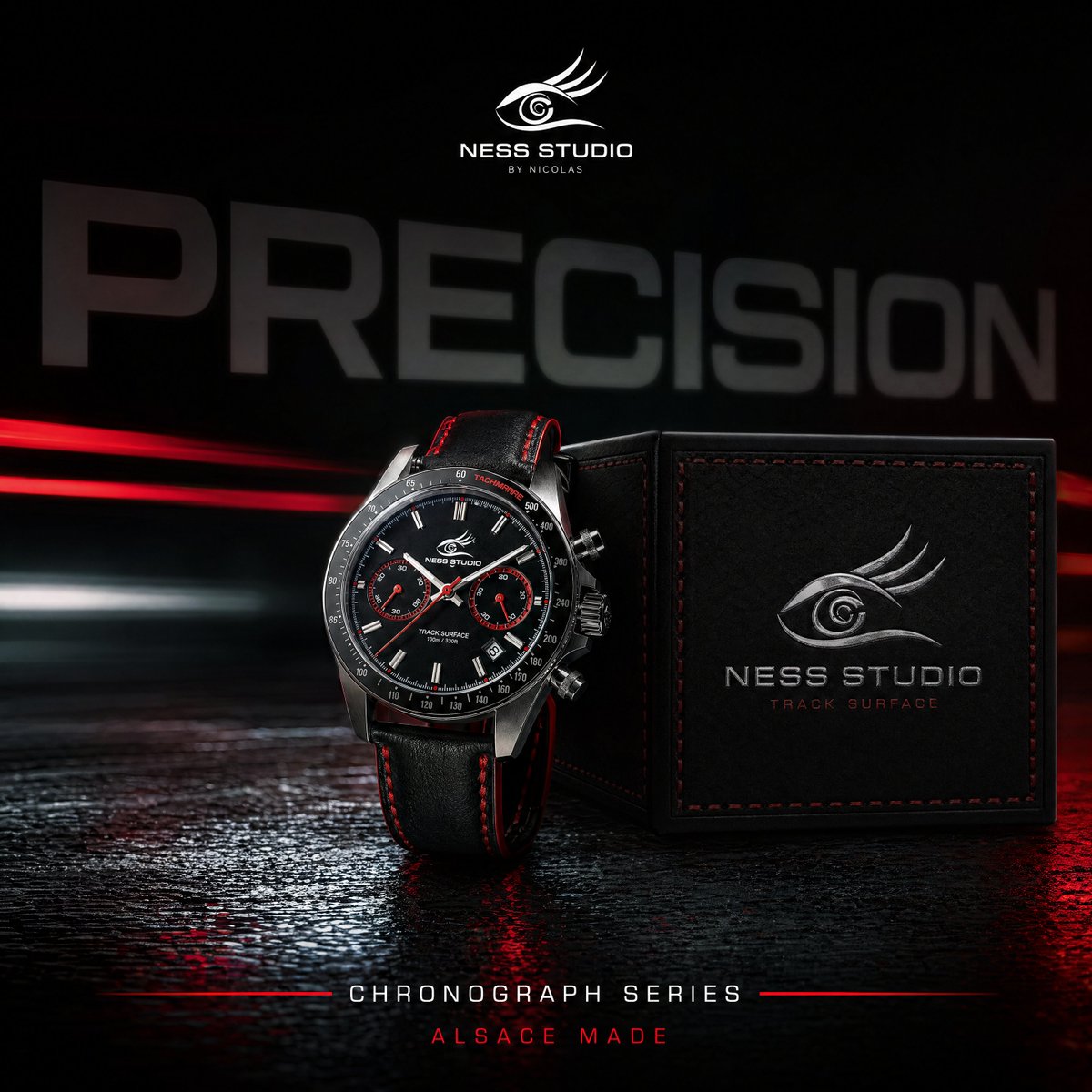
Luxury Chronograph Watch Ad
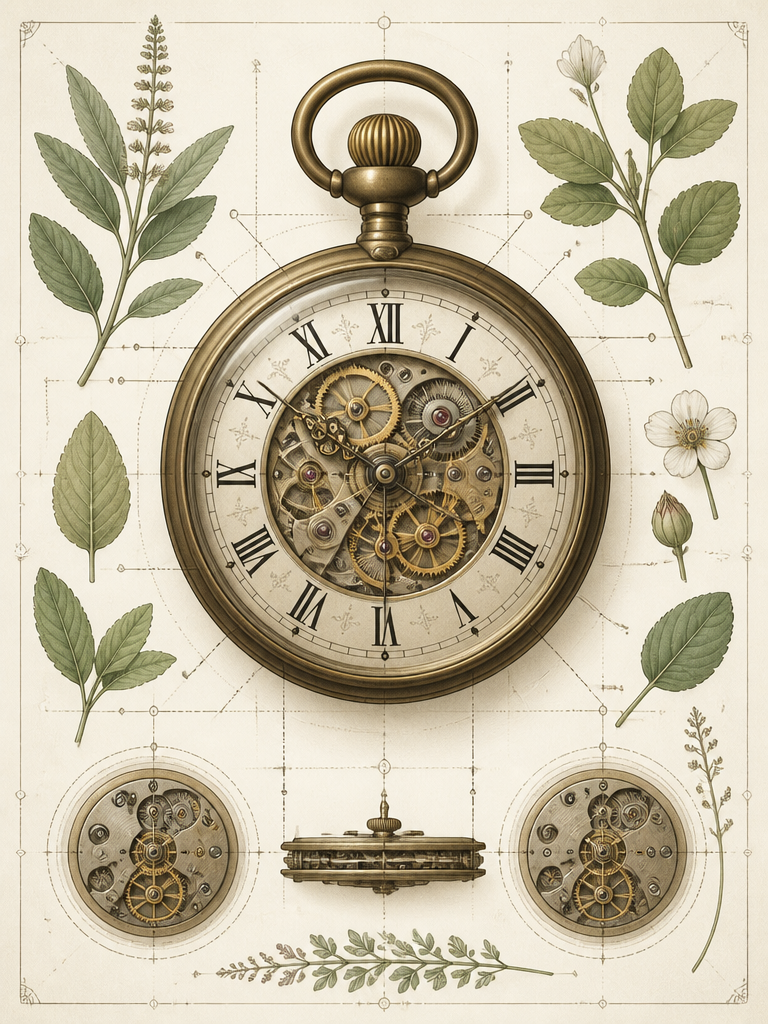
시계 일러스트
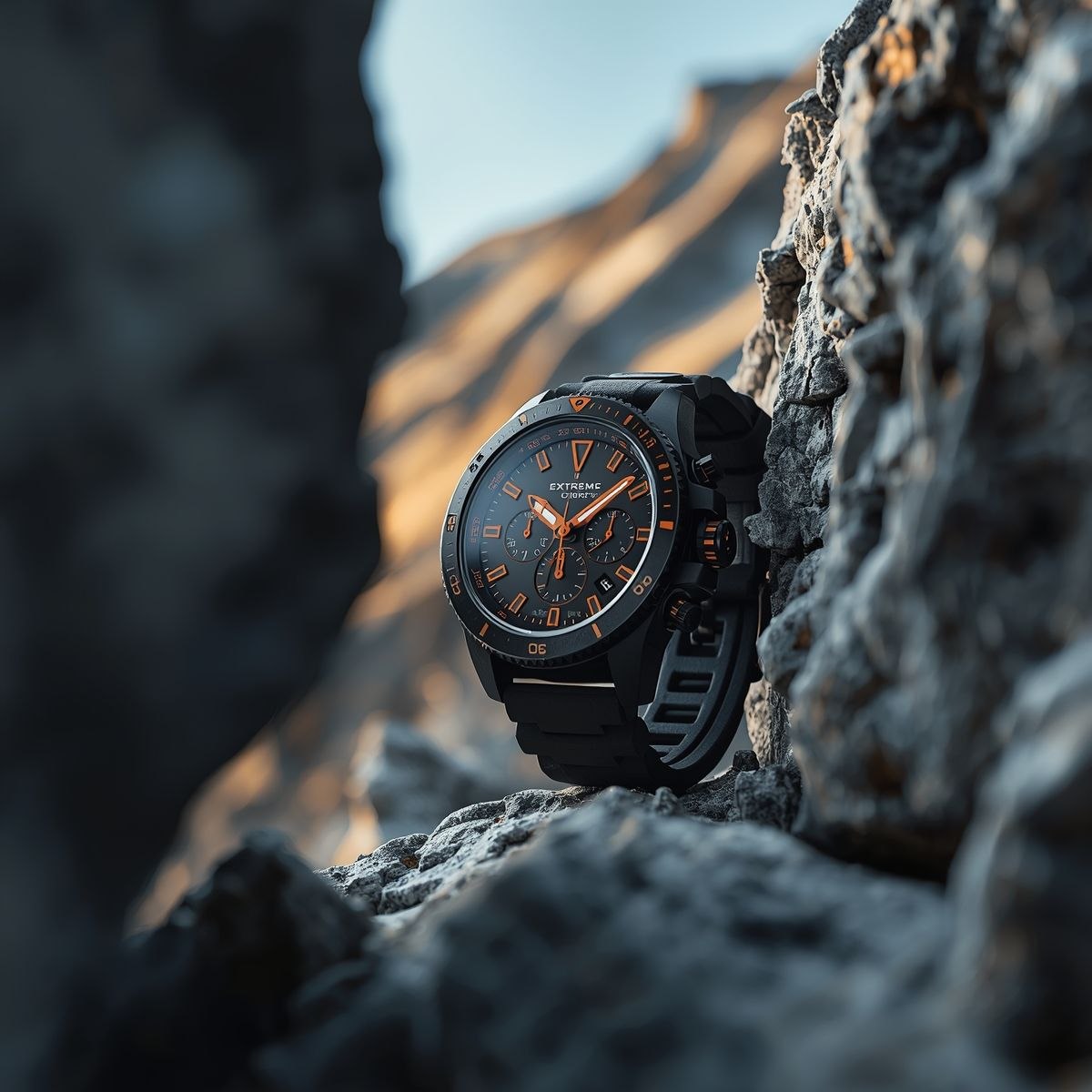
Rugged Chronograph Watch Ad
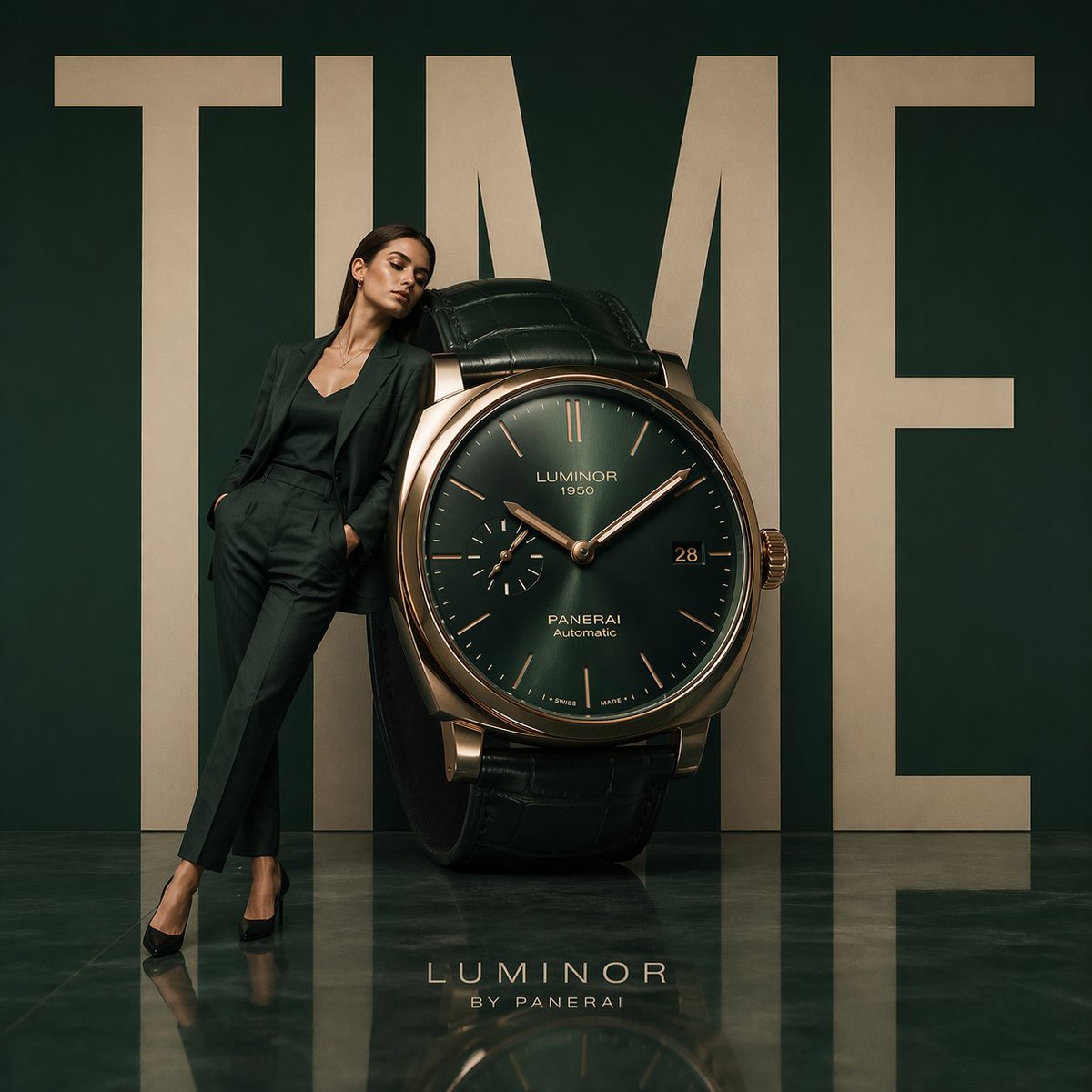
Luxury Watch Campaign Ad
What Are Clock Illustration AI Prompts?
Clock Illustration AI Prompts are specialized descriptive datasets designed to guide generative artificial intelligence in recreating the intricate beauty and mechanical complexity of timekeeping devices. A clock is more than just a functional object; it is a masterpiece of engineering and a profound symbol of the human experience. These prompts allow users to specify the fine details of horology-such as the delicate sweep of a second hand, the rhythmic alignment of brass gears, the texture of a sunray dial, and the precise typography of Roman or Arabic numerals. By utilizing Carat's curated prompt library, you can generate everything from the weathered copper of a Victorian pocket watch to the minimalist neon glow of a futuristic smartwatch. These prompts act as a bridge between the abstract concept of 'time' and a tangible, high-fidelity visual asset, providing the technical vocabulary necessary to describe lighting, materiality, and environmental context with professional accuracy. Whether for commercial design or artistic exploration, these AI prompts empower creators to visualize time in countless creative ways without needing mastery in 3D rendering or technical illustration.
Best Use Cases
The versatility of clock illustrations makes them essential for a wide range of creative and professional applications. In the corporate world, they are frequently used in presentations to visualize 'timelines,' 'deadlines,' and 'project schedules,' providing a clear and engaging symbolic anchor for viewers. Marketing agencies use high-end watch illustrations for luxury branding, lifestyle social media content, and promotional banners for fashion retailers. For storytellers-such as authors, game developers, and filmmakers-stylized clock images are vital for themes of time travel, historical nostalgia, or the surreal passage of time, as seen in the iconic melting clocks of surrealist art. Educational content creators also find these illustrations useful for teaching the history of timekeeping or creating learning materials for children. Additionally, the 'productivity' and 'organization' niche uses clock icons and illustrations for app interfaces, planners, and stationery designs, where the clock remains the most universally recognized symbol for efficiency and mindfulness.
Why This Tag Works
The Clock Illustration tag on Carat is uniquely effective because it addresses the inherent challenges of rendering symmetrical and mechanically precise objects. AI models sometimes struggle with the logical placement of numbers or the correct perspective of watch hands, but our optimized prompts include 'structural guides'-specific terms that help the AI maintain the geometric integrity of the clock face. This tag also excels at material science; users can specify textures like 'brushed stainless steel,' 'antique mahogany wood,' or 'shimmering mother-of-pearl,' and the AI will respond with realistic light interactions and shadows. Furthermore, this tag encourages thematic depth. It allows creators to go beyond simple object depiction to create 'atmospheric storytelling'-for example, an old clock covered in cobwebs to signify a forgotten era, or a high-tech holographic clock floating in a futuristic cityscape. The balance of technical precision and artistic freedom is what makes this tag a powerful tool for anyone looking to produce high-impact, professional-grade imagery that captures the essence of time.
Explore Related Prompts
Complement your time-themed designs by exploring these related tags that provide additional styles and creative possibilities.
Prompt Building Tips
To generate a truly exceptional clock illustration, focus on the 'era' and 'material details.' Start by defining the type of clock: is it a 'Cuckoo clock', a 'Sandwich-dial watch', or a 'Grandfather clock'? Be specific about the numbers on the face-use 'Roman numerals' for a classic look or 'Minimalist tick marks' for a modern feel. Lighting is a key factor in making the image feel premium; try adding 'soft bokeh background', 'dramatic rim lighting', or 'caustics reflecting through the watch crystal'. To tell a story, describe the environment: 'An old pocket watch resting on a dusty map' or 'A futuristic digital clock integrated into a spaceship console'. If you're interested in the mechanical side, use prompts like 'skeletal dial showing inner gears' or 'exploded view of a mechanical movement'. Don't forget the hands: 'thin blue-steel hands pointing to 10:10' is a standard for beautiful watch photography. By combining these specific horological terms with artistic style descriptors like 'watercolor' or '3D render', you can achieve a wide variety of high-quality results tailored to your specific project needs.