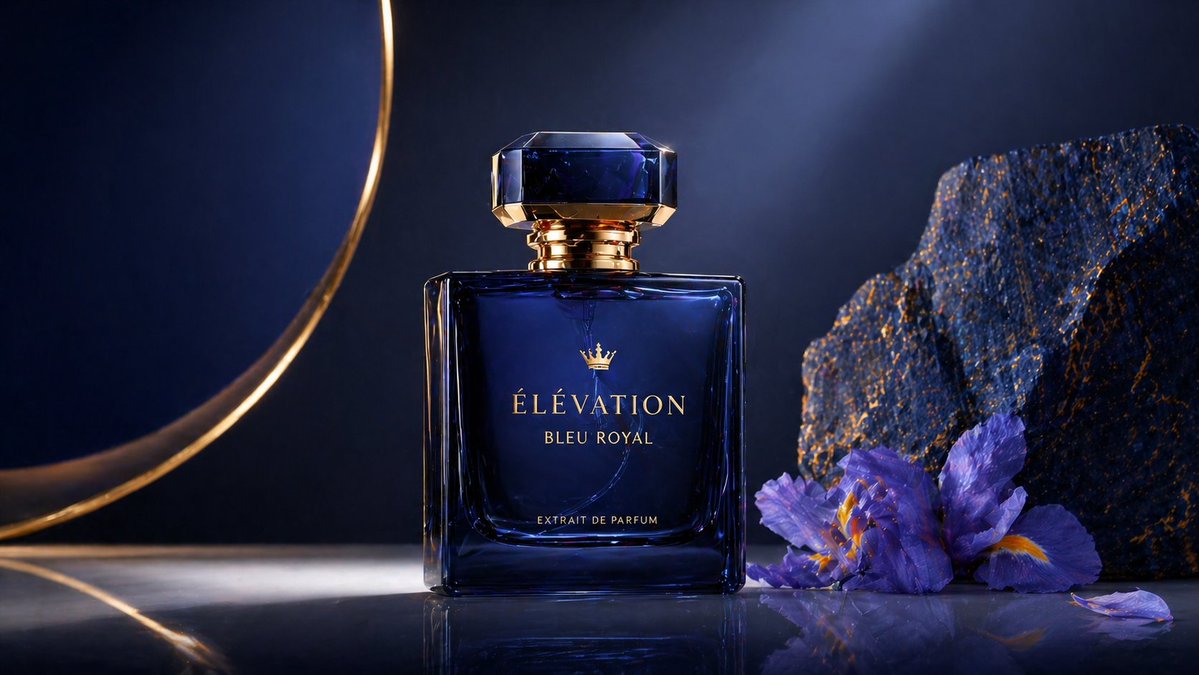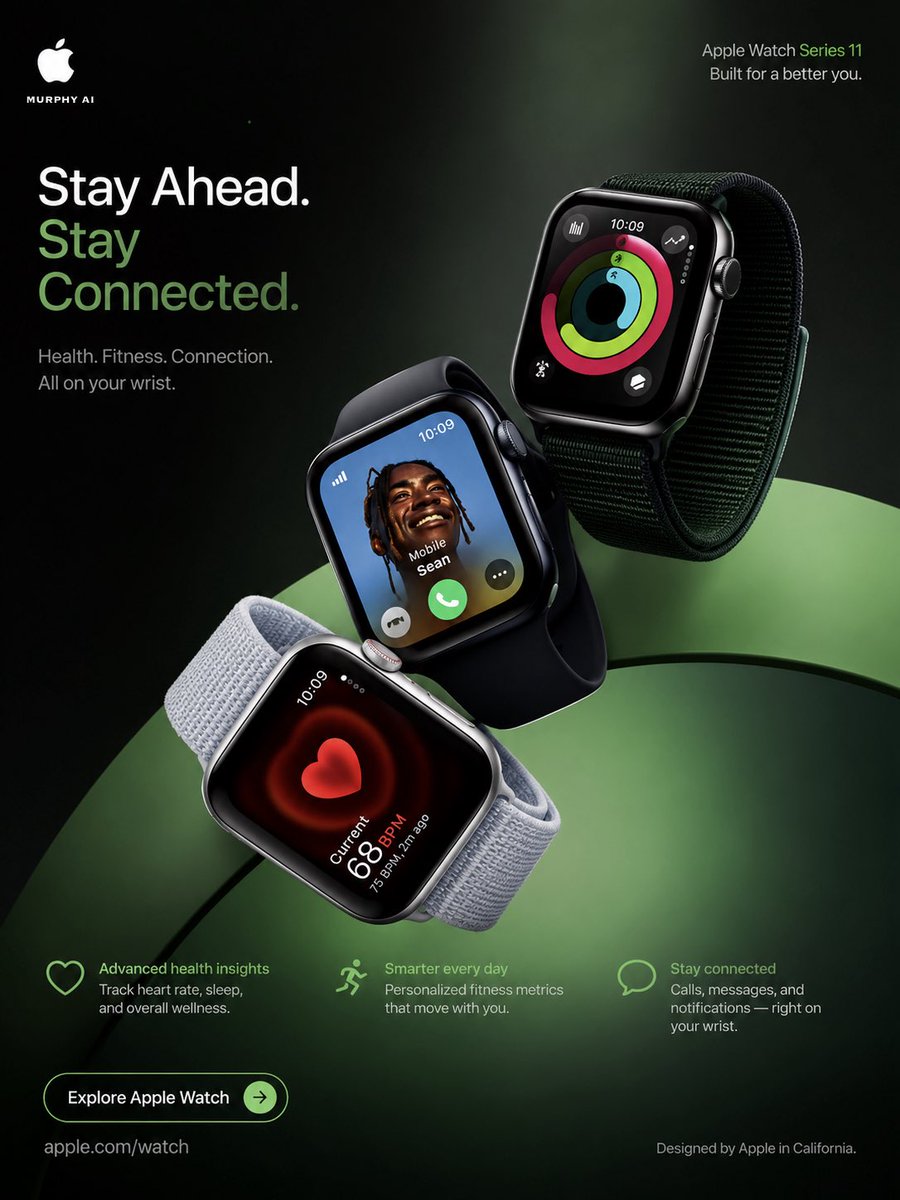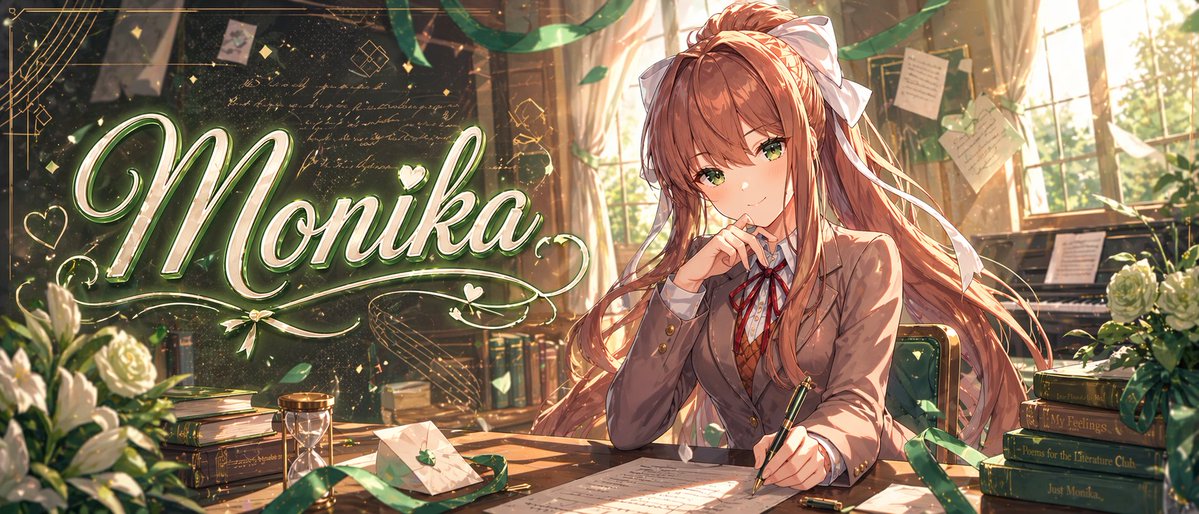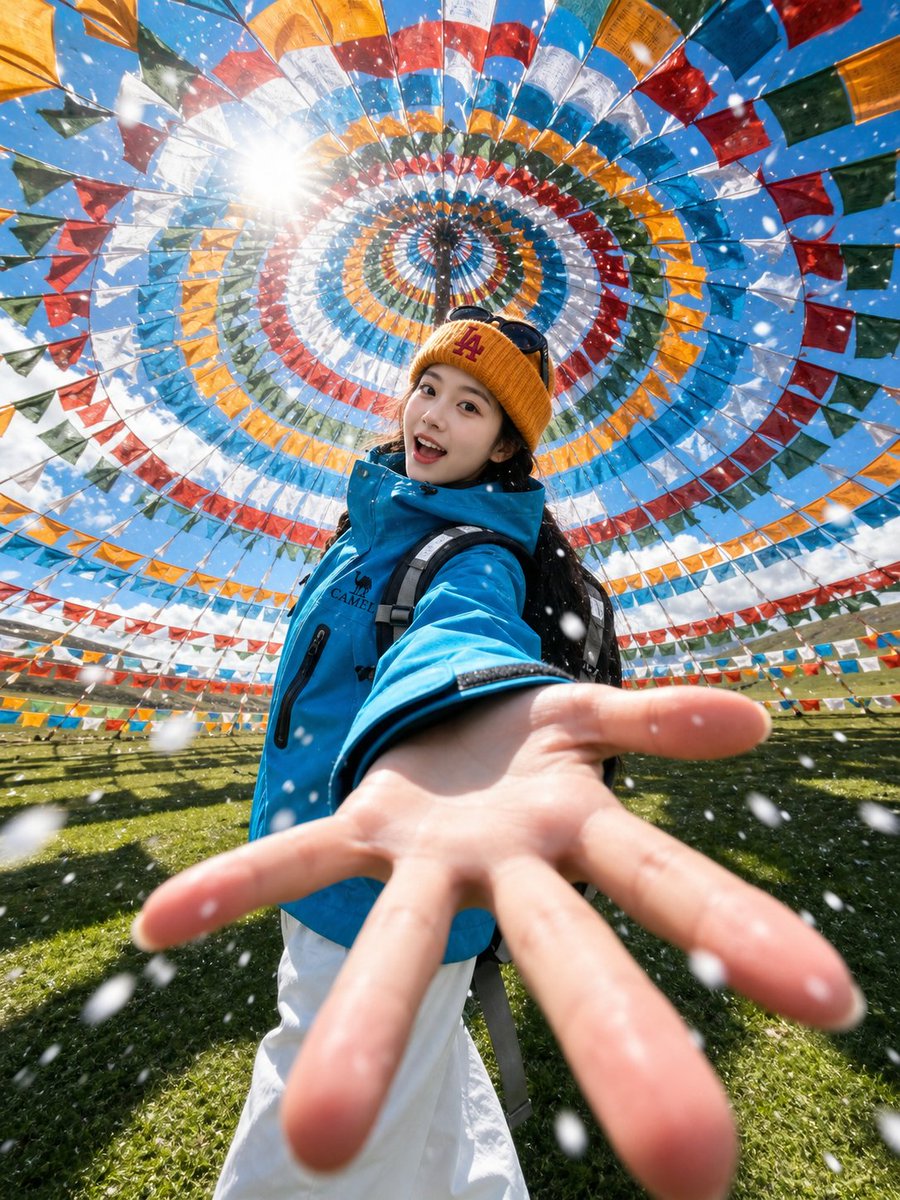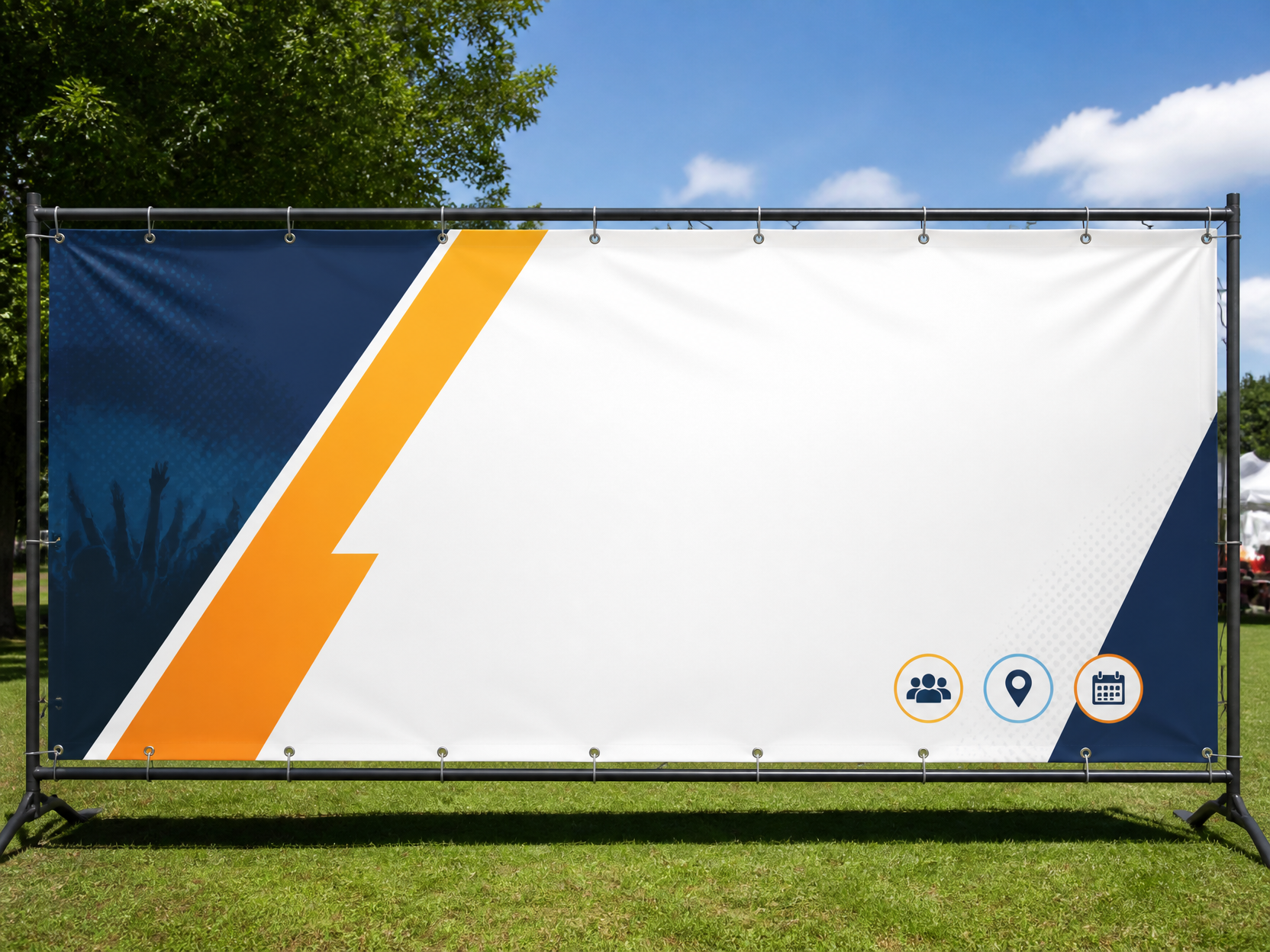
Explore AI prompts to generate majestic flags, banners, and emblems with realistic fabric textures and dynamic wind effects.
2026.07.04


Flag Illustration AI Prompts are meticulously crafted sets of descriptive instructions that guide generative artificial intelligence in creating visually powerful images of banners, pennants, and standards. A flag is more than just a piece of cloth; it is a symbol of identity, a beacon of movement, and a carrier of deep historical or fictional meaning. These prompts are designed to capture the complex physics of fabric as it interacts with the wind, the subtle interplay of light and shadow across its folds, and the specific material properties of different textiles-from the rough, weathered canvas of a pirate ship's flag to the smooth, shimmering silk of a royal banner. By using Carat's curated prompt library, users can bridge the gap between abstract symbolism and tangible visual art, producing high-resolution illustrations that feature intricate embroidery, bold heraldic emblems, and atmospheric environmental effects. Whether you are building a fantasy world or designing a corporate brand, these prompts provide the essential vocabulary to bring your symbolic visions to life.
The utility of flag illustrations spans across numerous creative industries and personal projects. In the gaming and entertainment sector, these illustrations are indispensable for world-building, where they serve as icons for different factions, kingdoms, or guilds, adding a layer of depth and lore to the visual narrative. For authors and screenwriters, a custom flag can represent a family's lineage or a nation's pride within their fictional universe. In the commercial world, flag illustrations are often used in event branding, sports team marketing, and commemorative posters to evoke a sense of triumph and belonging. They also serve as excellent assets for website headers, digital badges, and social media announcements where a strong, central symbol is needed. Furthermore, educators and historians find these AI-generated images useful for creating engaging visual aids that depict historical flags in realistic settings, making the past feel more vivid and accessible to modern audiences. The flexibility to generate flags in any style-from minimalist flat icons to grand, cinematic oil paintings-makes this tag a versatile tool for any visual communicator.
The Flag Illustration tag on Carat is exceptionally effective because it specializes in the 'dynamic physics' of soft bodies, something that general AI prompts often struggle to replicate accurately. Our prompts include built-in cues for 'cloth simulation,' ensuring that the AI correctly calculates how a flag should drape, wrinkle, or flutter based on the specified wind conditions. This results in an image that feels authentic and weighted, rather than flat and static. Additionally, the tag excels at maintaining the integrity of emblems and logos even as they follow the natural curves and undulations of the fabric. This 'wrap-around' effect is crucial for realism. Another strength of this tag is its material diversity; users can easily specify textures like 'heavy wool,' 'translucent nylon,' or 'ancient tattered parchment,' and the AI will adjust the light transparency and edge fraying accordingly. By providing a reliable framework for these complex visual elements, the Flag Illustration tag allows creators to focus on the creative meaning of their flags while the AI handles the technical execution of light and motion.
Complement your flag designs by checking out these related tags that offer additional artistic styles and contexts.
Creating a standout flag illustration starts with defining the 'energy' of the scene. Instead of a generic flag, try specifying the wind speed: 'Gently billowing in a soft breeze' creates a serene look, whereas 'viciously snapping in a gale' conveys drama and intensity. Be specific about the fabric's condition to tell a story-use 'weather-beaten and blood-stained' for a war-torn banner or 'pristine and gold-trimmed' for a celebration. The placement of the flag is equally important for the composition; use phrases like 'hoisted high atop a castle turret' or 'clutched in the hand of a weary soldier' to provide context. To make the colors pop, describe the lighting environment, such as 'backlit by a crimson sunset' or 'shimmering under a full moon.' If you have a specific emblem in mind, describe its placement and material separately, such as 'a silver dragon motif embroidered in the center.' Finally, consider the camera angle: a 'worm's-eye view' looking up at the flag will make it appear heroic and towering, while a 'wide-angle landscape shot' can show multiple banners marking a vast territory. By combining these environmental and material details, you can produce truly majestic flag illustrations.