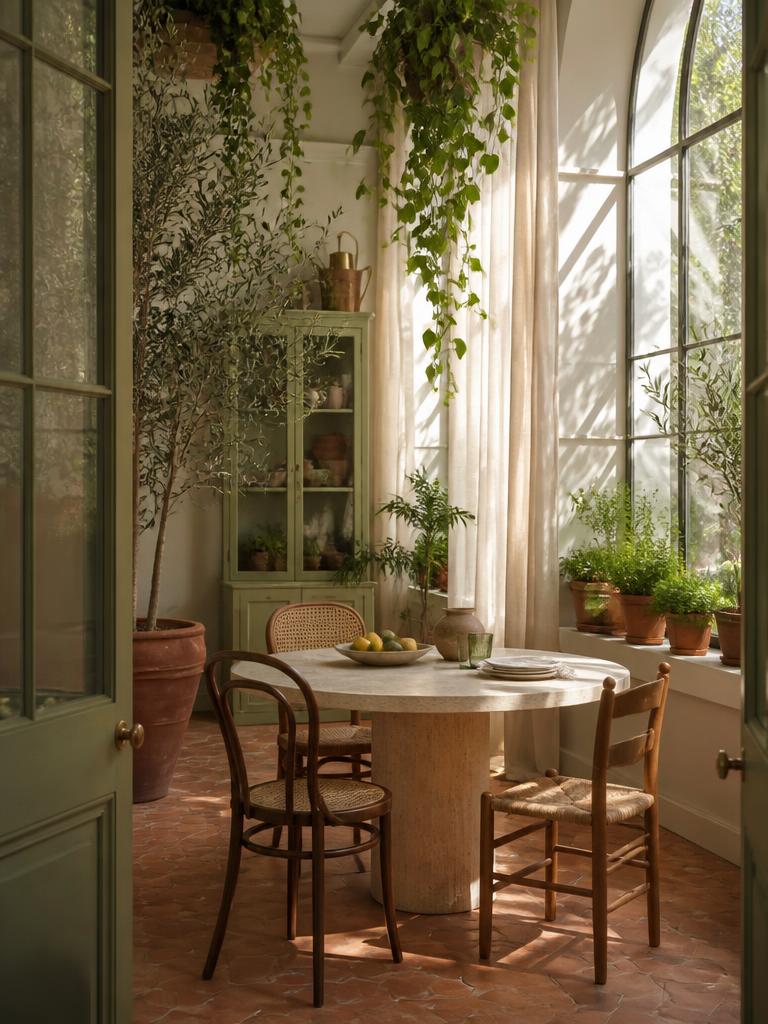
Visualize stunning restaurant interiors and architectural concepts with our advanced AI prompt strategies.
2026.07.03


Restaurant Interior AI prompts are detailed linguistic blueprints used to direct artificial intelligence in generating high-quality, realistic visualizations of dining spaces. These prompts encompass a wide range of elements, including architectural layout, furniture selection, lighting design, and atmospheric mood. Whether you are envisioning a high-end Michelin-starred establishment with sleek marble finishes or a cozy, rustic bistro with warm wooden accents, these prompts provide the necessary parameters to bring those concepts to life. They serve as an essential resource for interior designers, restaurateurs, and marketing professionals who need to visualize spatial concepts, experiment with color palettes, and create compelling visual narratives for upcoming projects or branding materials. The depth of these prompts allows for a granular control over the environment that was previously only possible through time-consuming 3D modeling.
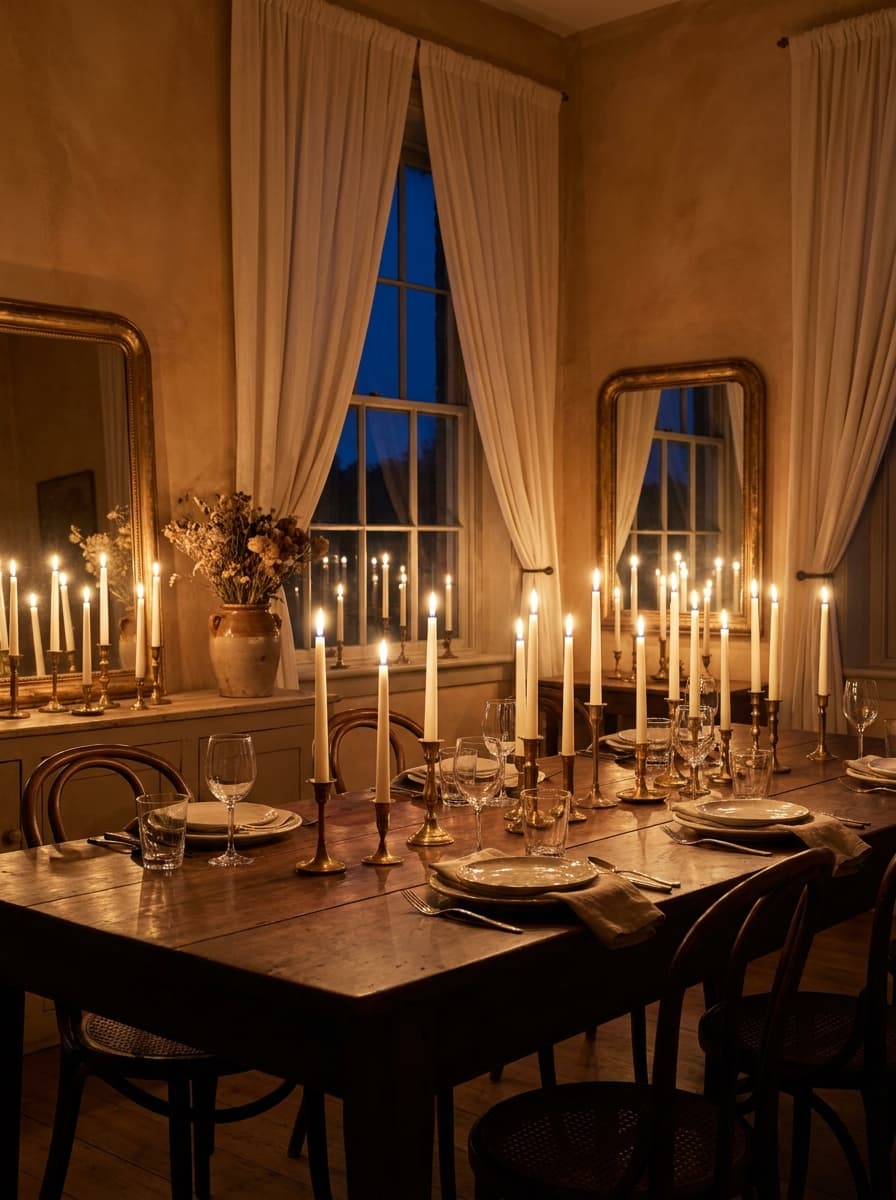
The Restaurant Interior tag is incredibly powerful because it masters the complexity of indoor environments. Rendering an interior requires an understanding of how light interacts with various surfaces, the reflection on a polished tabletop, the shadows cast by a chandelier, and the soft diffusion of natural light through a large window. This tag provides the AI with the context needed to render these interactions accurately, resulting in images that look like professional architectural photography. The ability to simulate real-world materials such as brass, velvet, and reclaimed wood makes these AI-generated images indistinguishable from actual photographs of high-end establishments.
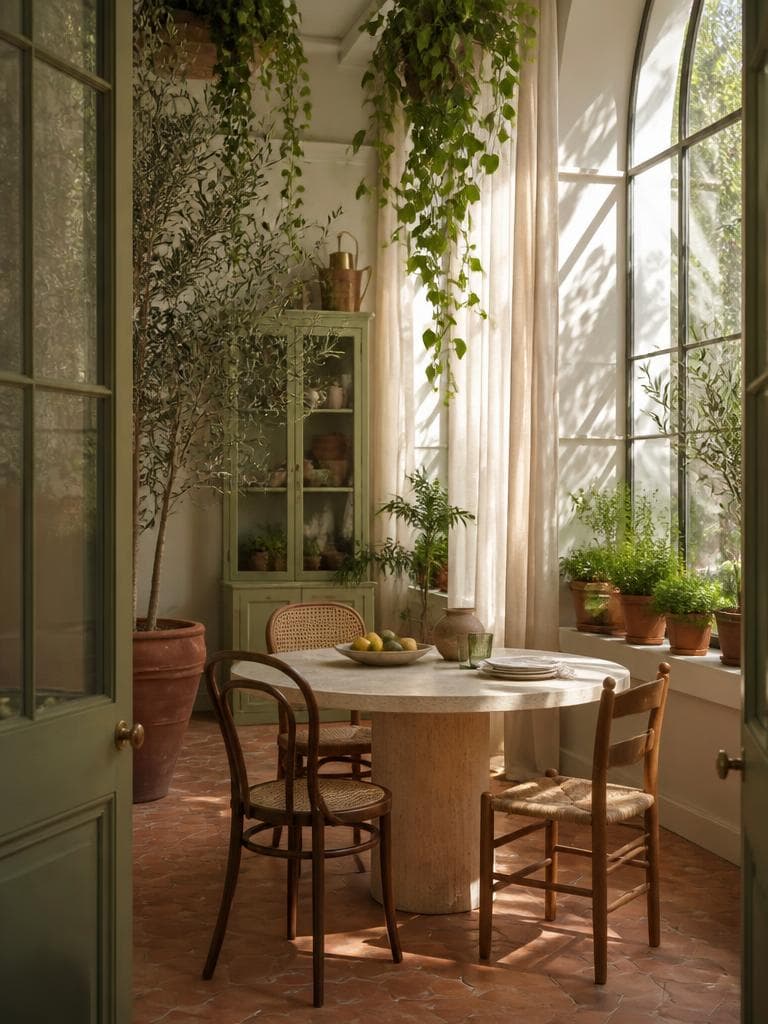
Additionally, this tag offers unparalleled flexibility in exploring diverse design movements. With a few keyword changes, you can transform a space from a cold, industrial chic loft to a lush, botanical oasis. This rapid iteration capability allows creators to test multiple what-if scenarios without the high costs associated with 3D rendering software or physical prototyping. For entrepreneurs, it provides a cost-effective way to market their vision to investors and customers long before the first brick is laid. It democratizes the design process, allowing anyone with a vision to step into the role of an interior architect and visualize the future of dining. This tag essentially functions as a digital portal into any imaginable culinary environment, offering a limitless supply of inspiration and production-ready assets.
By refining your prompts, you can turn a generic room into a signature dining destination. The key is to think like a photographer and a designer simultaneously, considering both the structural elements and the emotional impact of the lighting and decor. Use these tools to explore the boundaries of interior design and create spaces that invite people in to stay and enjoy. The power of AI to synthesize complex interior data into a single, cohesive image is a revolution in how we plan and experience restaurants.