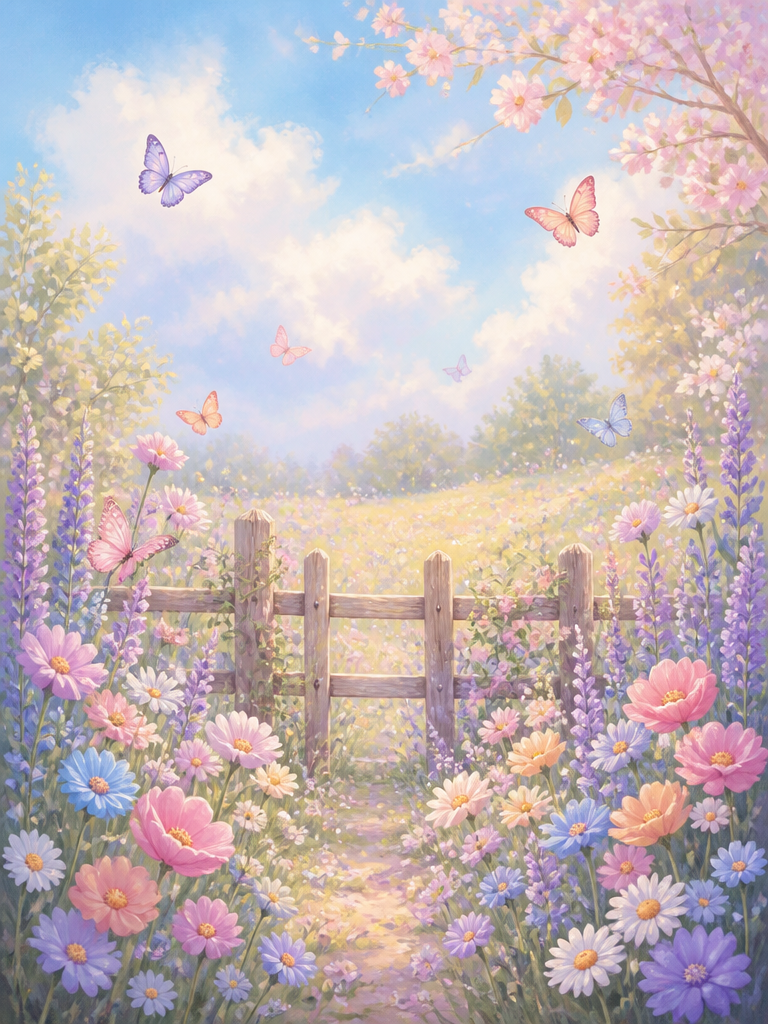
Ring Design
Generate exquisite wedding ring illustrations and diamond ring 3D renders with high-fidelity AI prompts.
2026.07.04
Make “Ring Design” exactly the way you wantCreate your own “Ring Design”
Just ask in plain language — Carat generates optimized images and videos for you.

Start now with 100 free credits daily
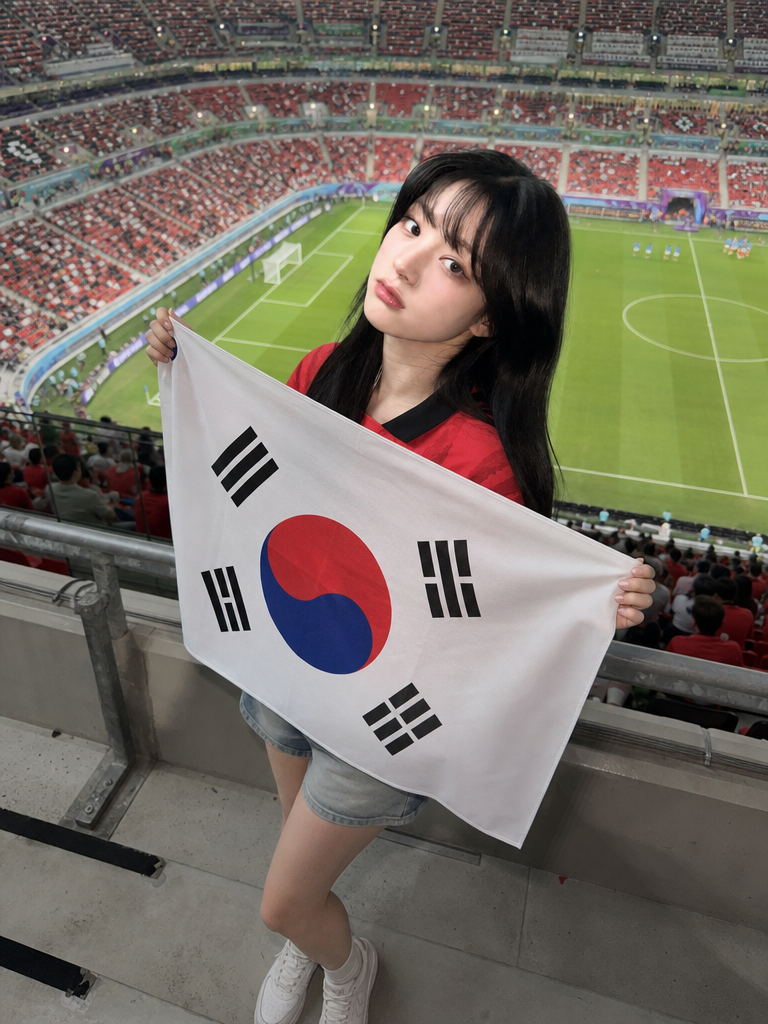
Full-Body Flag Cheering Shot
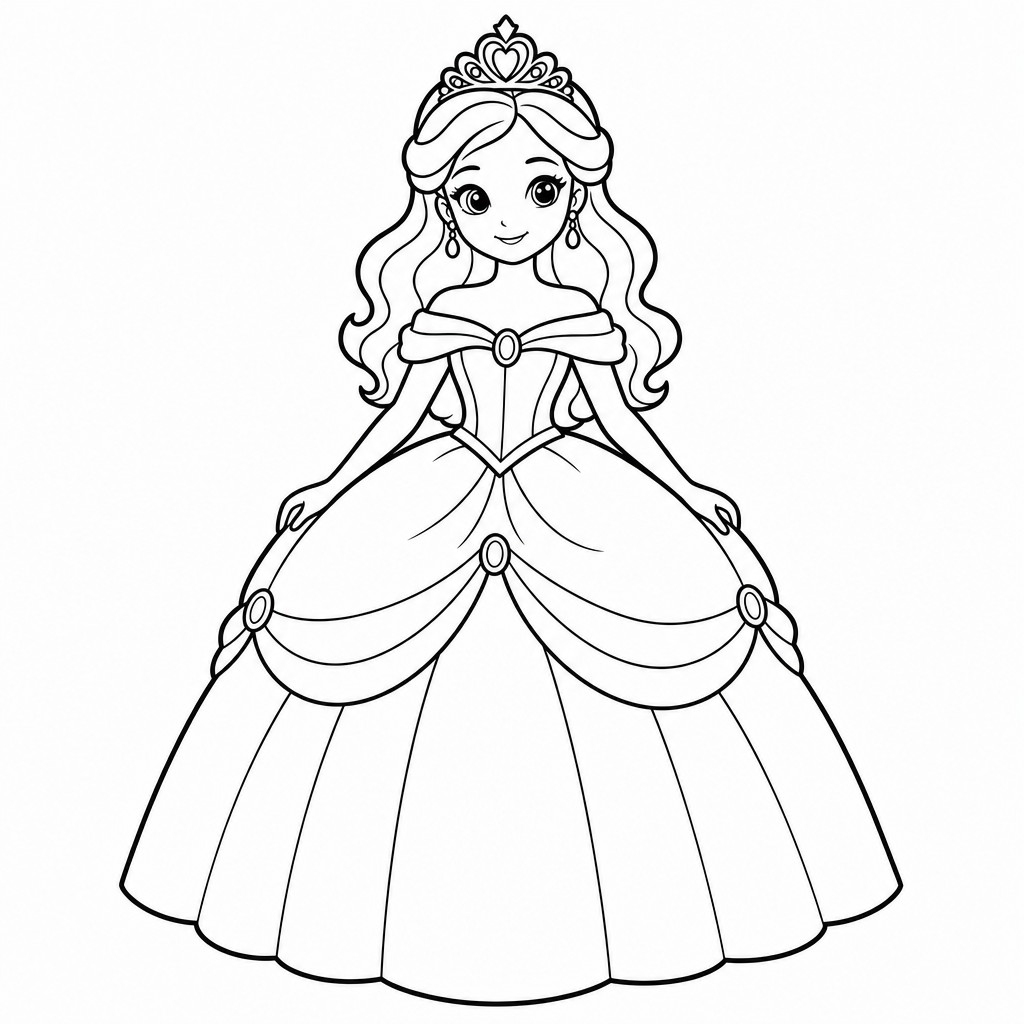
공주 색칠 도안
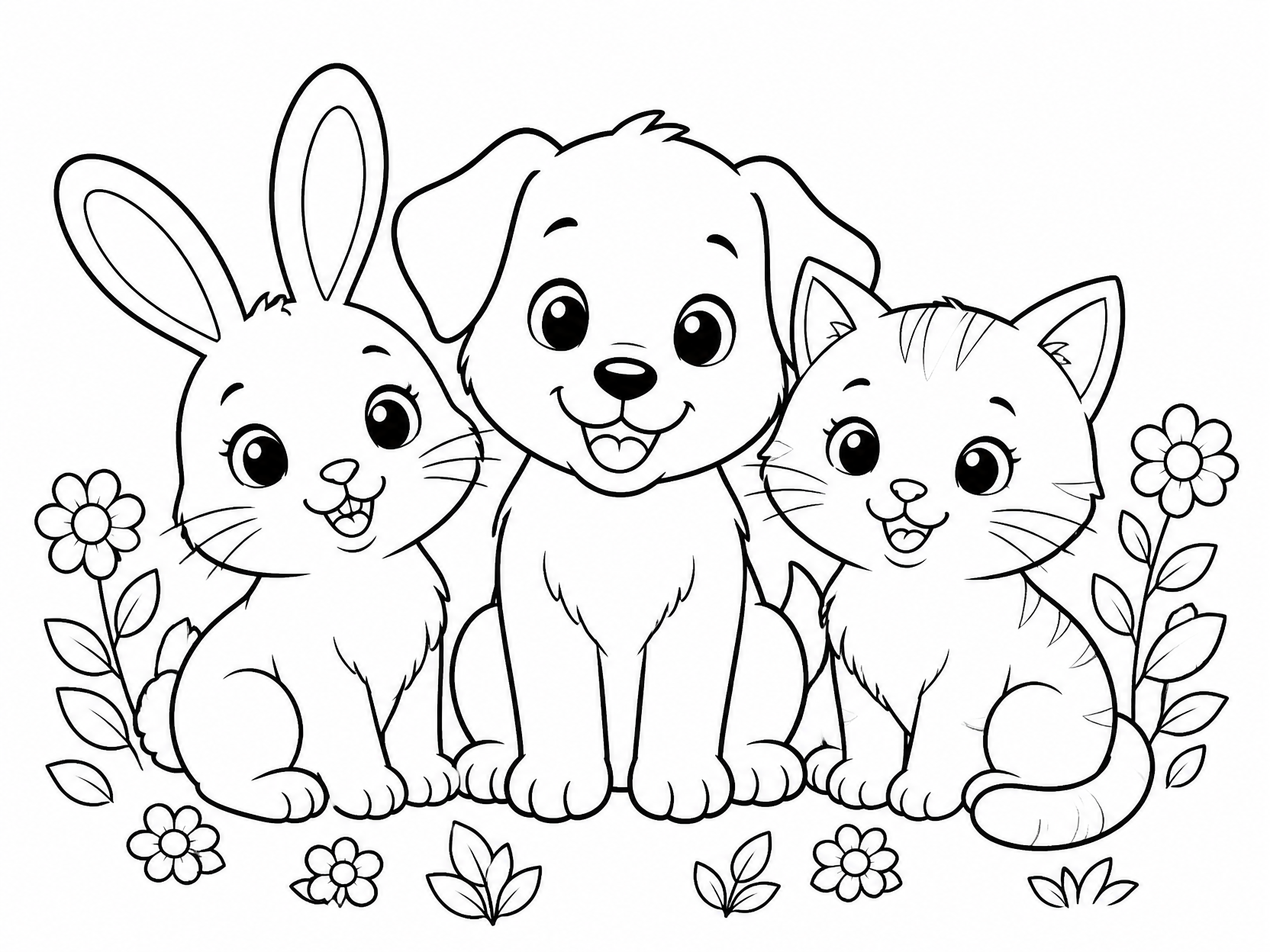
귀여운 동물 색칠도안
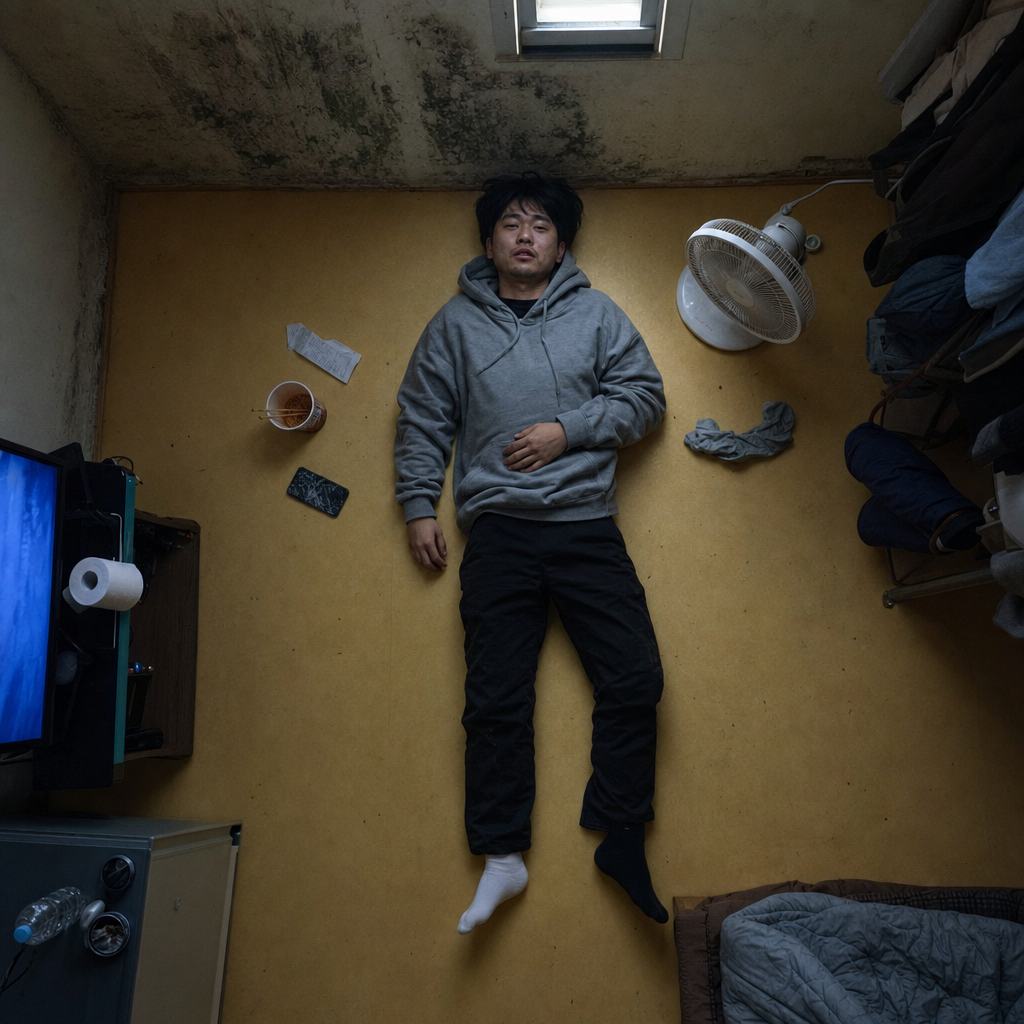
Semi-Basement Overhead
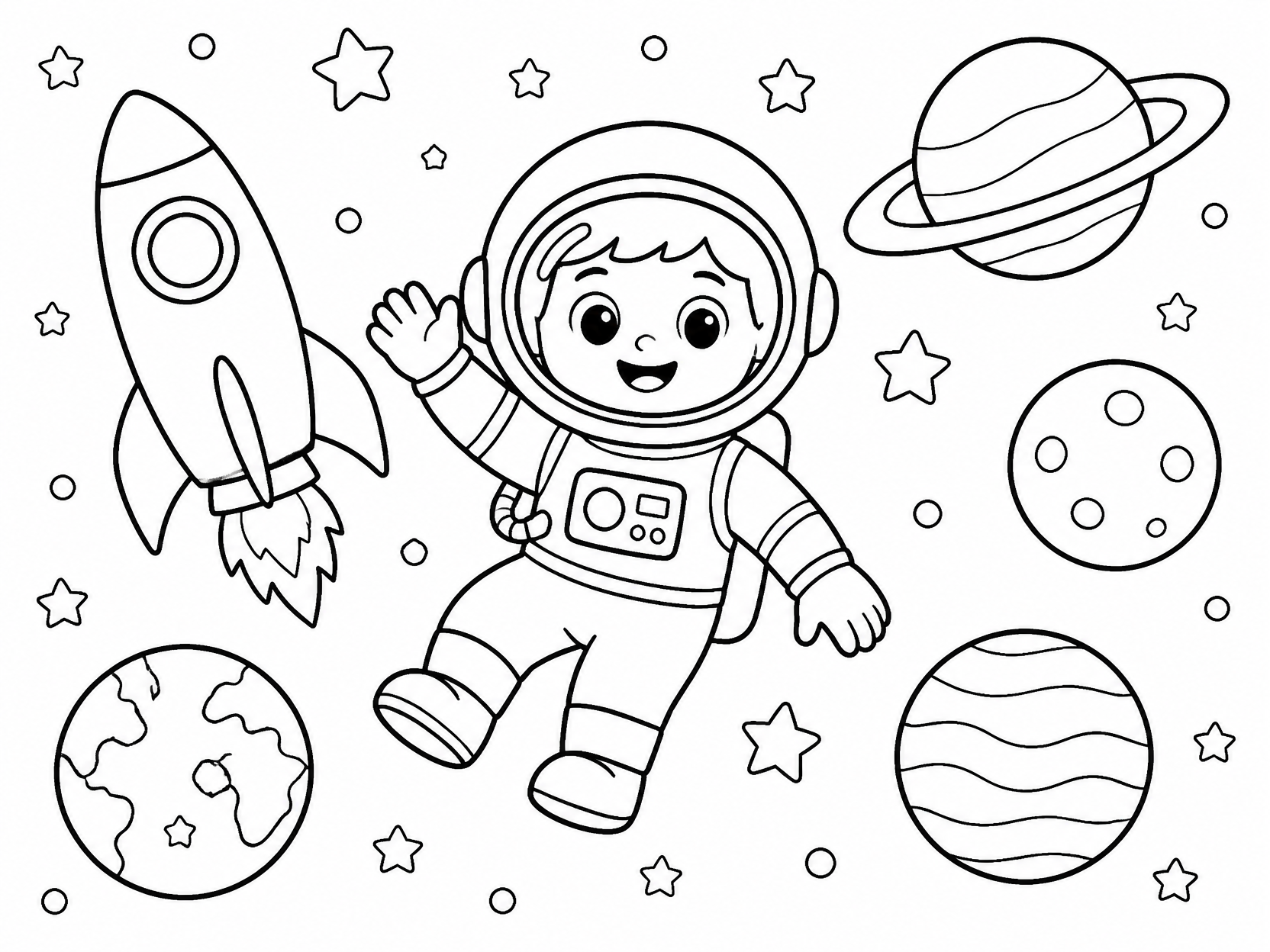
우주 색칠공부 도안
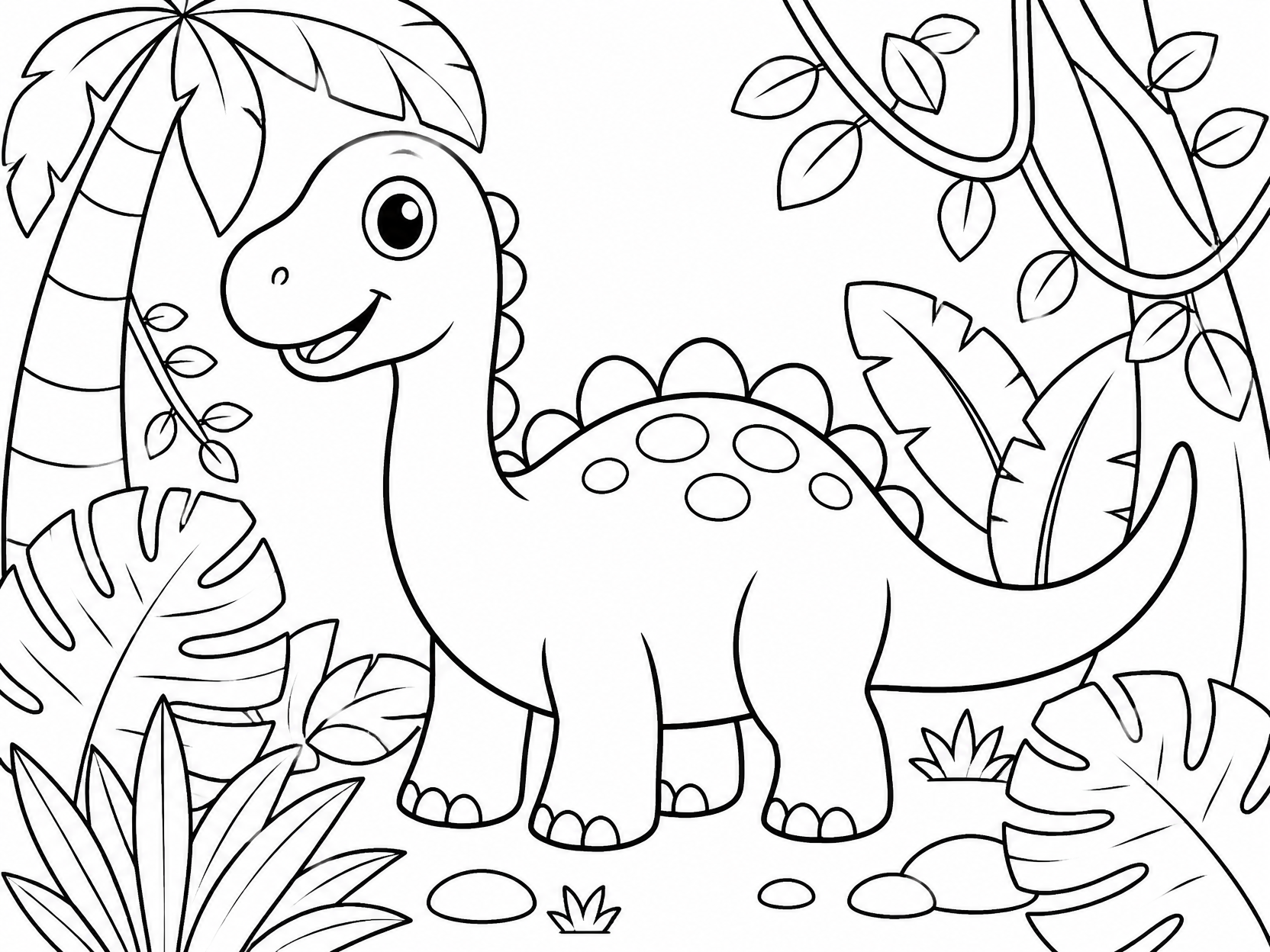
공룡 색칠공부 도안

공룡 색칠공부 도안
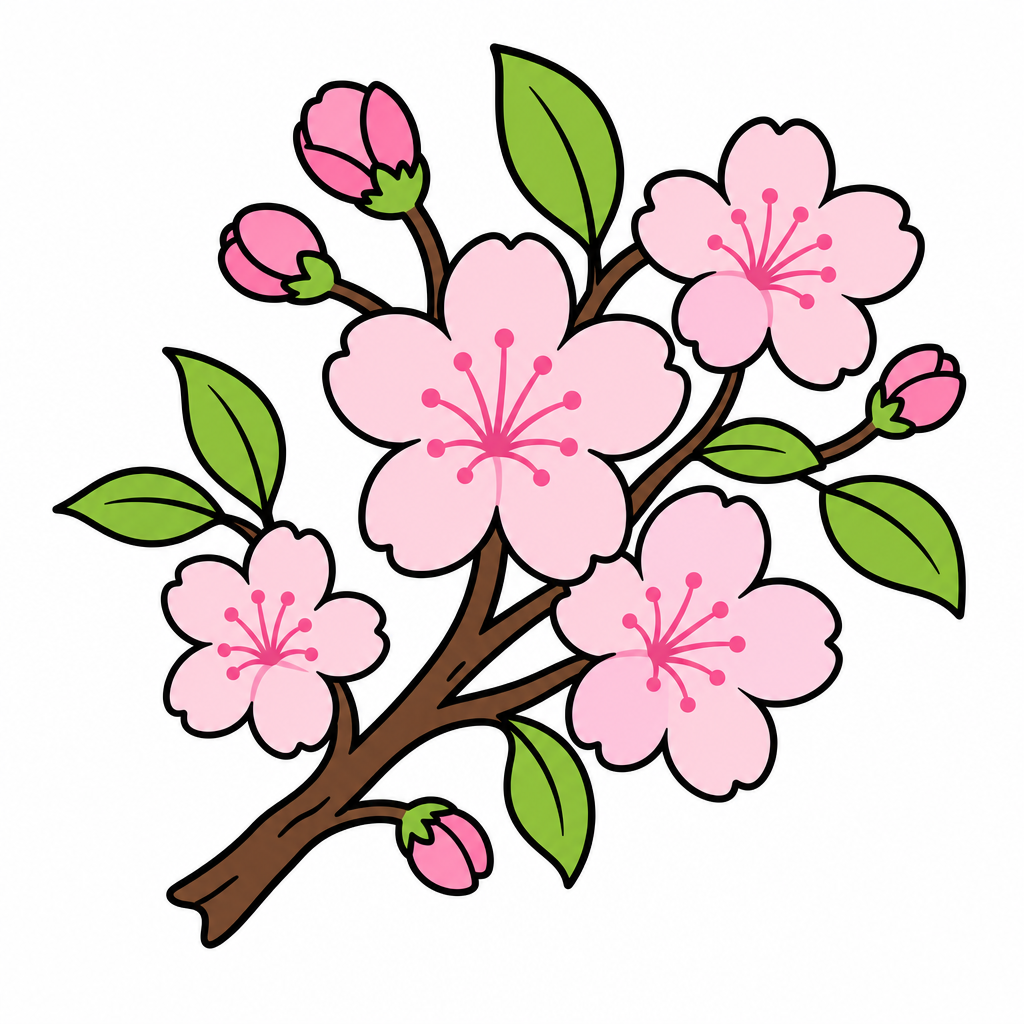
봄꽃 일러스트
주사기 일러스트
유니콘 색칠공부
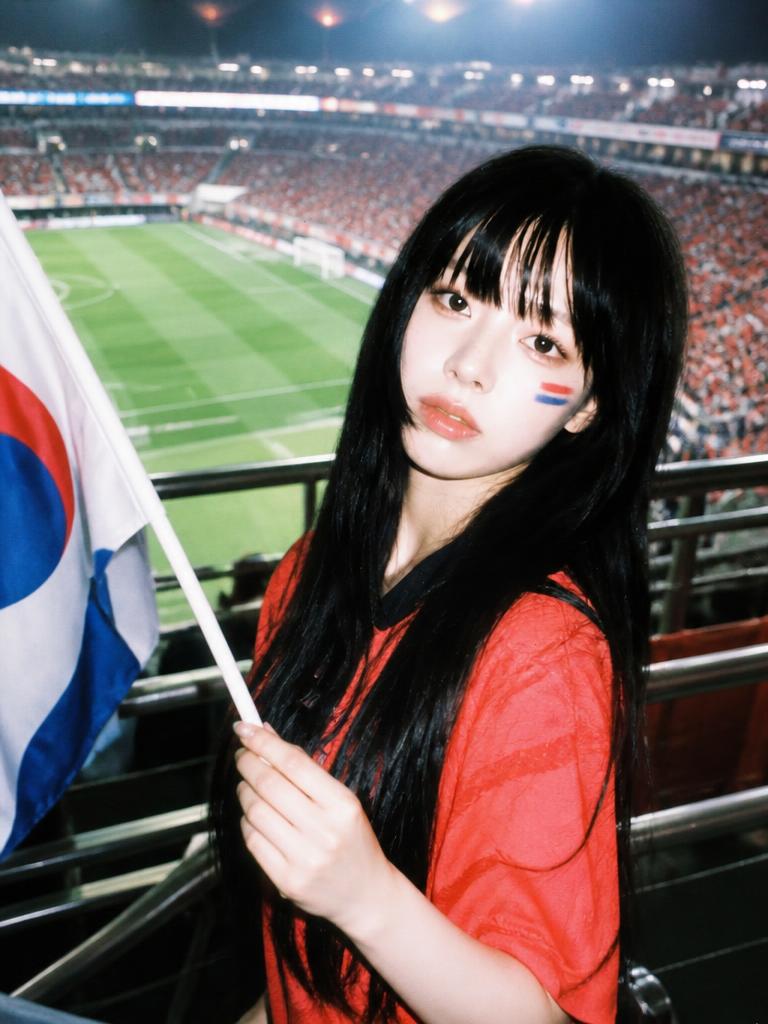
Upper-Body Cheering Portrait
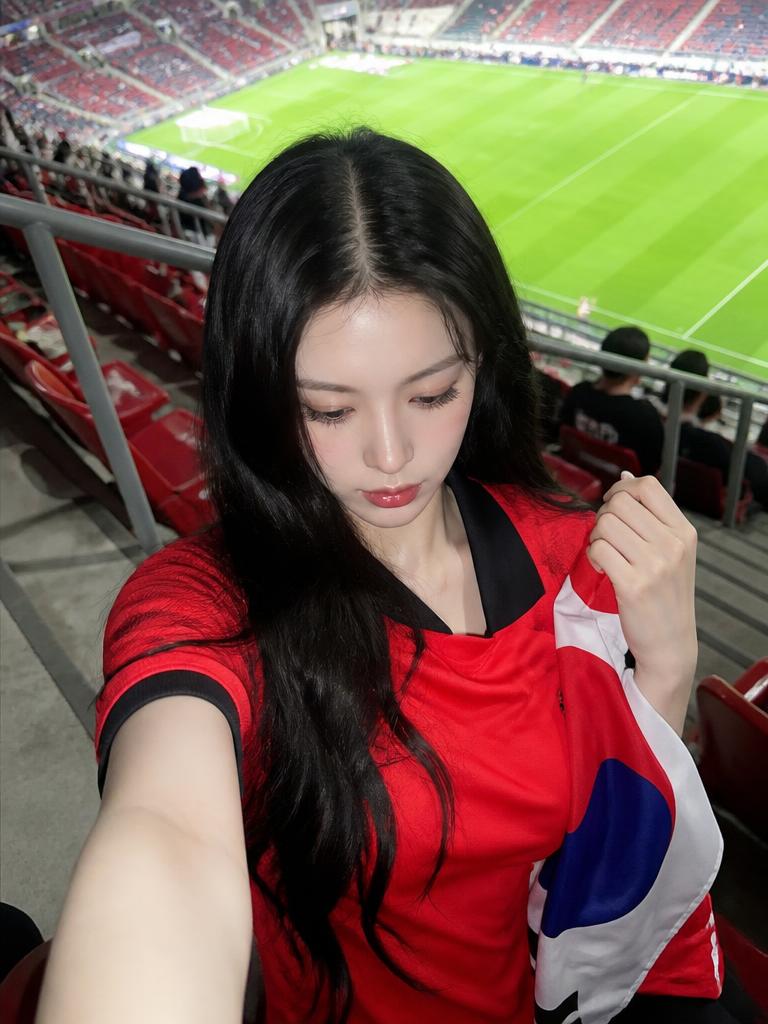
Stadium Seat Cheering Selfie
What Are Ring Design AI Prompts?
Ring Design AI Prompts are meticulously crafted text instructions aimed at guiding AI models to generate high-resolution, photorealistic, or artistically stylized images of rings. These prompts focus on the intricate details that define fine jewelry: the luster of precious metals like platinum, rose gold, and yellow gold; the complex geometry of gemstone cuts such as pear, marquise, or round brilliant; and the sophisticated play of light known as fire and scintillation. By utilizing these prompts, users can create everything from delicate wedding ring illustrations to powerful 3D renders of engagement rings that look as if they were shot in a professional photography studio. The logic behind these prompts involves heavy emphasis on macro photography settings, ray-tracing quality light effects, and material science keywords, ensuring the output captures the luxury and precision required for jewelry design and presentation. Whether for professional portfolio building or personal creative exploration, these prompts serve as a gateway to high-end jewelry visualization.
Best Use Cases
The application of Ring Design AI prompts spans several industries and creative pursuits. In the jewelry industry, designers use these prompts for rapid prototyping and trend exploration. Instead of spending hours on manual sketches or complex CAD modeling in the initial stages, they can generate dozens of variations of a design concept in minutes. For marketing professionals, these prompts are a godsend for creating high-impact visual content for social media, digital catalogs, and advertising banners without the overhead costs of physical product shoots. On the personal side, individuals planning their weddings or anniversaries use these prompts to visualize their dream rings, creating reference images that they can then take to a jeweler for custom creation. Additionally, these prompts are widely used in the entertainment industry-concept artists for films and video games use them to design ornate, magical, or futuristic rings that characters might wear, ensuring every detail fits the world's lore.
Why This Tag Works
The "Ring Design" tag is a powerful tool because it addresses the specific technical challenges of rendering small, highly reflective, and refractive objects. Unlike broader jewelry tags, it is calibrated to handle the specific proportions and focal points of a ring. It understands the "shimmer" and "sparkle" that users expect, integrating keywords that trigger advanced light behavior in AI models. This tag ensures that the band's curvature looks natural and that the prongs holding the center stone are rendered with structural integrity. Furthermore, it leverages the contrast between the hard surfaces of the ring and various luxury backgrounds, such as velvet, silk, or polished stone, to enhance the overall aesthetic appeal. By focusing on the "Ring" specifically, the AI can better allocate its computational power to the micro-details of the setting and the clarity of the gemstones, resulting in images that are not only beautiful but also technically impressive from a design perspective.
Explore Related Prompts
Prompt Building Tips
To achieve a truly premium look in your ring designs, you must be specific about the environment and the lens. Start by defining the ring's material: "14k rose gold band with a brushed finish" provides much more direction than just "gold ring." For the gemstone, describe its interaction with light: "Central blue sapphire with deep saturation, surrounded by a halo of micro-pave diamonds, reflecting soft studio lights." The choice of camera settings in the prompt is also vital; use terms like "Macro photography," "Depth of field," "f/2.8," and "Soft bokeh background" to create that professional, high-end catalog feel. If you want a more artistic approach, you can mix in styles like "Art Nouveau style" or "Minimalist modern aesthetic." Lastly, specifying the lighting direction, such as "Side lighting to highlight the metal's texture" or "Top-down lighting for maximum diamond brilliance," can dramatically change the mood and quality of the final image.