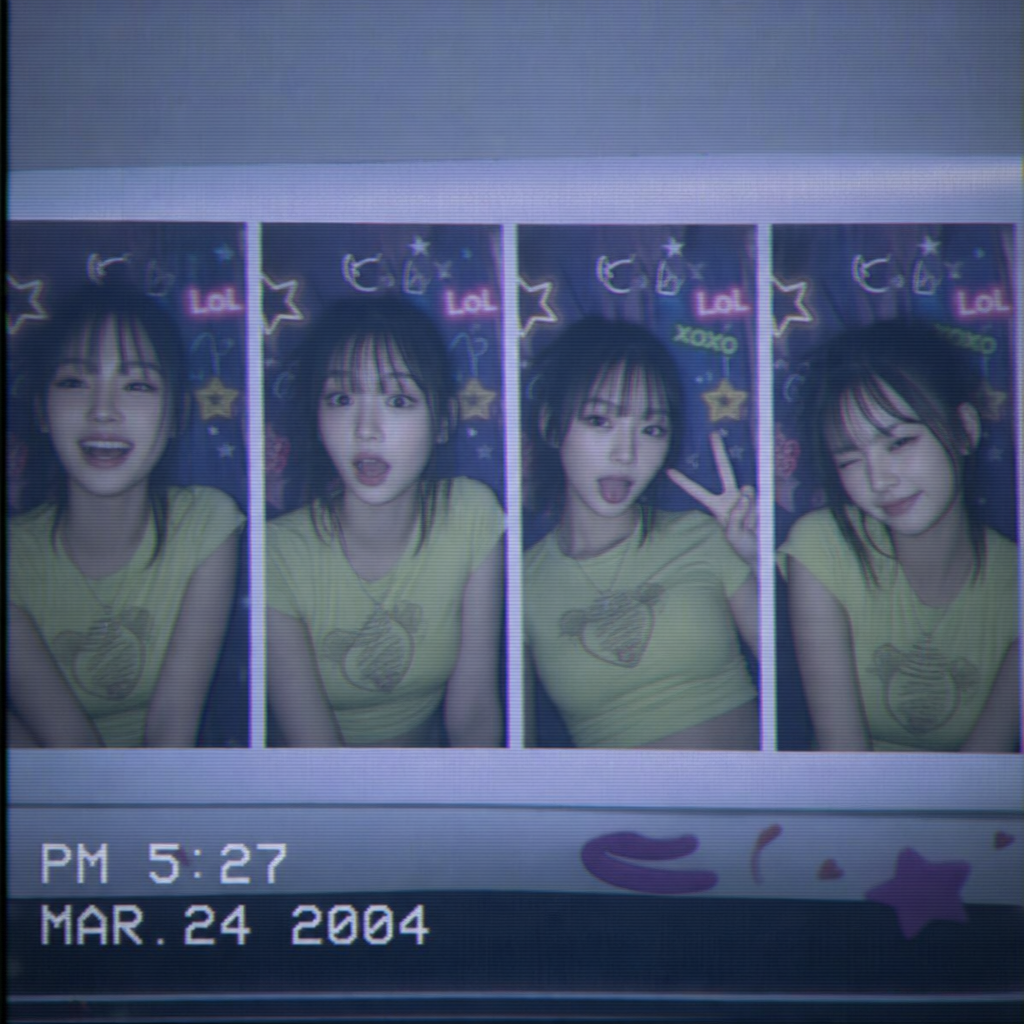
Disposable Camera Photo
Create film aesthetic photos and retro analog pictures with AI prompt templates.
2026.07.08
Make “Disposable Camera Photo” exactly the way you wantCreate your own “Disposable Camera Photo”
Just ask in plain language — Carat generates optimized images and videos for you.

Start now with 100 free credits daily

90s Disposable Camera Snapshot
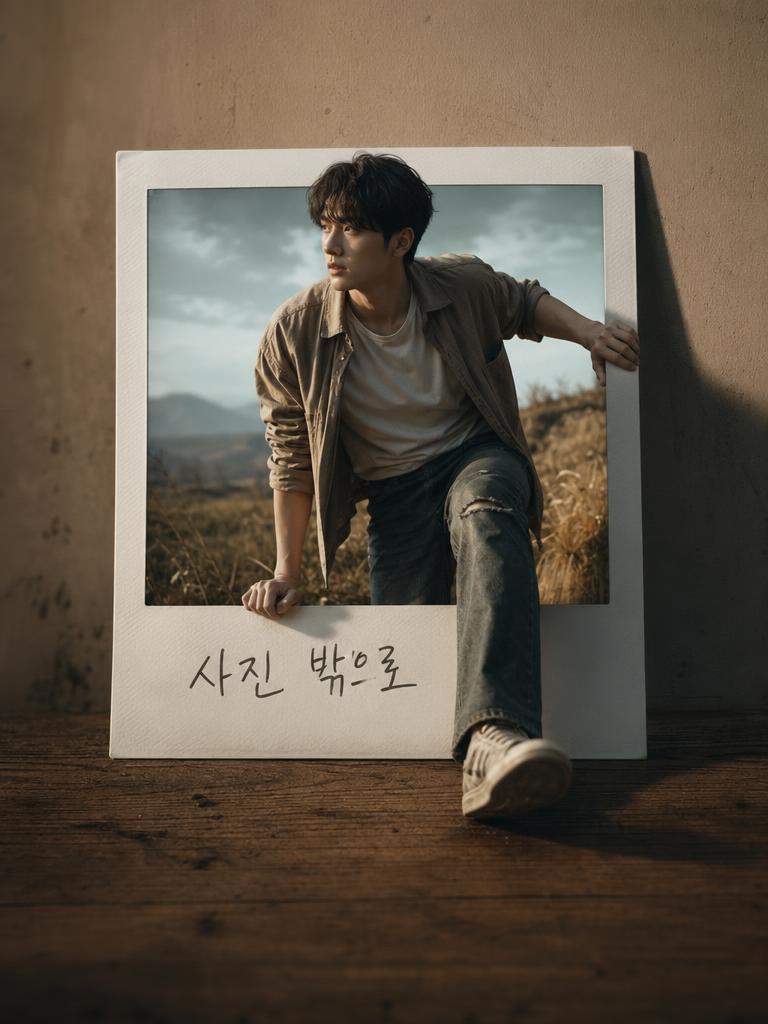
Surreal Photo Manipulation Concept: a Person Breaking Out of a Polaroid Photograph Frame
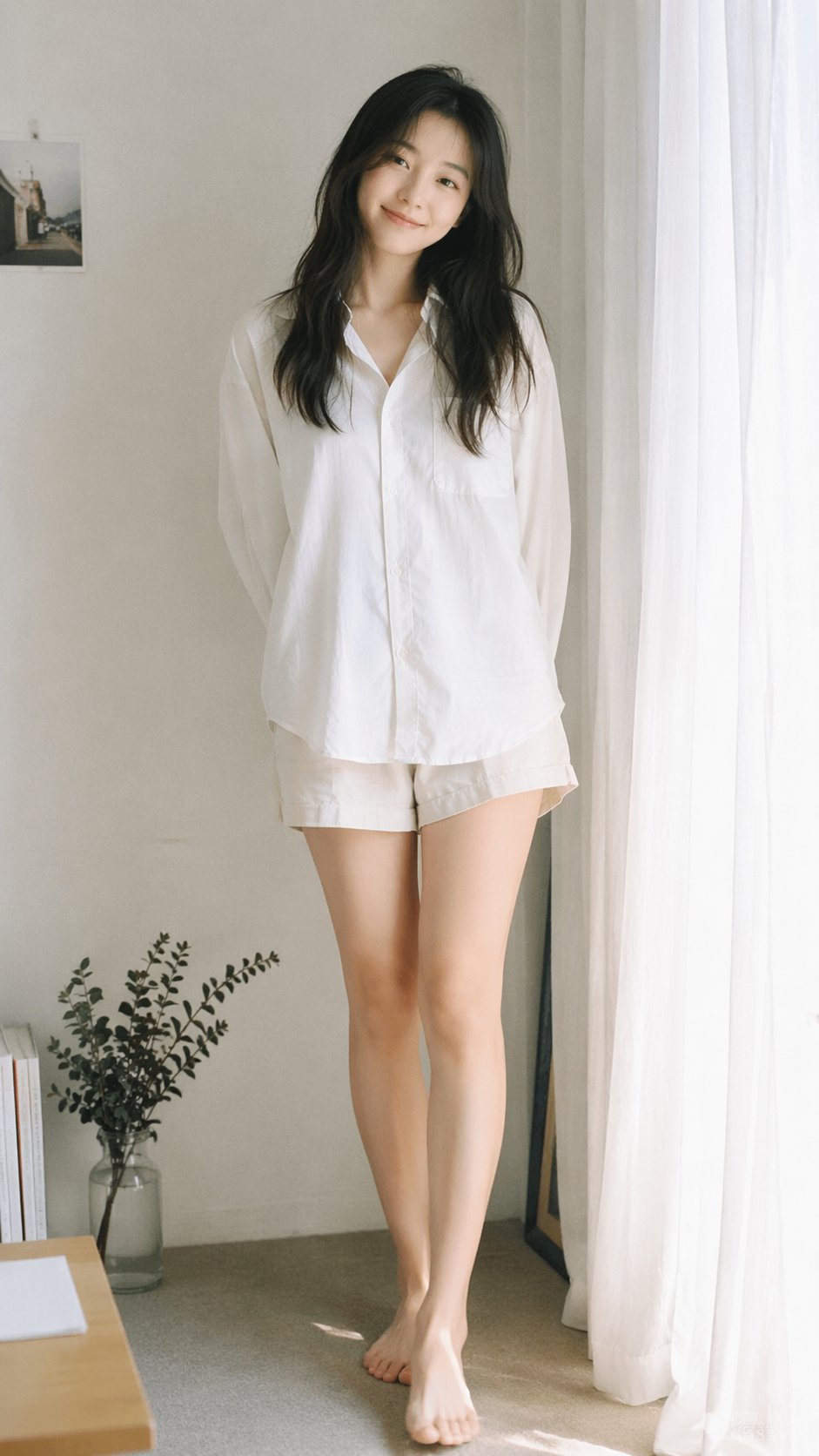
Soft Bright 35mm Portrait

35mm Flash Editorial Portrait
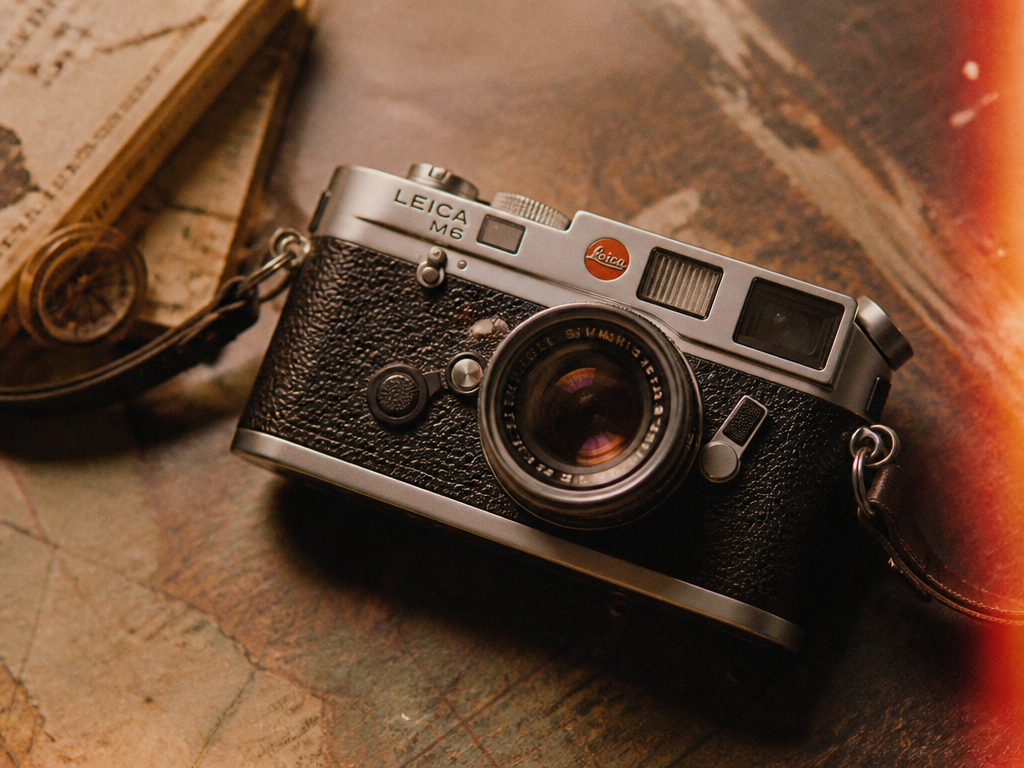
필름 효과 사진

Disposable Camera Party Photo
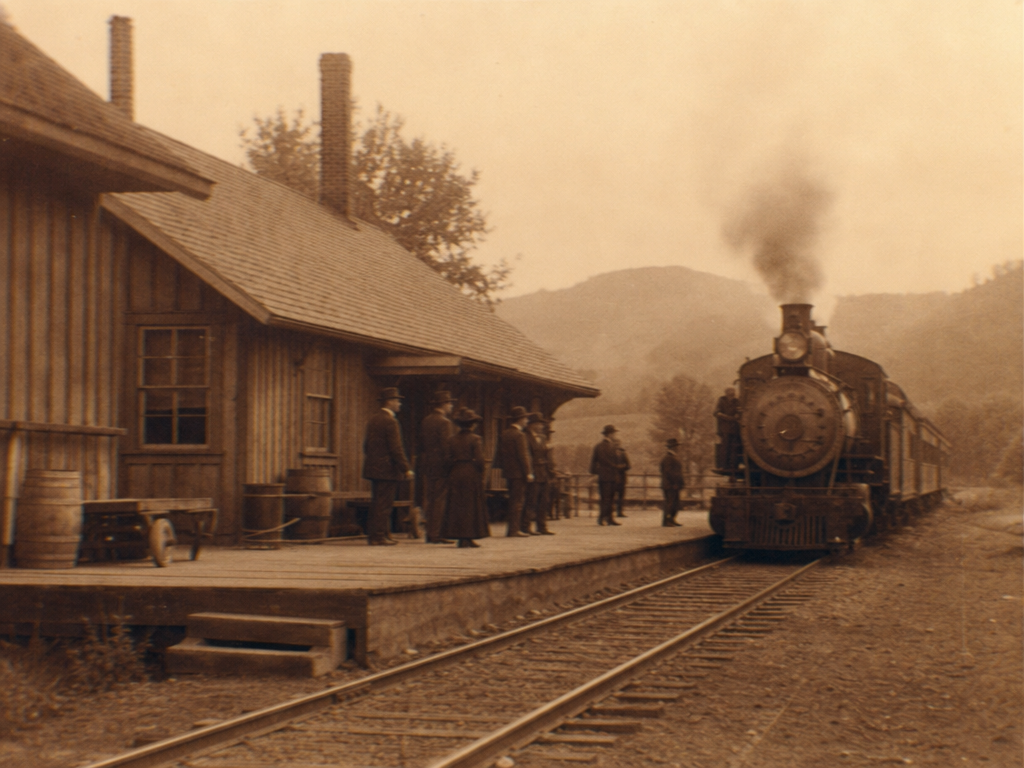
세피아톤 사진
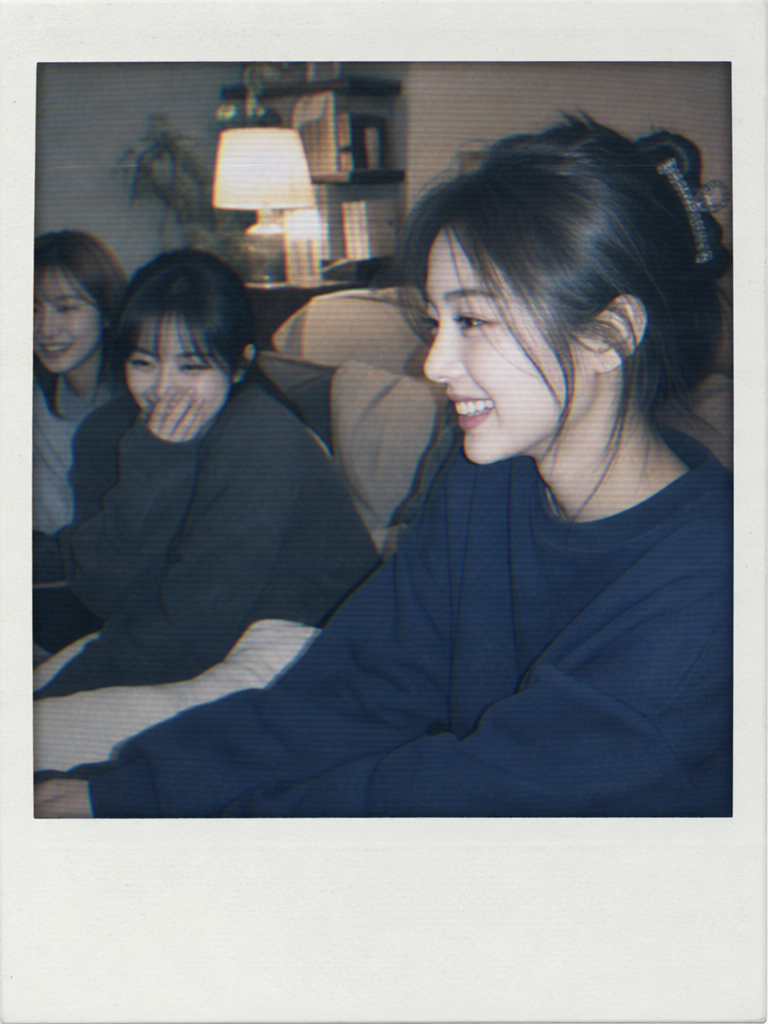
폴라로이드 사진
What Is a Disposable Camera Photo?
A disposable camera photo is an image that captures the distinctive aesthetic of analog film photography, characterized by film grain, vintage color grading, soft focus, light leaks, and the warm, nostalgic atmosphere that distinguishes film photography from digital imagery. Disposable cameras, 35mm film, and instant cameras like Polaroid produce photos with unique imperfections and characteristics that have become increasingly popular as a reaction against the clinical perfection of digital photography, with many photographers and social media users embracing the authentic, imperfect aesthetic of film. The film photo aesthetic encompasses various visual elements including film grain texture, color shifts toward warm or muted tones, vignetting around the edges, soft focus, and occasional light leaks or exposure irregularities that create the characteristic analog look. With AI image generation tools, users can now create disposable camera-style photos without using actual film cameras, making it possible to produce film aesthetic imagery quickly and conveniently for social media content, travel photography, lifestyle blogs, wedding snaps, and interior decoration photography. The demand for AI-generated film photos has grown significantly as creators and users seek the nostalgic, warm aesthetic of analog photography without the cost, processing time, and technical limitations of actual film cameras.
How to Write AI Disposable Camera Photo Prompts
When generating a disposable camera photo with AI, specify the film texture, color tone, lighting, composition, and retro atmosphere as key elements. Include prompt phrases like "film," "disposable camera," "film grain," "vintage color," and "analog" to define the film aesthetic. Disposable camera photos rely heavily on film grain and vintage color grading, so emphasize warm, nostalgic tones with characteristic film texture that distinguishes analog photography from digital imagery. Specify film-specific elements such as sepia tones, vignetting, soft focus, and light leaks to create authentic film photo characteristics that capture the imperfect, organic quality of analog photography. Include specific film camera references such as "35mm film," "Polaroid frame," or "Kodak" to achieve the desired film style with precision, and specify the shooting context, such as travel, daily life, or editorial, to create photos with appropriate subject matter and atmosphere.
Disposable Camera Photo Prompt Examples
A Polaroid photo prompt generates photos in the characteristic Polaroid frame format, with the distinctive white border and slightly washed-out color reproduction of instant film. A Polaroid frame escape scene prompt creates creative compositions that use the Polaroid frame as a design element, with subjects appearing to interact with or escape from the frame boundary. A 35mm flash editorial portrait prompt generates editorial-style portrait photos with the aesthetic of 35mm film shot with flash, creating the characteristic high-contrast, slightly harsh lighting of disposable camera photography. A soft and bright 35mm portrait prompt creates softer, more flattering 35mm film portraits with gentle lighting and warm color tones that convey a nostalgic, dreamy atmosphere. A film effect photo prompt generates photos with prominent film grain and vintage color grading, applying the characteristic analog texture and color shifts to the image. A sepia tone photo prompt creates warm, sepia-toned retro photos with the classic brownish color palette that evokes nostalgia and timeless elegance.
Tips for Using AI Disposable Camera Photos
Generated disposable camera photos can be used for social media posts, travel photography, daily life snapshots, lifestyle blogs, wedding snaps, interior decoration photography, and creative projects that benefit from the nostalgic film aesthetic. Maintain film grain and vintage color grading while emphasizing the warm, nostalgic atmosphere to create authentic film photos that capture the characteristic analog look. Experiment with different film styles, such as 35mm, Polaroid, sepia, or light leak, to find the aesthetic that best fits the intended mood and subject matter. AI tools enable rapid production of film aesthetic photos without actual film cameras, making it possible to create multiple film style variations, color tones, and texture levels quickly and conveniently. For social media creators and lifestyle content producers, generating a collection of disposable camera photos with different subjects, locations, and film styles provides versatile assets for daily content, travel posts, and creative projects. Always specify both the film texture elements, such as grain and color, and the subject matter, such as travel or portrait, to achieve disposable camera photos that capture the authentic, nostalgic quality of analog film photography.
Frequently Asked Questions About Disposable Camera Photo Prompts
Common questions include whether AI can create film aesthetic photos, whether film grain can be achieved, whether Polaroid frames can be created, whether sepia tones can be applied, and whether photos are suitable for social media. With precise prompting, AI tools produce authentic film photos with characteristic grain, vintage colors, and analog texture. The key is specifying the film type, texture elements, and color tone to create photos that capture the nostalgic, warm aesthetic of disposable camera photography.