Education Design
Discover inspiring AI prompts for educational materials, learning infographics, and creative teaching aids.
2026.07.04
Make “Education Design” exactly the way you wantCreate your own “Education Design”
Just ask in plain language — Carat generates optimized images and videos for you.

Start now with 100 free credits daily
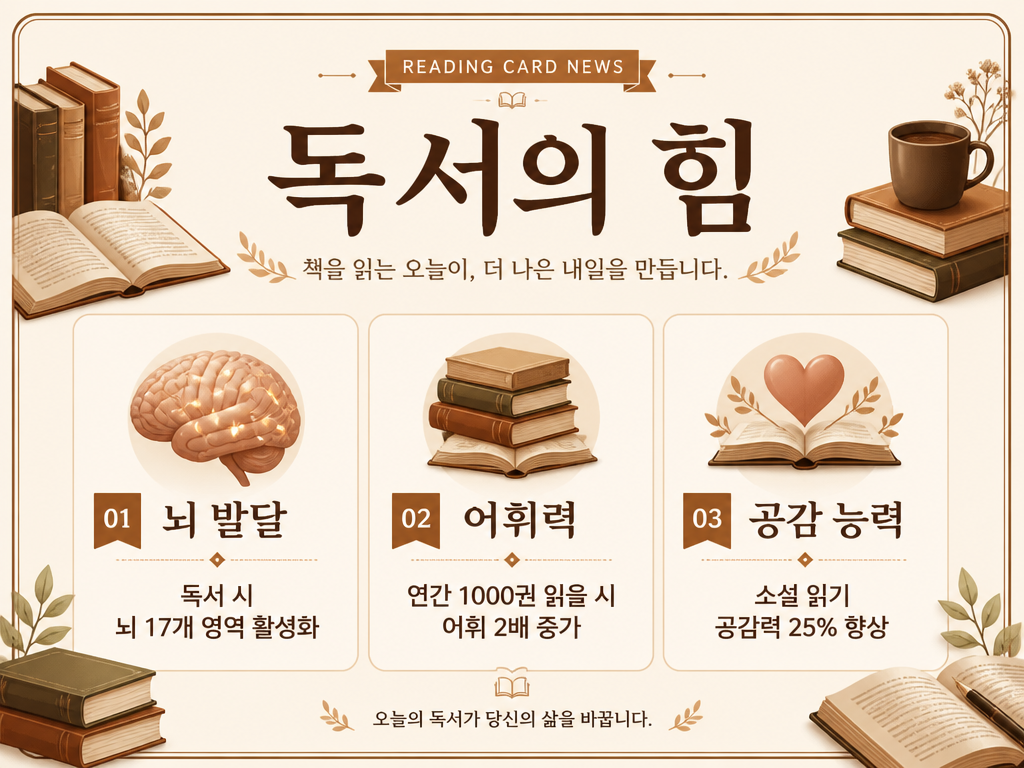
독서 교육 카드뉴스
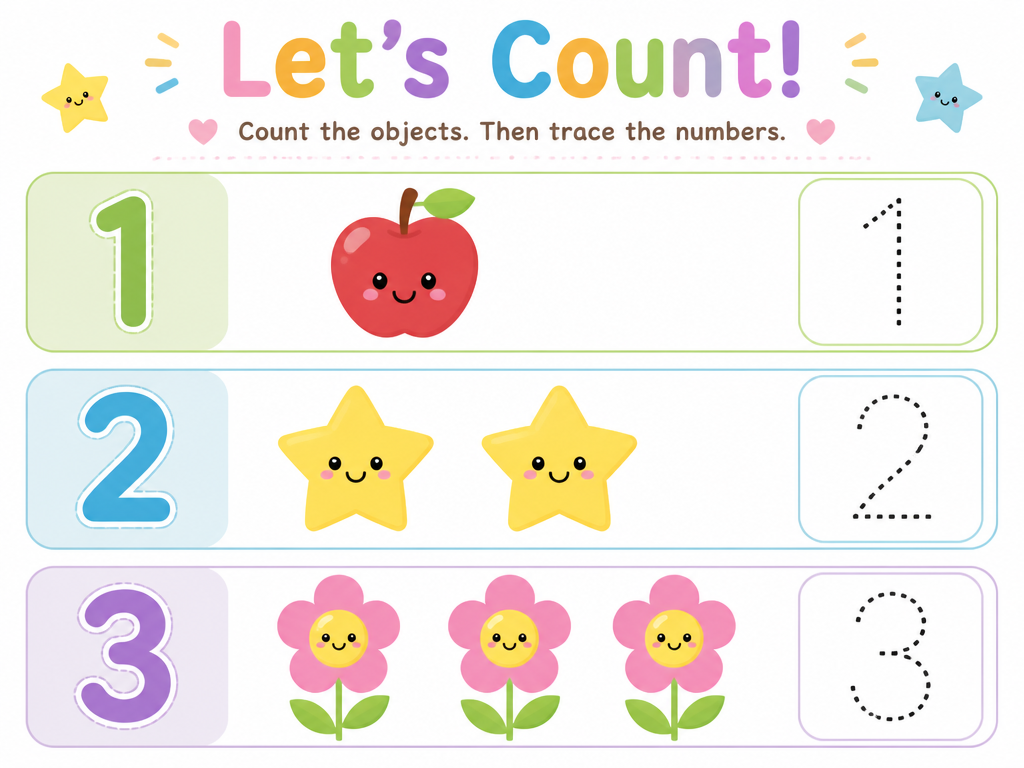
숫자 학습지 일러스트

우주 속 지구 일러스트

교육용 카드뉴스 예시
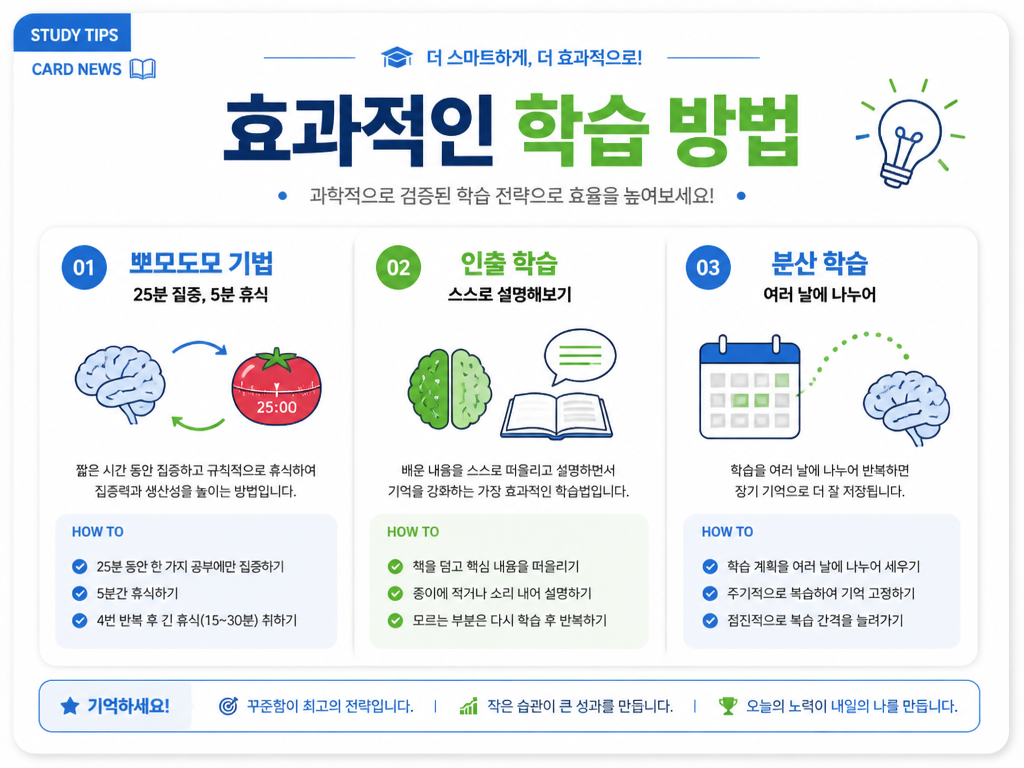
학습 팁 카드뉴스

Online Class Illustration
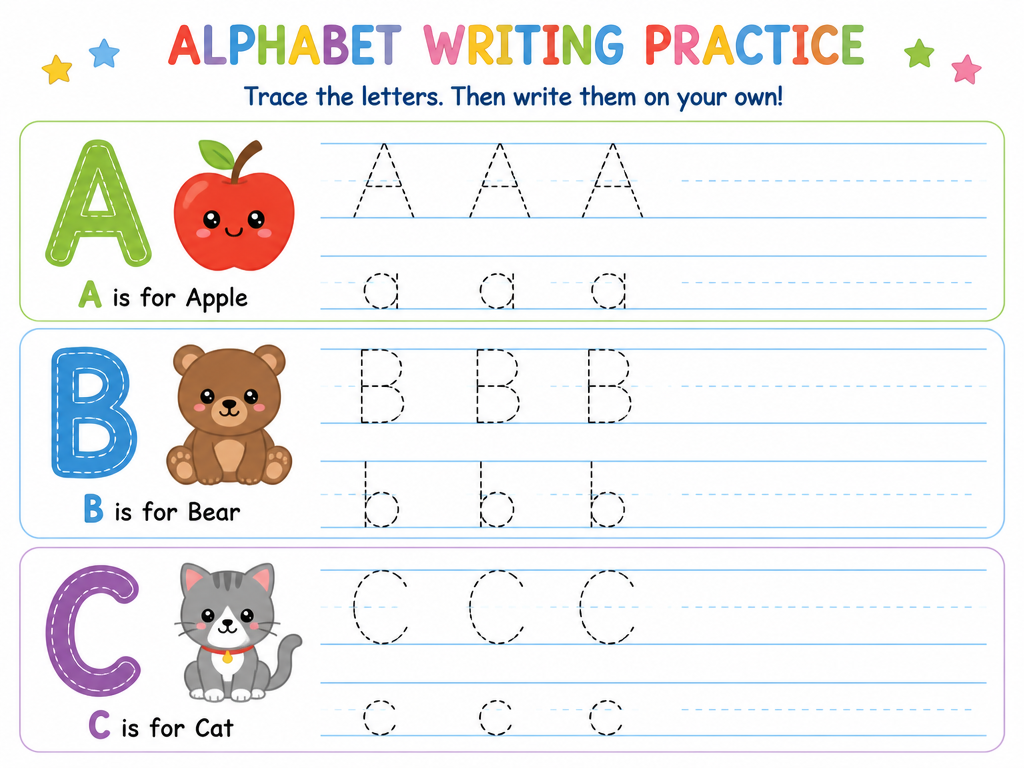
알파벳 쓰기 워크시트
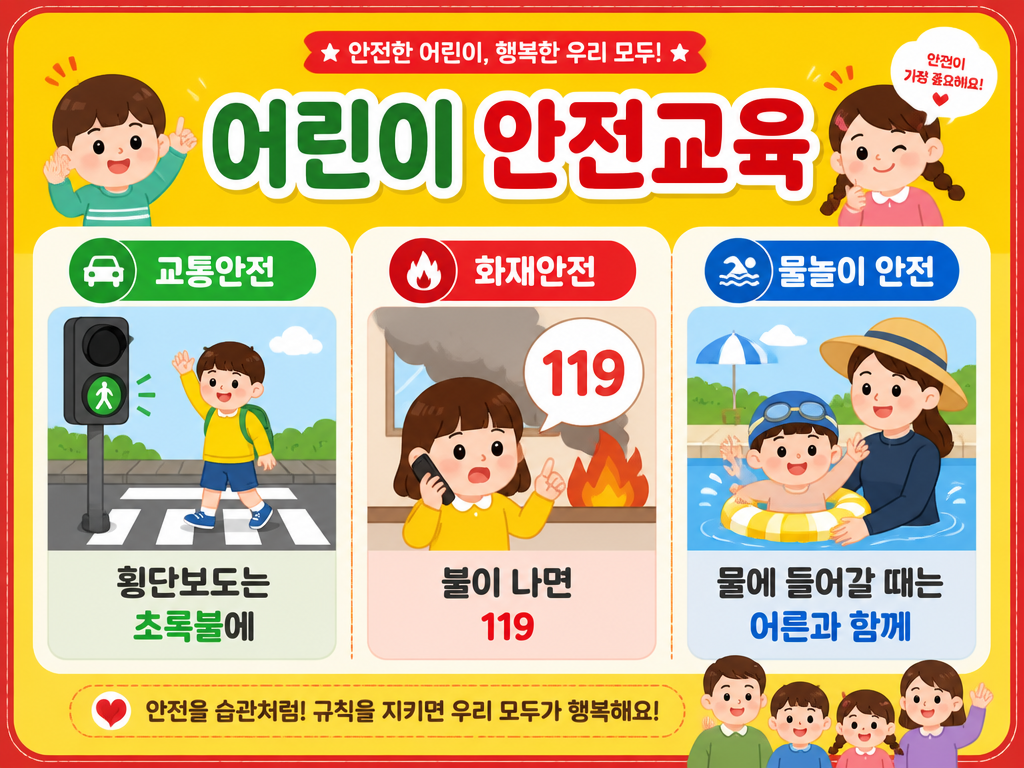
안전교육 카드뉴스
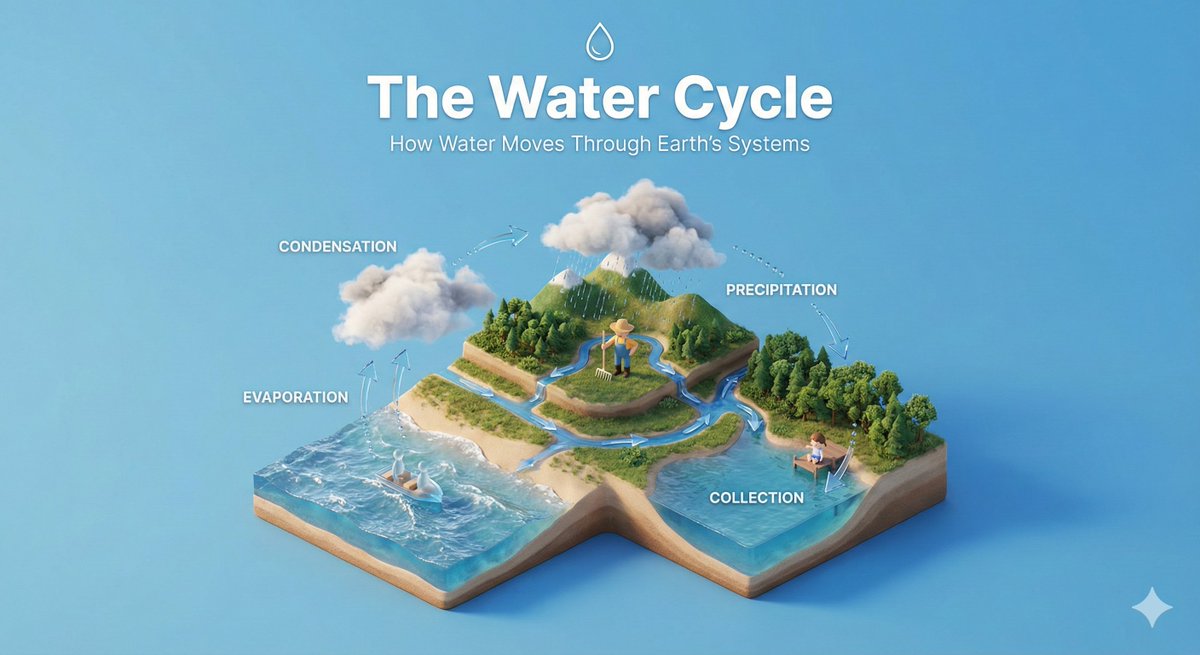
Isometric Educational Diorama
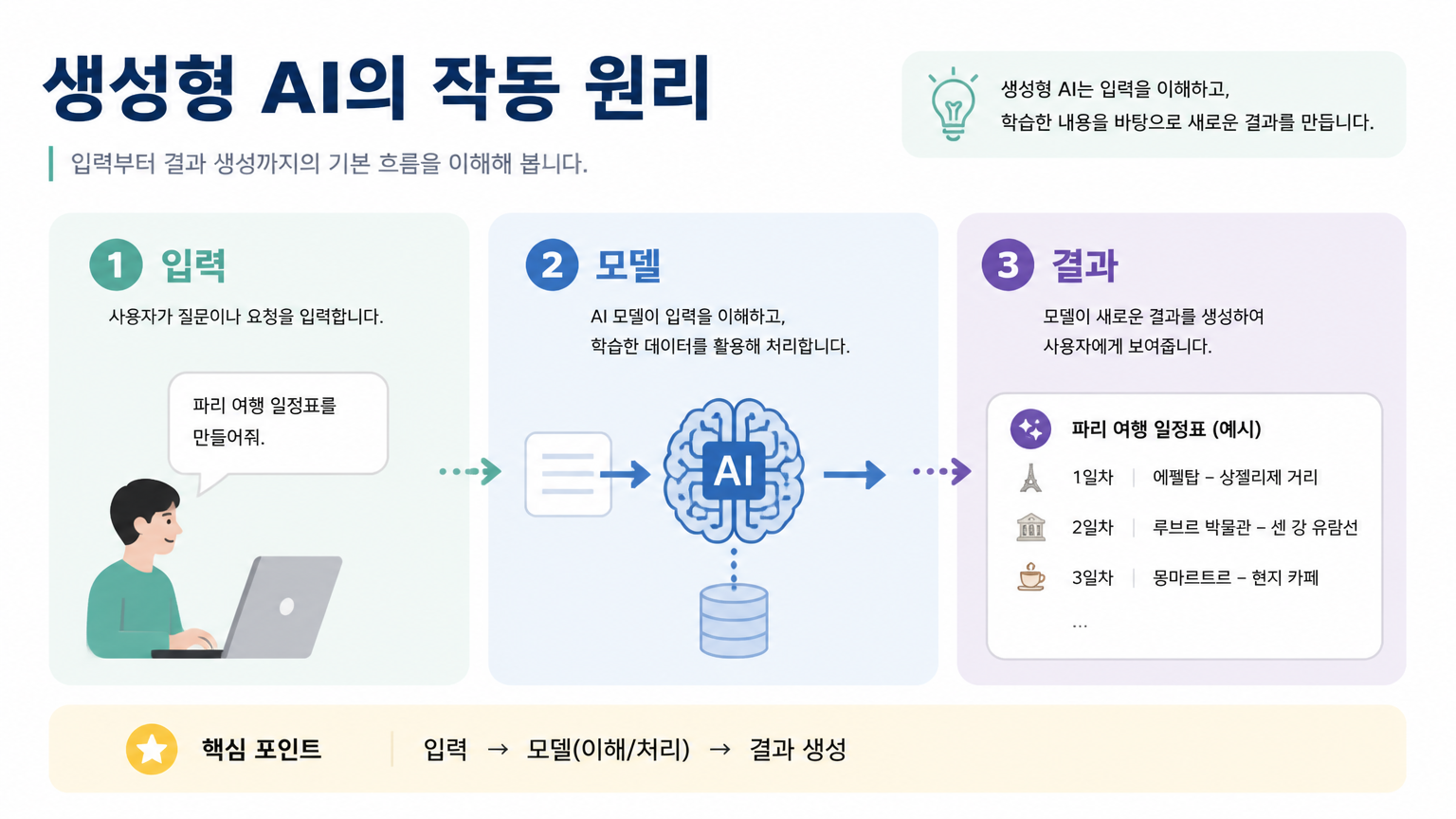
Educational Presentation Slide
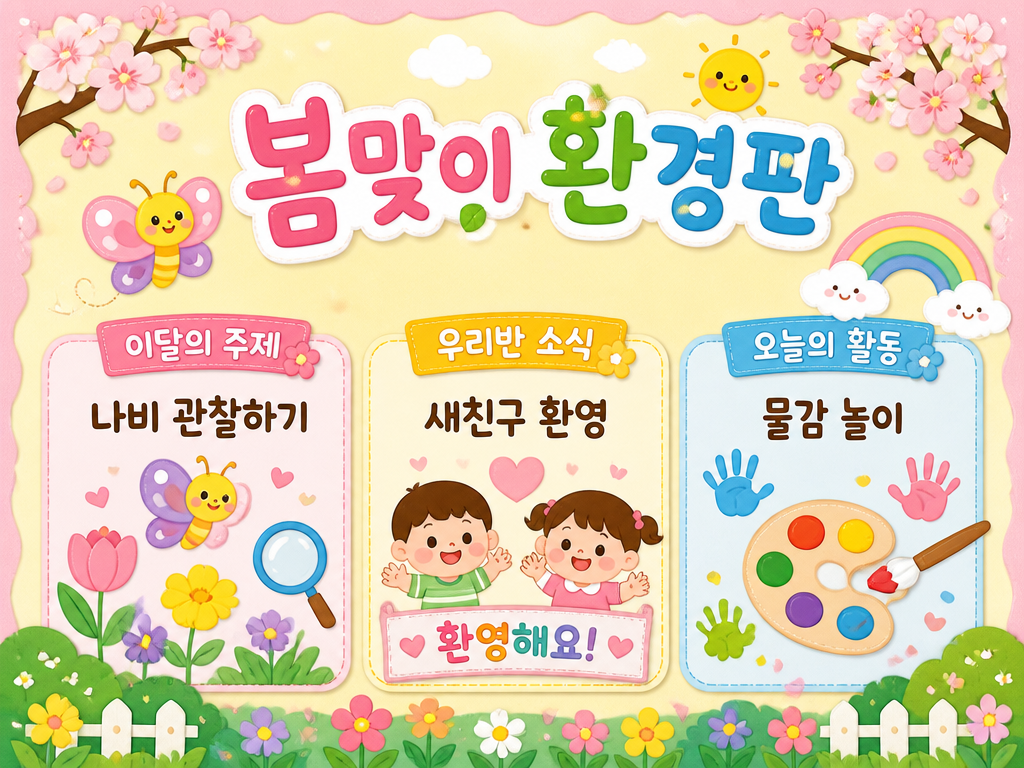
어린이집 환경판 디자인
What Are Education Design AI Prompts?
Education design AI prompts are specialized sets of visual instructions tailored to create imagery and layouts that facilitate learning and knowledge retention. These prompts are more than just artistic descriptions; they are built upon instructional design principles to ensure that the resulting visuals are clear, engaging, and pedagogically sound. By utilizing these prompts on Carat, educators, instructional designers, and content creators can generate everything from whimsical storybook illustrations for early childhood education to sophisticated technical schematics for higher learning. These prompts translate abstract educational concepts into a visual language that can explain complex ideas-such as the laws of physics, historical events, or biological processes-in a way that is easily digestible for students of all ages. They empower teachers to become visual storytellers, providing them with a high-fidelity library of custom images that would otherwise require hours of manual searching or expensive custom commissions.
Best Use Cases
The applications for education design prompts are diverse and impact every level of the learning journey. A very popular use case is the creation of "educational card news" for social media or school newsletters, where key learning points are shared in a swipeable, engaging format. These prompts are also perfect for designing custom "lesson slide backgrounds" that keep students focused and visually stimulated during presentations. For science educators, AI prompts can generate realistic "scientific illustrations" of cell structures, outer space, or geological formations that are hard to photograph. In literacy programs, they are used to create "character sheets" or "scene backgrounds" that bring stories to life. Additionally, they are excellent for making "classroom posters" that communicate rules, inspirational quotes, or fundamental formulas. Educational publishers use these prompts to prototype "textbook layouts" and "workbook icons," ensuring a consistent and modern aesthetic throughout their materials. Whether you are building an online course or a physical learning aid, these prompts provide the visual building blocks for success.
Why This Tag Works
The "Education Design" tag on Carat is highly effective because it understands the need for "visual clarity" and "emotional resonance" in learning environments. It works by prioritizing styles that are known to improve cognitive processing-such as clean flat vectors, soft watercolors, and balanced compositions. Unlike generic art tags, this category filters for results that are "informative" and "distraction-free," ensuring that the core educational message isn't lost in excessive detail. It also addresses the critical need for "customization"; an educator can specify the age of the audience, the complexity of the topic, and the cultural context of the imagery, resulting in highly relevant materials. This tag acts as a productivity multiplier for teachers who are often strapped for time, allowing them to produce professional-grade visuals in seconds. It bridges the gap between high-quality educational theory and high-impact visual design, making every lesson more memorable and effective.
Explore Related Prompts
Enhance your teaching and learning resources by exploring these specialized educational categories:
- Education Card News
- Education Materials
- Card News Template
- Infographic
- Children Book
- Timeline Diagram
- Illustration
Prompt Building Tips
Creating impactful educational visuals requires a balance of creativity and clarity. Here are expert tips for building better education design prompts. First, always define the "educational context" and "target age group"-this dictates the level of detail and the color palette (e.g., "for preschool children" vs. "for medical professionals"). Second, use "action-oriented" keywords like "demonstrating," "explaining," or "mapping out" to guide the AI's composition toward informative layouts. Third, control the "visual style" using terms like "educational flat vector," "diagrammatic illustration," or "clean academic aesthetic." Fourth, be specific about the "subject matter" and its components; for example, if you are illustrating "cell division," name the stages you want to see. Fifth, request a "clutter-free environment" with phrases like "minimalist background," "clearly defined borders," and "no unnecessary details" to keep the focus on the learning objective. Sixth, use "analogous color schemes" for a professional look or "vibrant primary colors" for younger audiences. Finally, don't forget the "format"-specifying "educational infographic layout" or "worksheet border design" helps the AI understand the functional requirement of the image. By following these guidelines, you can produce tailored educational assets that truly inspire learning.