An explosion meme prompt for turning an emotional overreaction into a bold, comedic reaction image.
2026.07.17
Make “Explosion Meme” exactly the way you wantCreate your own “Explosion Meme”
Just ask in plain language — Carat generates optimized images and videos for you.

Start now with 100 free credits daily

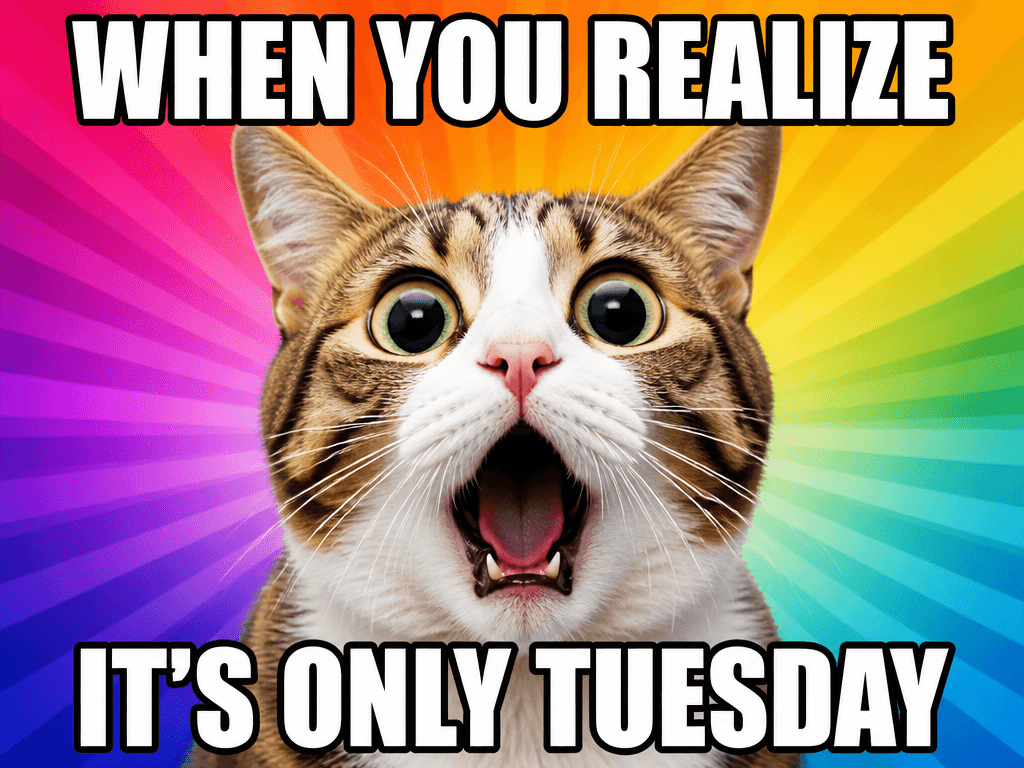
Explosion meme prompts turn a moment of anger, surprise, confusion, joy, or frustration into an exaggerated visual reaction. In this context, explosion describes emotional intensity and comic staging rather than a request to recreate a real accident or dangerous event. Separate the trigger, reacting character, facial expression, pose, surrounding effects, and optional caption area in the instruction. That makes the joke easier to understand and keeps the visual energy focused on the reaction.
The concept works for chat reactions, workplace observations, gaming outcomes, unexpected plot twists, deadline panic, and everyday misunderstandings. Define the situation in one sentence and use one primary reacting subject so the joke reads at a small size. An animal character can communicate surprise through oversized eyes, ears, or posture, while a human character can rely on a sharp expression and a clear hand gesture. Ordinary fictional situations tend to be more reusable than imagery that mocks real victims, disasters, or identifiable people.
The humor comes from the gap between a small trigger and an enormous reaction, or from a dramatic-looking setting paired with an unexpectedly calm subject. Fireworks, speed lines, vibrating backgrounds, and comic shockwaves can amplify the feeling, but they should not cover the face or replace the actual context. Avoid injury, realistic danger, or misleading disaster imagery. Ask for a clean caption zone instead of trusting generated lettering, then add the final short phrase in an editor where spelling and timing can be controlled.
Start with the situation and emotional direction. Add the character, expression, pose, camera distance, background simplicity, color contrast, comic effect, and speech-bubble or caption area. For a sticker or messenger reaction, request a bold outline, a clean silhouette, limited background detail, and an expression that remains readable when reduced. Too many characters and lines of dialogue can bury the punchline, so create one strong reaction first and build variations by changing only the trigger or emotion.
Test the finished image at the size it will appear in a messenger or feed. Keep the joke about an exaggerated everyday emotion rather than real violence, disasters, or attacks on a target. This makes the reaction image easier to share and safer to adapt across conversations.