Food Photo Enhancement
Enhance food photos and create menu, cafe, and dessert images with AI prompts.
2026.07.08
Make “Food Photo Enhancement” exactly the way you wantCreate your own “Food Photo Enhancement”
Just ask in plain language — Carat generates optimized images and videos for you.

Start now with 100 free credits daily
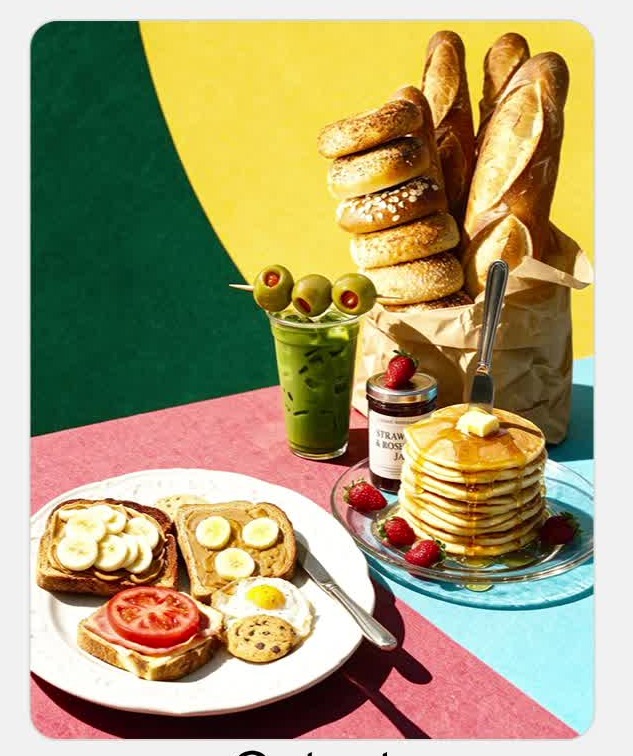
Premium Food Magazine Cover
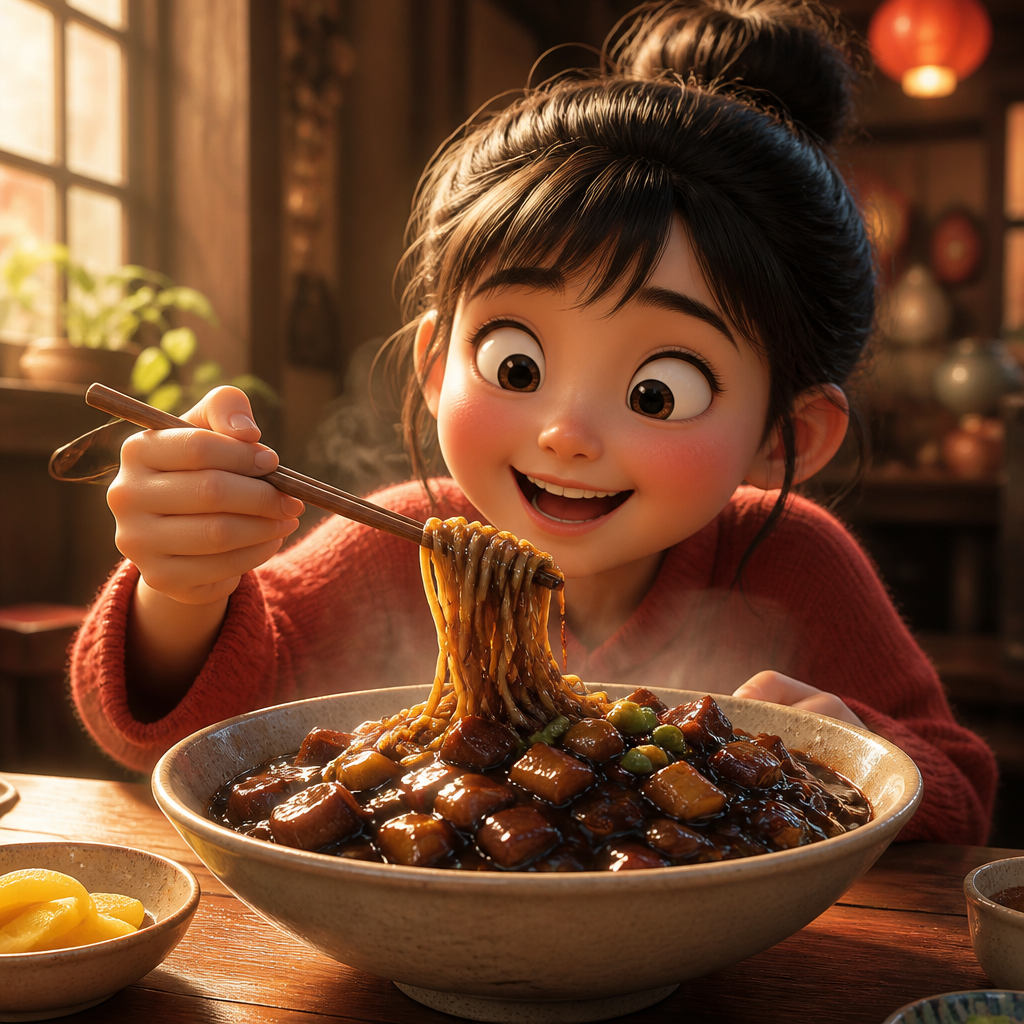
짜장면 일러스트
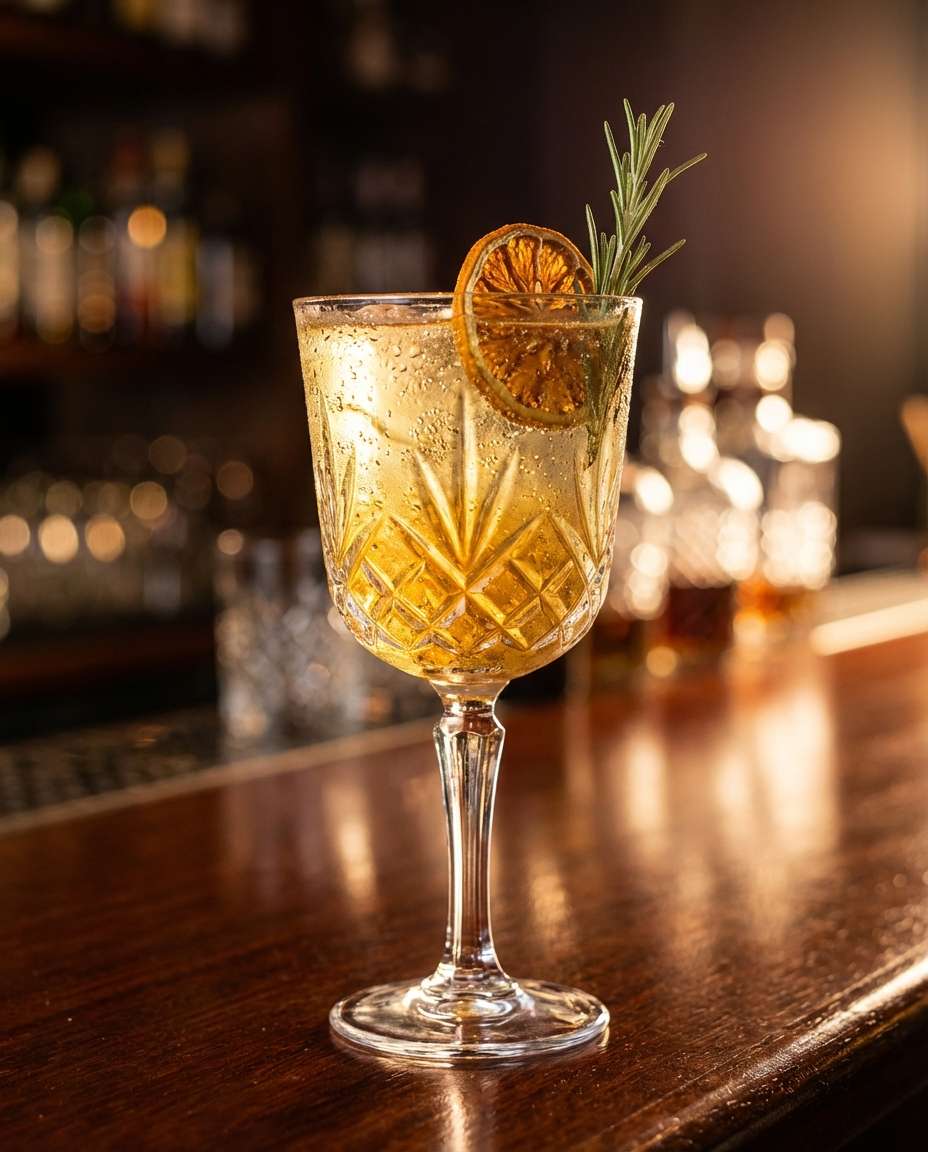
Crystal Cocktail Glow
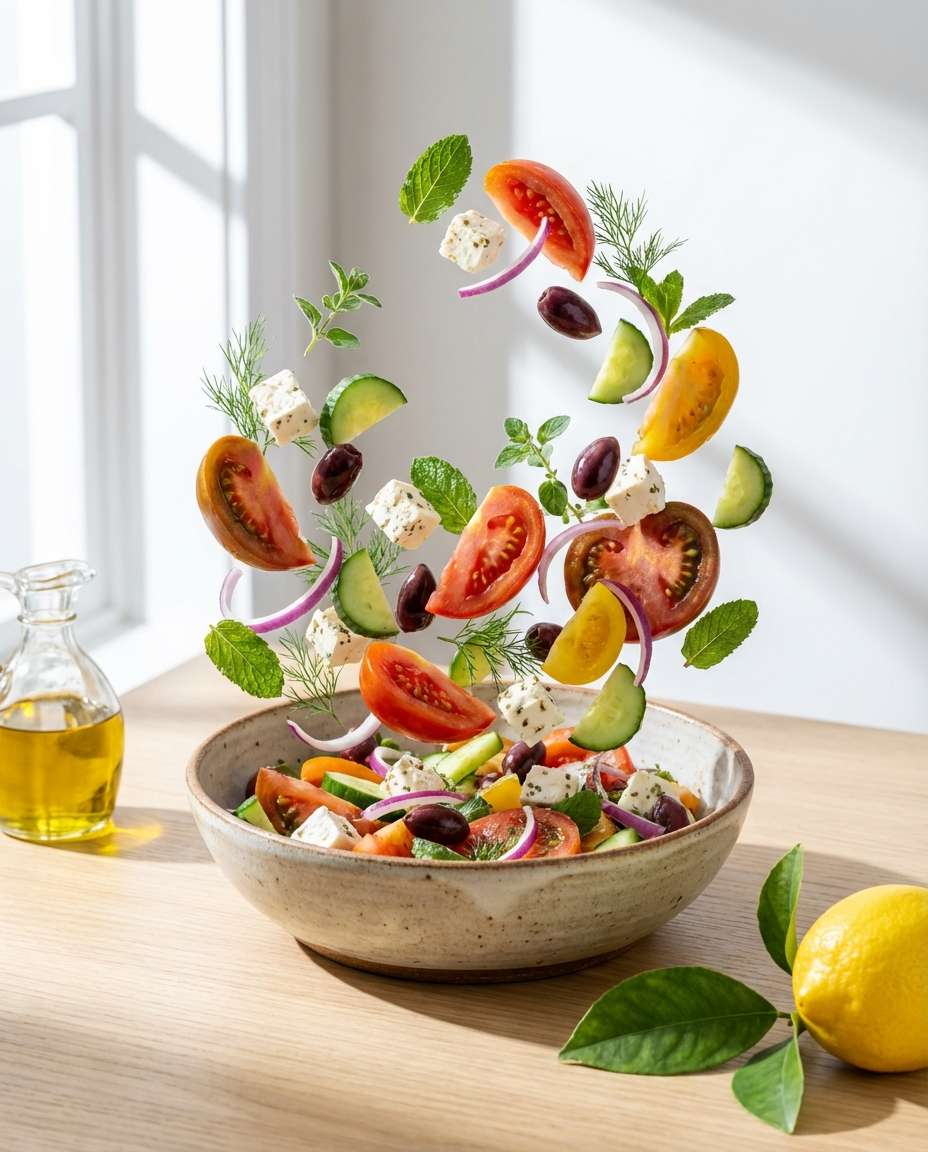
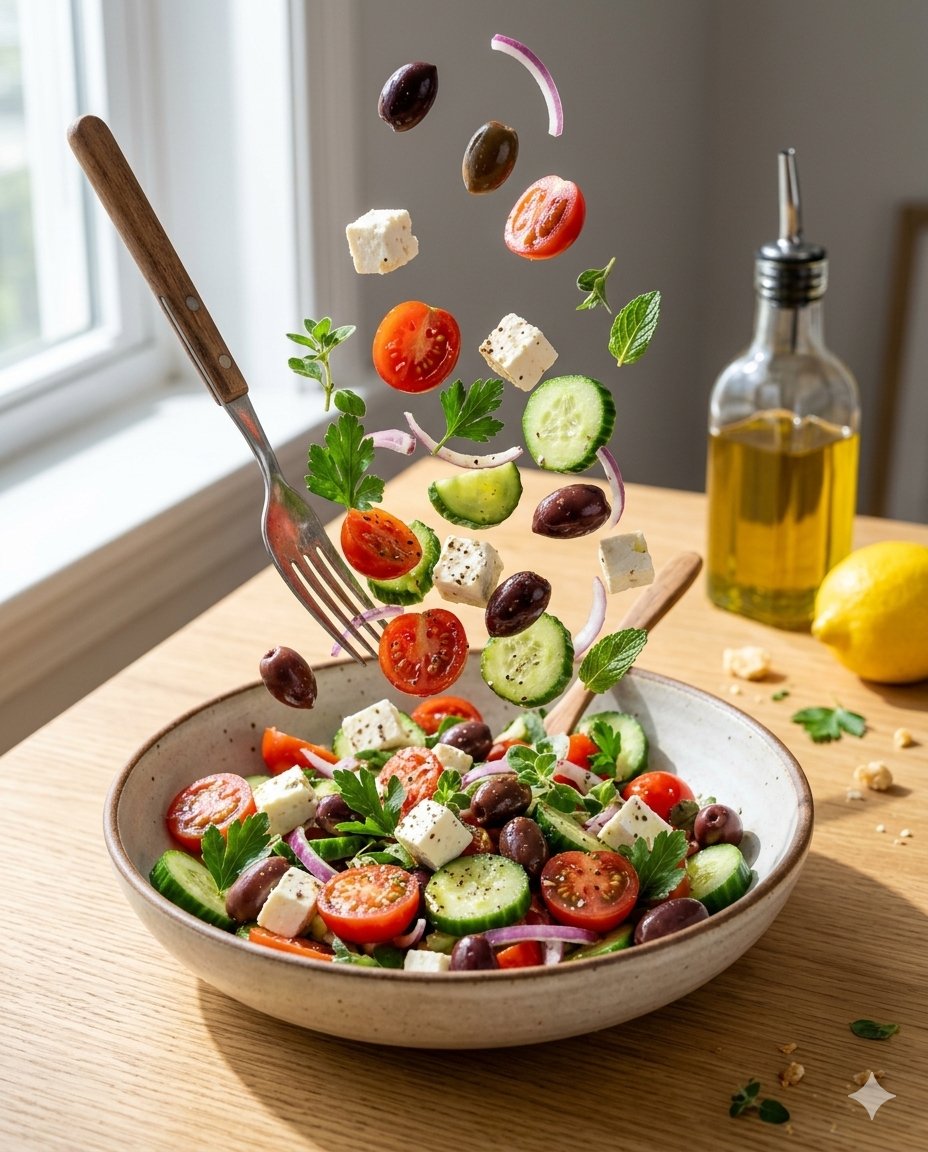
Fresh Salad Motion
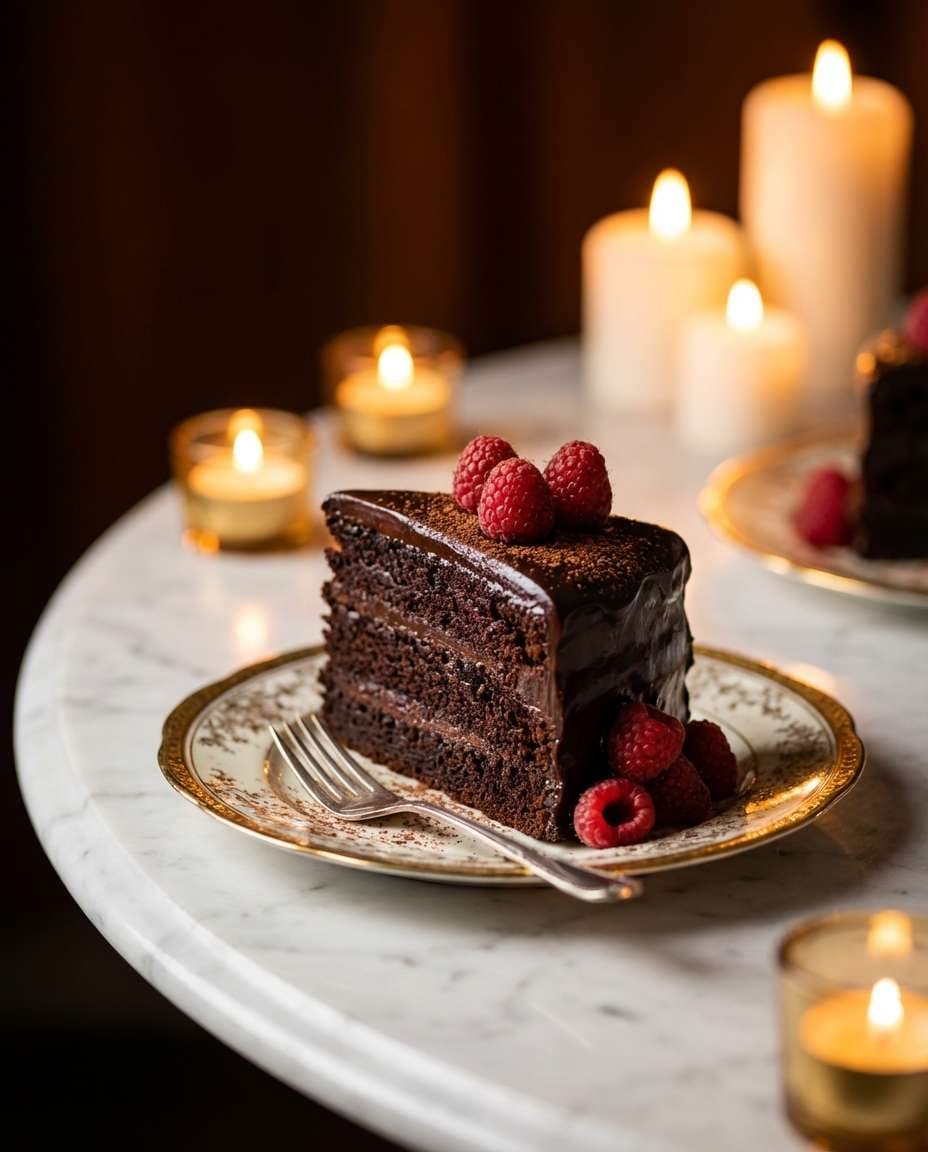
Chocolate Cake Glam
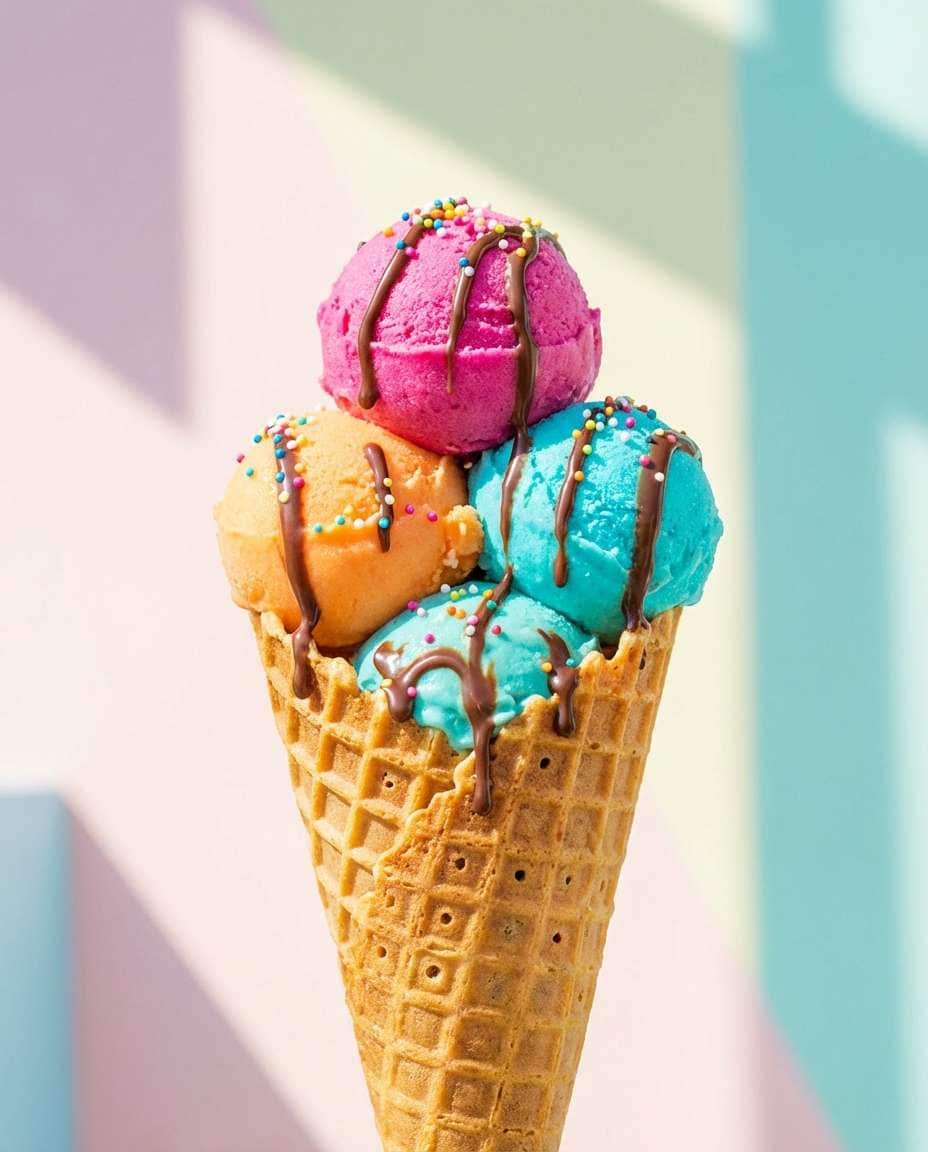
Colorful Gelato Cone
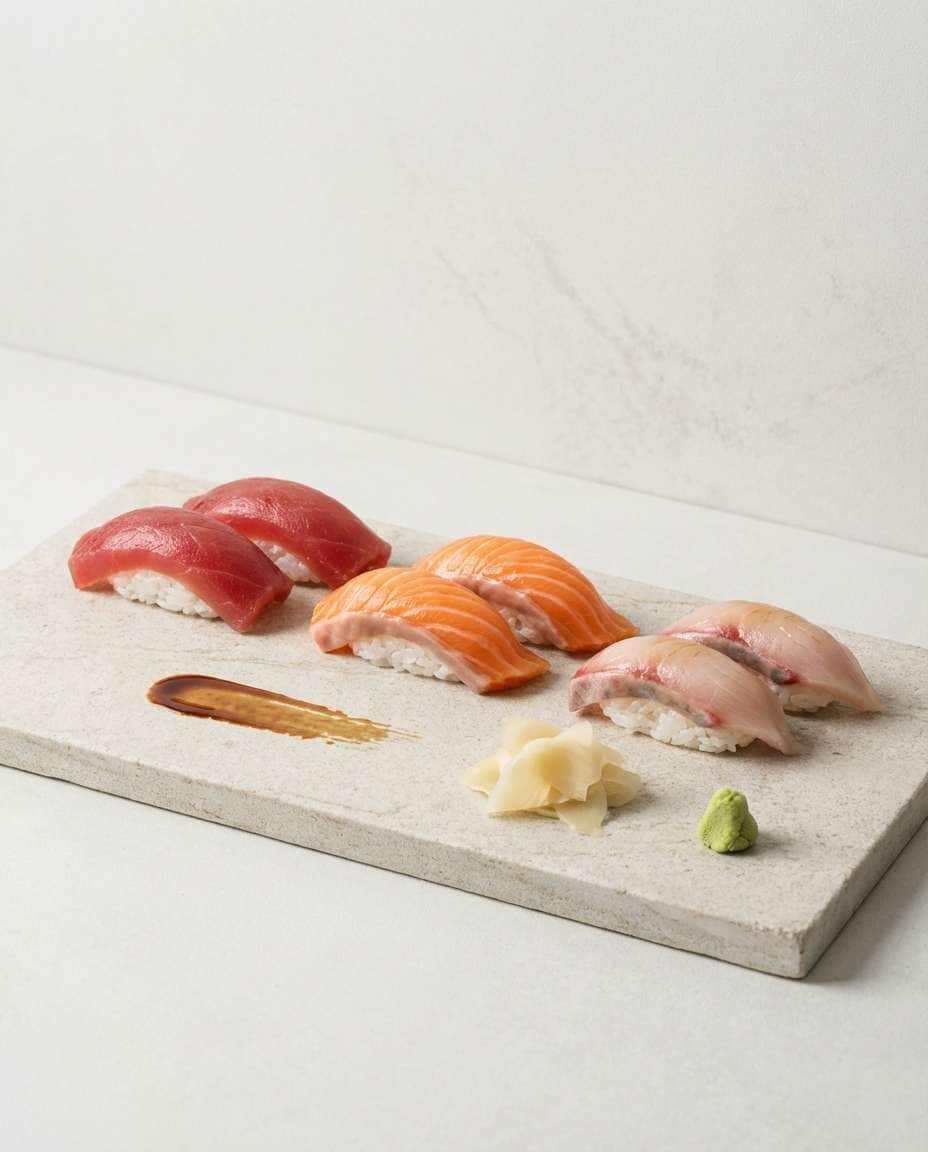
Minimal Sushi Plate
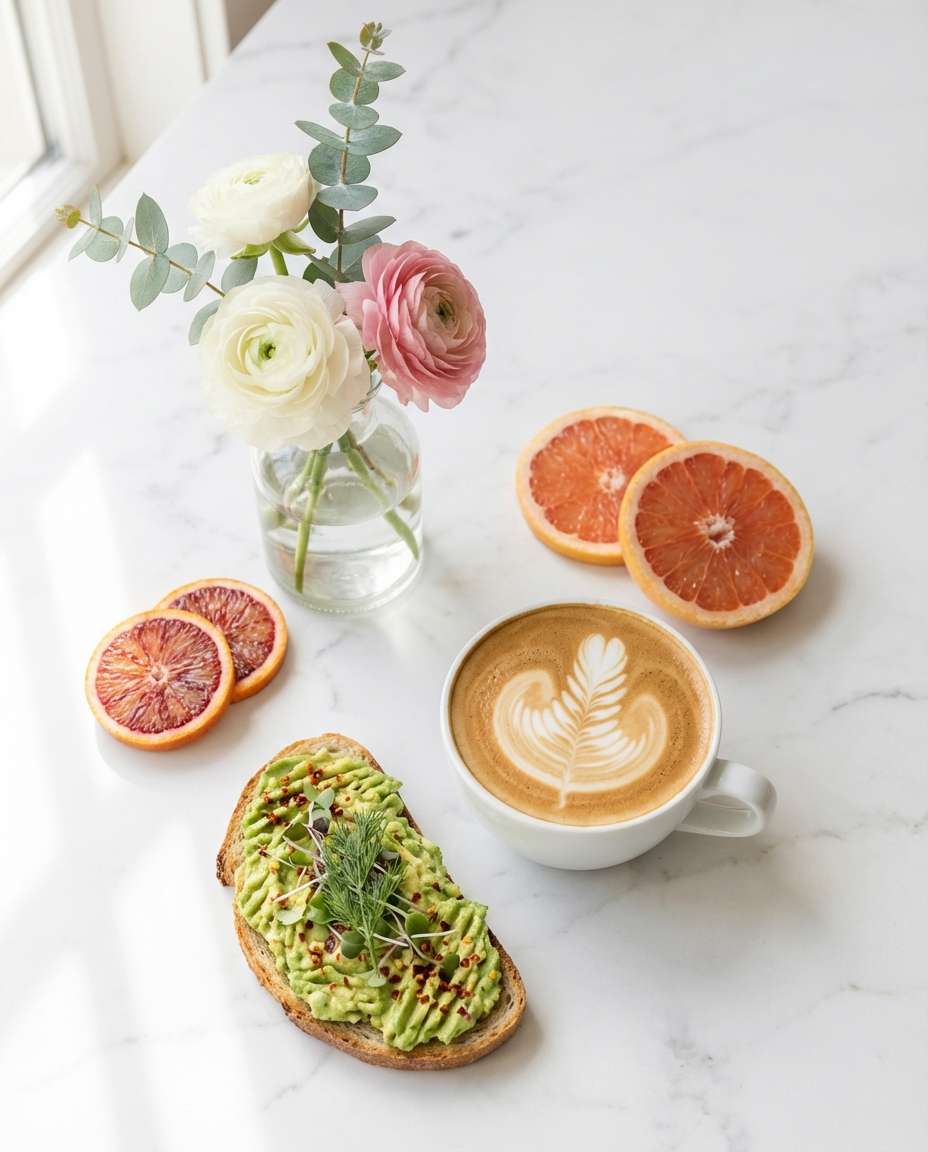
Bright Brunch Flat Lay
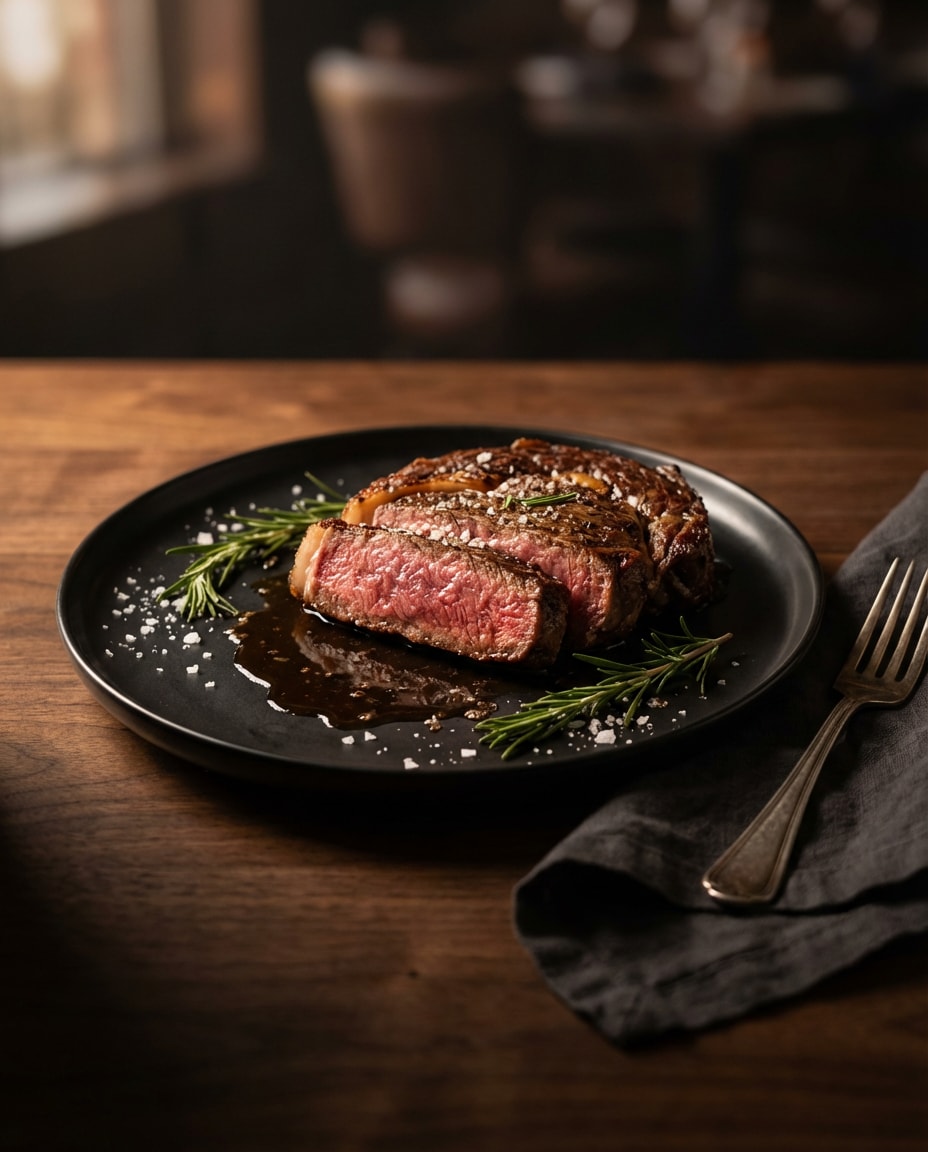
Steak Plating
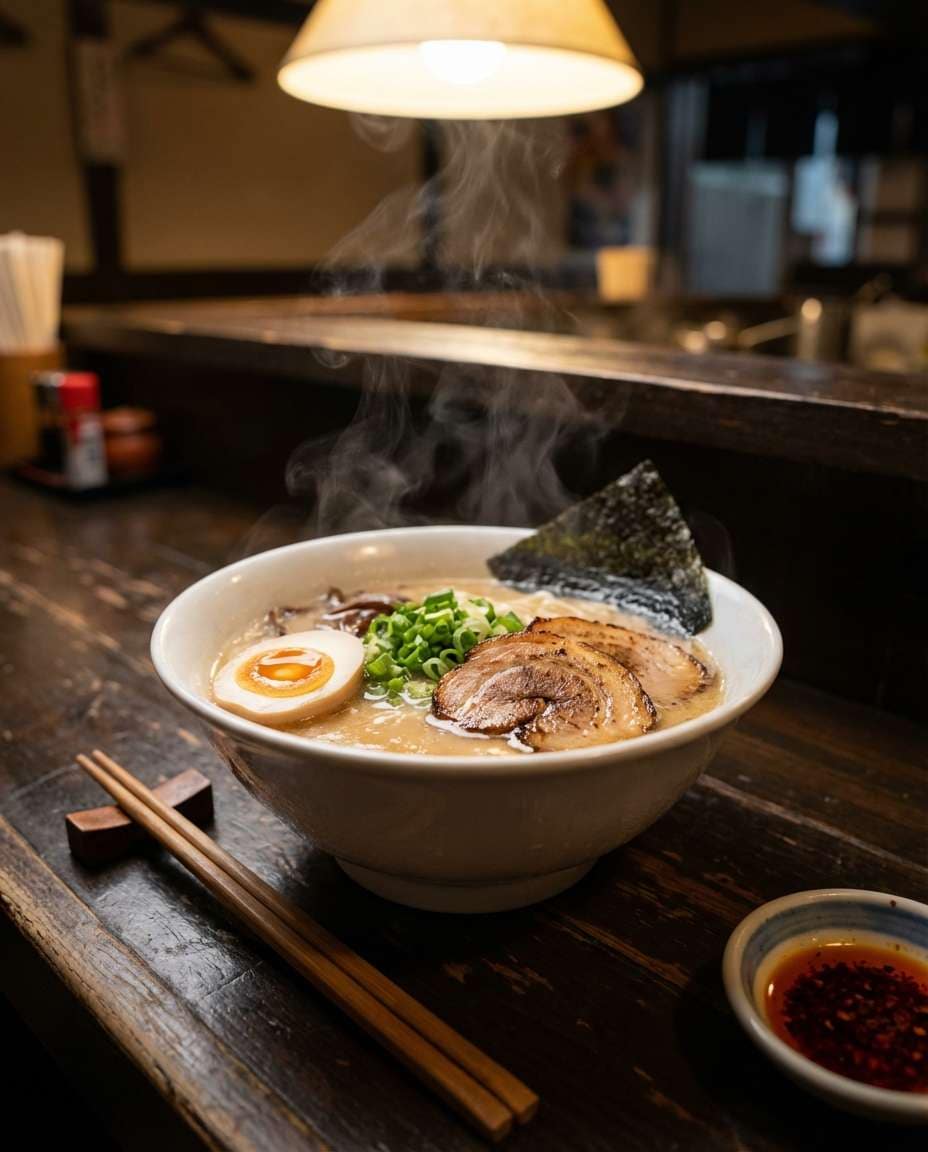
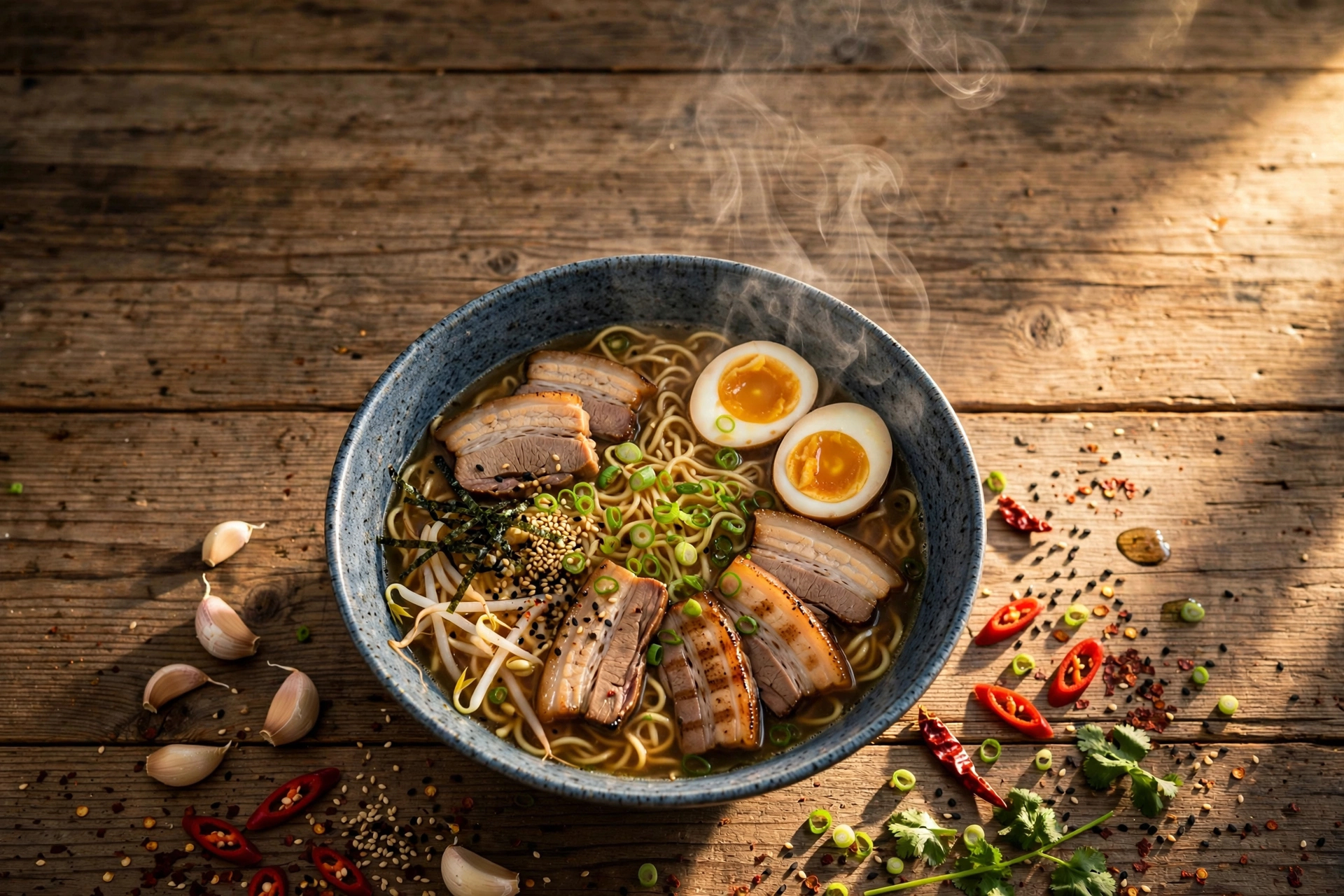
Ramen Steam Close-Up
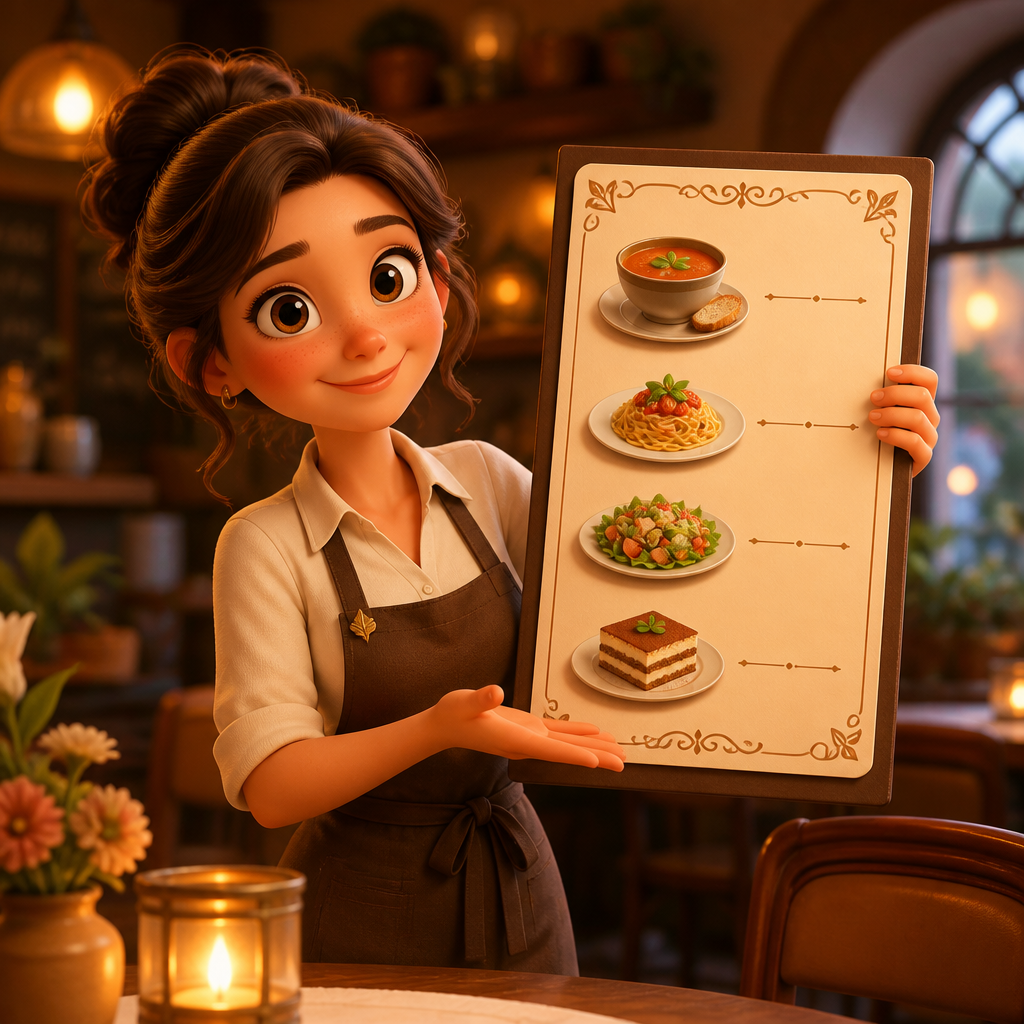
메뉴판 디자인
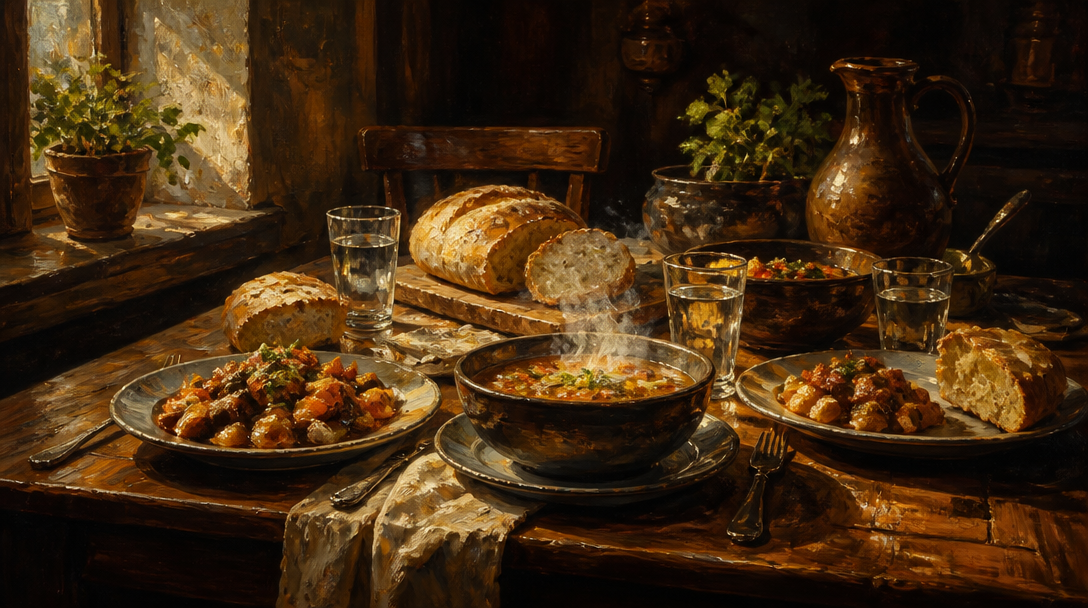
식탁 일러스트
What Is Food Photo Enhancement?
Food photo enhancement is the process of improving the visual quality, color richness, lighting, and composition of food photographs to create appetizing, professional-quality images that effectively showcase culinary creations. Food photography plays a critical role in the restaurant and food service industry, where high-quality food photos directly influence customer purchasing decisions on platforms like Instagram, food blogs, delivery apps, and menu boards. The demand for professional-quality food photos has grown significantly with the rise of social media food culture, where visually appealing food content drives engagement and customer interest. Food photo enhancement encompasses various styles including coffee photography, dessert photography, menu board photos, and restaurant lifestyle shots, each requiring specific approaches to lighting, color grading, and composition. With AI image generation tools, restaurant owners, food bloggers, and content creators can now produce professional-quality food photos without expensive photography equipment or professional food photographers.
How to Write AI Food Photo Enhancement Prompts
When enhancing food photos with AI, specify the food type, lighting, color richness, composition, and background as key elements. Include prompt phrases like "warm lighting," "rich colors," "close-up composition," "natural light," and "menu photo style" to define the visual direction. Describe the specific food type and its characteristics in detail, and emphasize appetizing texture and appearance to create mouth-watering results. The most effective food photo prompts combine technical specifications, such as lighting and color grading, with sensory descriptions that evoke taste and aroma, creating images that not only look professional but also stimulate appetite. Different food categories require different approaches: coffee photos benefit from warm tones and steam effects, desserts benefit from soft lighting and shallow depth of field, and menu photos require clean, well-lit compositions that clearly showcase the dish.
Food Photo Enhancement Prompt Examples
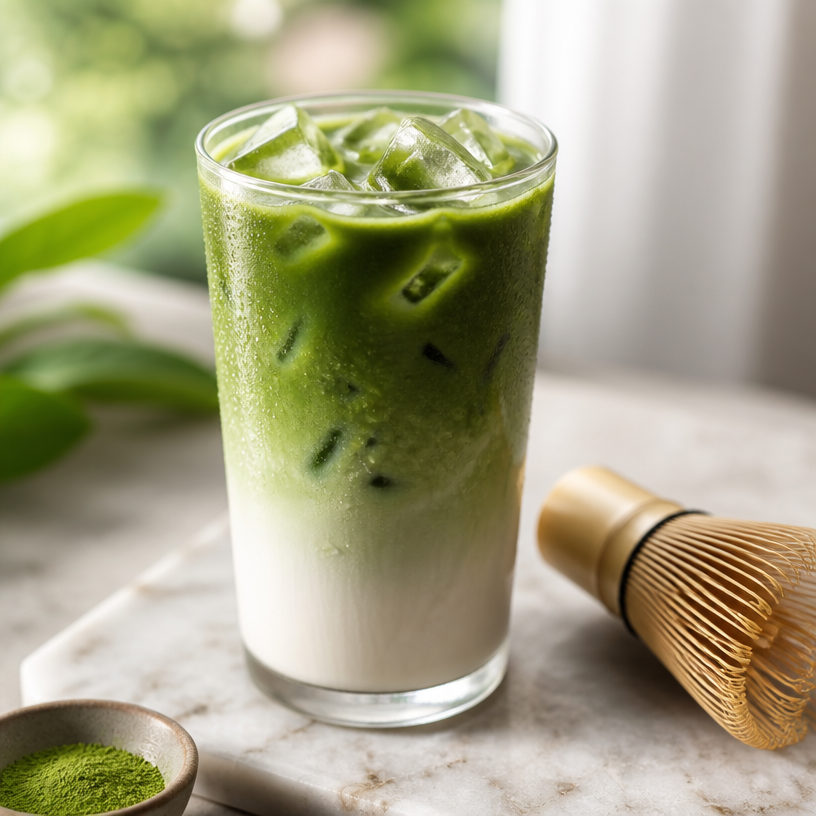
A coffee photo prompt generates a warm-lit cafe-style coffee photo that captures the cozy atmosphere and rich tones of professional coffee photography. A menu template design prompt creates clean food photos suitable for restaurant menu boards, featuring clear composition and appetizing presentation. A cake illustration prompt generates a dessert photo combining photographic quality with illustration aesthetics, creating a unique visual style for bakery and patisserie content. A jajangmyeon illustration prompt creates an appealing photo of Chinese cuisine that showcases the dish's rich colors and textures in an appetizing way. A dining table illustration prompt generates a warm home party dining table scene that captures the convivial atmosphere of shared meals. A coffee illustration prompt creates cafe-aesthetic coffee photos that combine the warmth of coffee culture with artistic visual presentation.
Tips for Using AI Food Photo Enhancement
Enhanced food photos can be used for Instagram posts, blog thumbnails, delivery app menu photos, menu board design, cafe promotional materials, and food content collections. Maintain consistent lighting and color tones across multiple generations to create a cohesive food photo series that builds a recognizable visual identity for a restaurant or food brand. Specify various food types, settings, and mood themes to build a diverse food photo collection covering different cuisines, occasions, and visual styles. AI tools enable rapid production of professional-quality food photos without studio equipment or professional photographers, making it possible to create appetizing food content that rivals professional food photography. For restaurant owners and food content creators, generating a library of enhanced food photos with different dishes, lighting setups, and presentation styles provides versatile assets for menu design, social media marketing, delivery app listings, and promotional materials. Always specify both the technical elements, such as lighting and composition, and the sensory elements, such as texture and appetite appeal, to achieve professional-quality food photos.
Frequently Asked Questions About Food Photo Enhancement Prompts
Common questions include whether AI food photos look appetizing, whether warm lighting can be applied, whether photos can be used for menu boards, whether various food types can be specified, and whether cafe aesthetics can be achieved. With precise prompting, AI tools produce appetizing, aesthetic food photos with full control over lighting, color, and composition. The key is specifying the food type, lighting direction, and appetite-appealing texture to generate food photos that rival professional food photography.