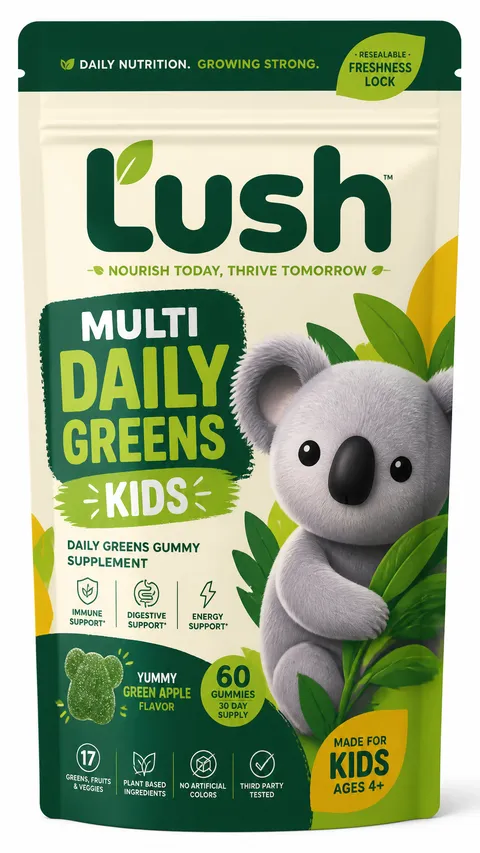
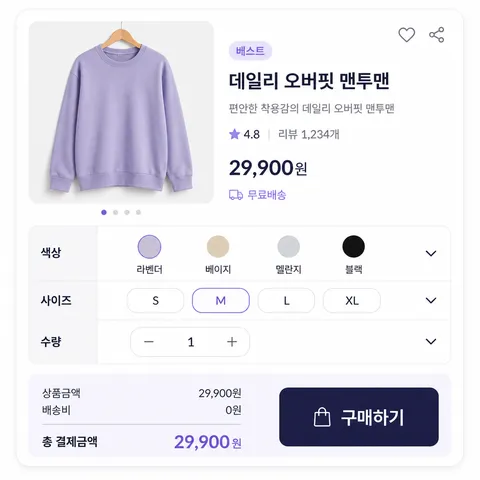
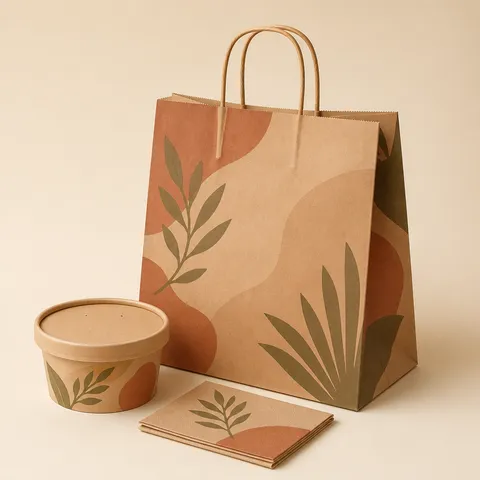
A food product detail page prompt for presenting ingredients, usage information, and product benefits clearly in online commerce.
2026.07.17
Make “Food Product Detail Page” exactly the way you wantCreate your own “Food Product Detail Page”
Just ask in plain language — Carat generates optimized images and videos for you.

Start now with 100 free credits daily
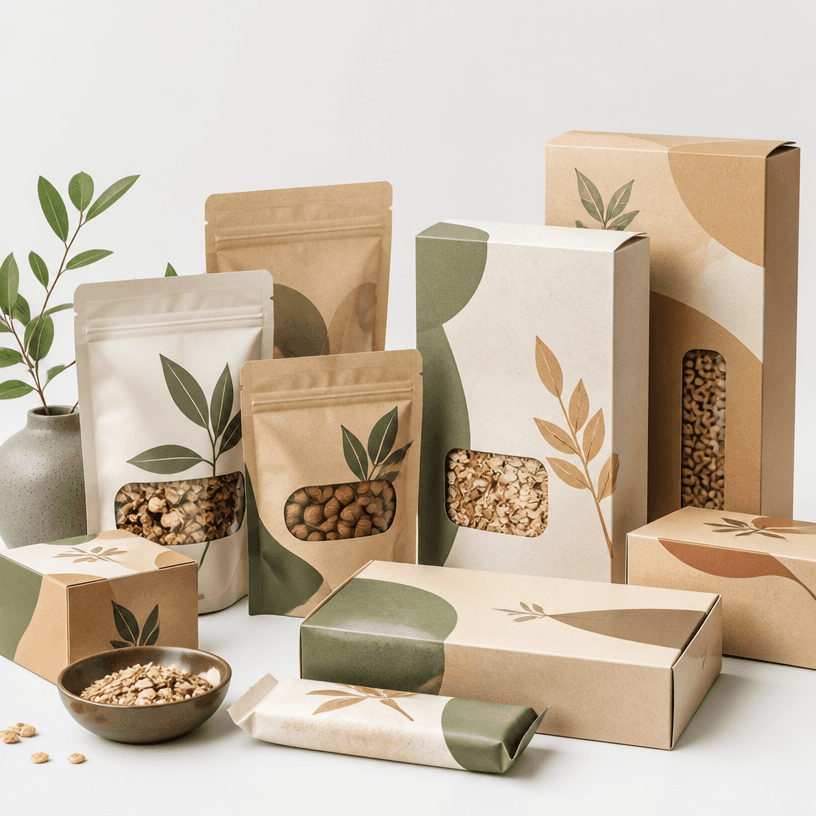
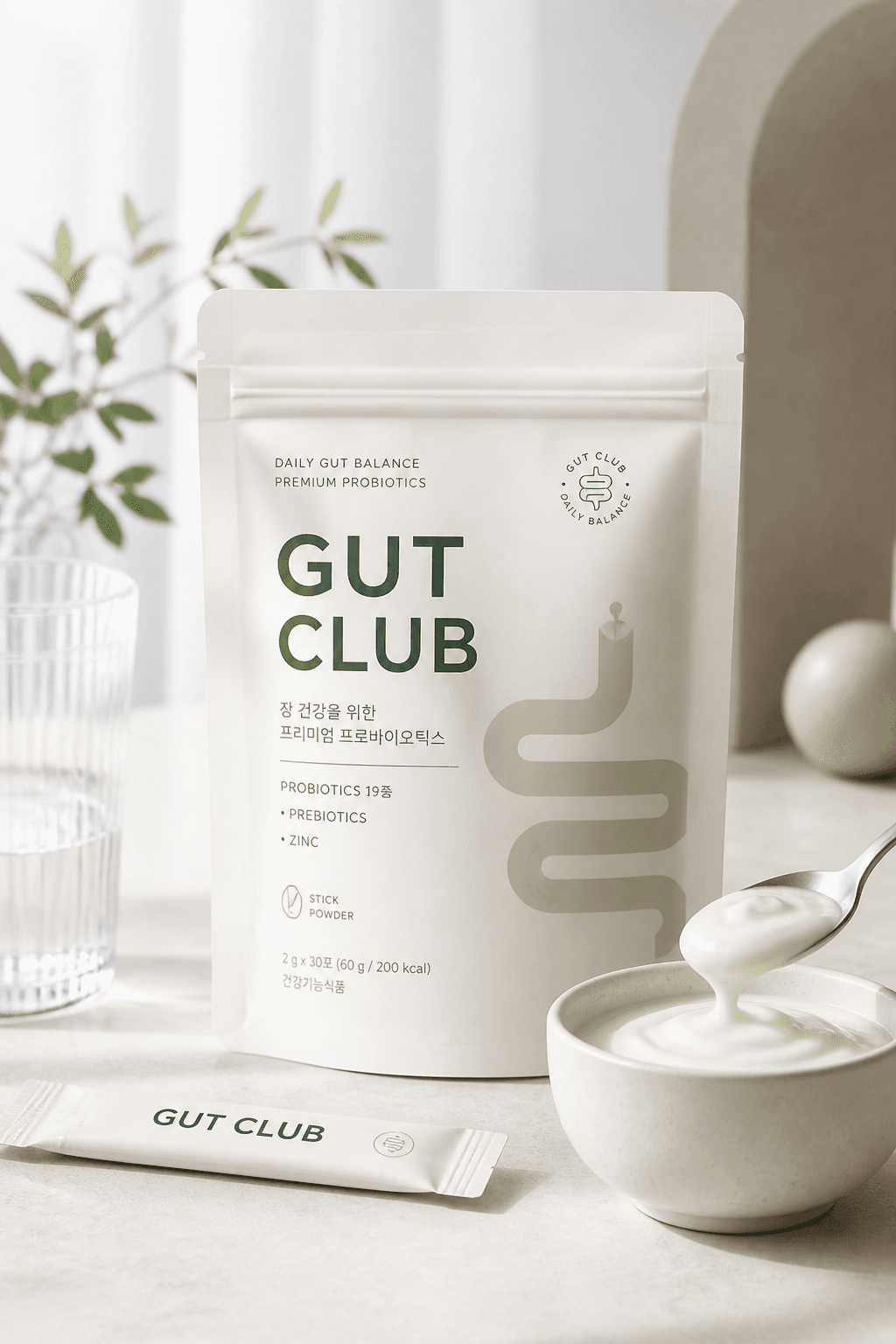
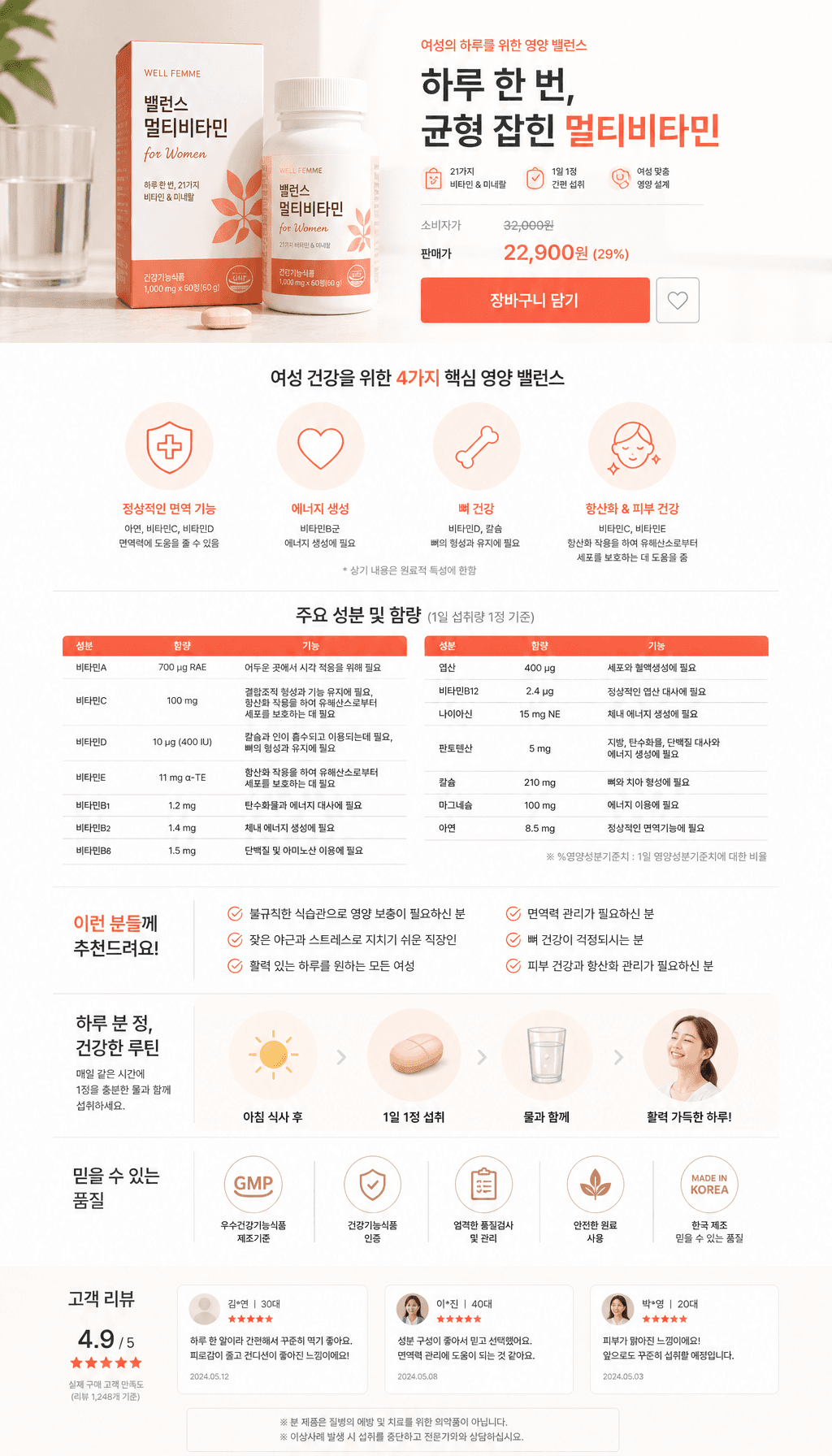
Food product detail page prompts help an image model plan a complete online commerce visual instead of producing an isolated pack shot. The instruction can define the hero product view, a short value proposition, ingredient highlights, texture or serving suggestions, preparation steps, storage guidance, and a purchase-oriented closing section. Add a reference image of the package when available, then describe the product type, audience, flavor profile, package material, brand palette, and selling channel. This gives the model enough context to create a useful layout direction for a long mobile product page or a set of connected commerce cards.
The approach works for snacks, tea, sauces, frozen meals, ready-to-eat foods, beverages, and supplements. Each category needs a different information hierarchy. A snack may lead with crunch, flavor, and a sharing moment, while a supplement should make serving size, ingredients, warnings, and storage easy to locate. A gift food set can focus on the box opening, included pieces, and occasion styling. Describing the buyer and the moment of use prevents the result from looking like a generic food advertisement.
Online shoppers often look for the ingredient list, allergens, net weight, expiry guidance, storage conditions, and serving instructions before purchasing. Ask for distinct information blocks, generous margins, readable type, and a clear difference between promotional claims and factual product data. Use a large hero image to establish appetite and reserve smaller modules for practical details. Never treat generated typography, nutrition numbers, or regulatory copy as final. The visual is a layout draft until the brand replaces every factual field with verified source material.
Start with the food type, sales channel, target audience, and desired aspect ratio. Then specify a visual setting such as a sunlit breakfast table, a clean overhead ingredient arrangement, or a warm kitchen counter. Mention camera distance, surface texture, prop restraint, and the position of the package so the product remains the visual anchor. Tell the model to use only the supplied facts, avoid inventing claims, and leave enough space for later text replacement. For a mobile page, request a vertical sequence with clear section boundaries rather than one crowded poster.
After generation, compare the package, ingredients, measurements, and required label statements with the official product file. Use the AI result to explore art direction and page structure, then finish the production version in an editor where factual copy can be controlled.