Health Design
Premium AI prompts for health infographics, fitness marketing, and wellness lifestyle designs.
2026.07.04
Make “Health Design” exactly the way you wantCreate your own “Health Design”
Just ask in plain language — Carat generates optimized images and videos for you.

Start now with 100 free credits daily
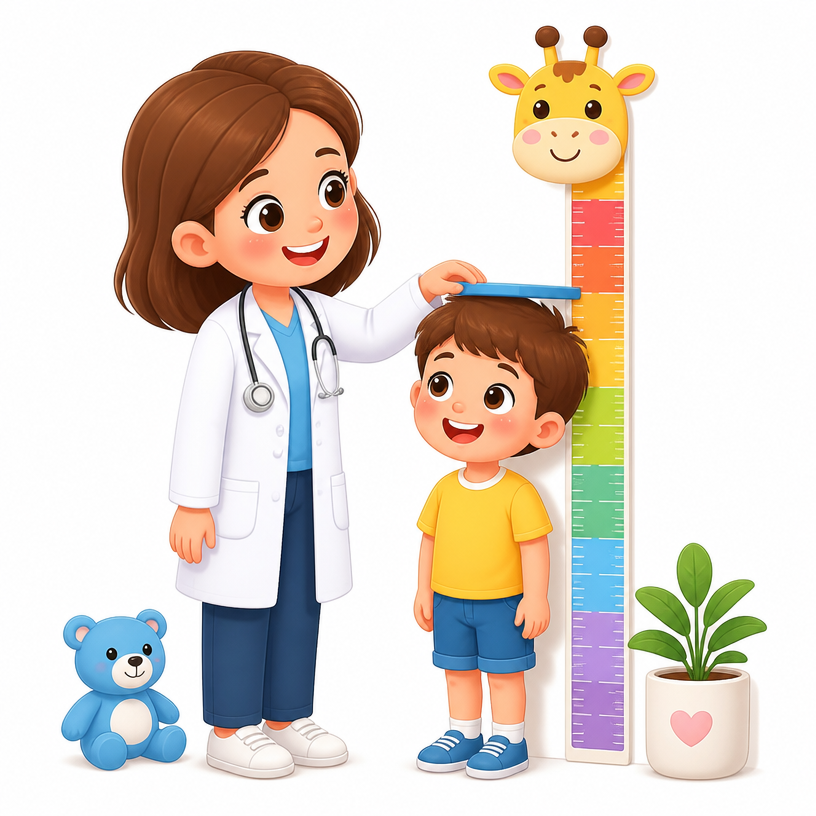
소아과 건강검진 일러스트
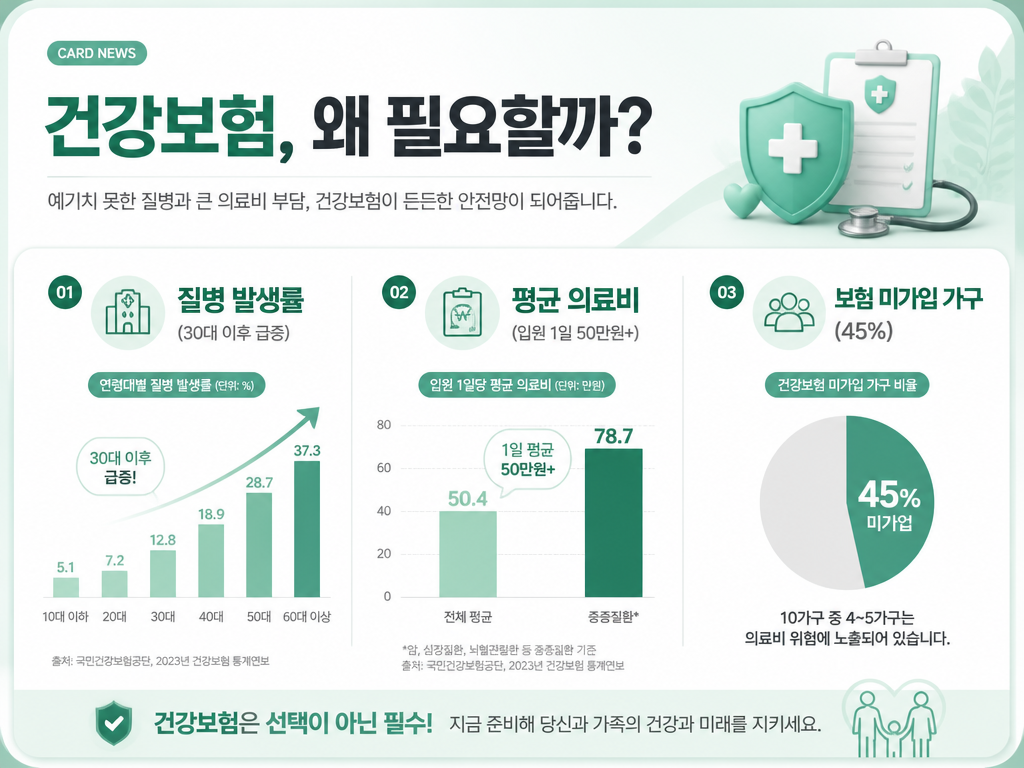
건강보험 필요성 카드뉴스
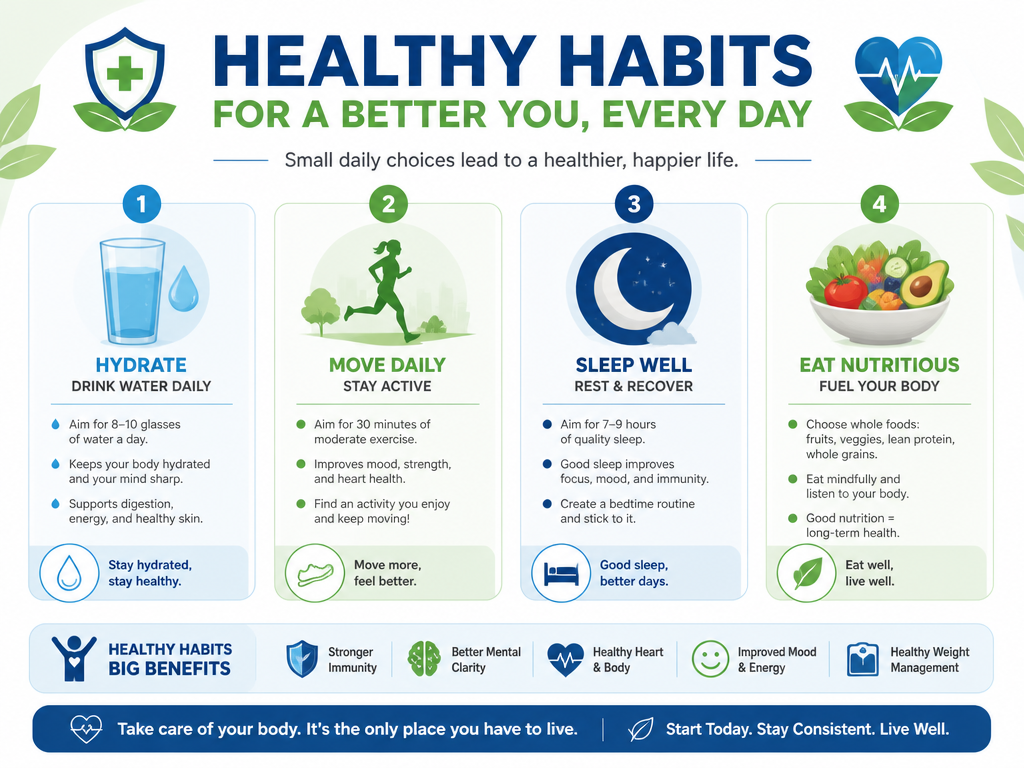
건강 관리 인포그래픽
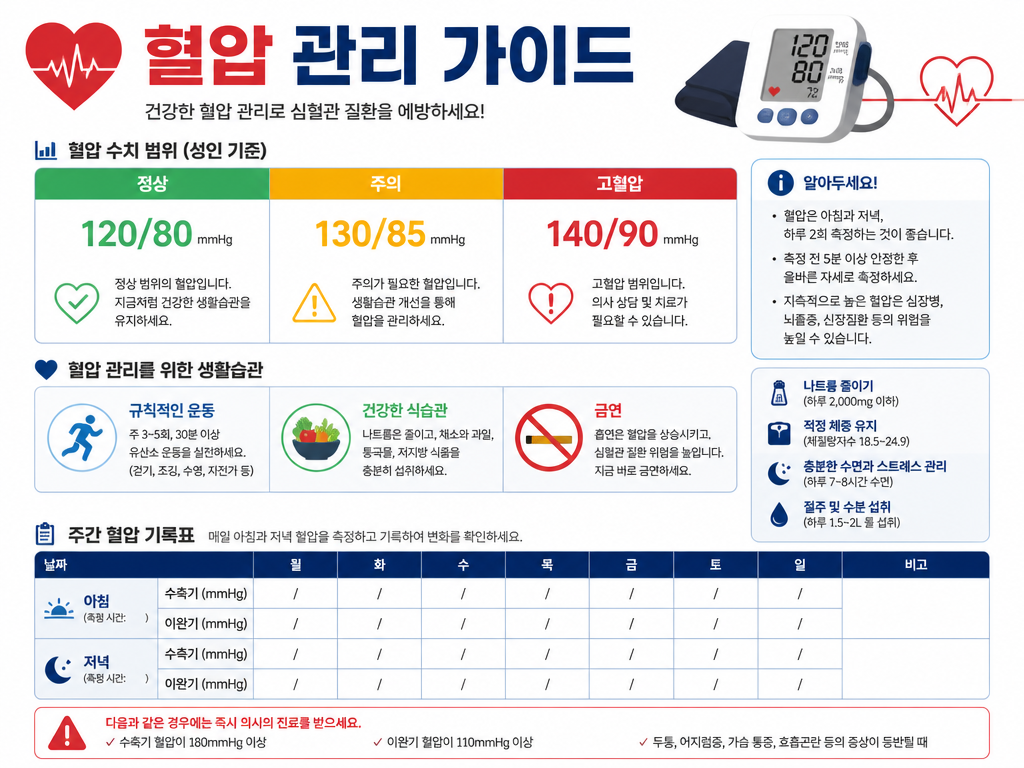
혈압 관리 가이드 인포그래픽

건강정보 블로그 썸네일
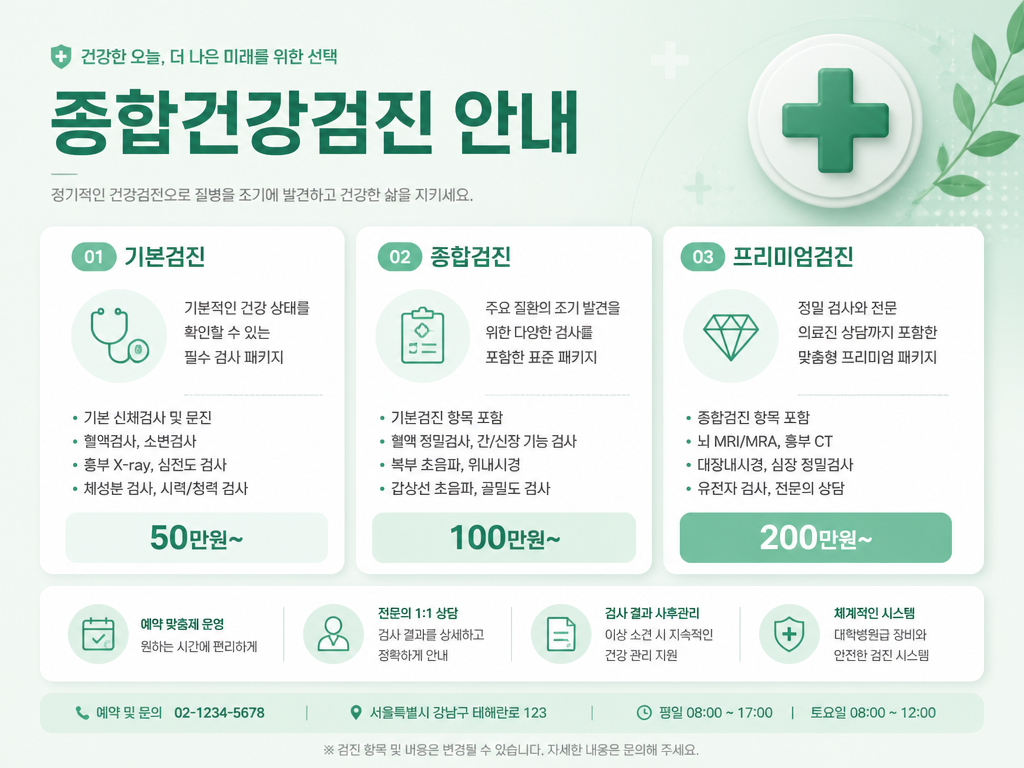
종합건강검진 안내 카드뉴스
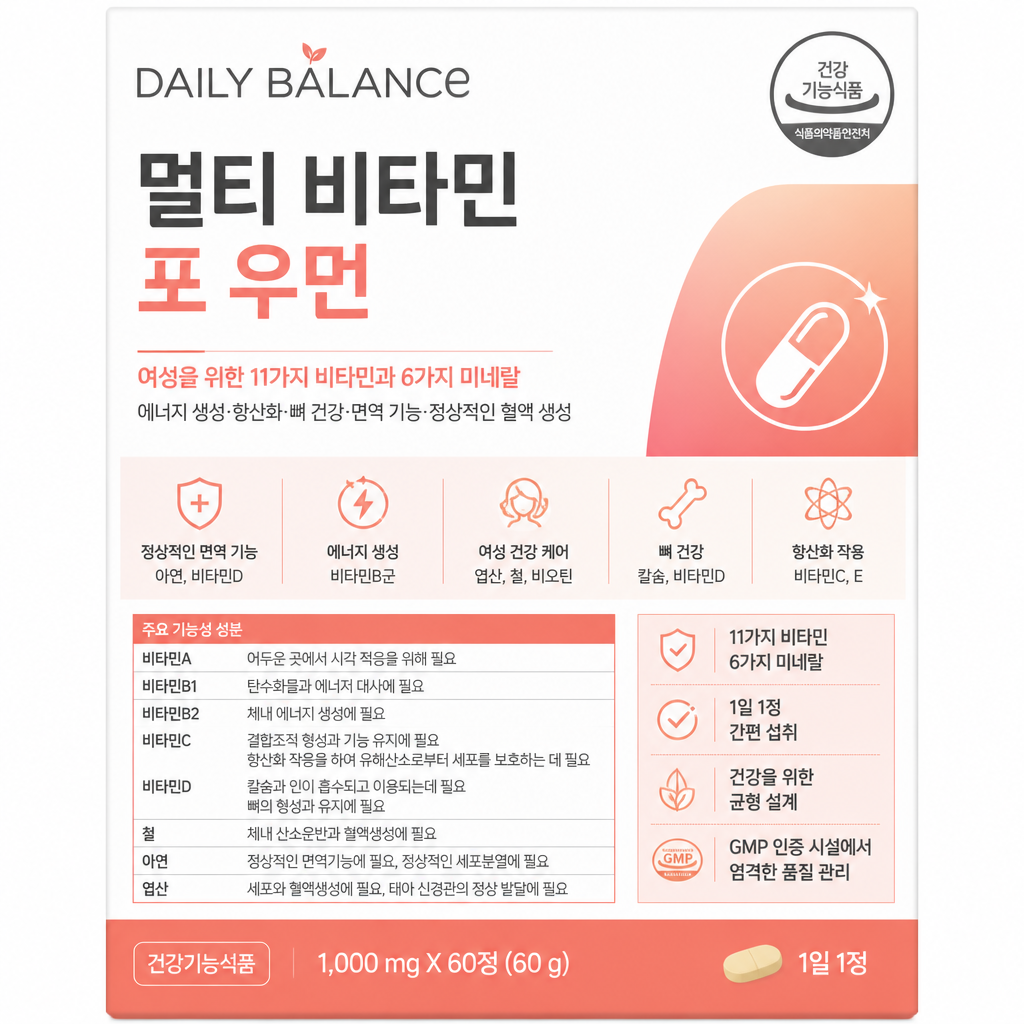
Trustworthy Korean Health Supplement Package Design for a Brand Named 'DAILY BALANCE'
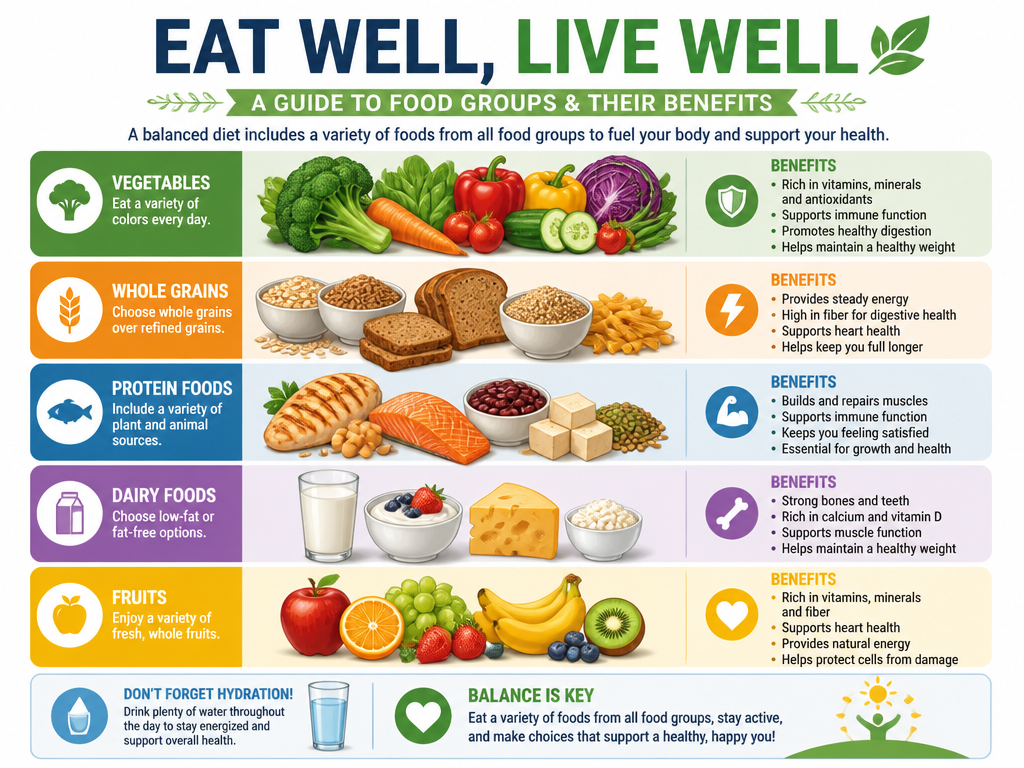
영양소 가이드 인포그래픽
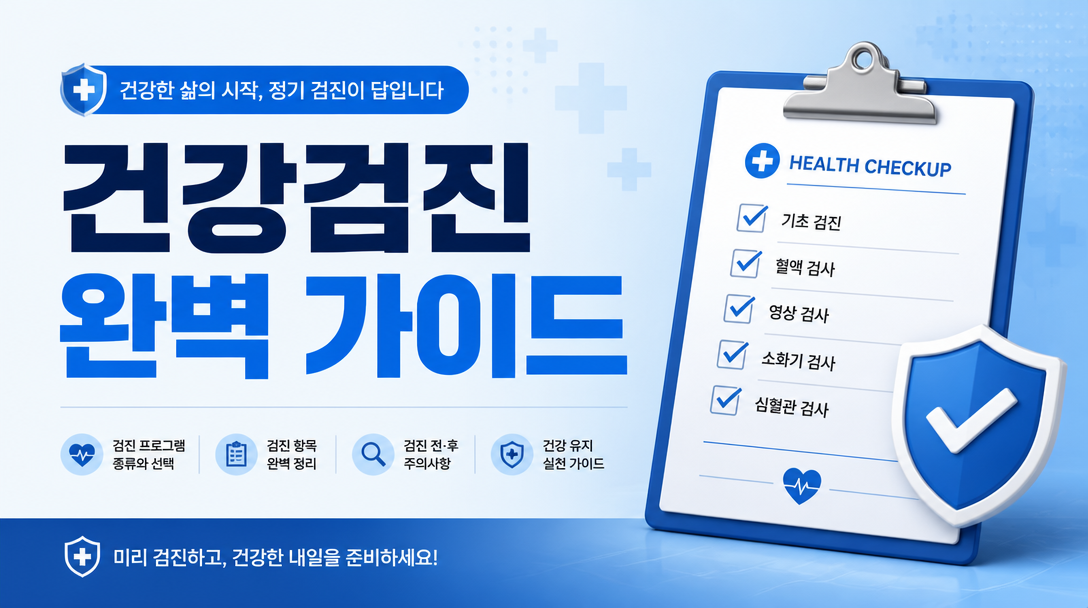
건강검진 완벽 가이드 블로그 썸네일
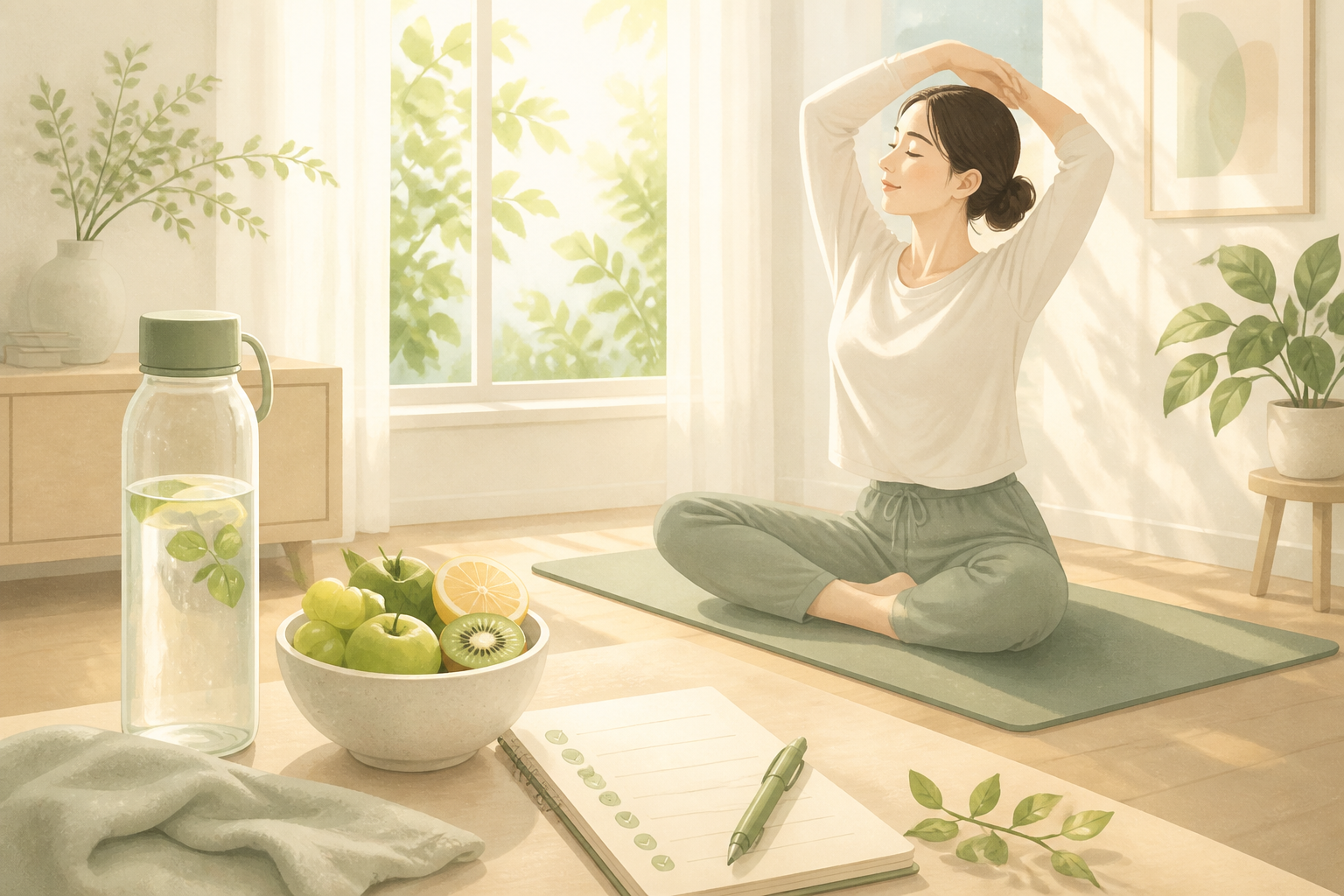
Healthy Routine Illustration
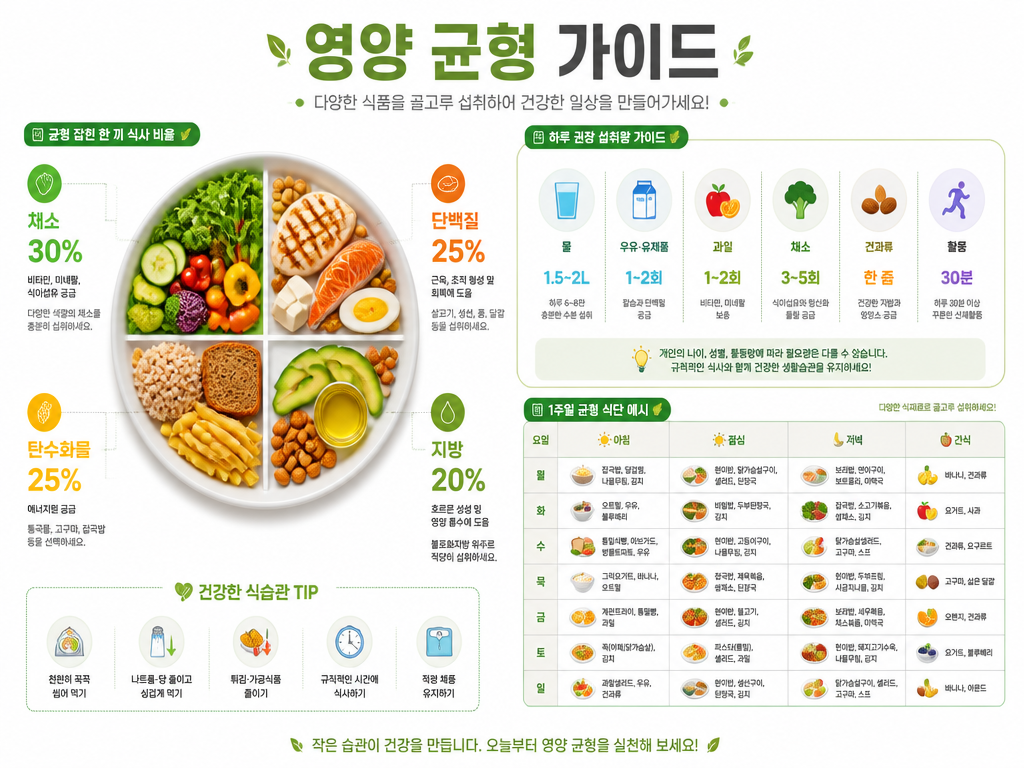
영양 균형 가이드 인포그래픽
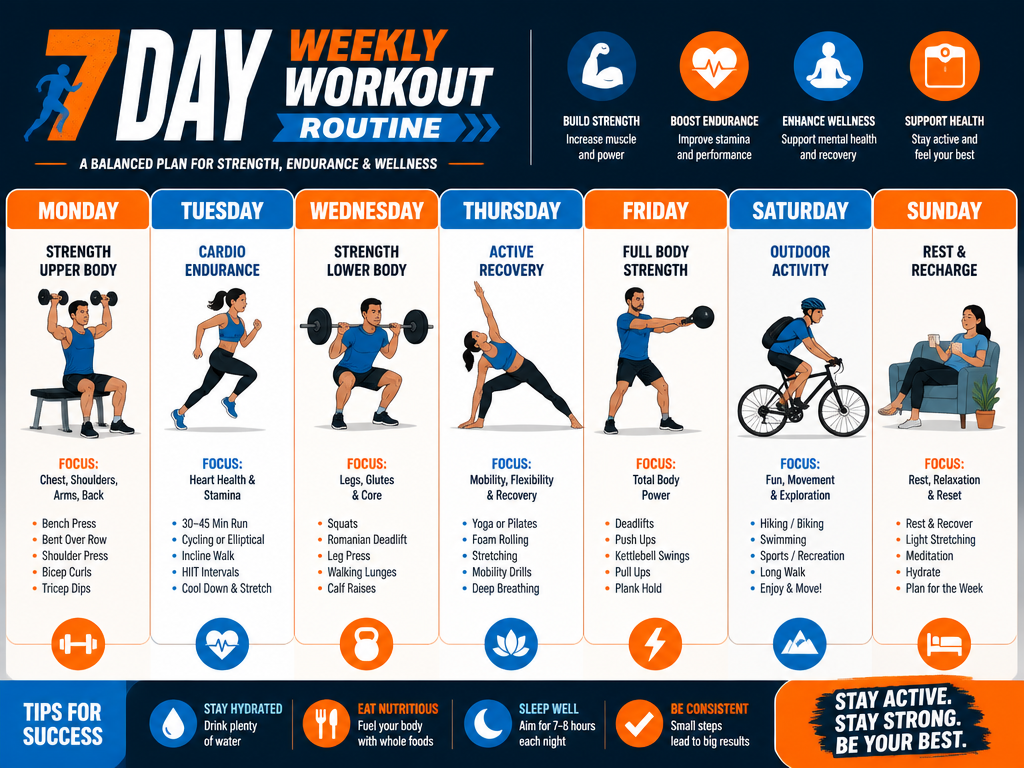
운동 루틴 인포그래픽
What Are Health Design AI Prompts?
Health design AI prompts are a specialized category of generative instructions focused on creating visual content that promotes physical and mental well-being, medical professionalism, and a healthy lifestyle. These prompts are meticulously engineered to produce imagery that balances clinical precision with aesthetic appeal. On Carat, users can utilize these prompts to generate a wide range of assets, including high-energy fitness photography, serene wellness and meditation backgrounds, detailed nutritional infographics, and professional medical layouts. The core philosophy of health design prompts is to communicate "vitality" and "trust." They translate complex wellness concepts into high-impact visuals that motivate audiences to take action toward better health. Whether you are building a brand for a new fitness app, a wellness supplement, or a medical clinic, these prompts provide the visual foundation needed to establish authority and connect with health-conscious consumers in the digital space.
Best Use Cases
The applications for health design prompts are extensive, covering almost every facet of the health and wellness industry. In digital marketing, they are indispensable for creating "health-themed card news" that provides daily wellness tips, workout routines, or nutritional advice. Supplement companies use these prompts to generate "lifestyle hero images" showing energetic people living their best lives, which increases product appeal. In the medical field, these prompts help create "patient education materials" and "clinic brochures" that look approachable yet professional. Fitness coaches leverage them to design "custom workout plan covers" and "motivational social media posts" that stand out in crowded feeds. Furthermore, they are perfect for the wellness industry to create "ambient backgrounds" for meditation apps or "spa and yoga retreat promotional visuals." For healthcare tech startups, these prompts can quickly generate "app interface mockups" or "service visualization icons" that communicate innovation and care. By using AI-generated health design, brands can maintain a high volume of quality visual content that reflects their commitment to health.
Why This Tag Works
The "Health Design" tag on Carat is uniquely effective because it simplifies the production of high-stakes visual content. Health and medical imagery must look "clean," "professional," and "organized" to be credible, and this tag is optimized to deliver exactly that. It works by incorporating specific design languages-such as "medical color palettes" (whites, teals, and soft blues) for clinical trust, and "vibrant, high-contrast tones" for fitness motivation. Each prompt is refined to avoid the generic "stock photo" look, instead providing artistic, high-fidelity results that feel contemporary and fresh. Moreover, it addresses the difficulty of capturing specific health-related scenes, such as precise yoga poses or complex molecular structures, by providing a shortcut to high-quality visual representation. This tag democratizes professional health branding, allowing small wellness businesses and individual health advocates to compete visually with large corporations. It ensures that the message of health is always presented in the most inspiring and trustworthy light possible.
Explore Related Prompts
Discover more ways to visualize wellness and healthcare by exploring these related categories:
- Health Infographic
- Insurance Card News
- Infographic
- Card News Template
- Small Business
- Illustration
- Cinematic Video
Prompt Building Tips
To create high-converting and professional health-related visuals, your prompts should focus on atmosphere, lighting, and clarity. First, define the "primary goal"-is it "calming wellness" or "intense athletic performance"? This choice will dictate your lighting and energy level. Second, use "color psychology" explicitly; mention "sanitary white and calming blue" for medical themes or "dynamic neon accents" for high-energy gym scenes. Third, describe the "setting" in detail-for example, "a minimalist sunny yoga studio with natural wood floors" or "a high-tech laboratory with soft blue LED lighting." Fourth, specify the "human element" by describing the subject's expression and physique (e.g., "radiant smile, glowing skin, fit physique") to reinforce the health message. Fifth, include technical quality terms like "photorealistic studio lighting," "8k resolution," and "clean vector lines" for infographics. Sixth, if you want a technical look, add keywords like "anatomical detail" or "microscopic view." Finally, for social media layouts, use terms like "health infographic layout with ample space for nutritional data." By combining these specific layers of information, you can generate a vast library of unique health assets that look professionally curated and perfectly aligned with your wellness brand strategy.