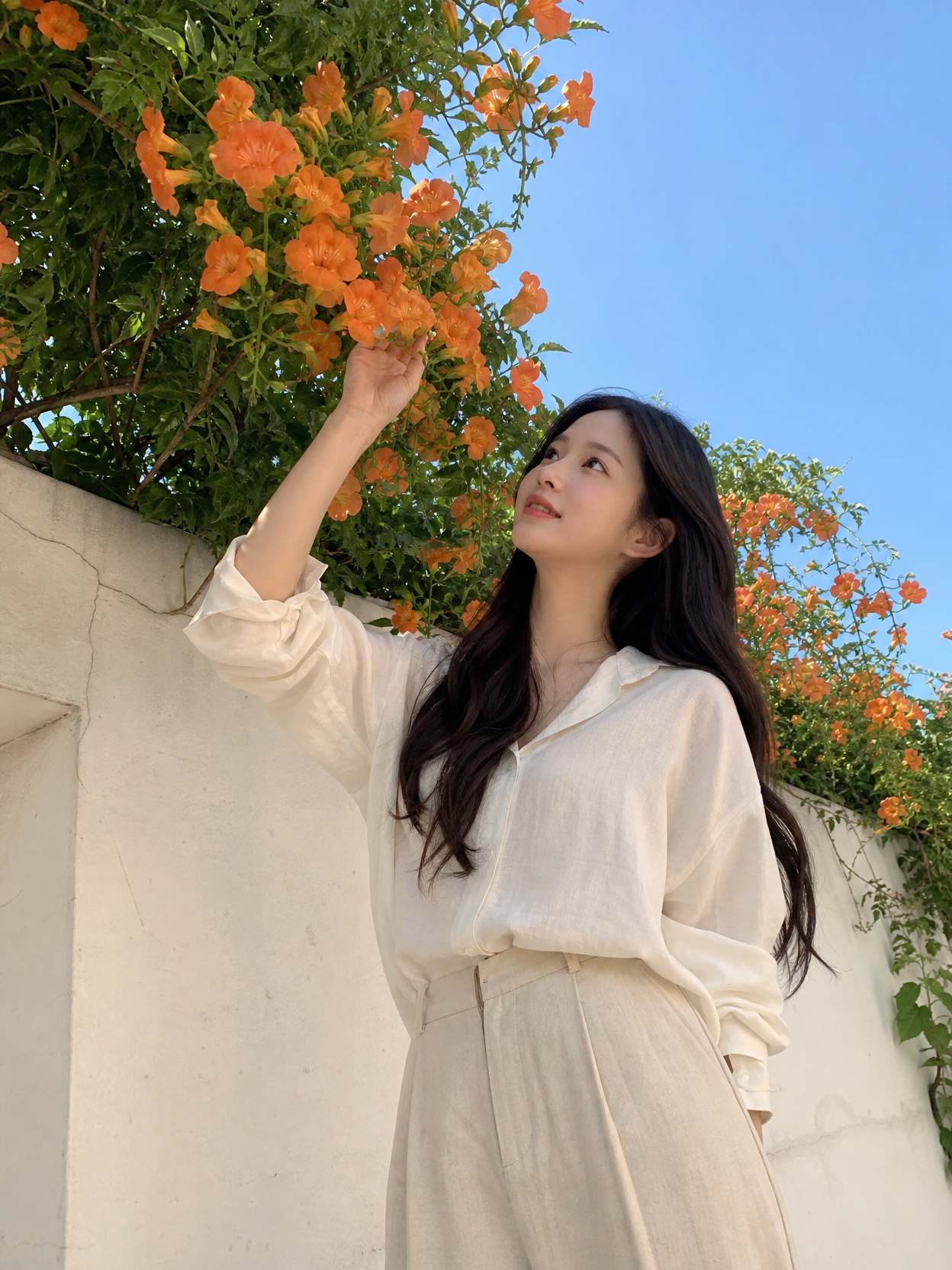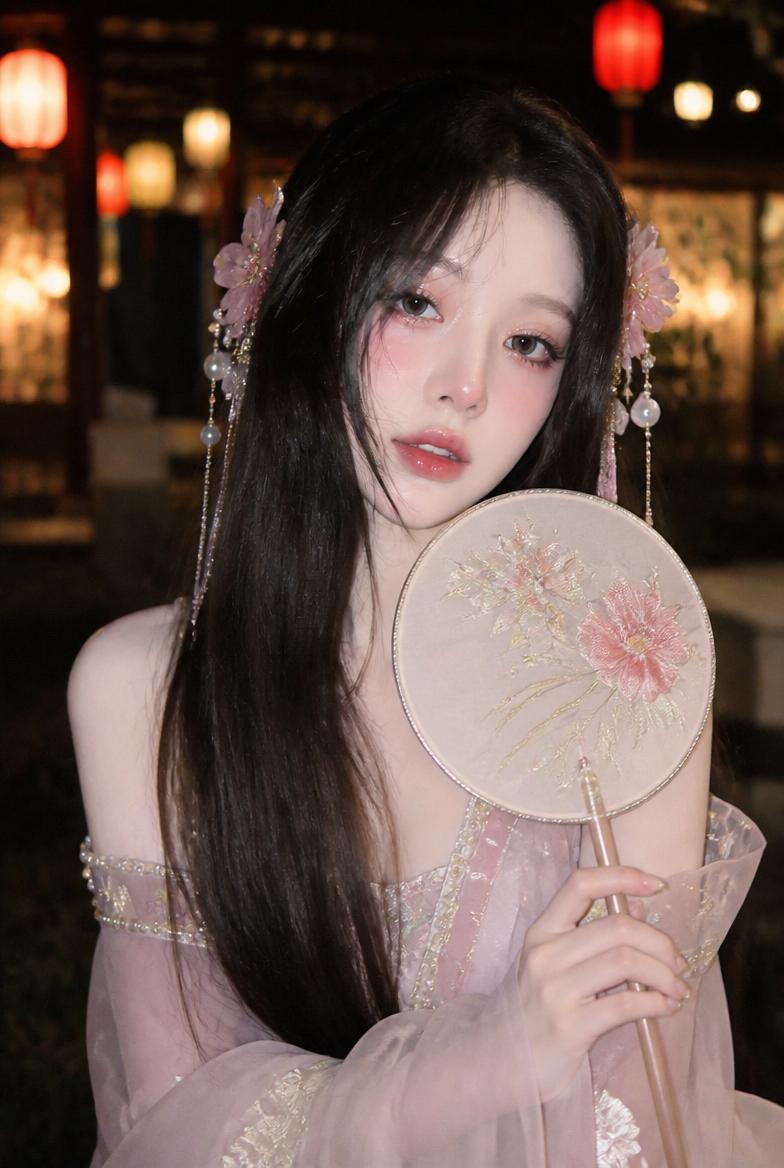
Japan Aesthetic
Explore AI prompts designed to capture the unique, serene, and poetic visual style of Japanese aesthetics.
2026.07.04
Make “Japan Aesthetic” exactly the way you wantCreate your own “Japan Aesthetic”
Just ask in plain language — Carat generates optimized images and videos for you.

Start now with 100 free credits daily
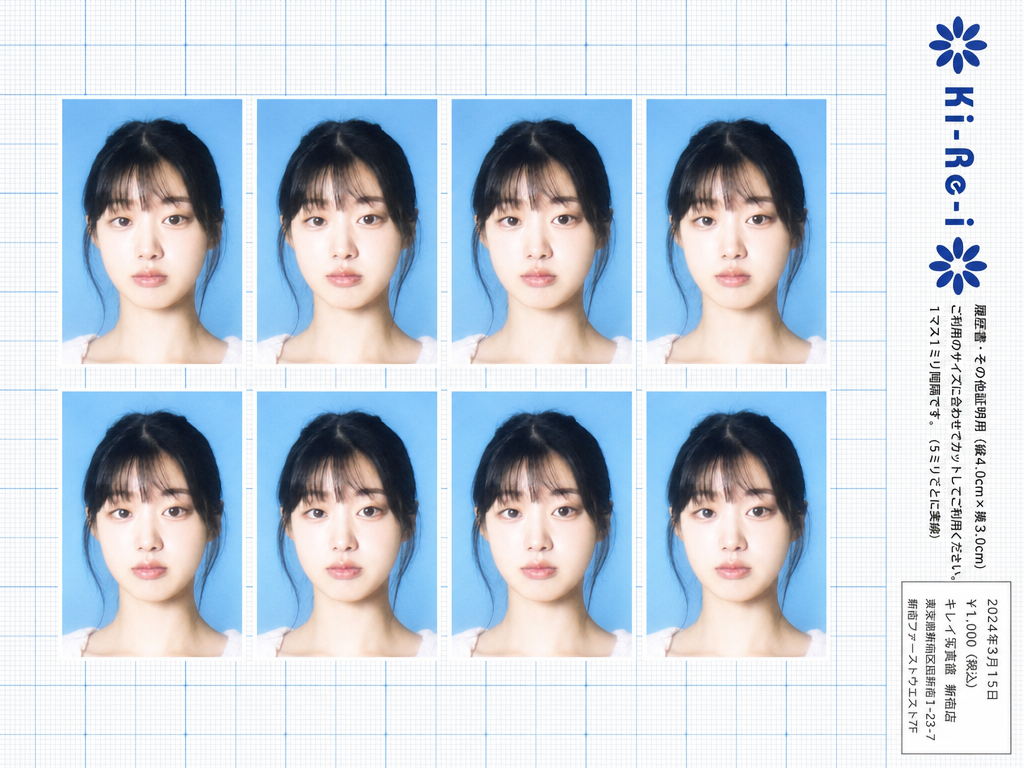
Ki-Re-i ID Photo Sheet
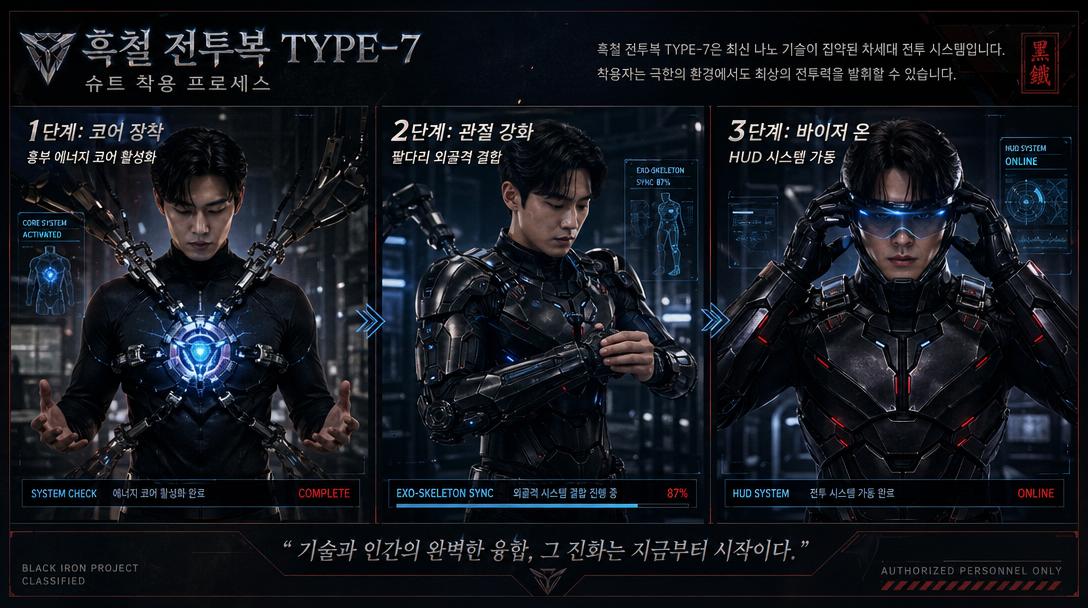
{"type":"Korean Sci-fi Armor Suit-up Process Infographic"
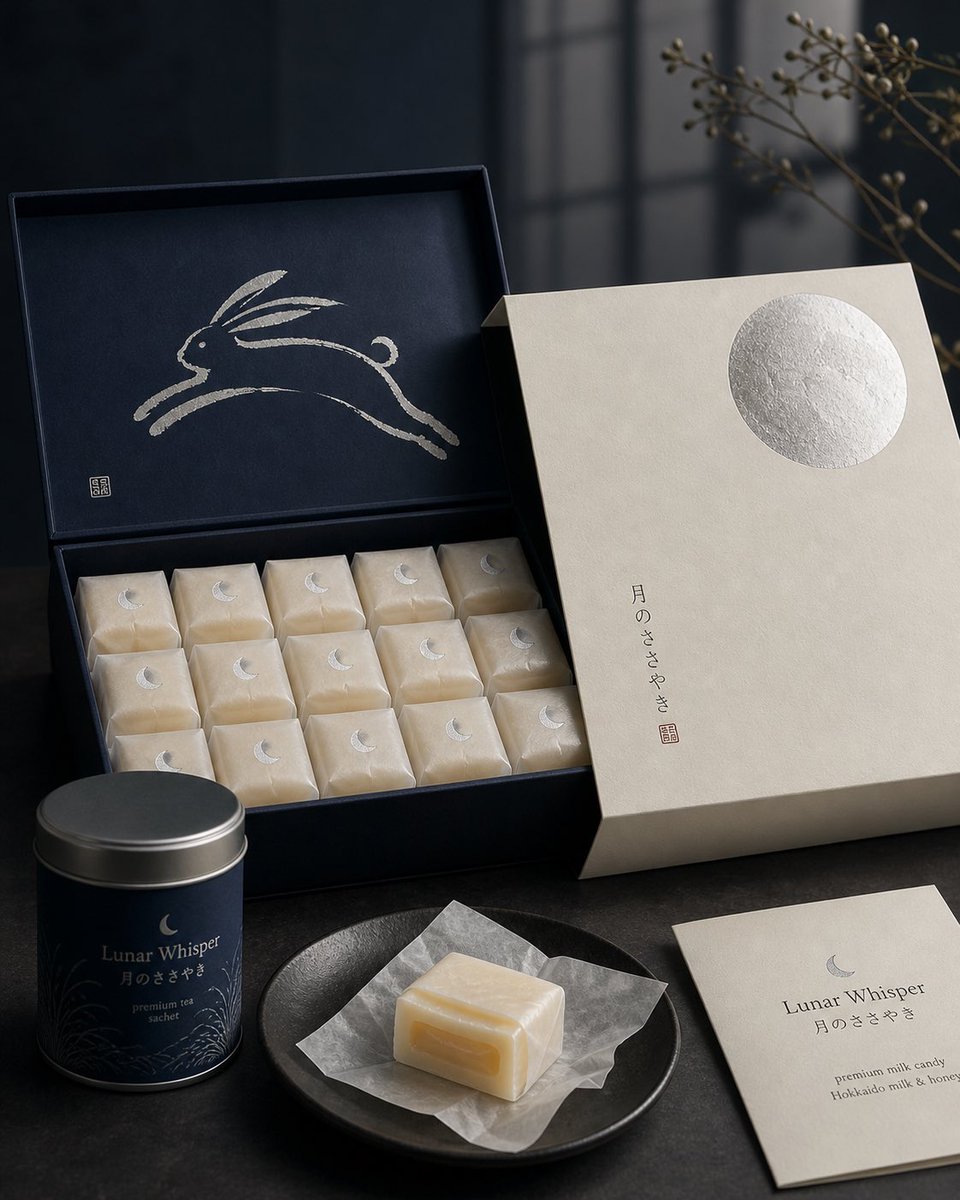
Japanese Confectionery Packaging

Minecraft Screenshot Image of Exploring a Mysterious Pre-war Japanese Research Laboratory
Smoke Monster in an Edo Street
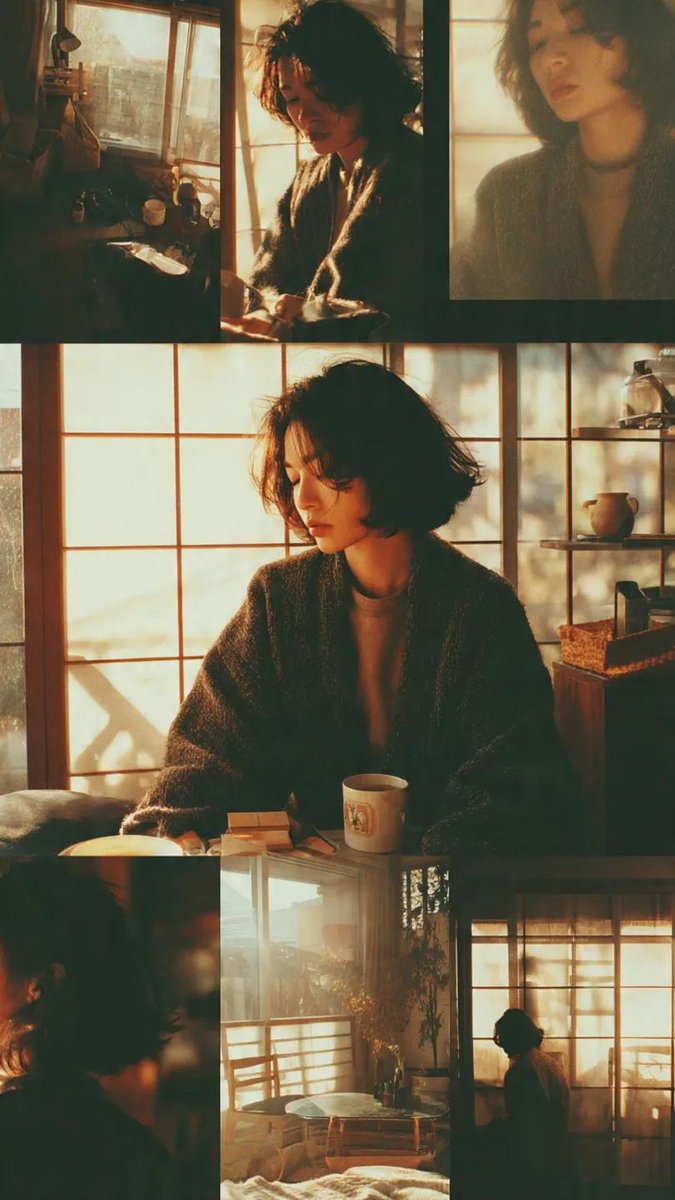
Japanese Morning Lifestyle Photo Collage
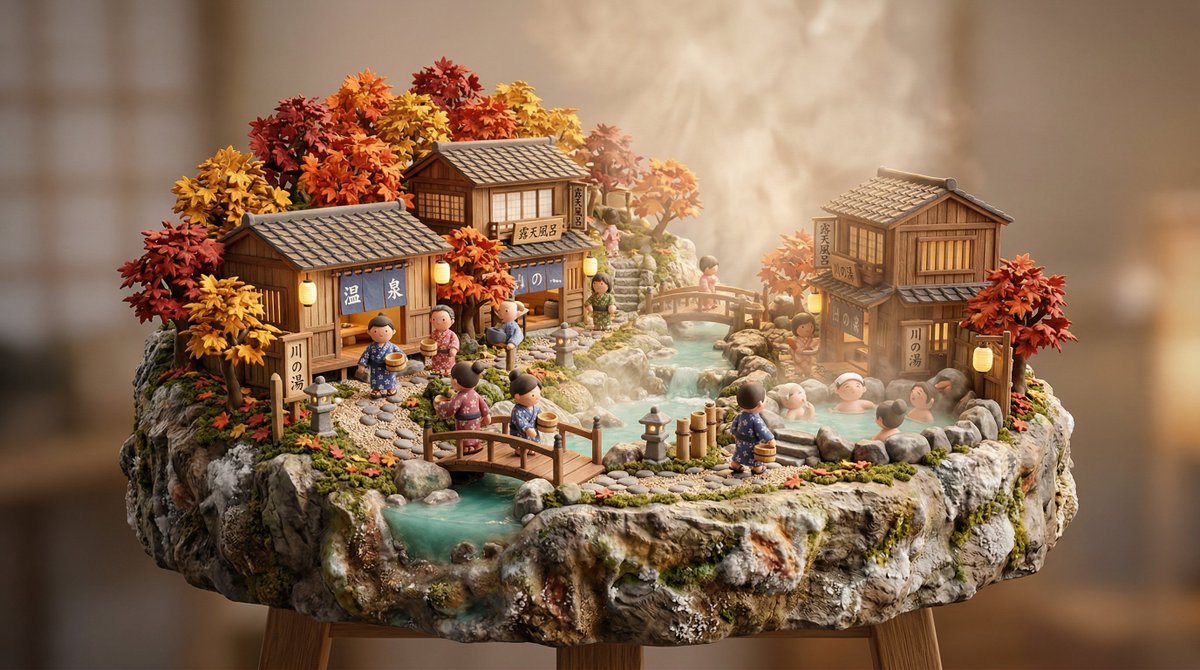
Japanese Onsen Village Miniature

Japanese Beauty Editorial Collage
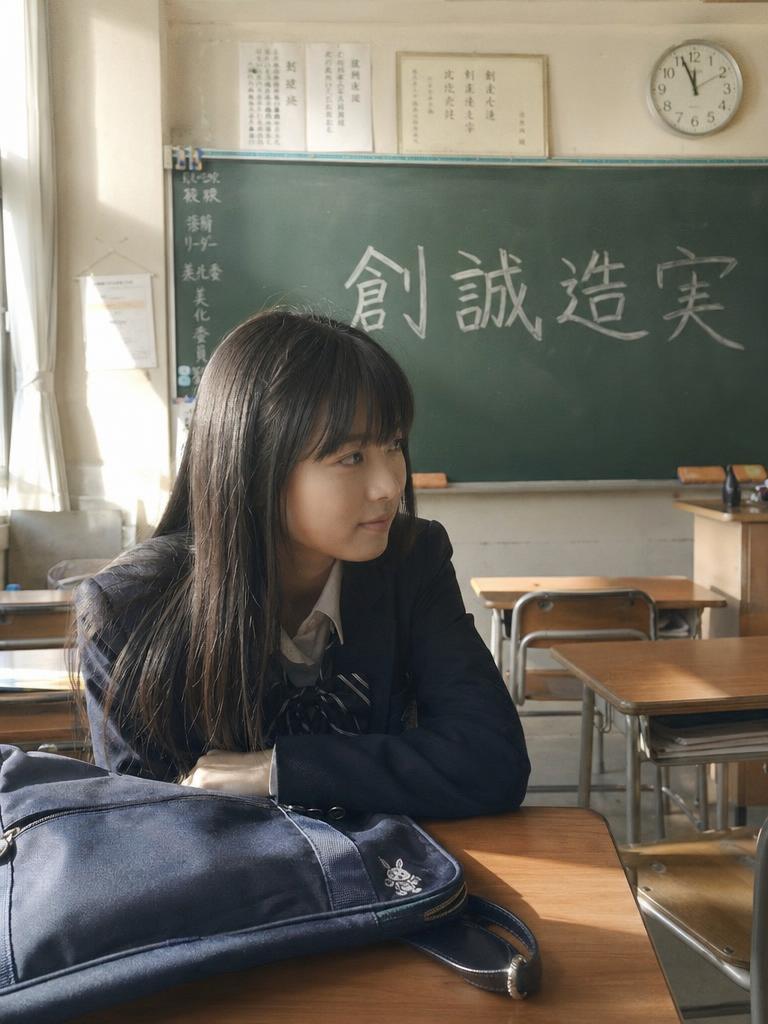
Candid Photorealistic Japanese High School Classroom Scene
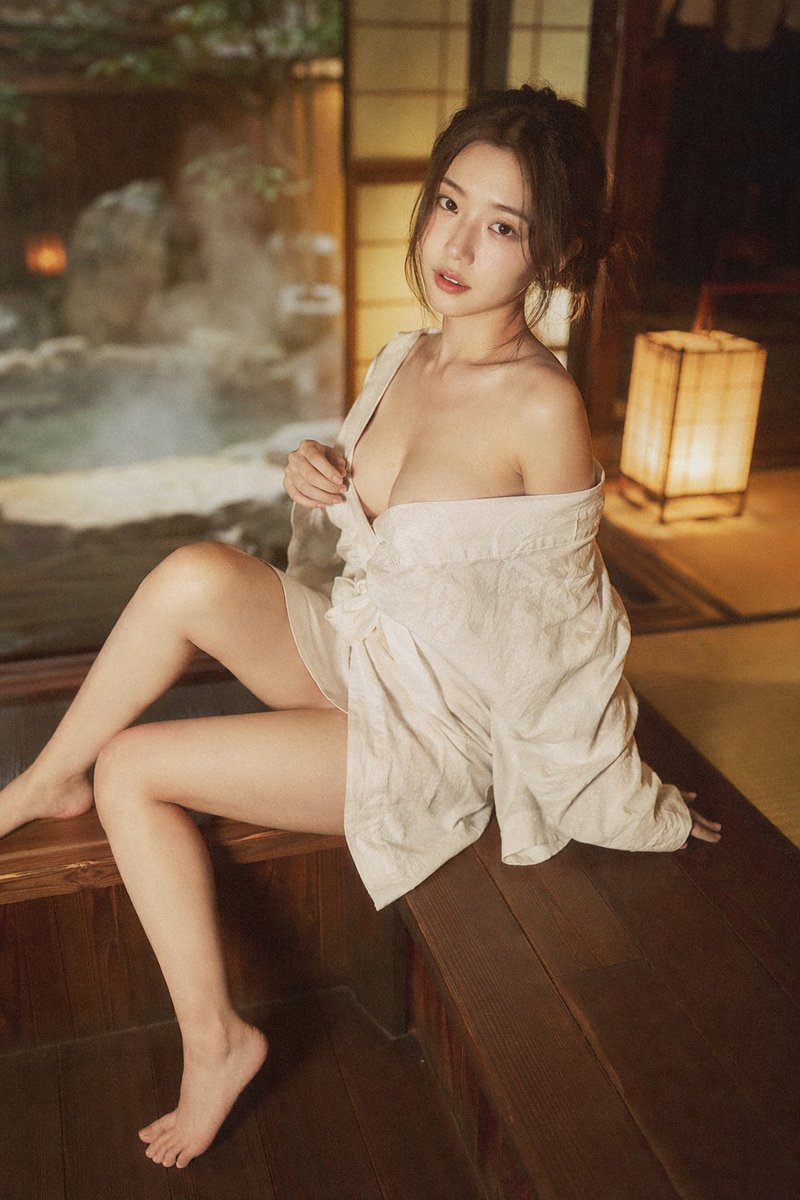
Japanese Onsen Ryokan Portrait
Room 479 Japanese Hotel Ghost Story

Bold Korean YouTube Thumbnail About AI Model Competition 2025, 16:9
What Are Japan Aesthetic AI Prompts?
Japan Aesthetic AI Prompts are specialized sets of instructions that guide artificial intelligence to recreate the distinct visual language associated with Japanese culture and modern daily life. This aesthetic is often characterized by its focus on 'Ma' (negative space), soft natural lighting, muted yet evocative color palettes, and a profound appreciation for the ephemeral beauty of the everyday. These prompts encapsulate everything from the crystal-clear 'Showa-era' nostalgia and the minimalist serenity of Zen-inspired interiors to the vibrant and playful 'Kawaii' street culture. By using these prompts, creators can generate images that evoke a sense of calm, purity, and quiet emotion, much like a frame from a Japanese independent film or a contemporary photography essay. They go beyond mere representation, aiming to capture the 'mood'-whether that's the breezy freshness of a seaside town in summer or the cozy, dimly lit atmosphere of a traditional wooden machiya in Kyoto.
Best Use Cases
The Japan Aesthetic tag is incredibly versatile, making it a favorite for creators who want to infuse their digital presence with a sense of peace and refinement. It is frequently used by social media influencers and bloggers to create a cohesive and calming aesthetic for their feeds, particularly on visual platforms like Instagram. Graphic designers find these prompts useful for creating serene album covers, book jackets, or branding materials for lifestyle and wellness brands that prioritize a minimalist approach. It is also an excellent tool for conceptualizing 'Kawaii' product packaging or character designs that need to appeal to fans of Japanese pop culture. In the realm of digital planning and journaling, these prompts provide a wealth of beautiful assets, such as stickers and backgrounds, that make everyday tracking feel like a work of art. Furthermore, architects and interior designers can use them to visualize modern Japanese-inspired spaces that balance tradition with contemporary functionality.
Why This Tag Works
The Japan Aesthetic tag works because it identifies and replicates the subtle nuances that make Japanese visuals so recognizable and beloved worldwide. It understands that 'less is more,' prioritizing clean lines and carefully balanced compositions over cluttered or overly saturated imagery. The prompts are fine-tuned to handle specific lighting conditions, such as the soft diffusion of light through paper shoji screens or the sharp, bright clarity of a summer morning in Tokyo. This precision allows users to achieve a high degree of stylistic consistency, which is essential for brand building and professional storytelling. By tapping into a global fascination with Japanese culture, this tag also helps content resonate with a wide audience that associates this aesthetic with quality, mindfulness, and timeless style. It provides a shortcut to a sophisticated visual language that usually takes years of photographic study to master.
Explore Related Prompts
To further immerse yourself in the diverse world of Japanese-inspired visuals, we recommend checking out these related categories. Japanese Photo Booth offers a fun and unique take on portraiture, while the Kawaii tag focuses on the adorable and colorful side of pop culture. For a trip down memory lane, the Retro tag captures the essence of 80s and 90s Japan. If you are interested in the clean lines of Japanese graphic arts, Package Design and Editorial are must-visits. For lifestyle inspiration, the Fashion Photo and Cafe Photo tags provide beautiful references to the trendy streets and cozy corners of modern Japan. Each of these categories offers a unique lens through which to view and create Japanese-themed content.
Prompt Building Tips
Creating the perfect Japanese aesthetic requires a focus on 'Harmony' and 'Light'. Start with a base of 'Minimalism' and 'Natural light'. Use keywords like 'Muted color palette', 'Soft shadows', and 'Candid moment' to keep the vibe grounded and authentic. To lean into the 'Showa' or 'Heisei' nostalgia, add technical film cues like 'Shot on 35mm film', 'Kodak Portra style', and 'Subtle film grain'. If you want to emphasize a specific setting, include iconic Japanese elements like 'Convenience store glowing at night', 'Cherry blossom petals falling in a park', or 'Torii gate by the sea'. Avoid overly dramatic or high-contrast settings unless you are specifically aiming for a 'Cyberpunk' look. Instead, aim for 'Soft focus' and 'Ethereal atmosphere' to maintain that signature poetic quality. Mentioning specific seasons, like 'Late autumn in Japan' or 'Drizzly rainy season (Tsuyu)', can also add a layer of sensory detail that makes the image feel much more alive and relatable.