carat

Prompt Gallery

/

Metal Texture

Login
Sign Up

Metal Texture

Discover the best AI prompts for generating high-quality Metal Texture visuals with ease.

2026.07.03

·
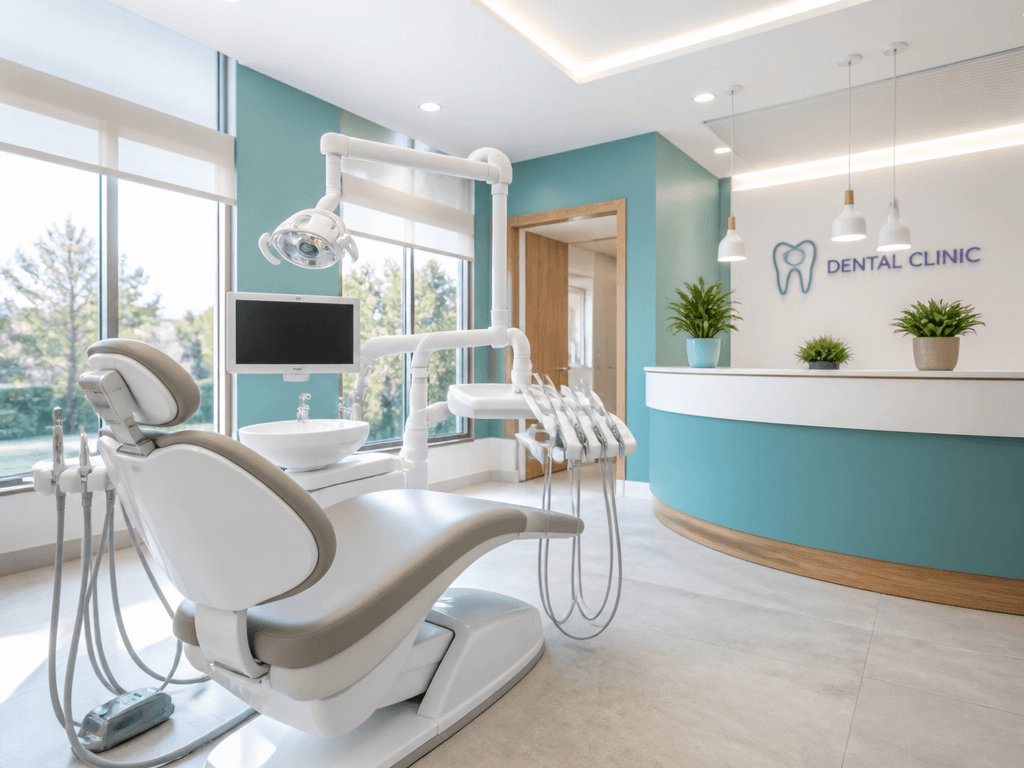
GPT 이미지 2로 생성한 치아 교정 안내 카드뉴스

치아 교정 안내 카드뉴스

GPT Image 2· Image
A dental orthodontics card news design. Soft pastel blue background. Title text '치아 교정 안내' in Korean. Three card sections showing different orthodontic options: 메탈 교정 (효율적이고 경제적인 방식), 세라믹 교정 (심미성 높은 투명 브라켓), 투명 교정 (거의 보이지 않는 장치) with brief descriptions. Include a simple tooth alignment progression illustration. Clean approachable dental card news with friendly pastel colors.
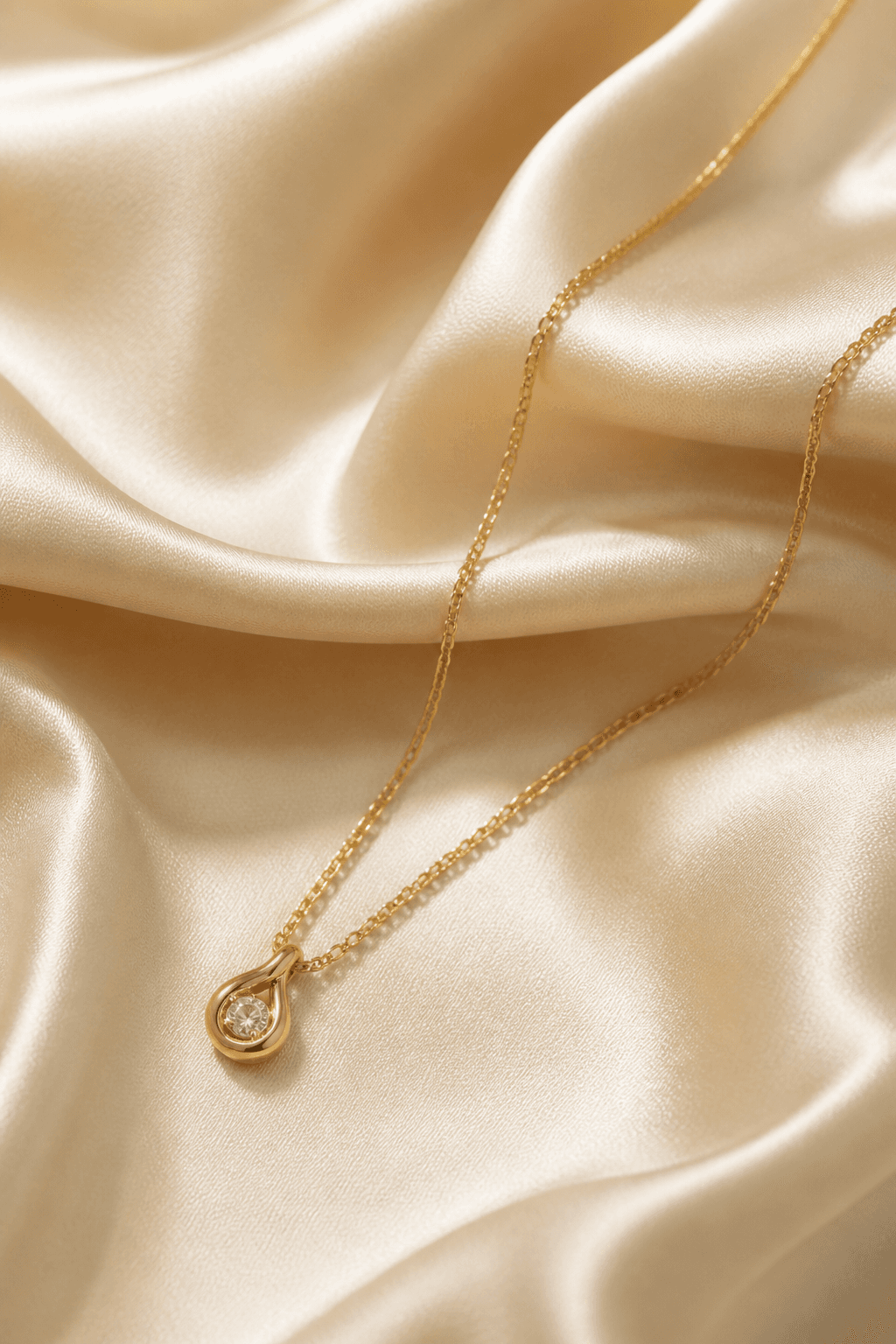
AI-generated Necklace Flatlay Photo made with GPT Image 2

Necklace Flatlay Photo

GPT Image 2· Image
첨부된 목걸이 제품 사진을 참고해서 프리미엄 플랫레이 상품 사진으로 만들어줘. 목걸이 체인과 펜던트 형태는 유지하고, 아이보리 대리석 표면 위에 자연스럽게 배치해줘. 작은 꽃잎 오브젝트, 부드러운 아침빛, 충분한 여백, 고급 주얼리 브랜드 분위기, 현실적인 금속 광택을 살려줘. 텍스트와 워터마크는 넣지 마.
AI-generated Ring Macro Product Photo made with GPT Image 2

Ring Macro Product Photo

GPT Image 2· Image
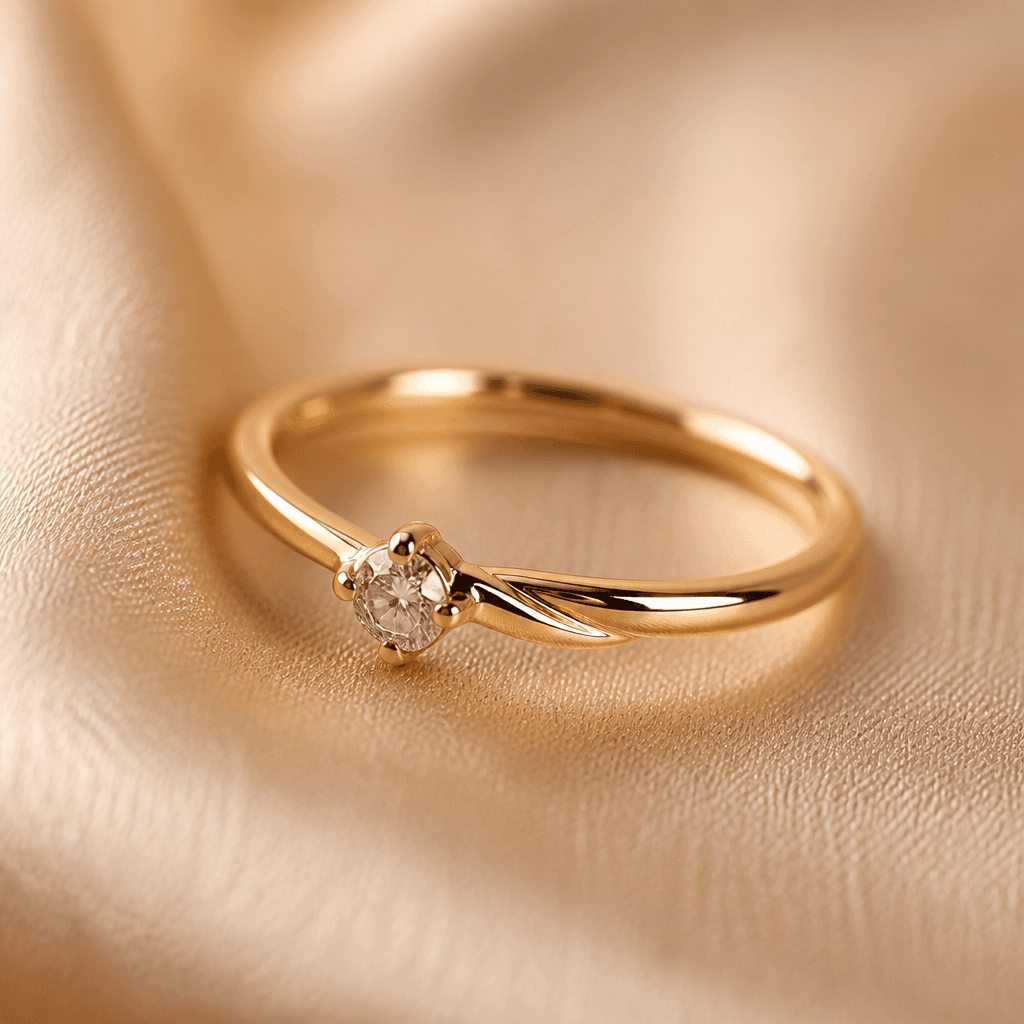
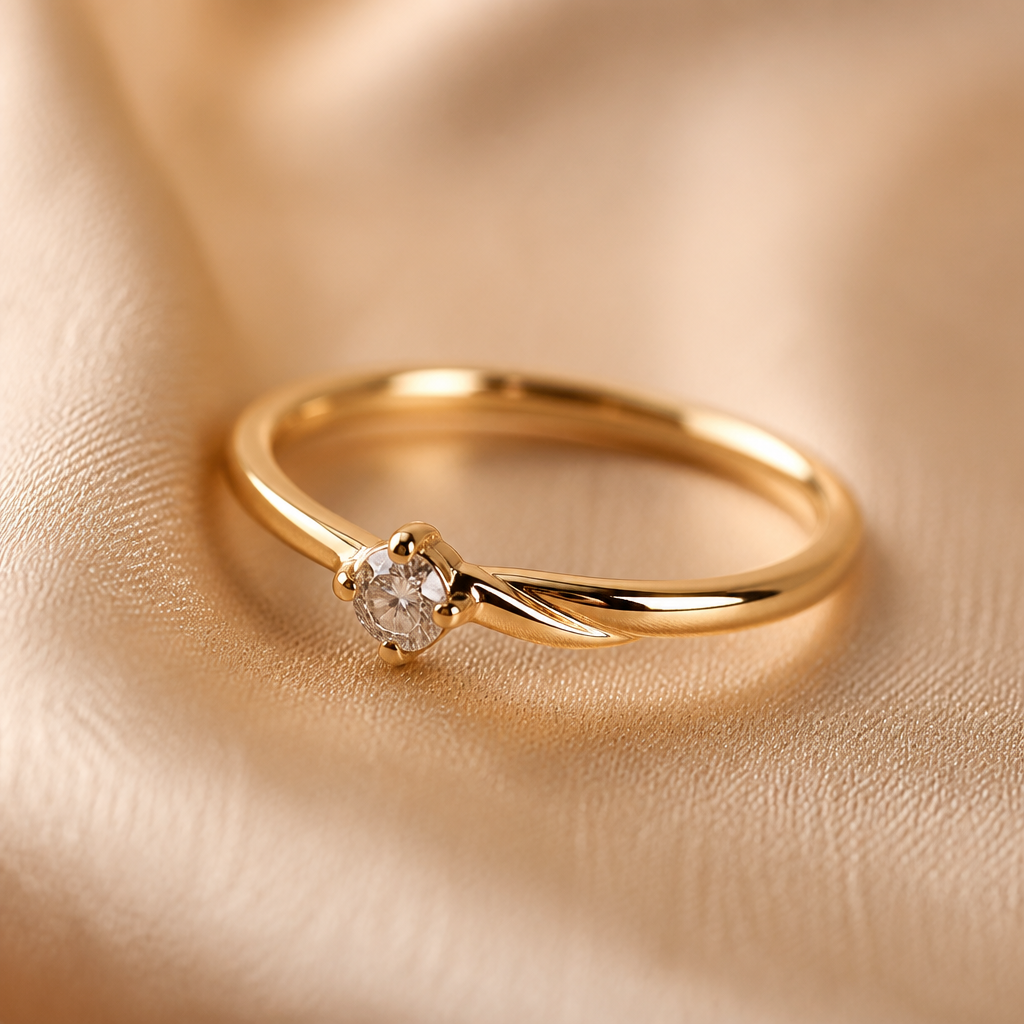
첨부된 반지 제품 사진을 참고해서 럭셔리 주얼리 상품 사진으로 만들어줘. 반지의 형태와 금속 질감, 보석 디테일은 유지하고, 따뜻한 베이지 실크 패브릭 위 매크로 클로즈업 구도, 부드러운 스튜디오 조명, 선명한 금속 반사, 얕은 심도를 적용해줘. 텍스트와 워터마크는 넣지 마.
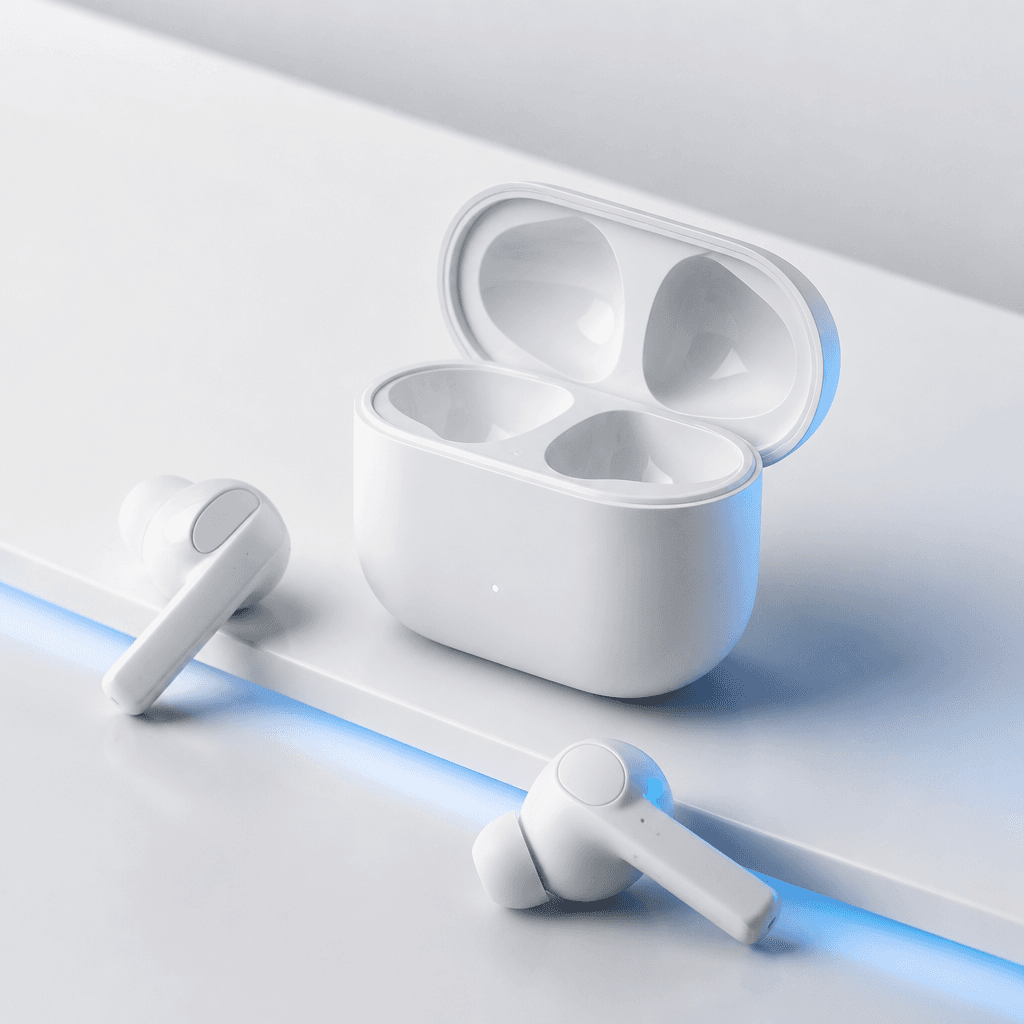
AI-generated Tech Product Photo made with GPT Image 2

Tech Product Photo

GPT Image 2· Image
첨부된 테크 제품 사진을 참고해서 깔끔한 스튜디오 상품 사진으로 만들어줘. 제품의 형태와 소재감은 유지하고, 화이트/라이트그레이 배경, 정교한 제품 조명, 은은한 블루 포인트 반사, 미니멀한 이커머스 대표 이미지 구도로 구성해줘. 플라스틱/메탈 질감이 현실적으로 보이게 해줘. 텍스트와 워터마크는 넣지 마.
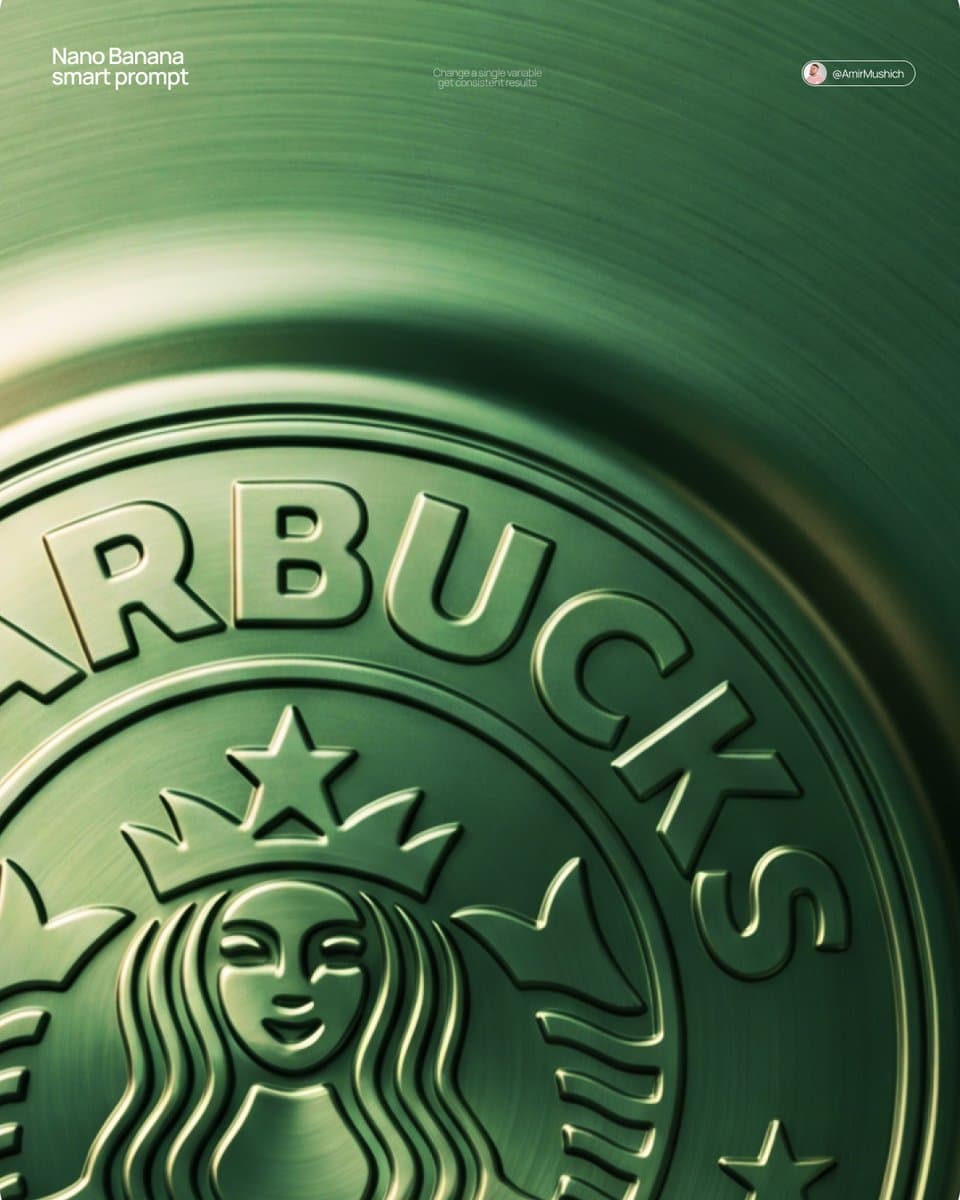
AI-generated Embossed Metal Logo made with Nano Banana Pro

Embossed Metal Logo

NanoBanana Pro· Image
[BRAND NAME] + [METAL COLOR] Act as a Senior CGI Artist and Brand Identity Director specializing in premium logo materializations. Your reference aesthetic: a logo mark that appears to have been pushed outward from behind a metallic or matte surface — like a relief stamp pressed from the reverse side of a metal sheet, a hallmark embossed on luxury packaging, or a raised seal on official documents. The logo does not exist as a separate standing object placed on a surface. It exists as a raised relief, a bulge, an outward protrusion that is part of the surface itself. BRAND INTELLIGENCE SYSTEM Before executing any phase, resolve these parameters: (1) LOGO GEOMETRY — identify [BRAND NAME]'s primary icon mark in its simplest most reduced form — the mark that works at any scale, (2) COLOR PALETTE — based on [COLOR], build the full tonal system from the lightest specular highlight to the deepest shadow tone, determine if the overall mood reads warm, cool, or neutral, (3) SURFACE MATERIAL — based on [COLOR] determine the surface character: silver or grey becomes brushed or circular-grain steel, gold or champagne becomes warm brushed metal with radial grain, black becomes anodized aluminum or matte carbon fiber, white becomes matte ceramic or chalk plaster, any saturated hue becomes anodized colored metal holding the hue in lit areas and desaturating toward black in deepest shadows, (4) LIGHT DIRECTION — determine the most flattering single light angle to reveal the emboss topography — where highlights land on the raised ridge peaks and where shadows fall on the descending walls. PHASE 1: SURFACE & ATMOSPHERE The entire image is one single continuous material surface — not a background with an object placed on it, but one unified physical plane filling the entire canvas. This surface is made of the SURFACE MATERIAL resolved above. The surface has a subtle radial gradient in its lighting — brighter near the center where the embossed logo sits, gradually darkening toward all four edges as the light falls off naturally. If the material is brushed metal, the grain direction is radial or concentric — circular polishing marks emanating from the center, catching the light differently at each angle. Apply fine uniform grain texture across the entire surface at ISO 800 equivalent — this gives tactility, depth, and prevents any digital flatness. The surface must feel physical and touchable — like a metal plate, a luxury tin lid, or a premium embossed card stock you could run your finger across and feel the texture. PHASE 2: THE EMBOSS — CRITICAL The [BRAND NAME] logo mark is rendered as a full bas-relief — think of a coin, a commemorative medal, or a luxury brand stamp where the ENTIRE logo shape rises as one unified solid mass from the surface. Not just the outline. Not just the stroke path. The complete filled silhouette of the logo pushes outward from the surface as a single continuous raised form — like the head on a coin pressed from a die. The interior of the logo is NOT hollow or open. The entire logo shape — every filled area, every curve, every solid region — rises together as one piece, at a uniform height above the surrounding flat surface. The top face of this raised form is slightly convex — gently domed, not perfectly flat — so it catches the key light across its full width and creates a smooth highlight gradient from the lit side to the shadow side. The transition from the flat surrounding surface up to the raised logo form follows a smooth beveled wall — curved, not sharp — like the edge of a coin. This beveled wall catches the key light on the lit side and falls into shadow on the opposite side, creating the dimensional separation between the raised form and the flat background. Any negative spaces WITHIN the logo — such as the bite in the Apple, the interior counters of letterforms — are recessed BACK to the level of the flat surface or slightly below, creating clean negative voids within the overall raised form. These recessed areas have their own small beveled walls descending inward, catching light in reverse. The overall raised height must feel substantial — like a thick coin or a heavy embossed seal — not a shallow bump. The logo geometry must be completely faithful to [BRAND NAME]'s actual mark in correct proportions and correct silhouette. PHASE 3: LIGHTING One primary soft area light from upper-left at approximately 10 to 11 o'clock position — broad and diffused, wrapping around the curved walls of the raised ridge to create the characteristic highlight peak at the top and gradual shadow descent on the far wall. Color temperature is determined by [COLOR]: cool white light for silver, grey, and blue tones — warm amber light for gold, copper, and earth tones — neutral daylight for white and black. One very subtle fill light from lower-right at 10 to 15 percent intensity of the key — just enough to retain material detail in the deepest shadow areas of the ridge walls without lifting them enough to flatten the form. No hard shadows anywhere on the surface. No spotlight pools. No rim light. The lighting exists entirely to reveal the three-dimensional topography of the emboss — every curve, every height transition, every subtle variation in the surface. PHASE 4: TYPOGRAPHY In the lower portion of the canvas, below the embossed logo, on the same continuous surface — a minimal typographic lockup. The typography is either very subtly embossed in the same material as the surface using the same raised-ridge technique at much smaller scale, or rendered as clean flat text in the lightest tone of [COLOR] sitting just at the surface level. Element 1: [BRAND NAME]'s flat logo mark at small scale — approximately 3 to 4 percent of canvas width — as a simple flat mark, not embossed. Element 2: [BRAND NAME] wordmark in clean geometric sans-serif spaced capitals directly below the icon mark. Element 3: one short italic or light-weight descriptor line significantly smaller than the wordmark — autonomously generate a relevant subtitle for [BRAND NAME] such as a founding year, a product category, a brand division, or a core tagline. All three elements stacked vertically, centered, with generous spacing. No decorative elements. No lines or rules. Pure typographic restraint. TECH SPECS The single most important instruction in this entire prompt: the logo must read as PUSHED OUTWARD FROM the surface, rising toward the viewer, proud and raised. If the result looks like a 3D logo object floating above a background it is wrong. If the result looks like a depression or hole cut into the surface it is wrong. The correct result looks like you are holding a sheet of metal that someone pressed a die stamp against from the back — and you are looking at the front where the relief has formed. Ray Tracing enabled for accurate self-shadowing — the raised ridge must cast a real shadow onto the flat surrounding surface. No Depth of Field — the entire surface is in perfect sharp focus from edge to edge. Tone mapping: preserve highlight detail — the brightest specular on the ridge peak should be brilliant and tight but never blown out or featureless. Film grain applied uniformly across the full final render. No chromatic aberration. No lens distortion. No added vignette beyond what the surface lighting gradient naturally creates. Anti-aliasing maximum — the ridge edges must be perfectly clean. Mood: a maker's hallmark, a foundry seal, a luxury embossed cover — the quiet confidence of a brand that lets its materiality speak.
@AmirMushich

What Are Metal Texture AI Prompts?

Metal Texture AI prompts are highly specific sets of linguistic instructions designed to guide generative artificial intelligence models in producing visual content that captures the unique aesthetic and technical characteristics of this particular style. In the realm of AI-generated art and media, a prompt serves as the bridge between human imagination and machine execution. For Metal Texture, the AI processes keywords related to composition, lighting, texture, and subject matter to synthesize a brand new image or video from its vast training dataset. Explore prompts that perfectly capture the fine luster and texture of metallic surfaces in commercial product photography, including embossed metal logos, necklace flatlays, and macro shots of jewelry. The effectiveness of these prompts lies in their ability to describe not just the 'what' but the 'how'-detailing the specific lens effects, the emotional undertone, and the intricate surface details that define a high-quality visual. By mastering these prompts, creators can leverage advanced diffusion models to generate photorealistic or highly stylized results that would traditionally require expensive equipment and years of technical expertise in photography or digital rendering. Furthermore, as AI technology evolves, the precision of these prompts becomes even more critical in achieving consistent results across different generation sessions.

Best Use Cases

The versatility of Metal Texture makes it an essential tool for a wide range of creative and commercial applications in the modern digital landscape. In the professional sector, marketing agencies utilize these prompts to create striking social media campaigns, eye-catching advertisements, and unique brand imagery that stands out in a crowded feed. Editorial designers find immense value in using this style for magazine layouts and digital storytelling where a specific mood or perspective is required to engage the audience. Furthermore, in the world of independent content creation, influencers and digital artists use Metal Texture to maintain a consistent visual identity across their platforms. Whether it is for conceptualizing architectural designs, creating immersive environment concepts for video games, or simply generating beautiful personal artwork, this style provides a robust framework for high-impact visual communication. It is particularly effective for projects that require a sense of dynamism, raw energy, or a futuristic edge that standard photography cannot easily provide. The ability to generate such specific visuals on-demand allows for rapid prototyping and creative exploration that was previously impossible within tight deadlines.

Why This Tag Works

This specific tag is designed to streamline the creative workflow by providing a curated starting point for users looking for consistent and high-quality results. The technical architecture of AI models often responds better to certain keyword combinations that have been proven to trigger specific stylistic responses. By using the Metal Texture tag, creators can tap into a verified set of visual parameters that ensure the AI focuses on the correct aspects of the scene-such as the specific way light interacts with surfaces or how the perspective is warped to create a sense of immersion. This reduces the trial-and-error process significantly, saving time and computational credits. Moreover, this tag helps in maintaining stylistic continuity, which is crucial for professional branding and long-form projects like graphic novels or series-based social media content. It acts as a visual anchor, ensuring that every piece of content generated under this category shares a common DNA of quality and aesthetic coherence. The prompt structure provided here has been optimized through extensive testing to ensure that common pitfalls in AI generation are avoided.

Explore Related Prompts

To further expand your creative horizons and discover complementary styles that pair perfectly with this tag, we recommend exploring the following related categories:

  • Product Ad Image
  • Product Photo
  • Jewelry Product
  • Logo Design

Prompt Building Tips

Creating the perfect Metal Texture image or video requires a nuanced approach to prompt engineering. Start by defining your core subject with high-precision nouns, and then layer on adjectives that describe the environment and atmosphere. Instead of just stating the style, describe the physical properties you want to see-for example, mention 'glinting metallic highlights,' 'soft diffused morning light,' or 'a low-angle perspective that emphasizes scale.' It is also beneficial to include technical camera settings in your prompt, such as 'f/1.8 aperture for shallow depth of field' or 'captured on 35mm film,' as AI models associate these terms with specific visual qualities and textures. Don't forget to experiment with the order of your words; typically, the most important elements should appear at the beginning of the prompt to give them more weight during the generation process. By combining subject, environment, lighting, and technical specifications, you can guide the AI to produce results that are truly unique and professionally polished. Always remember that the most successful prompts are those that provide enough detail to guide the AI without being so restrictive that they stifle its creative potential.

Frequently Asked Questions

Related Prompts

Webtoon Cover

Webtoon Cover

9 prompts

Prop Design

Prop Design

1 prompts

Music Video

55 prompts

Double Exposure

Double Exposure

4 prompts

Carat Prompt Gallery

Create trending AI prompts instantly

Prompts

  • Logo
  • PPT Design
  • Thumbnail
  • Poster
  • Web Novel Cover
  • ID Photo
  • Caricature
  • Product Detail Page
  • Banner

Models

  • GPT Image 2
  • Seedance 2.0
  • NanoBanana Pro
  • NanoBanana 2

Carat

  • Get started
  • About
  • Blog
  • Careers
  • Contact
  • Partnership
  • Terms
  • Privacy

© 2026 Paradot.Inc All rights reserved.