Neon Art
Discover the best AI prompts for high-quality Neon Art and create professional designs with ease.
2026.07.04
Make “Neon Art” exactly the way you wantCreate your own “Neon Art”
Just ask in plain language — Carat generates optimized images and videos for you.

Start now with 100 free credits daily
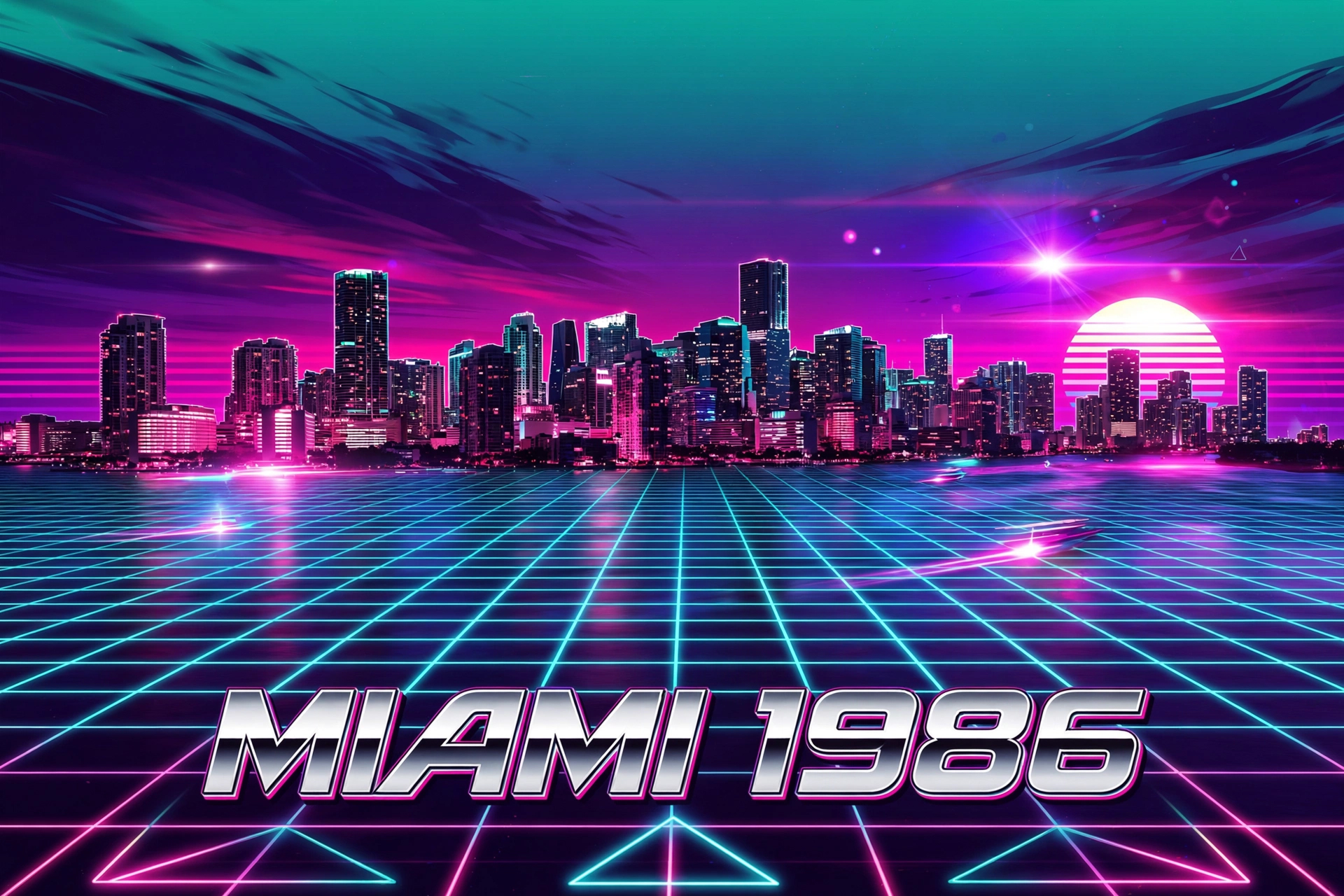
Synthwave City Poster
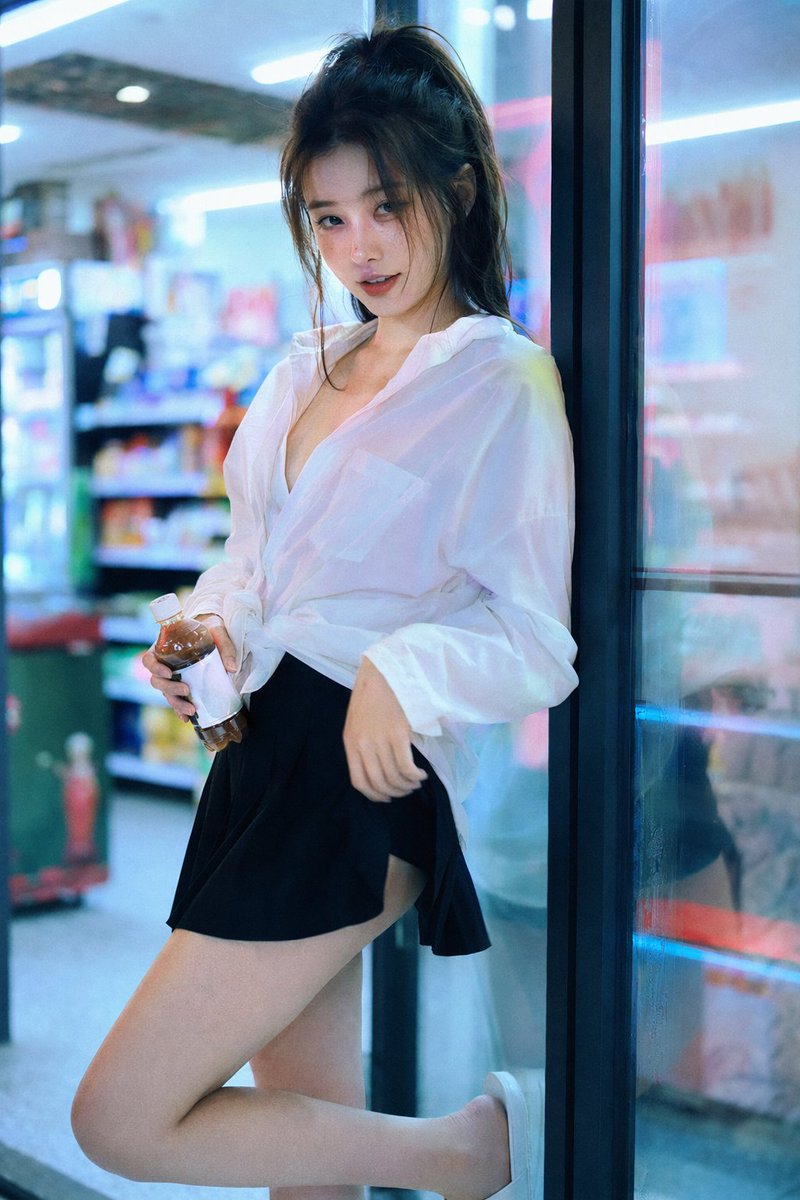
Convenience Store Neon Portrait
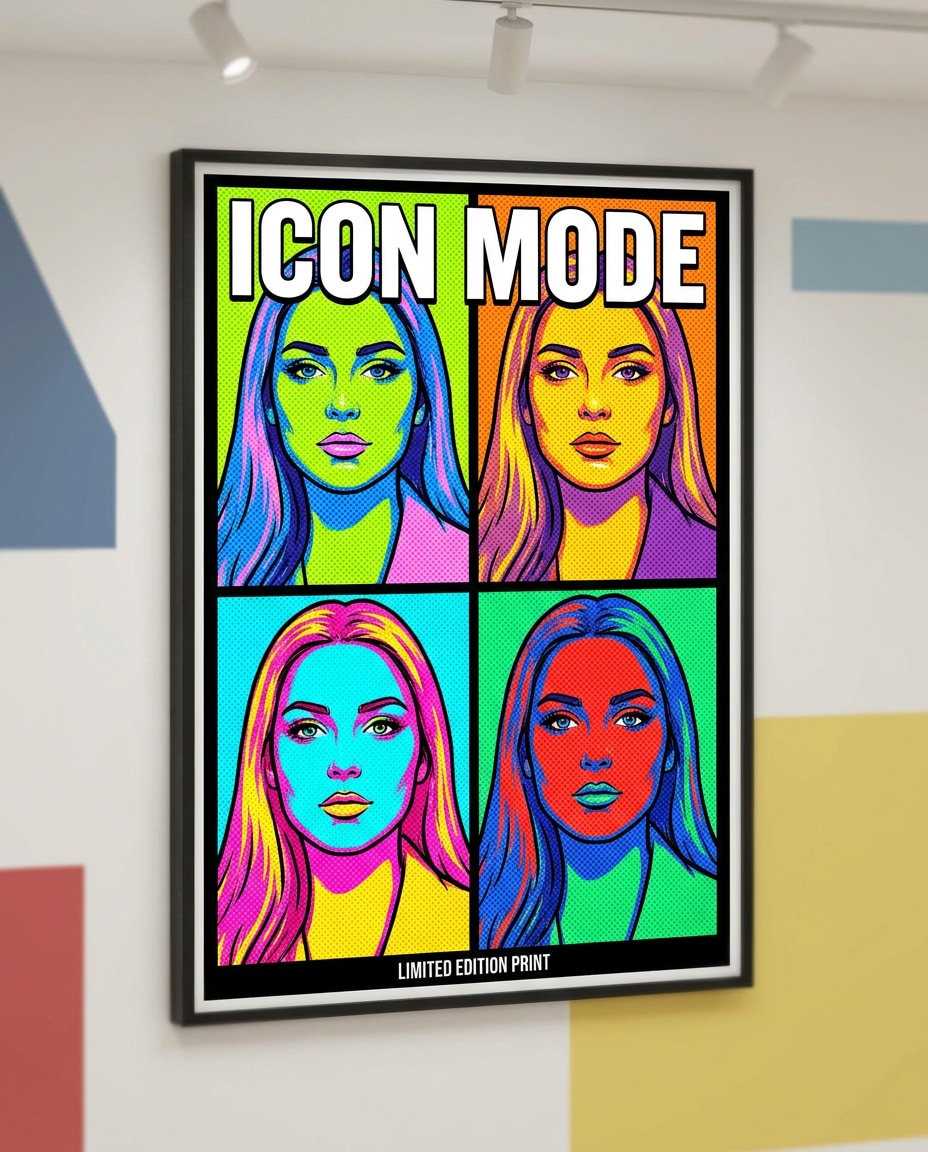
Warhol-Style Four-Panel Pop Art Portrait
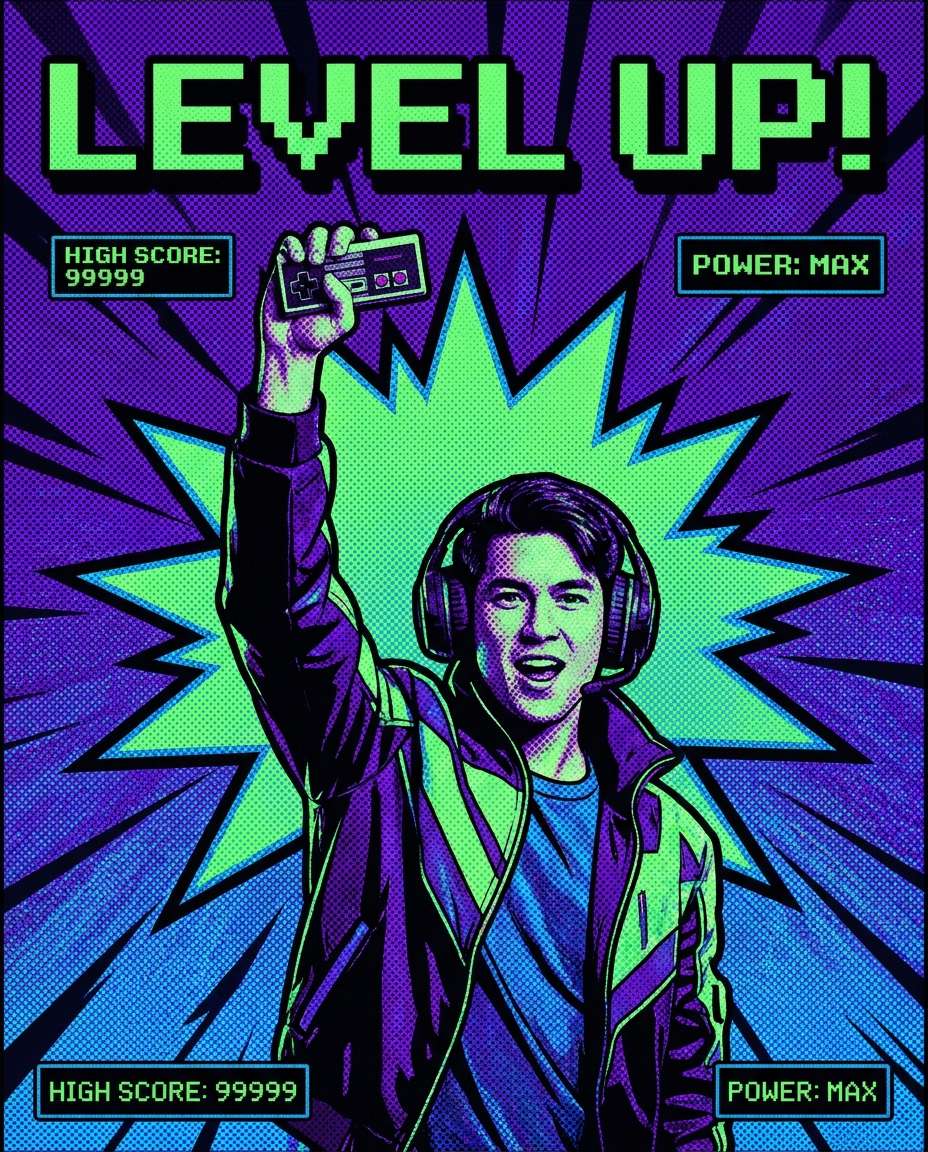
Gamer Victory Screen Poster
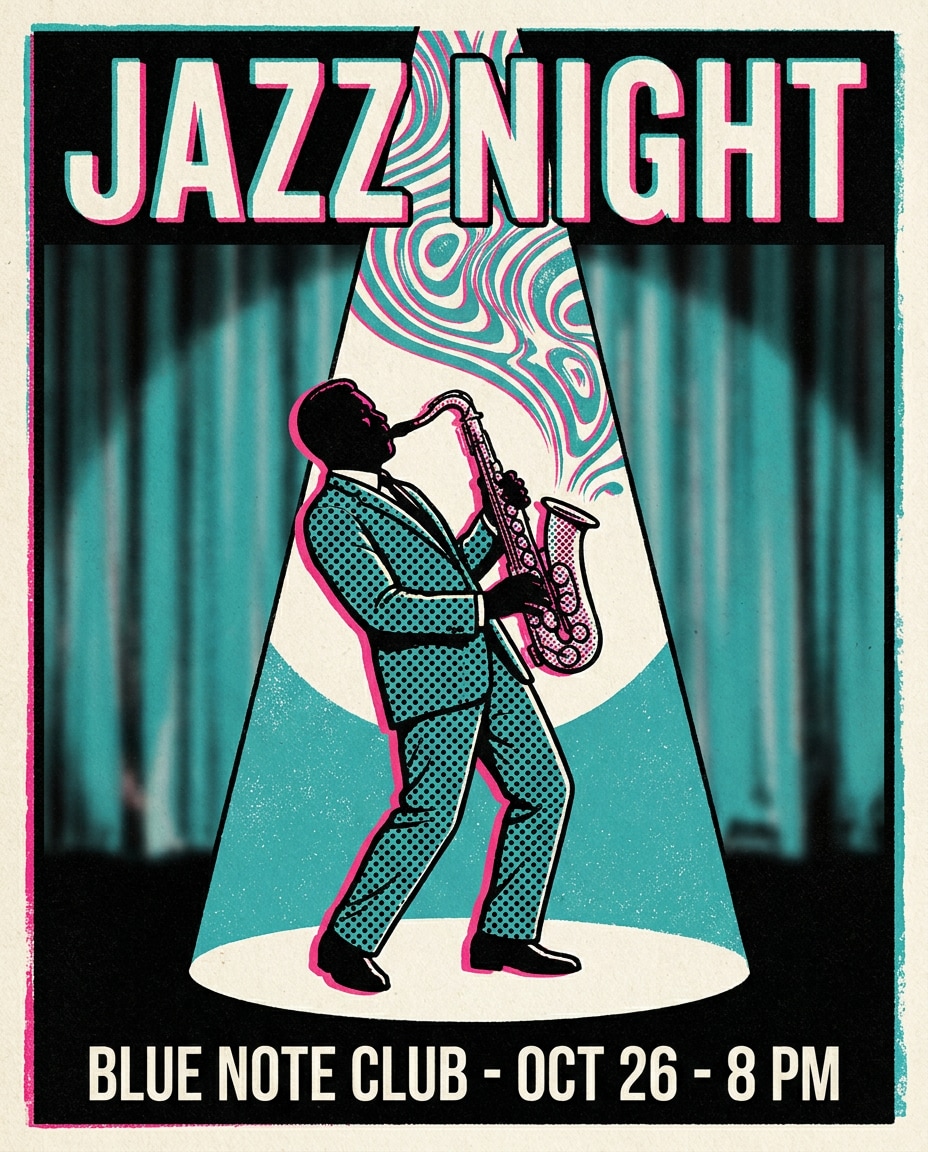
Jazz Club Saxophone Poster
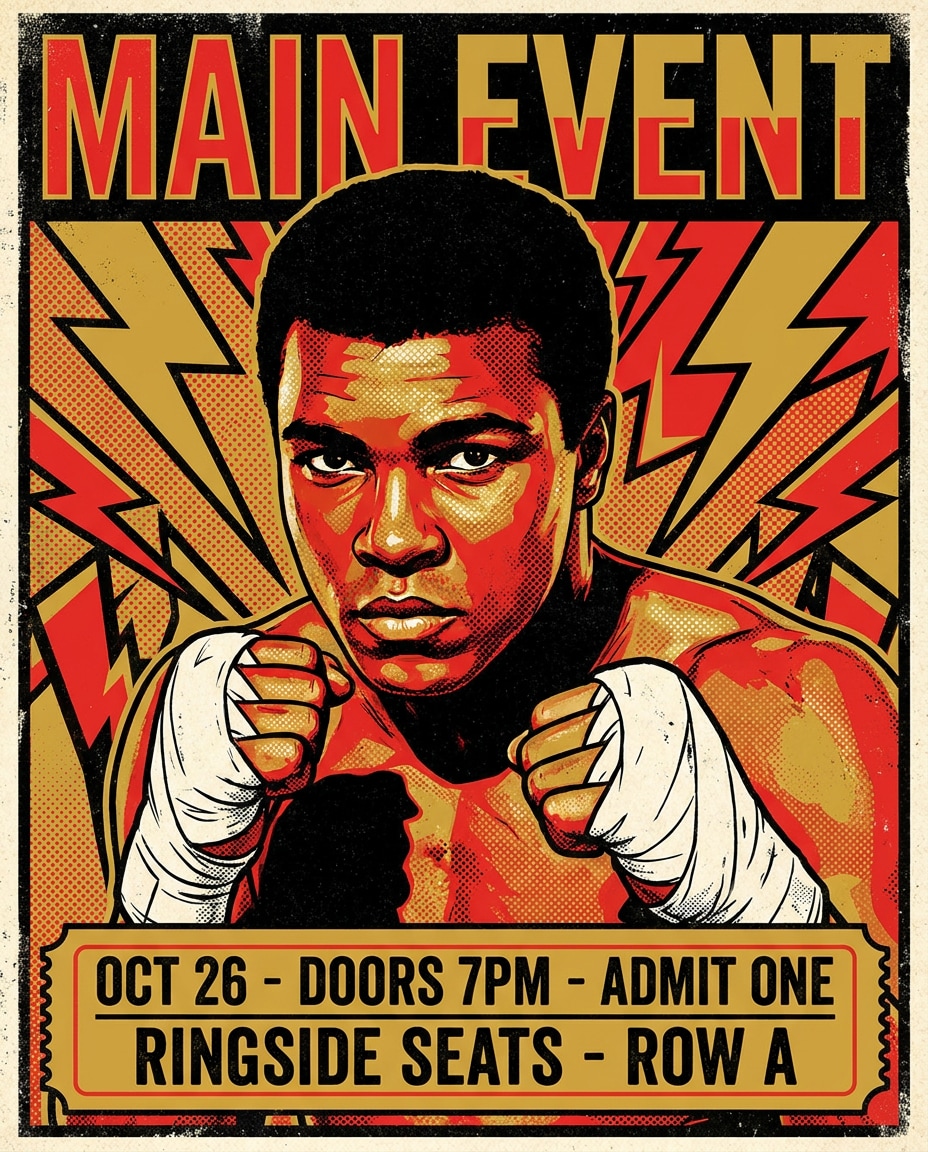
Championship Boxer Pop Art Poster
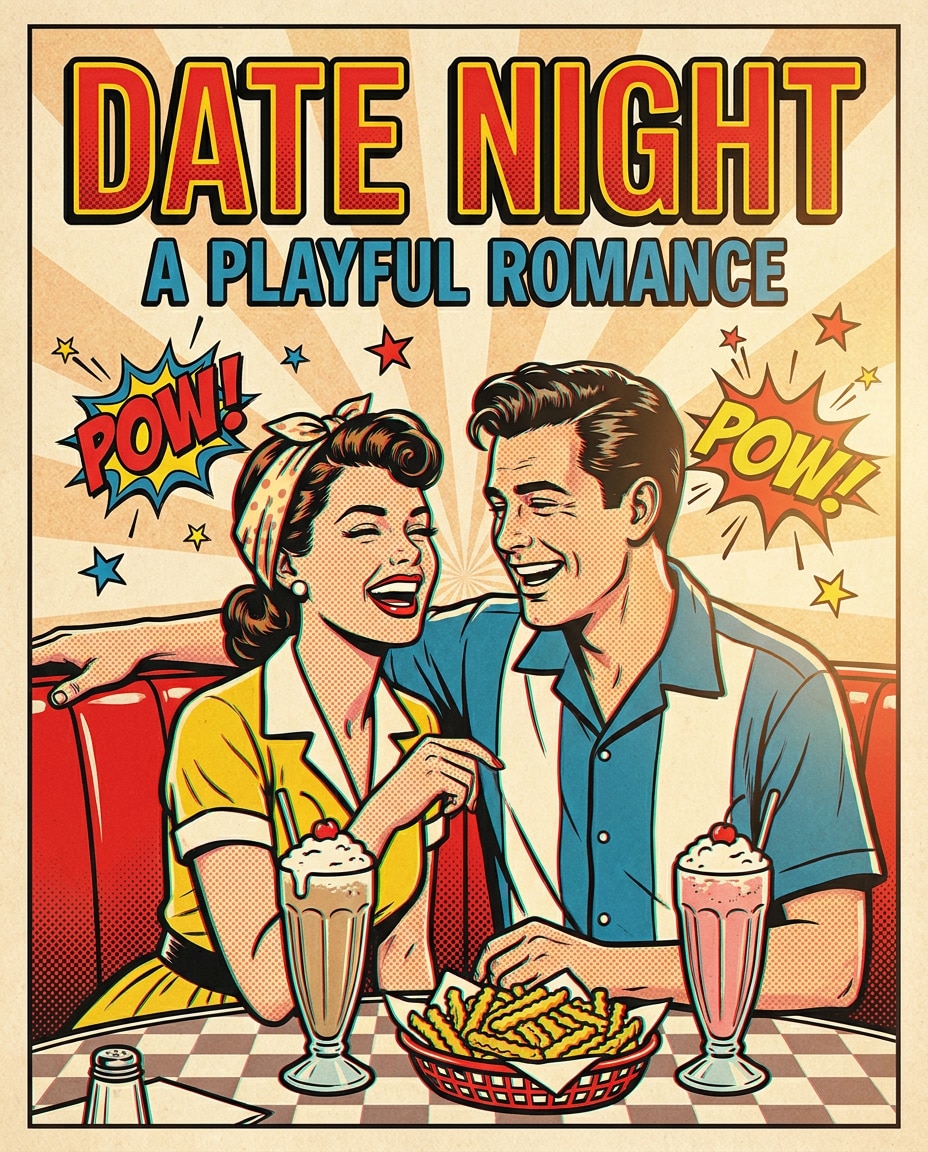
Neon Diner Couple Poster
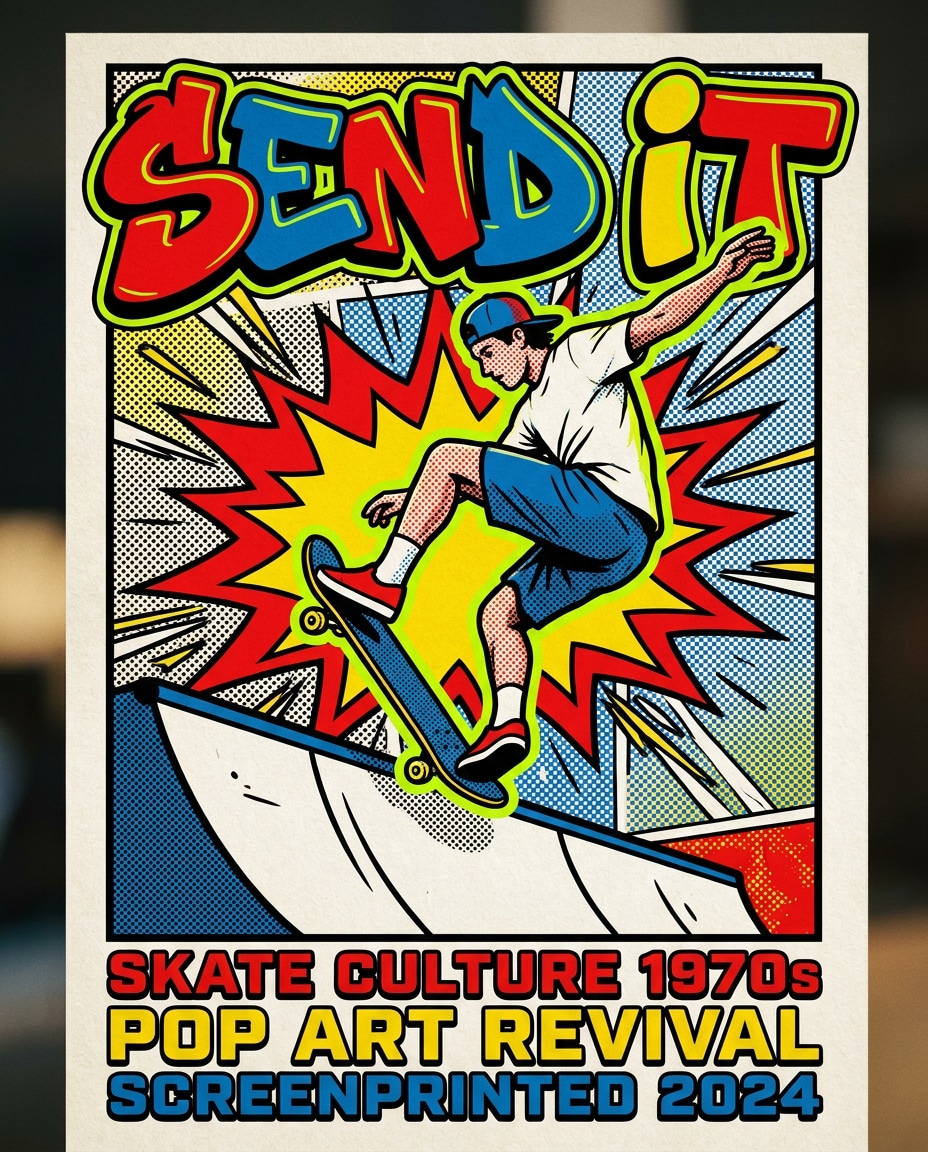
Kickflip Skateboarder Poster
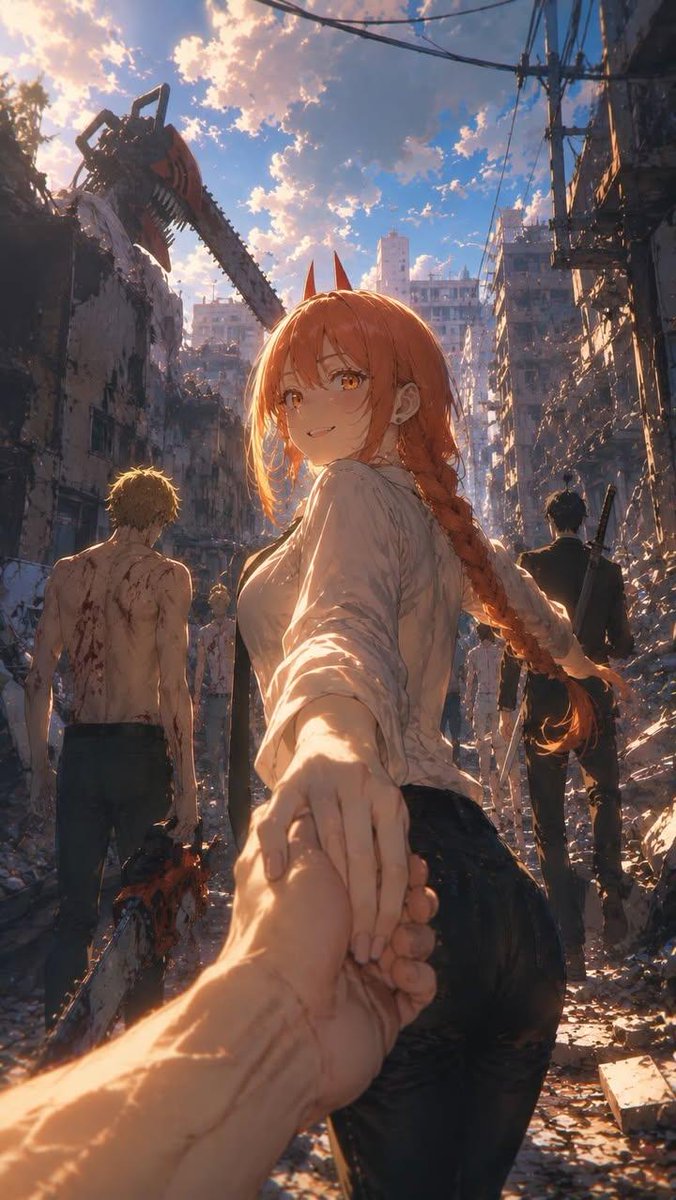
Neon Tokyo Cinematic Anime
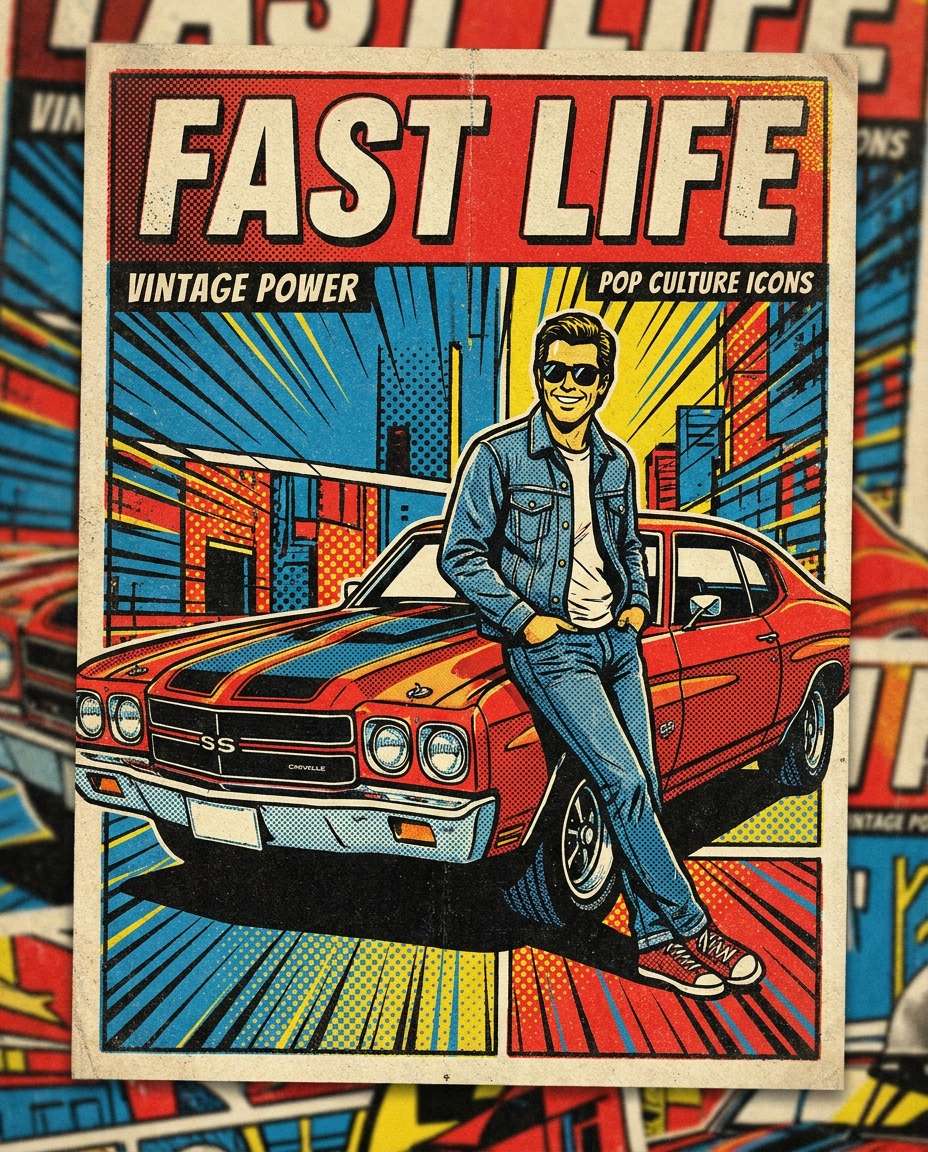
Retro Muscle Car Hero Poster
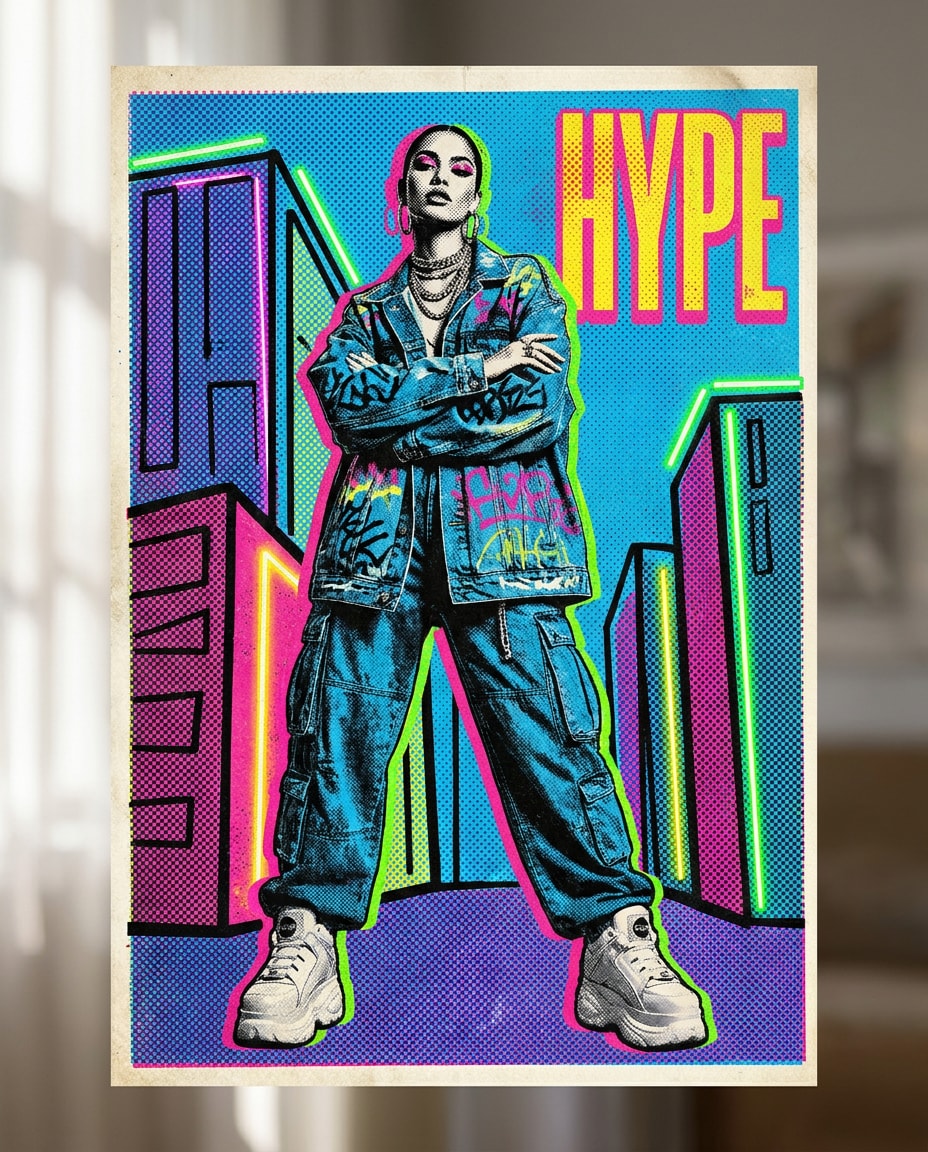
Streetwear Model Pop Art Poster
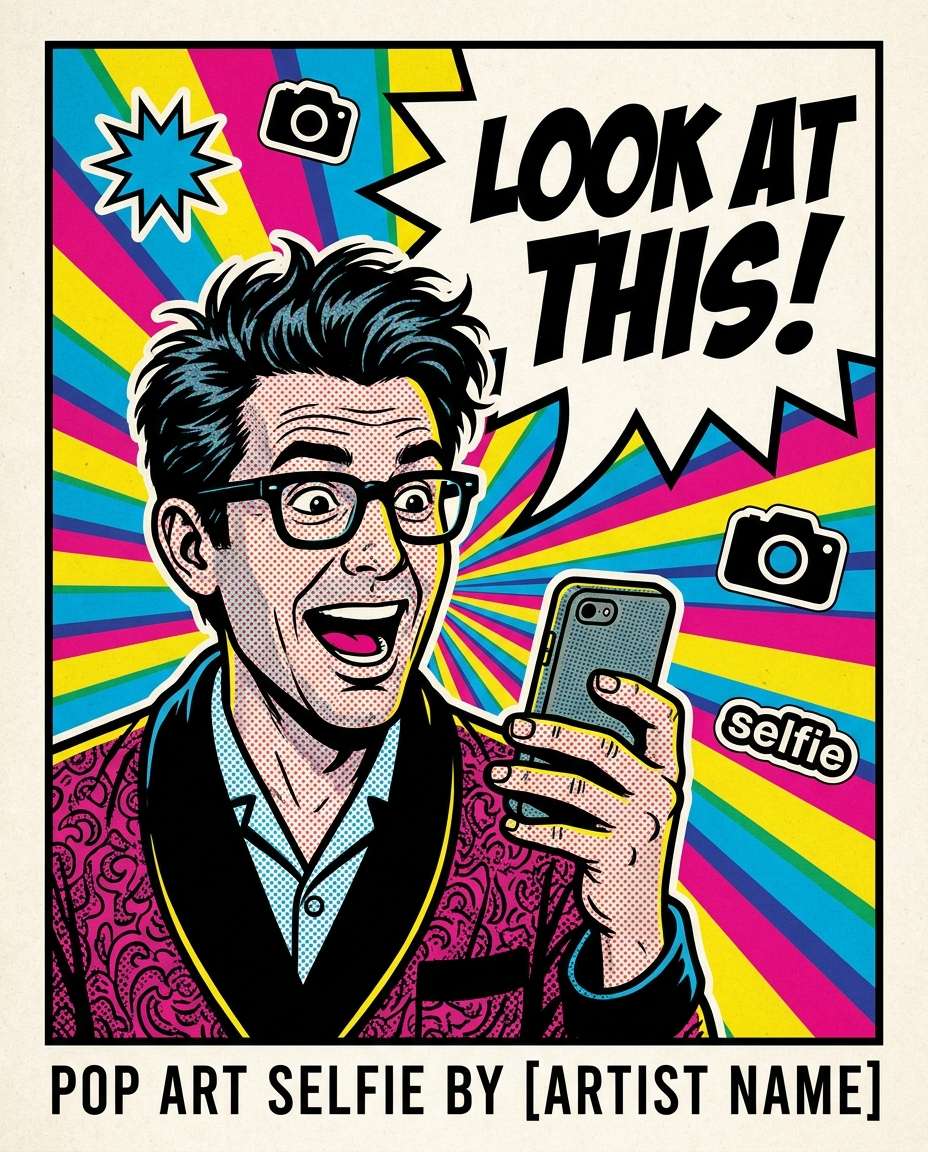
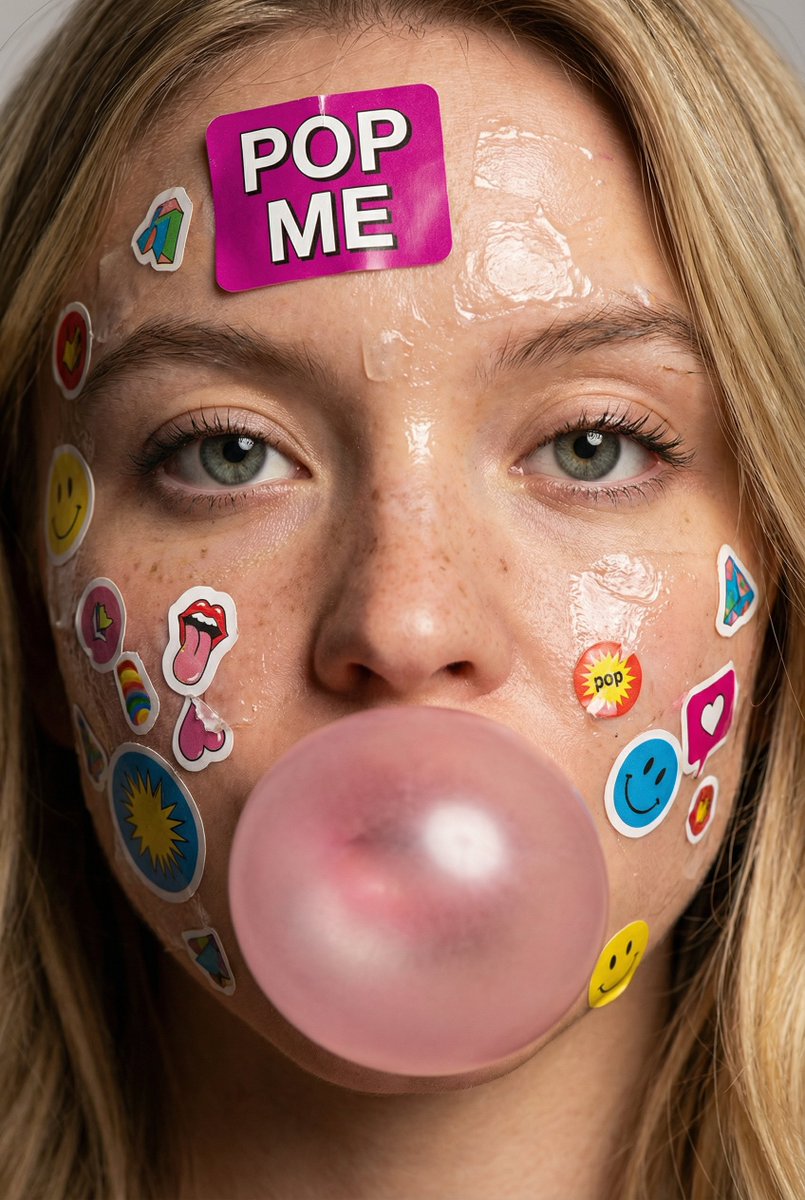
Speech Bubble Selfie Pop Art Poster
What Are Neon Art AI Prompts?
Neon Art AI Prompts represent a sophisticated intersection between traditional aesthetic values and cutting-edge generative technology. In an era where visual communication is paramount, these prompts serve as a strategic bridge, enabling organizations and individuals to manifest high-fidelity visual assets with unprecedented speed and precision. Whether you are aiming to capture the ethereal essence of sacred spaces or the professional integrity of corporate materials, these algorithmic instructions are meticulously calibrated to produce results that resonate with your target audience. The core of Neon Art AI prompts lies in their ability to translate abstract concepts - such as faith, security, community, or futurism - into tangible pixels that maintain stylistic consistency and emotional depth. By leveraging the power of advanced models like GPT and Stable Diffusion, these prompts eliminate the traditional barriers to high-end design, such as cost, time, and specialized technical skills. In the context of Carat's ecosystem, these prompts are not just strings of text but a curated library of visual intelligence designed to empower your creative workflow. They encapsulate years of design theory, color psychology, and compositional balance, compressed into accessible commands. This allows users to focus on the message and the mission, while the AI handles the complex heavy lifting of rendering and styling.
Best Use Cases
The versatility of Neon Art prompts makes them indispensable across a wide spectrum of professional and creative scenarios. For organizational leaders, these prompts facilitate the rapid creation of seasonal campaign materials, such as holiday announcements, event invitations, and thematic posters that require a unique yet cohesive look. In the realm of digital marketing, they are perfect for generating eye-catching social media backgrounds, YouTube thumbnails, and blog headers that demand high engagement rates. For educational purposes, teachers and administrators can use these prompts to develop engaging visual aids, classroom decorations, and student recognition certificates that stimulate learning and foster a positive environment. Within the corporate sector, Neon Art prompts excel at producing clean infographics, professional brochure backgrounds, and internal communication slides that convey trust and expertise. Furthermore, they are an excellent tool for prototyping; designers can use them to quickly iterate through dozens of concepts before committing to a final art direction. Whether it is for a niche community gathering or a large-scale public relations effort, these prompts provide the flexibility to adapt to any scale of project. From high-resolution print media like banners and flyers to optimized digital formats for mobile apps and websites, the application range is virtually limitless, ensuring that your visual storytelling is always impactful and professional.
Why This Tag Works
The effectiveness of the Neon Art tag is rooted in its rigorous optimization process and deep understanding of category-specific visual semiotics. Unlike generic prompts that might produce inconsistent or off-brand results, the prompts associated with this tag have been engineered to recognize and prioritize the specific motifs, color palettes, and lighting conditions that define this genre. For instance, when dealing with sensitive or specialized subjects, the AI is guided to avoid uncanny interpretations and instead focus on warmth, clarity, and structural integrity. This tag works because it reduces the "prompt engineering" fatigue for the user; instead of struggling with trial and error, you are presented with proven formulas that deliver high-success rates. We have integrated feedback loops from industry professionals to ensure that the stylistic outputs align with current market trends while remaining timeless. The spatial composition dictated by these prompts often follows the golden ratio and other classical design principles, ensuring that every generated image feels balanced and intentional. Moreover, the Neon Art tag ensures that the AI pays close attention to texture and material properties - whether it's the grain of ancient stone, the gloss of modern glass, or the softness of digital illustrations. This attention to detail results in assets that don't just look "AI-generated" but look like they were crafted by a human artist with a deep connection to the subject matter.
Explore Related Prompts
Prompt Building Tips
To maximize the potential of your Neon Art AI prompts, it is crucial to adopt a layered approach to your descriptions. Start with the core subject matter, but quickly move into the atmospheric details that set the mood. Use sensory adjectives like 'radiant', 'velvety', 'crisp', or 'tranquil' to guide the AI's emotional output. Compositional keywords are equally vital; specifying 'low-angle shot', 'wide-angle panorama', or 'macro close-up' can radically change the storytelling impact of the image. Don't forget to mention the lighting environment - 'golden hour glow', 'cinematic backlight', or 'soft diffused studio lighting' can make the difference between a flat image and a masterpiece. When it comes to color, instead of just saying 'blue', try 'deep sapphire and muted silver' for a more sophisticated palette. You can also specify the medium to achieve a particular artistic finish, such as 'hyper-realistic 8k photography', 'minimalist vector flat design', or 'expressive thick-stroke oil painting'. Lastly, consider the negative space; if you plan to overlay text for a flyer or a social media post, include instructions like 'generous negative space on the left' or 'uncluttered background' to ensure the final product is functional. By combining these specific technical directives with your creative vision, you can unlock a level of detail and customization that truly sets your work apart in a crowded digital landscape.