Retro Magazine Style
Create original Retro Magazine Style images with practical AI prompt guidance for composition, materials, color, and production-ready variations.
2026.07.14
Make “Retro Magazine Style” exactly the way you wantCreate your own “Retro Magazine Style”
Just ask in plain language — Carat generates optimized images and videos for you.

Start now with 100 free credits daily
Urban Fashion Collage Poster
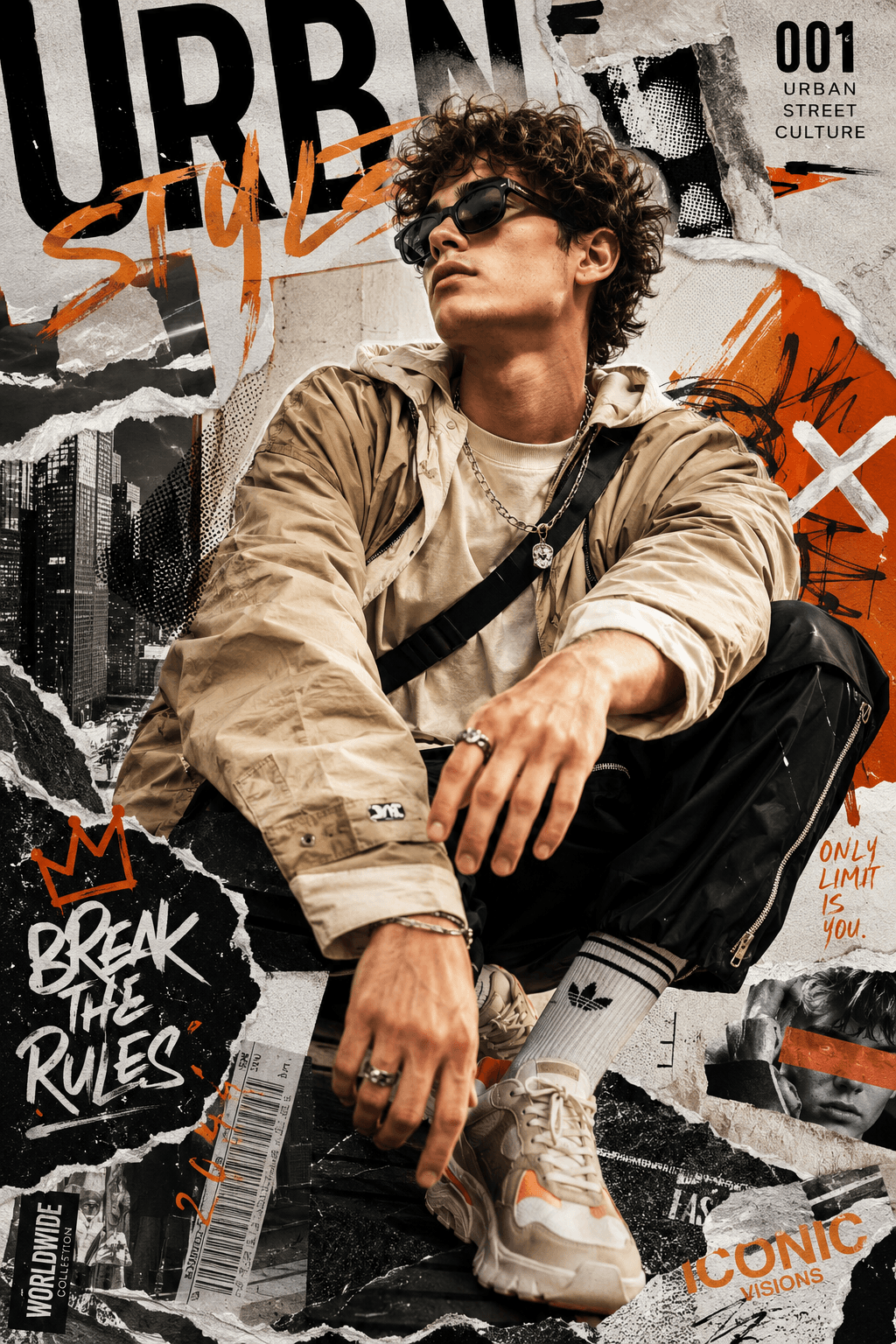
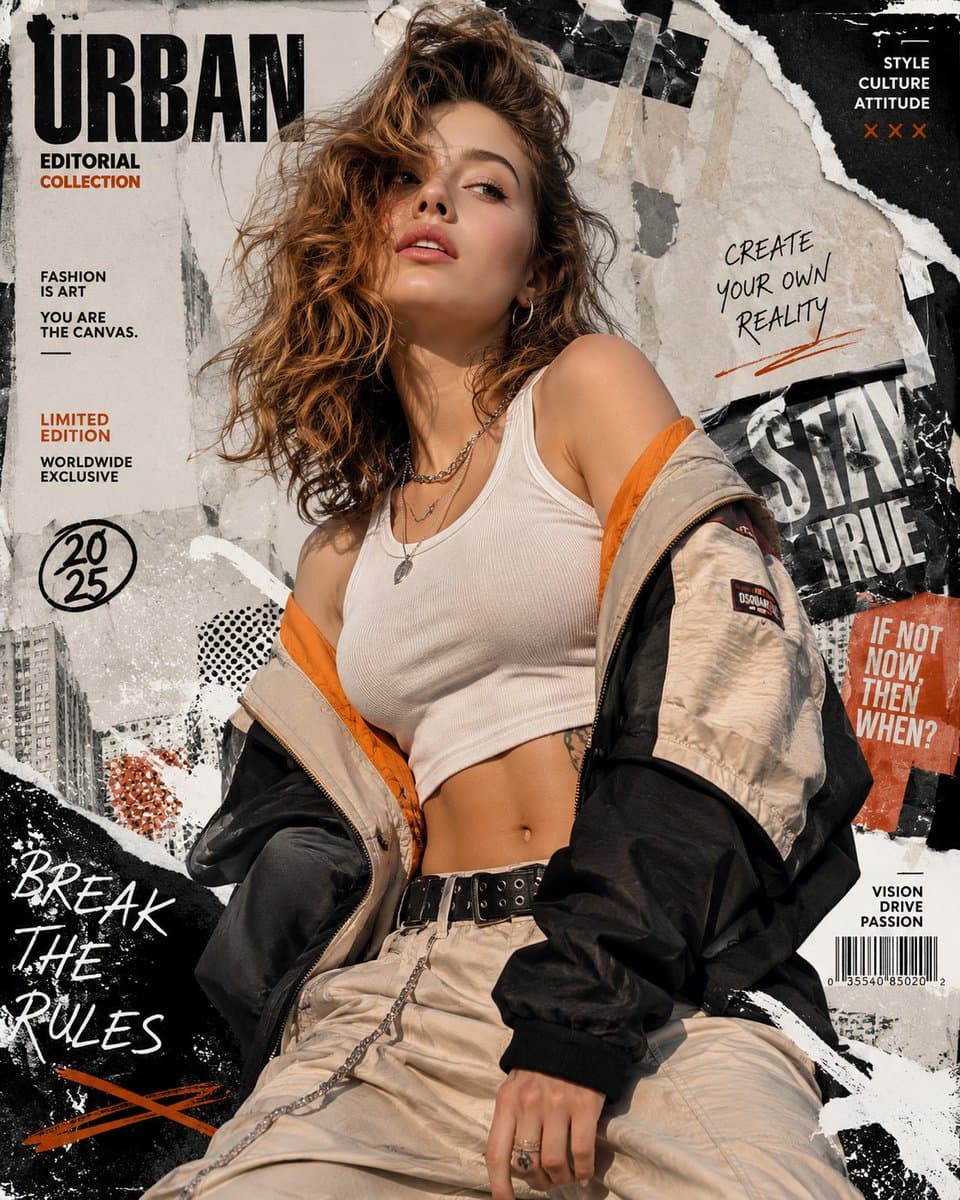
Urban Fashion Editorial Collage
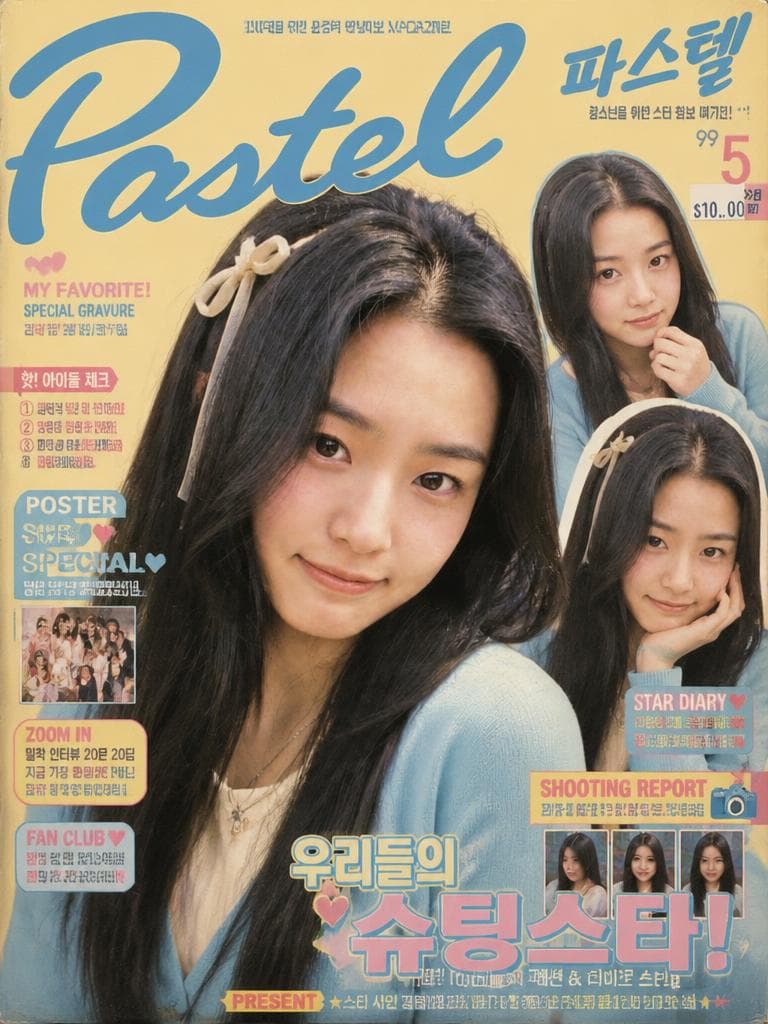
Pastel Teen Magazine Cover
What Are Retro Magazine Style AI Prompts?
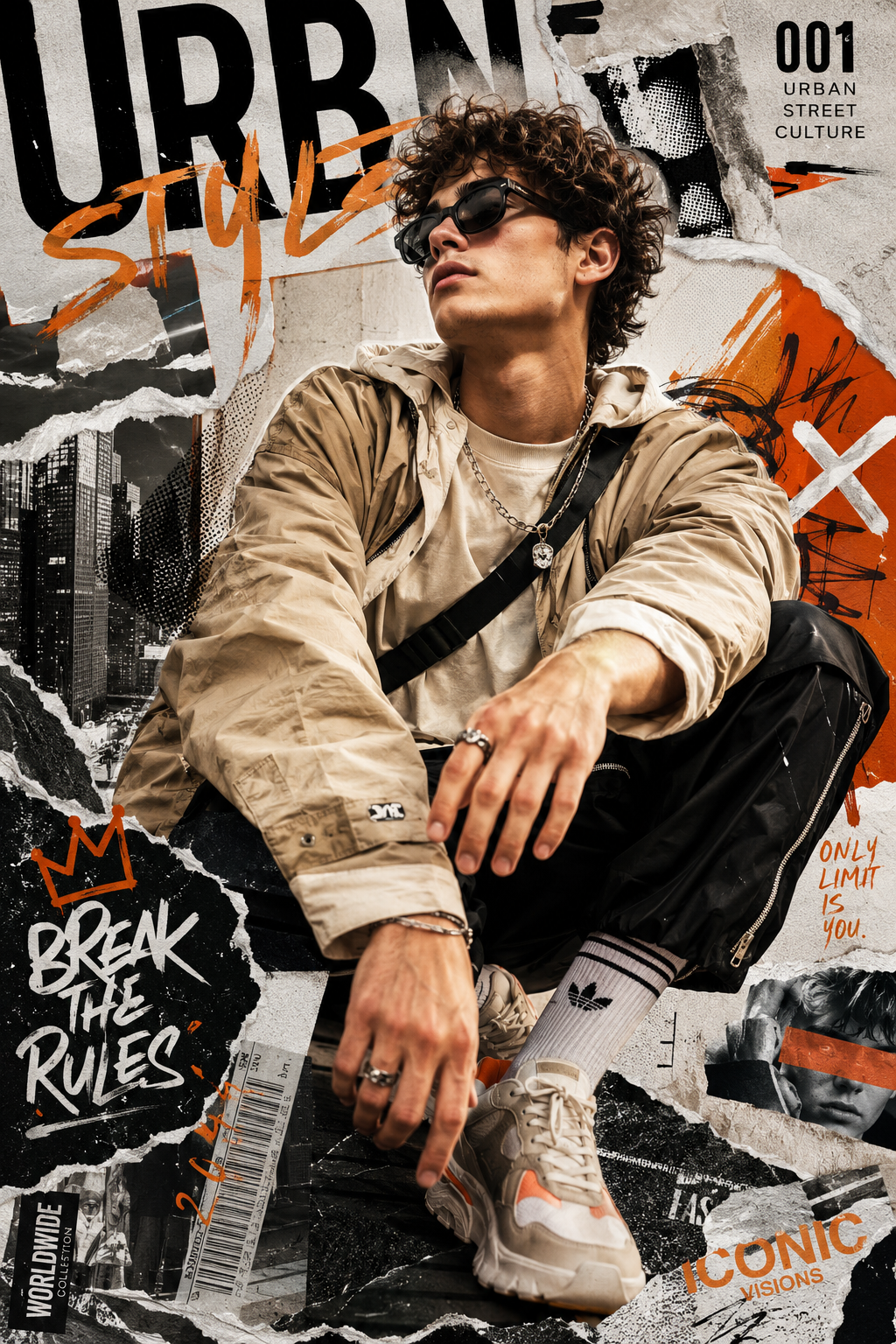
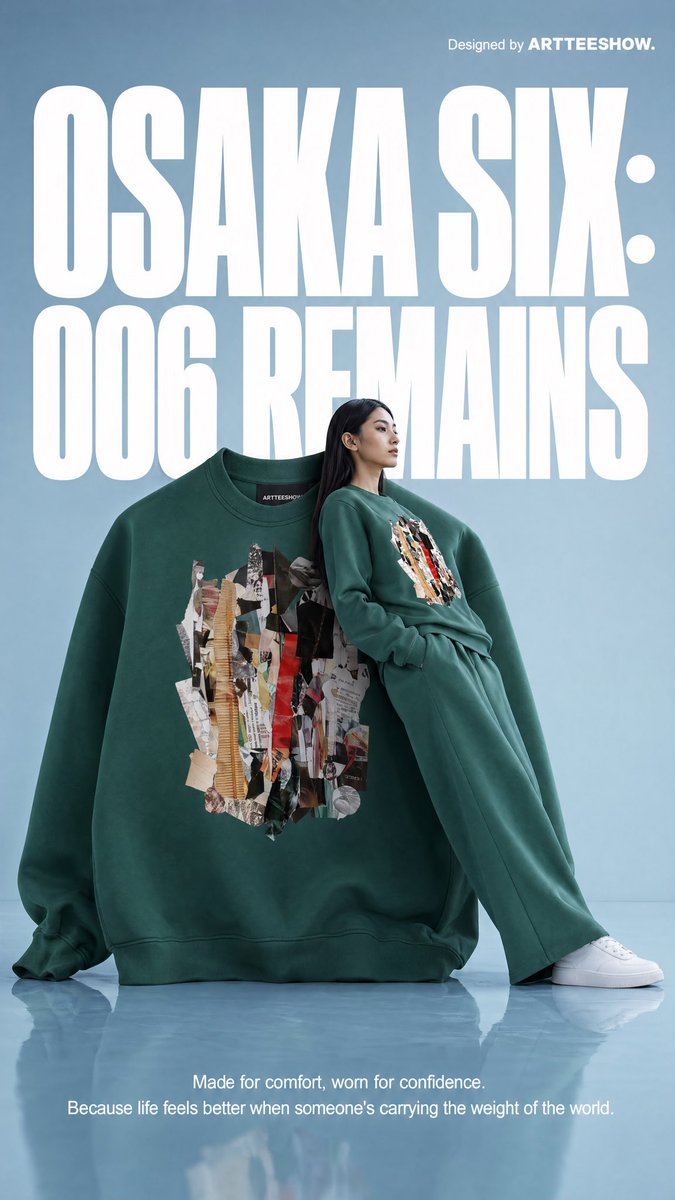
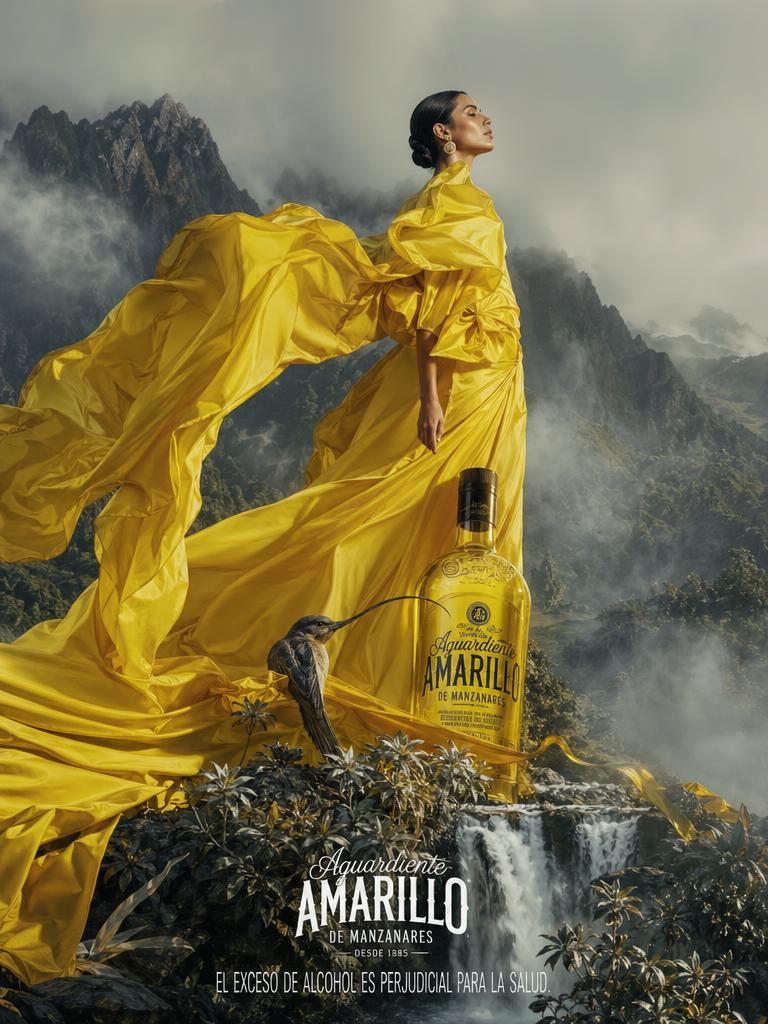
Retro Magazine Style prompts are structured instructions for building a clear visual concept rather than relying on a style label alone. A useful prompt separates the subject, material, palette, camera angle, environment, and final medium. This makes the hierarchy easier for GPT Image 2 to interpret and keeps the main silhouette readable when decorative details are added. The examples on this page focus on original visual language instead of reproducing a named artwork, brand, or protected character. They can serve as a starting point for controlled iterations across commercial, editorial, and personal projects.
Practical Use Cases
This visual direction works for 독립 잡지 표지, 브랜드 룩북, 음악 포스터, 에디토리얼 콜라주. A square social thumbnail benefits from a centered subject and immediate color contrast, while a horizontal banner needs deliberate negative space for later copy. For print, simplify tiny details and preserve strong edge definition. Before using a result, inspect cropped edges, malformed ornaments, accidental letters, inconsistent lighting, and resemblance to an existing identity. Treat the first image as a design draft and refine one variable at a time rather than changing every instruction together.
Visual Components and Variations
The defining ingredients include 바랜 인쇄색, 굵은 세리프 제목 영역, 종이 질감, 비대칭 그리드, 아날로그 스캔 흔적. Keep the subject fixed while testing alternate materials, background density, light direction, or accent colors. This produces a coherent family of options and makes comparison easier. State the target aspect ratio and viewing size near the beginning of the prompt. If the asset must work as an icon, ask for a compact silhouette and fewer secondary objects. If it will appear on a detail page, allow richer texture but keep important features away from the frame.
Related Prompts
Prompt Construction Tips
Start with a precise subject and purpose, then specify composition, material, palette, lighting, and exclusions in that order. Describe visual properties instead of citing a particular studio or franchise. Request a full, uncropped subject when anatomy or a complete emblem matters. End with constraints such as no text, no logo, no watermark, and adequate padding. After generation, preserve successful features and revise only one dimension, such as color, camera height, or background complexity. Separate versions for thumbnails, banners, and print layouts usually outperform a single image stretched across every format.