Tattoo Design
AI prompts for creating original tattoo designs across various styles from fine line to traditional.
2026.07.03
Make “Tattoo Design” exactly the way you wantCreate your own “Tattoo Design”
Just ask in plain language — Carat generates optimized images and videos for you.

Start now with 100 free credits daily
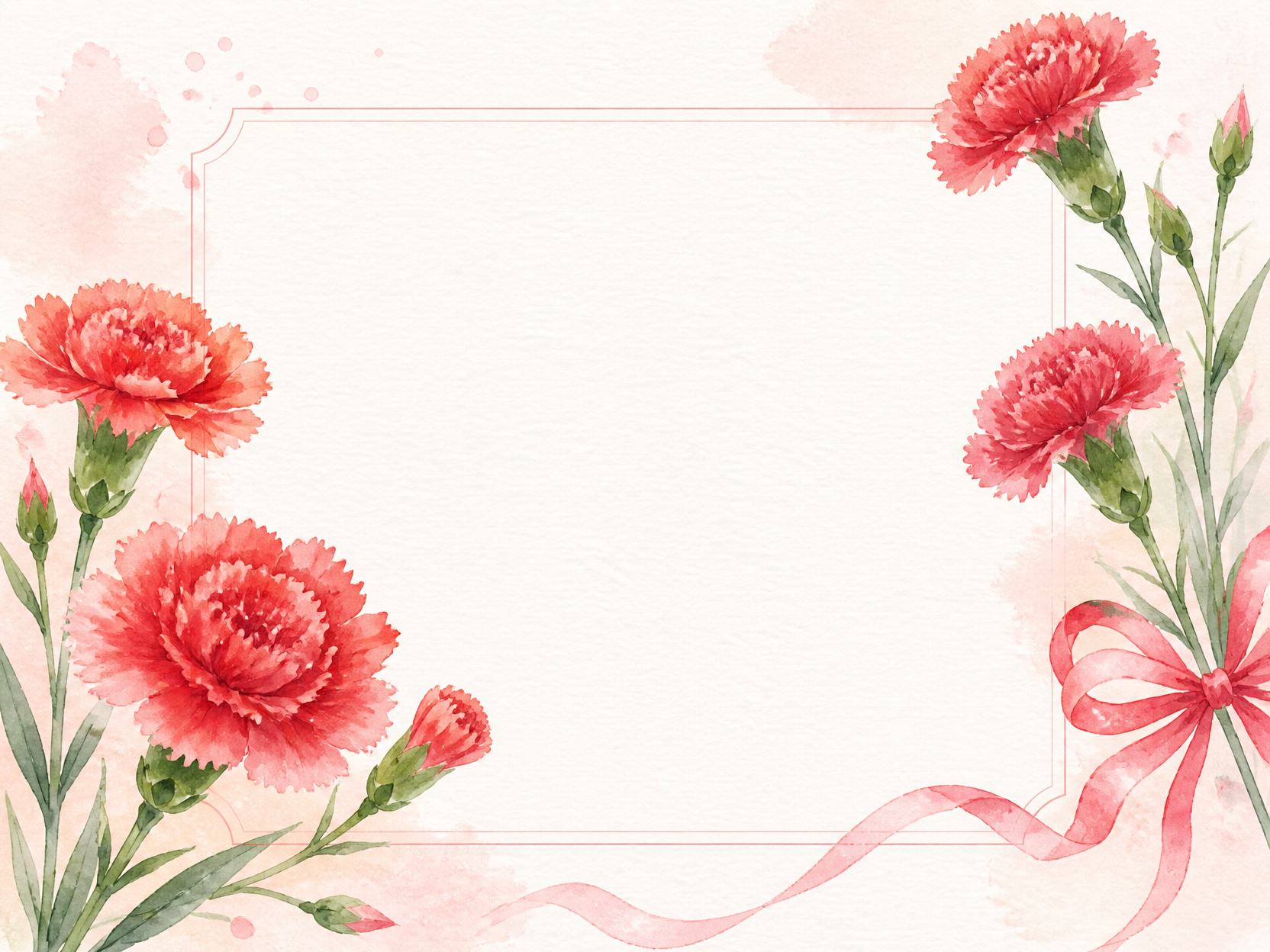
카네이션 도안 예시 2
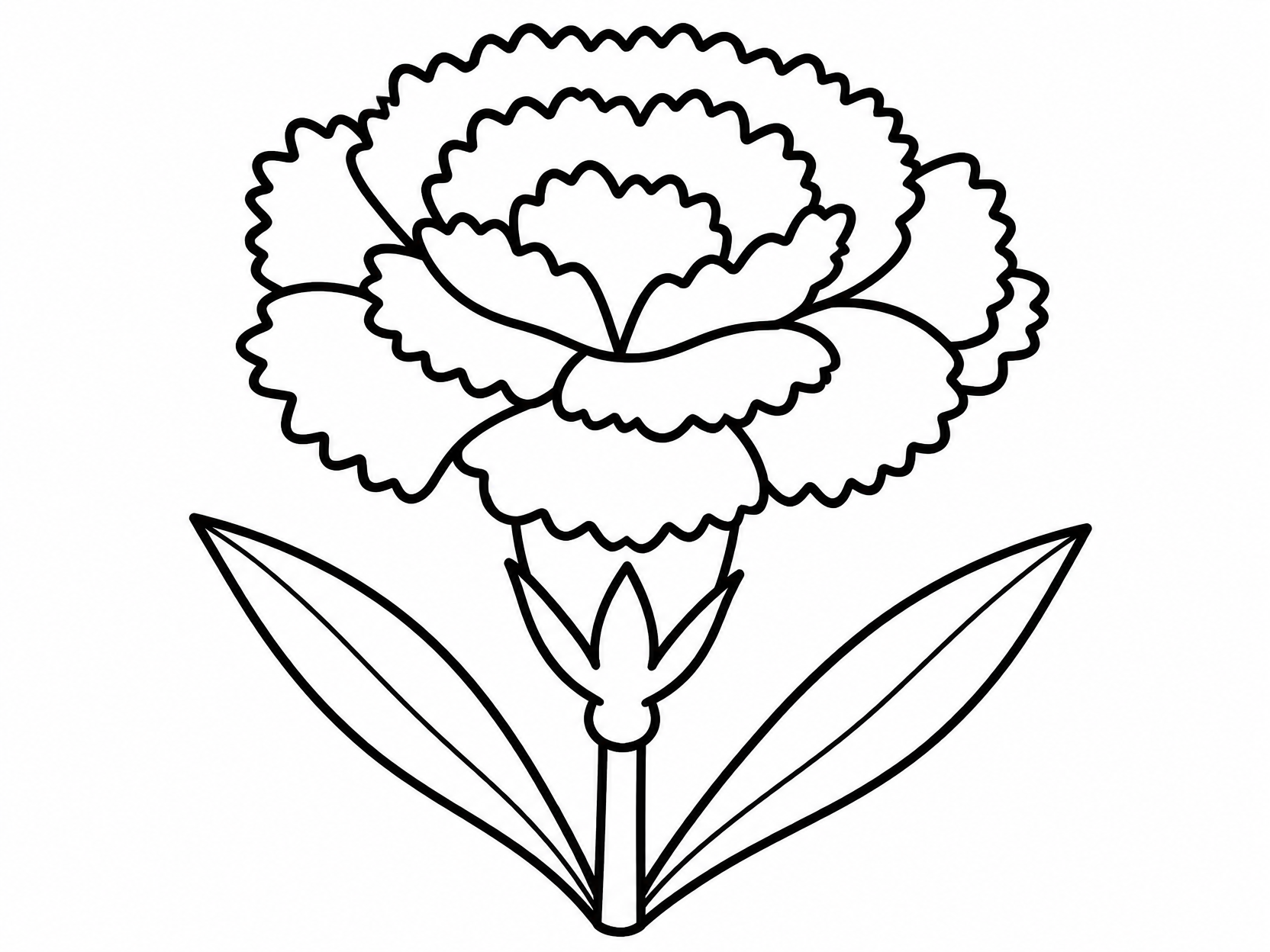
카네이션 도안 예시 3
귀여운 동물 색칠도안
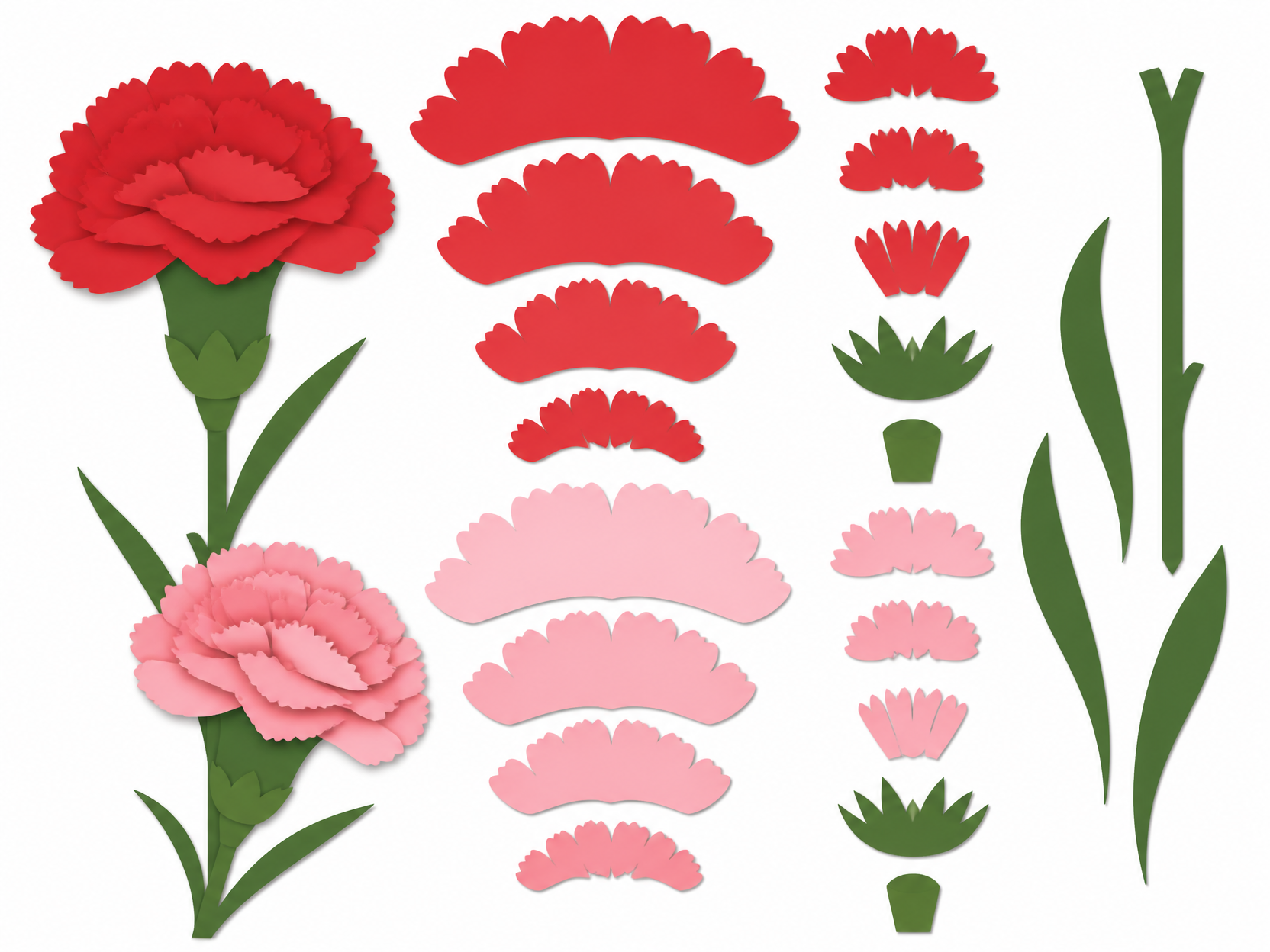
카네이션 도안 예시 1
우주 색칠공부 도안
공룡 색칠공부 도안
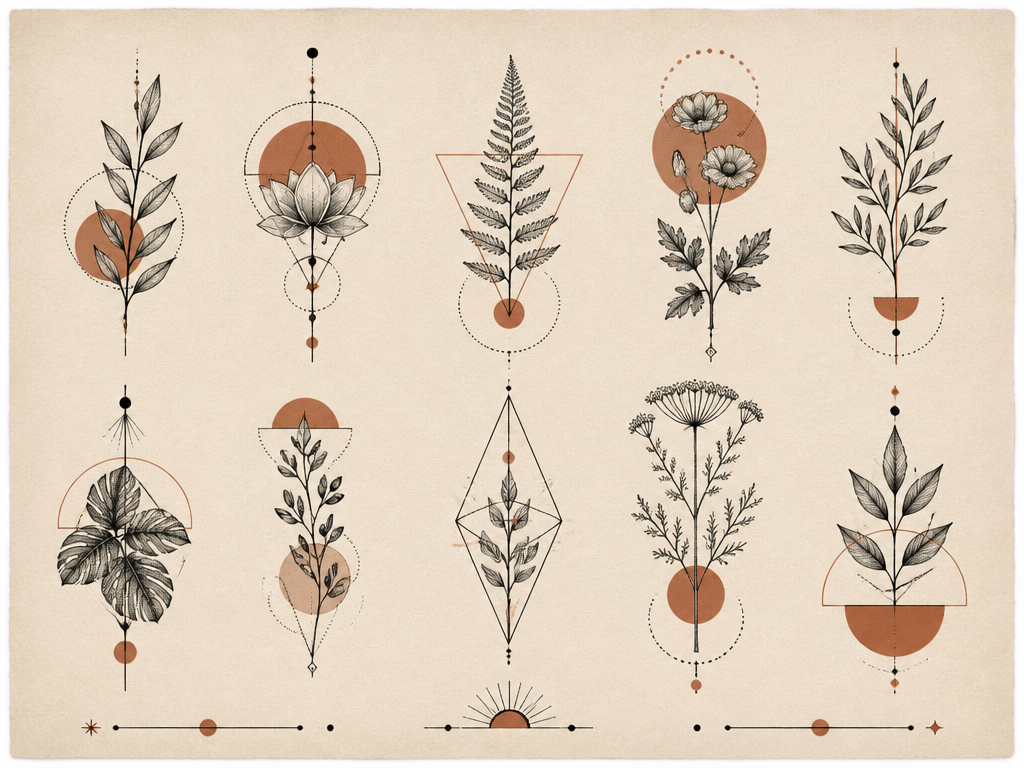
Tattoo Design
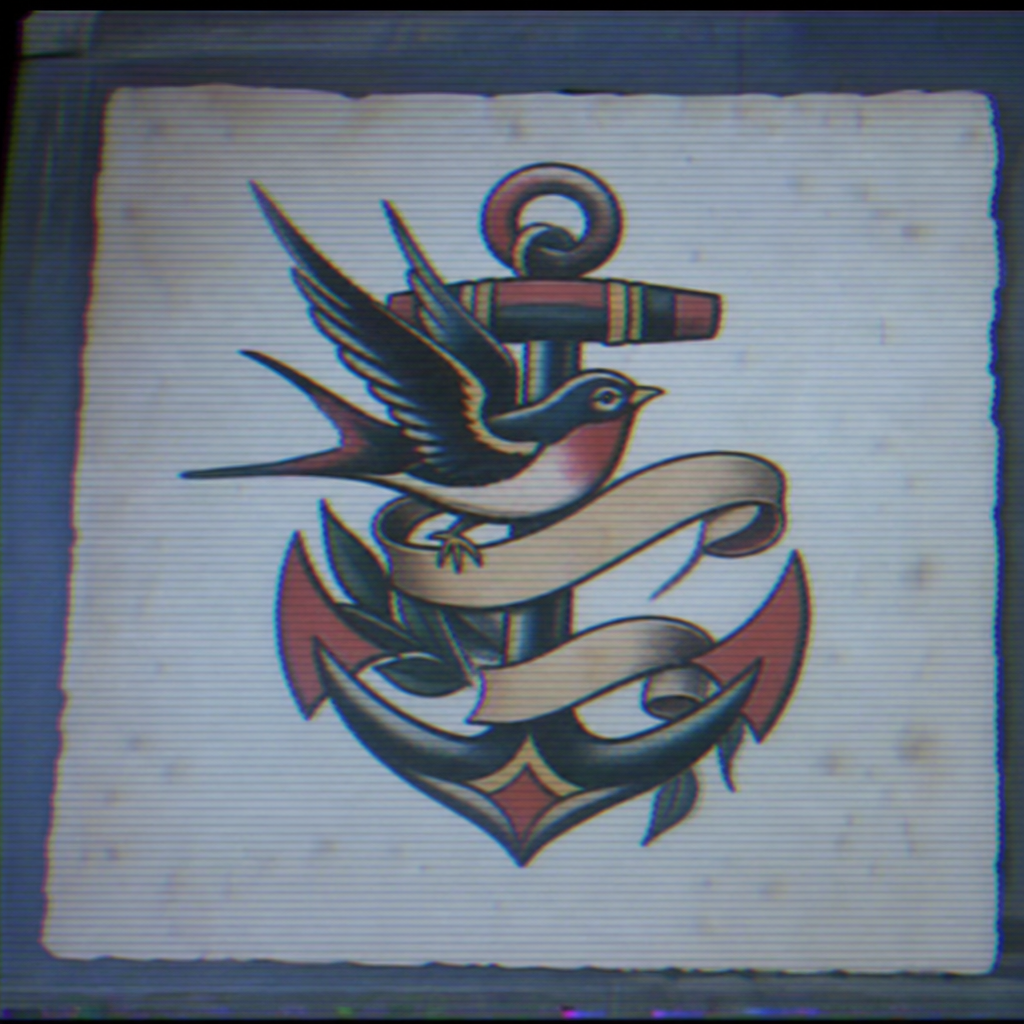
올드스쿨 타투 도안
What Are Tattoo Design AI Prompts?
Tattoo Design AI prompts are specialized generative instructions that produce original artwork suitable for use as tattoo stencils or references. These prompts cover the full spectrum of tattoo artistry, from bold traditional American style with thick black outlines and limited color palettes to delicate single-needle fine line work that resembles etchings on skin. Carat's AI has been trained on thousands of tattoo designs across cultures and styles, enabling it to understand the unique requirements of tattoo art: clean linework that will hold up over time, appropriate scaling for different body parts, and the visual weight needed for a design to read clearly on skin. Whether you are a tattoo artist looking for inspiration, a client wanting to explore options before your appointment, or a designer creating tattoo-themed merchandise, these prompts provide professional-quality results.
Main Use Cases
- Generating multiple design variations before a tattoo appointment to help clients decide on style and placement.
- Creating portfolio pieces and social media content for tattoo artists to showcase their range.
- Designing temporary tattoo products, sticker packs, or decal sets for retail.
- Producing tattoo-style artwork for fashion items, album covers, or brand collaborations.
- Developing custom emblems, logos, or symbolic designs inspired by tattoo aesthetics for personal or commercial branding.
Why This Tag Is Useful
Tattoo design is a highly specialized art form that requires years of training to master. The linework must be clean enough to survive the aging process on skin, the composition must work with the body's natural contours, and the style must match the client's personal aesthetic. This tag is useful because it democratizes the design exploration phase. Instead of spending hours sketching only to realize a concept doesn't work, users can generate dozens of variations in minutes. For tattoo artists, this means more time refining the chosen design rather than starting from scratch. For clients, it means walking into the studio with a clear visual reference, making the consultation process smoother and more productive. The AI also helps bridge cultural styles, allowing users to explore Japanese irezumi, American traditional, Polynesian tribal, or modern minimalist designs with equal ease.
Related Prompts
- Old School Tattoo Design
- Sketch Illustration
- Girl Illustration
- Girl Character
- Squirrel Illustration
- Fox Illustration
Prompt Composition Tips
- Specify the tattoo style precisely: Different tattoo styles have fundamentally different visual languages. 'American traditional with bold black outlines and limited red and green palette', 'Japanese irezumi with flowing water and cherry blossom motifs', 'fineline single-needle minimalist', 'geometric dotwork', or 'neo-traditional with ornamental details' each produce dramatically different results. Be specific about the school of tattooing you want.
- Describe the central motif in detail: The subject of your tattoo should be clearly defined. Instead of 'a flower', use 'a blooming peony with visible stamen and layered petals, partially unfurled'. Instead of 'an animal', try 'a roaring lion head with geometric mandala elements radiating outward'. The more detail you provide, the more meaningful and unique the design becomes.
- Consider placement and proportions: Tattoos are designed for specific body parts, and the AI needs to know the intended canvas. Keywords like 'vertical forearm composition', 'circular shoulder piece', 'small wrist tattoo under 3 inches', or 'wrap-around calf design' help the AI generate designs with appropriate proportions and flow.
- Control the linework and shading technique: The technical execution of the tattoo is defined by its linework. Use terms like 'bold solid black outlines', 'delicate single-needle hairlines', 'smooth gradient dotwork shading', or 'solid black fill areas' to direct the AI's rendering style. This ensures the design will translate well to actual skin application.
By following these guidelines, you can create tattoo designs that are not only visually striking but also practical and meaningful for real-world application.