Design war posters with AI prompts, historical context, controlled symbolism, and responsible review guidance.
2026.07.16
Make “War Poster” exactly the way you wantCreate your own “War Poster”
Just ask in plain language — Carat generates optimized images and videos for you.

Start now with 100 free credits daily
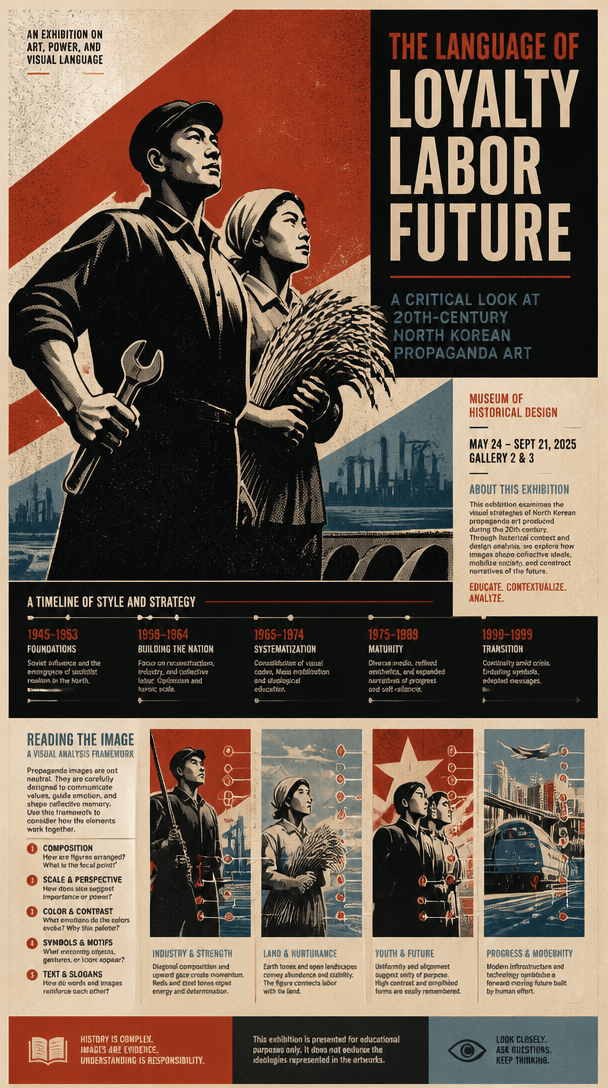
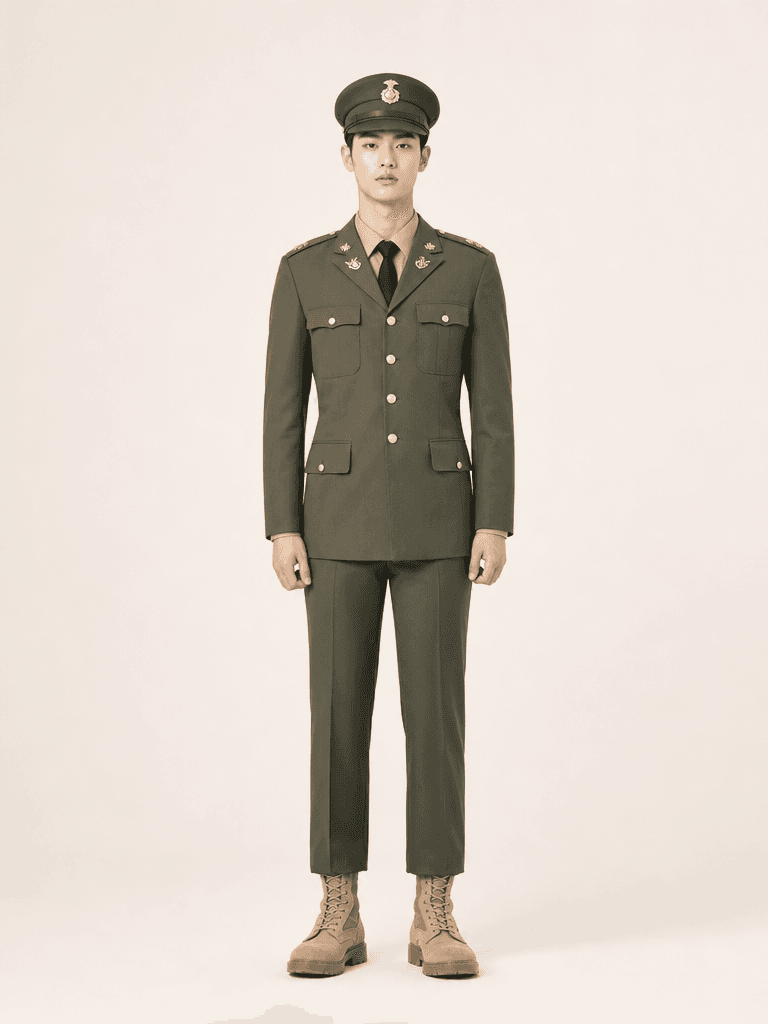
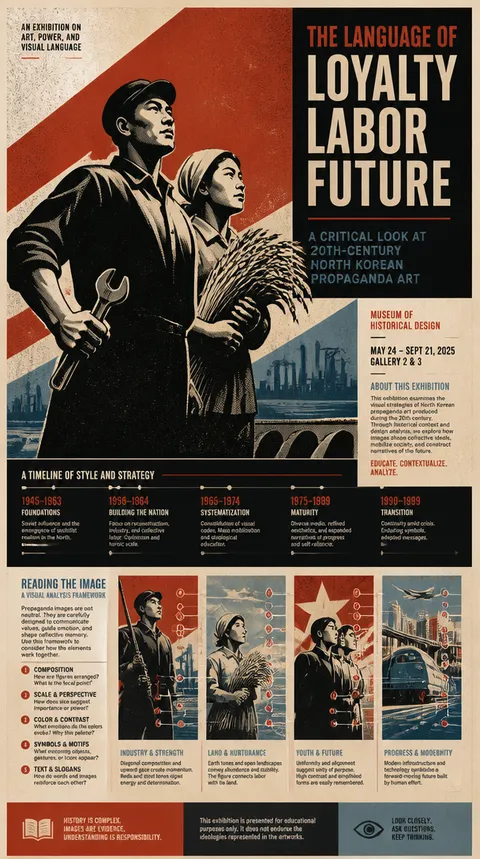
A War Poster prompt constructs a strong visual statement for historical education, anti-war communication, an exhibition, or a fictional setting. It should lock the purpose, viewpoint, period, region, and audience before selecting a dramatic treatment. Precise context prevents uniforms and equipment from unrelated conflicts being mixed together and reduces the chance that an educational design accidentally resembles celebratory propaganda.
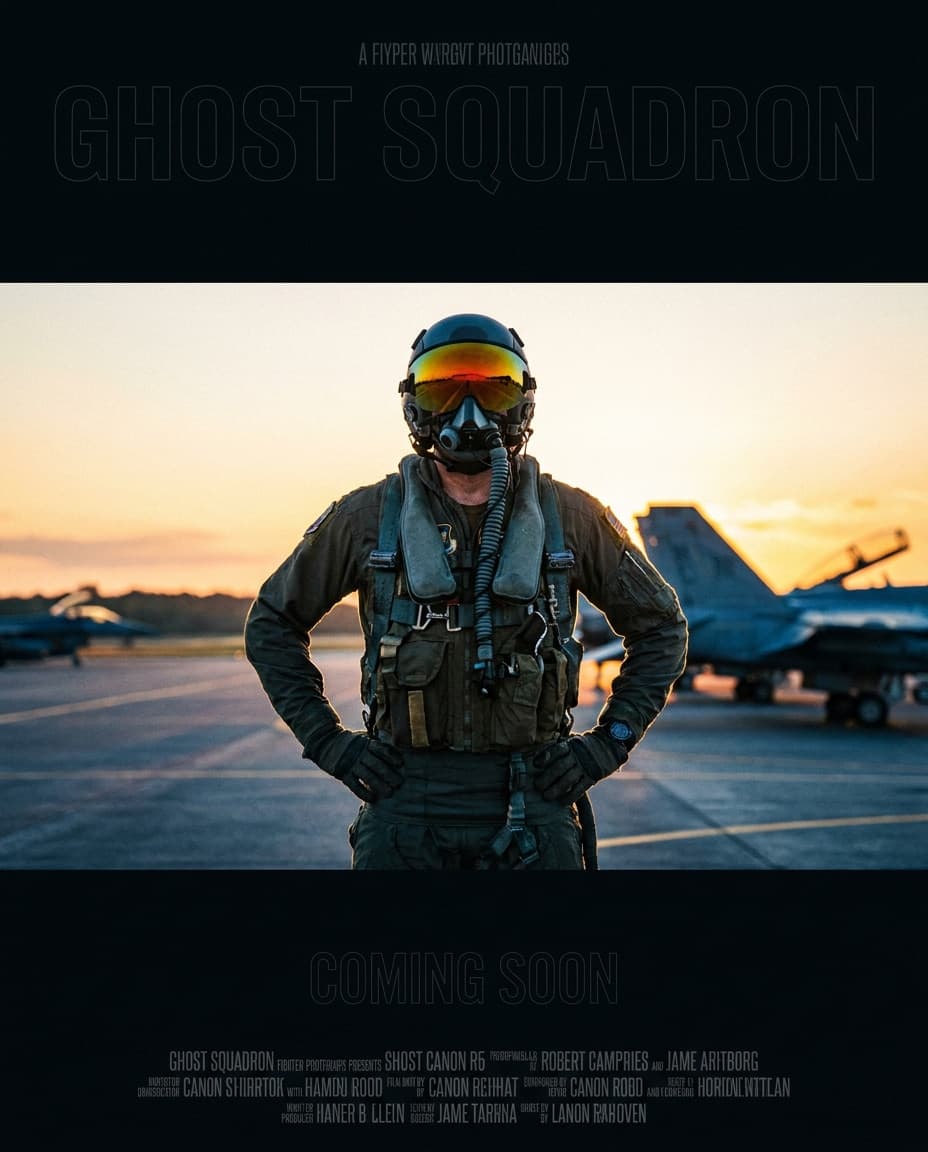
Appropriate uses include classroom timelines, museum exhibitions, peace campaigns, documentary promotion, and fictional wars in novels or games. Educational designs need readable dates and sources, while anti-war communication should center civilian safety, loss, remembrance, or recovery. Entertainment projects should use invented insignia and states when realistic emblems could confuse the work with an actual event.
Place one principal figure, object, or damaged landscape at the visual center, then organize event name, date, location, perspective, and source in a stable hierarchy. A limited palette and rough print texture can suggest archival material, but symbols and copy must be controlled so a regime aesthetic is not reproduced as admiration. Choose eye level, distance, and negative space according to the stated purpose rather than defaulting to heroic low angles.
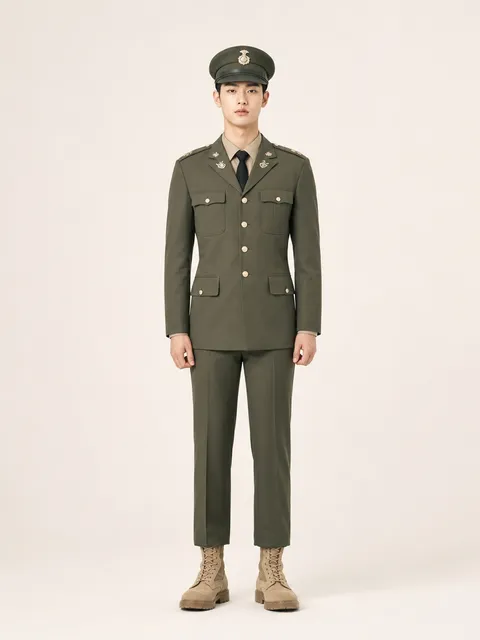
Define period, region, purpose, viewpoint, weather, clothing, equipment, character role, acceptable violence, palette, print process, and reserved title area. Verify flags, insignia, and ranks when historical accuracy matters; otherwise request neutral or fictional markings. Loss can be communicated through smoke, abandoned objects, damaged architecture, and empty space without graphic blood or bodily injury.
Cross-check dates, place names, uniform periods, equipment, quotation sources, and rights for any referenced photograph or document. Remove dehumanizing depictions, entertainment framing around real suffering, uncritical enlargement of hate symbols, and invented historical claims. Label synthetic imagery in educational contexts and avoid captions that could make a generated scene appear to be an authentic archival photograph.
Related prompts: