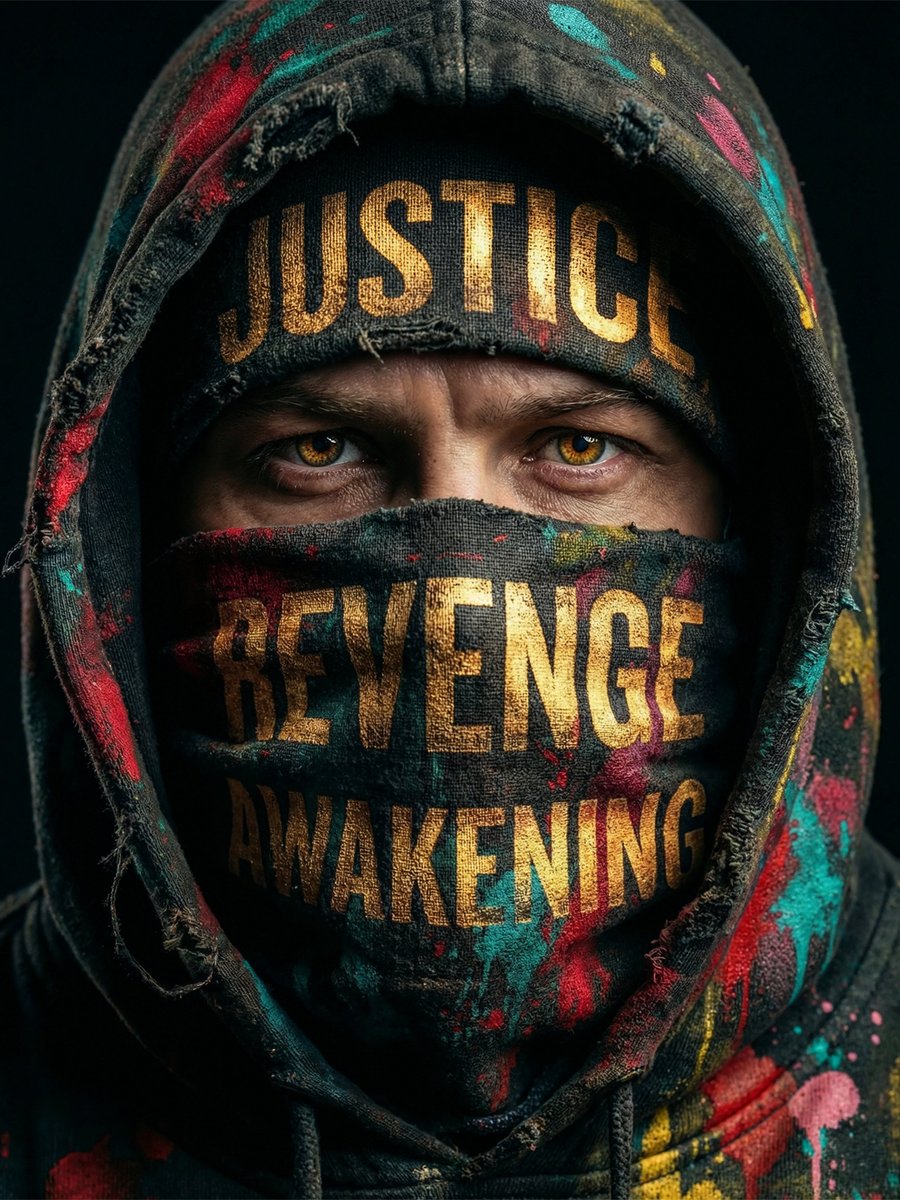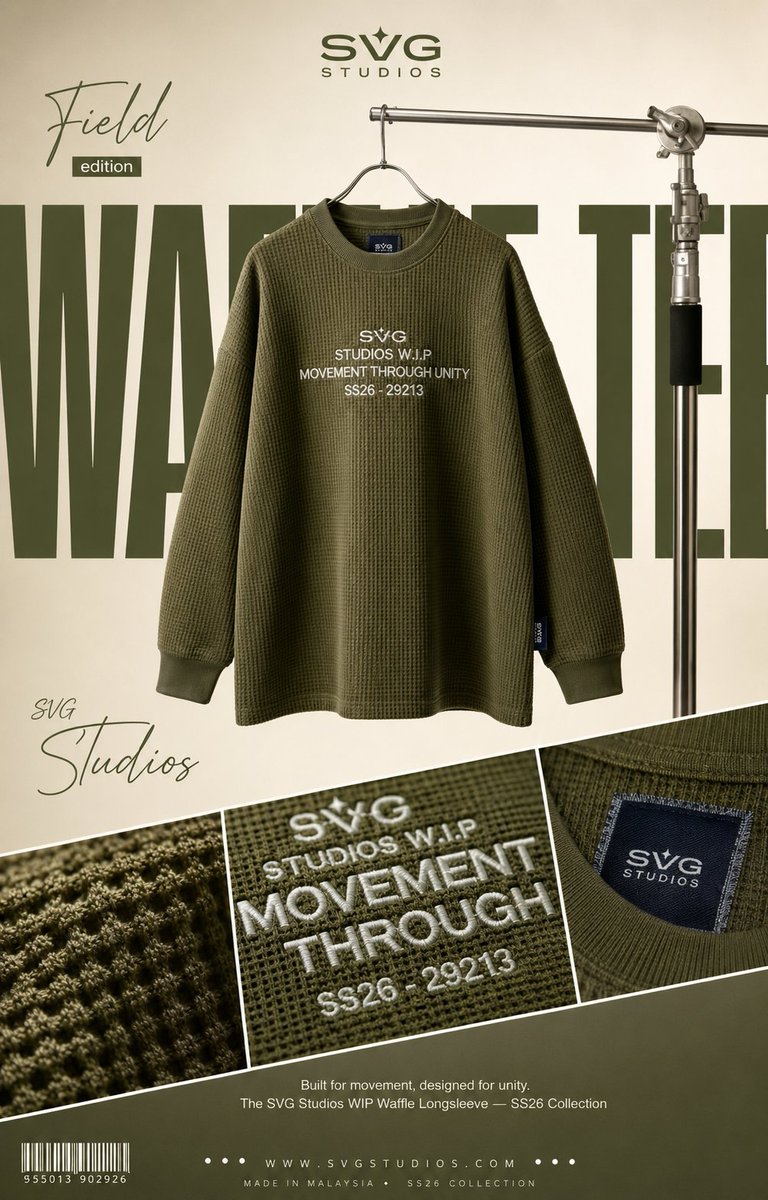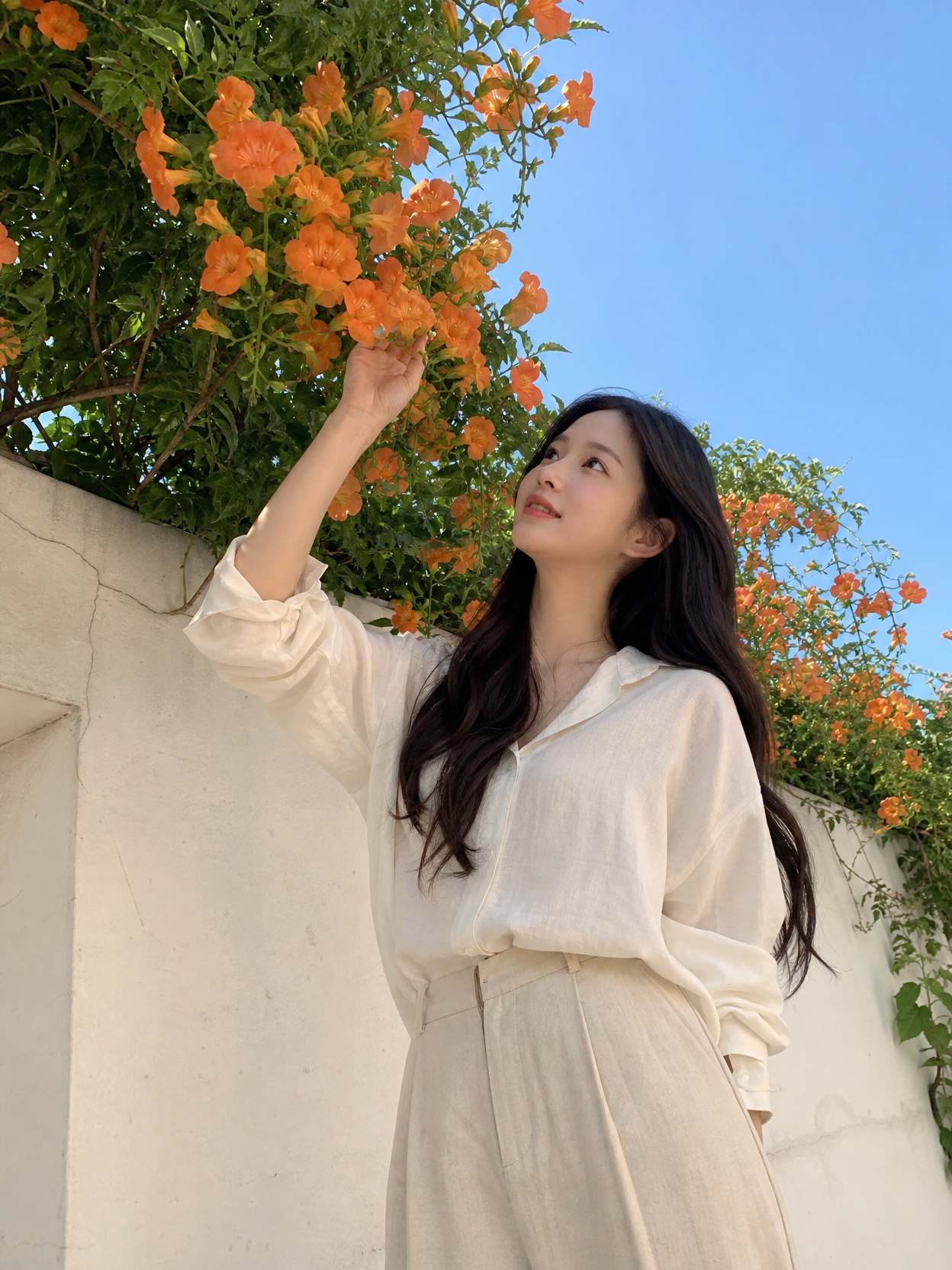
Hoodie Ad
Hoodie Ad prompts help you create stylish hoodie campaign visuals with balanced fabric detail and street style energy.
2026.07.03
Make “Hoodie Ad” exactly the way you wantCreate your own “Hoodie Ad”
Just ask in plain language — Carat generates optimized images and videos for you.

Start now with 100 free credits daily
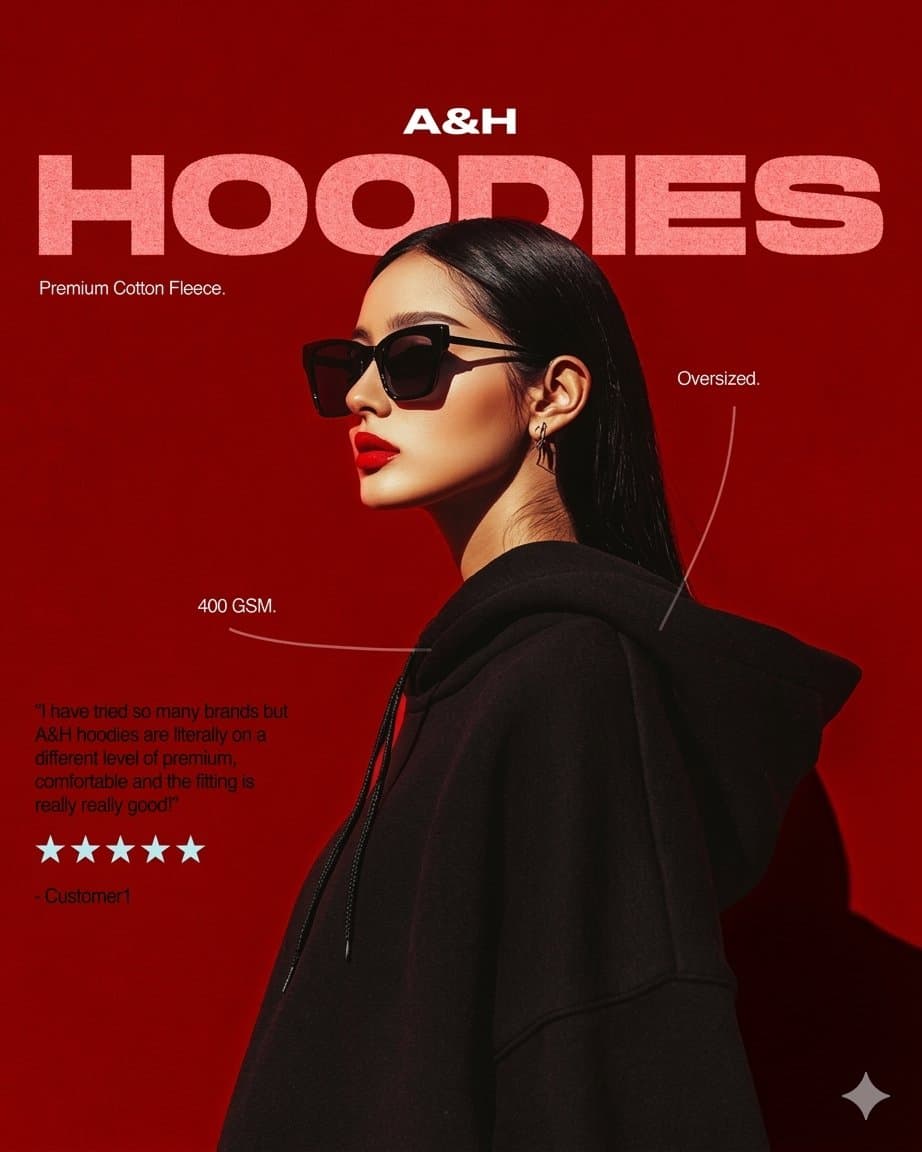
Hoodie Fashion Advertising Poster
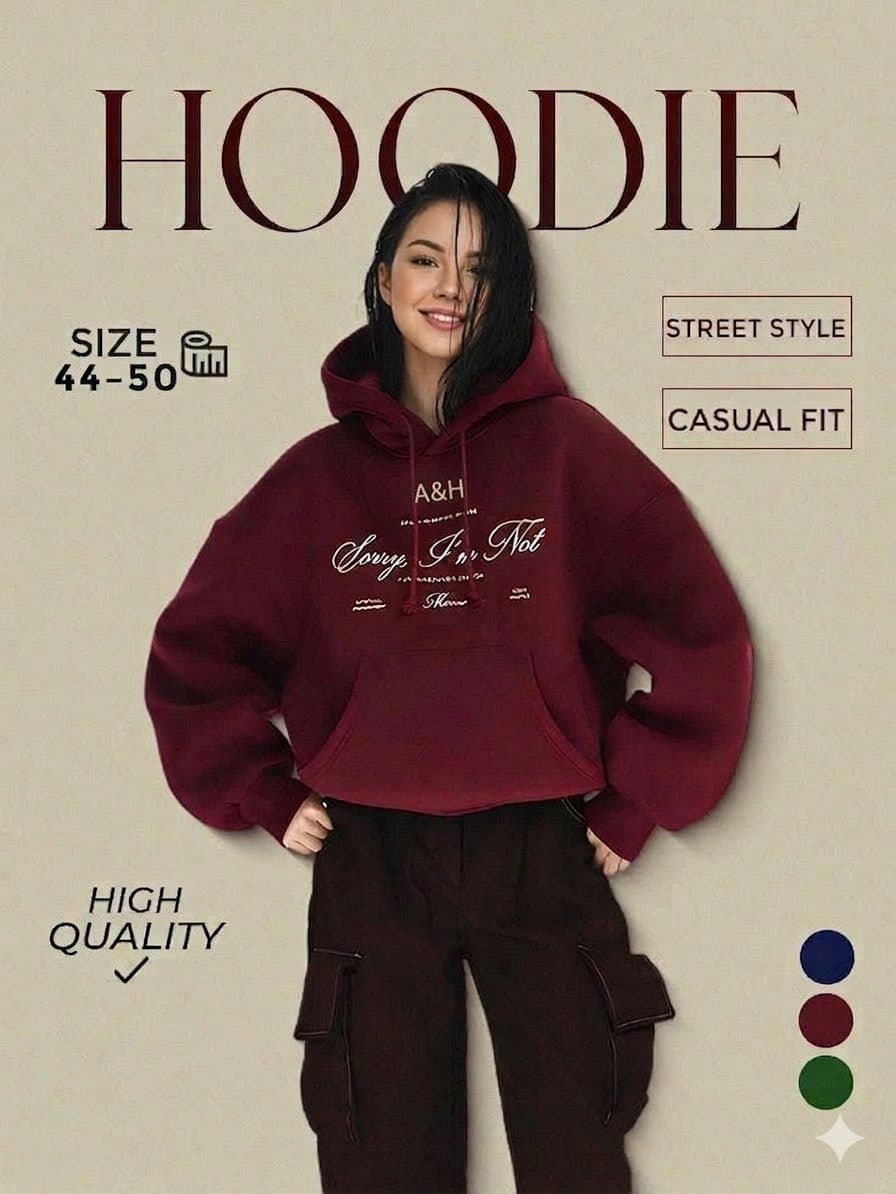
Burgundy Hoodie Fashion Advertisement
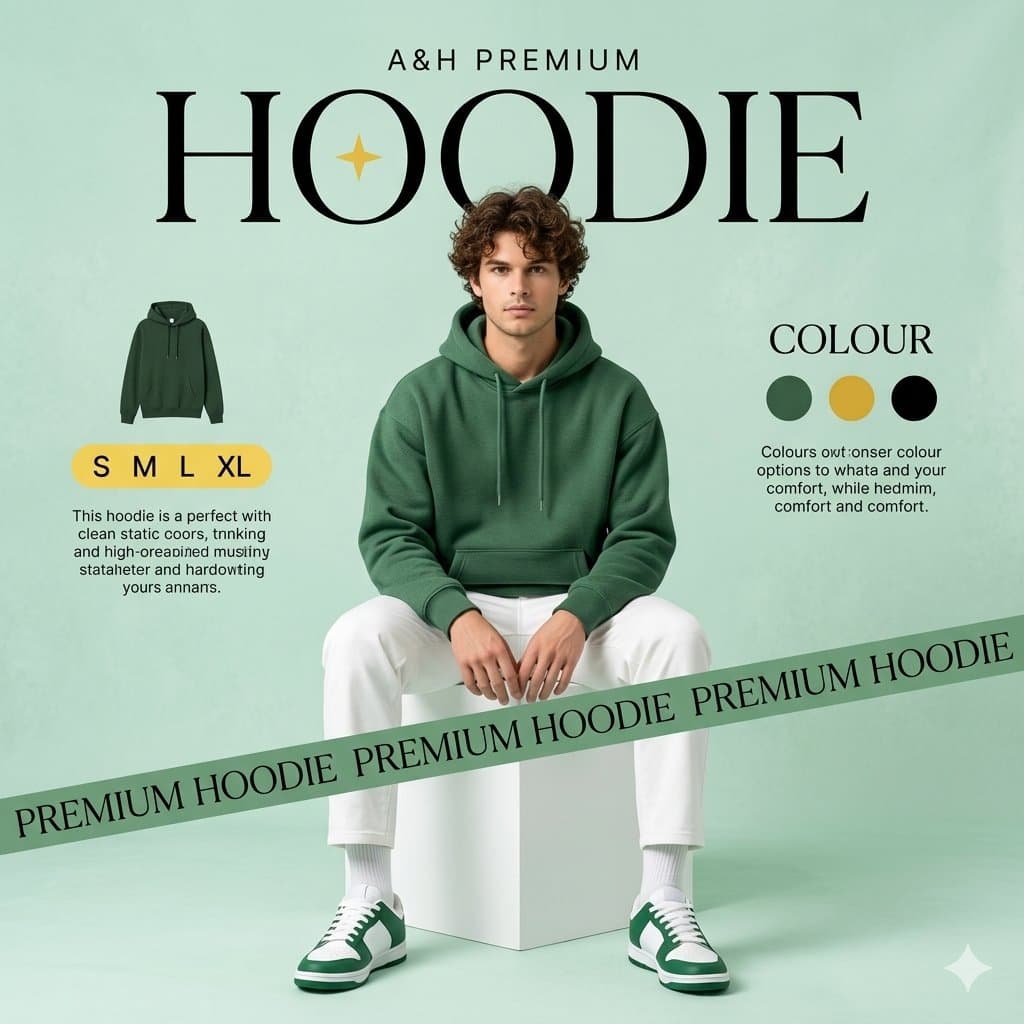
Hoodie Fashion Advertising Poster Variant
What Are Hoodie Ad AI Prompts?
Hoodie Ad AI prompts are structured instructions for generating promotional imagery centered on hoodies. This tag helps teams quickly produce commercial scenes that blend fashion mood, material realism, and brand consistency. Instead of only rendering a plain garment on a plain backdrop, it supports scenes where posture, fit, zipper behavior, cuff shape, and lighting all communicate the same campaign story. In practical use, hoodie campaigns often require a strong character-driven mood but still need clear product recognition. This tag is built to balance both goals in one creative flow.
Best Use Cases
- High contrast hero posters for limited edition hoodie drops
- Single garment close-up ads that focus on stitch work and fabric weight
- Streetwear campaign visuals with evening city textures
- Lookbook frames that combine lifestyle context and product clarity
- Seasonal social assets for autumn and winter collections
Hoodie visuals often appear similar if prompts are too general. Use movement cues such as slight walking momentum, hood texture shifts, and shoulder drape to make each output distinct. Combine this with controlled depth of field so the garment shape remains readable even when the background becomes cinematic.
Why This Tag Works
A hoodie is forgiving in shape but strict in silhouette, which means subtle prompt changes can have a large effect. This tag gives handles for silhouette control, garment structure, and emotional styling together, making it practical for designers who need consistent outputs across many variations. You can first define the key look and then tune secondary elements such as city setting, weather, model stance, and typography placement.
In pipeline use, Hoodie Ad is strongest when paired with Fashion Poster and Fashion Photo prompts. Use poster prompts for campaign framing, fashion photo prompts for fine detail and skin or fabric quality, then lock the result with hoodie-specific descriptors to keep the brand voice. This sequence reduces revision loops and gives clearer A/B choices for thumbnails and landing banners.
Explore Related Prompts
Prompt Building Tips
Begin with a concise identity statement: color, silhouette, and use context. For example, "deep burgundy oversized hoodie, heavy cotton blend, textured cuff hem, cinematic street evening" creates a strong base. Next add camera lens and placement: low angle for dynamic style, straight eye level for clean product clarity. Keep the prompt length focused, then add one constraint each pass, such as "logo stays visible" or "no cluttered background objects".
Avoid piling many competing adjectives into one sentence. Too many stylistic tokens can make the result unstable when the model tries to satisfy everything at once. Instead, use two-pass refinement: first generate composition, then refine only 4 to 6 missing texture or tone elements. For bulk production, create a reusable seed library with consistent hoodie terms and vary only pose and background every generation cycle.
If your campaign includes both ad and social cutdown versions, keep a single prompt core and derive ratio-specific variants through concise post instructions. This lowers visual drift and helps marketing teams keep copy and visual consistency from first draft to final publish.